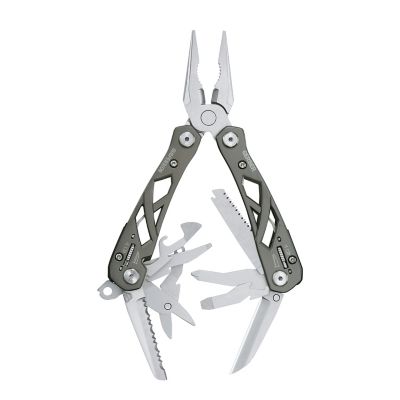
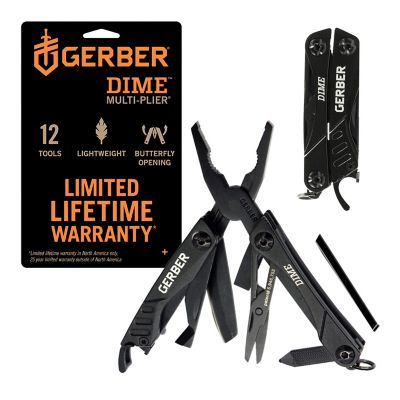
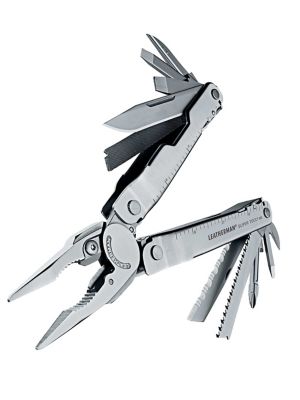
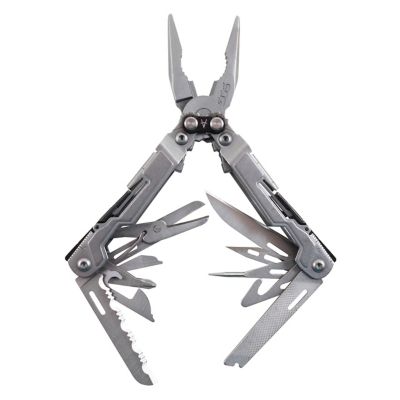
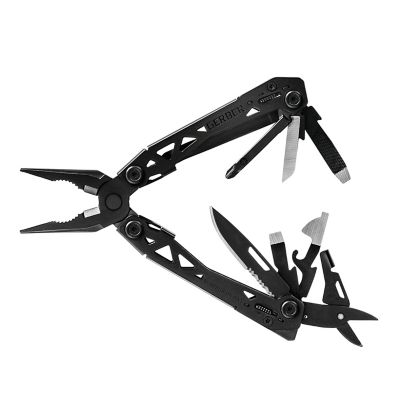
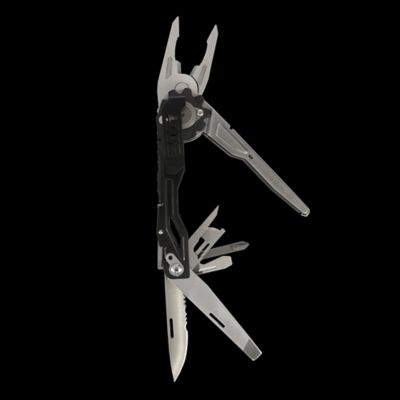
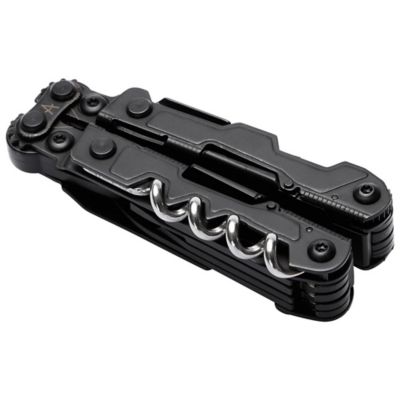
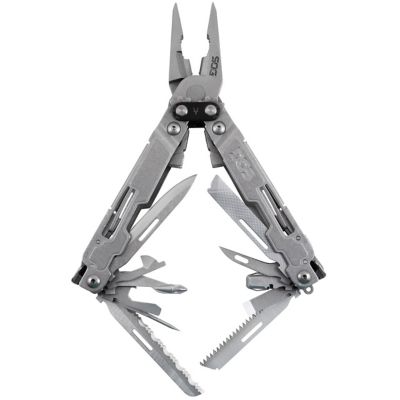
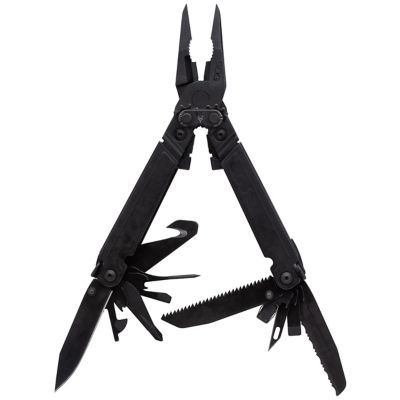
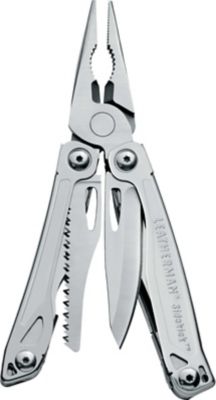
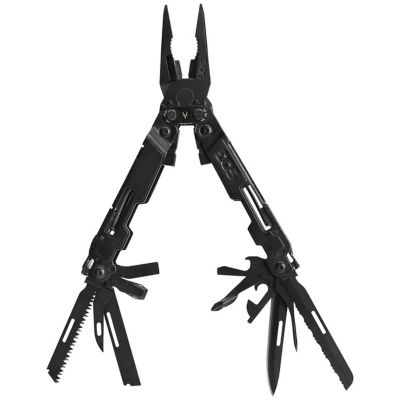
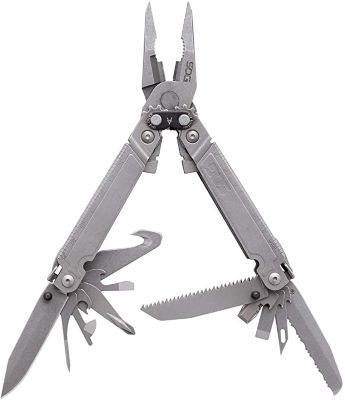
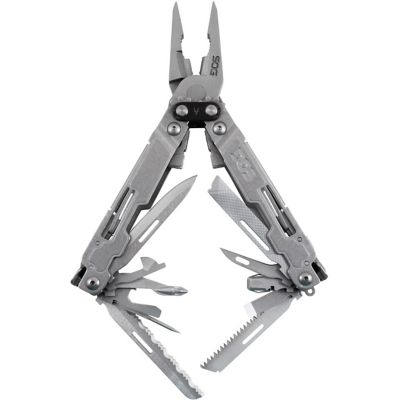
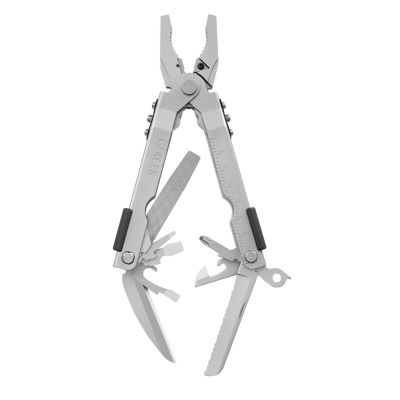
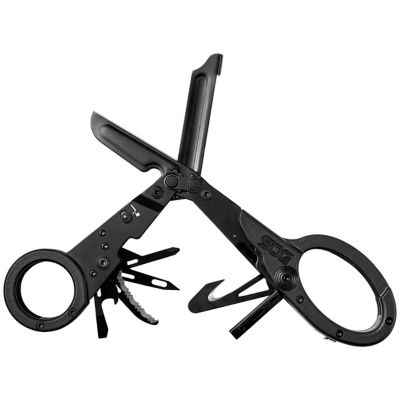
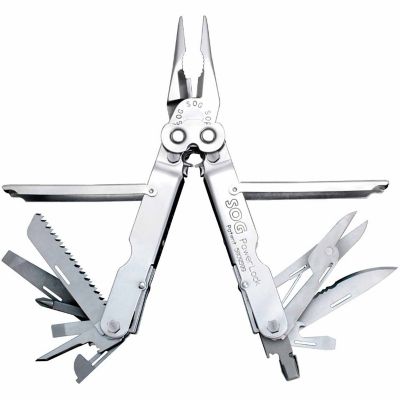
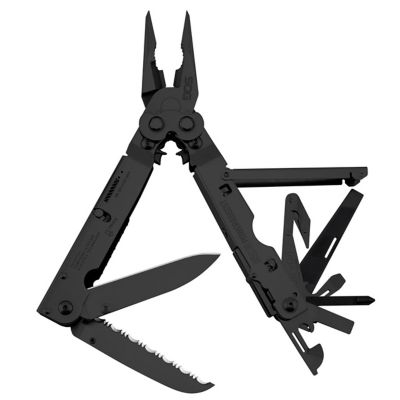
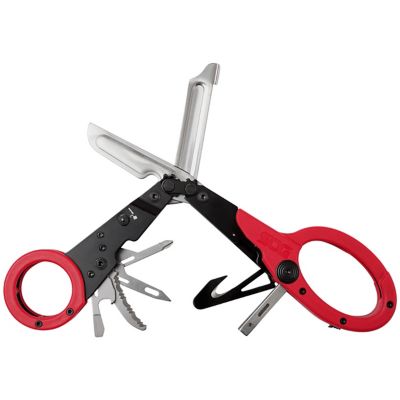
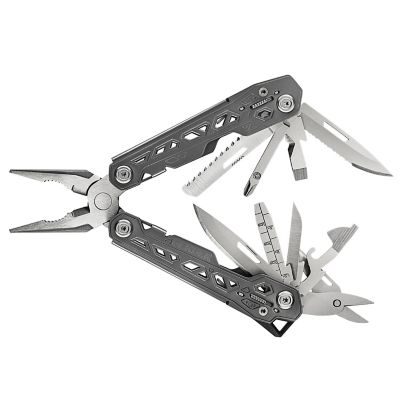
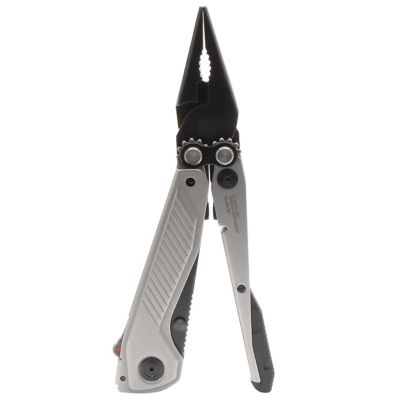
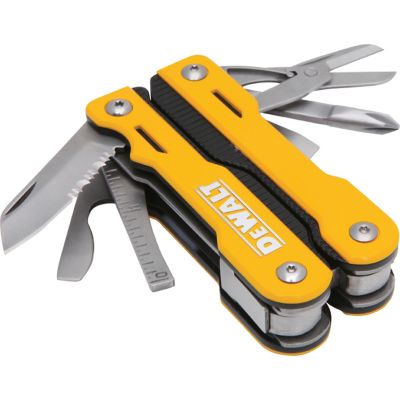
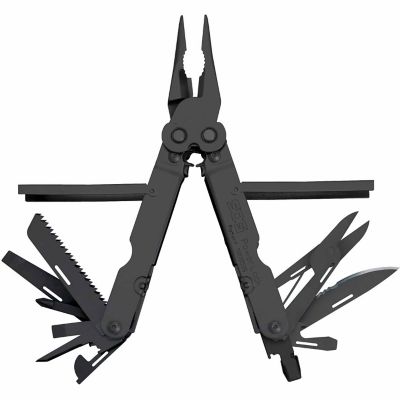
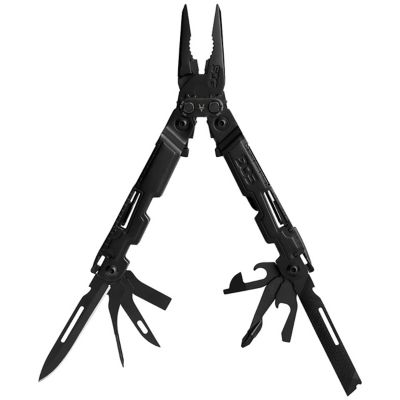
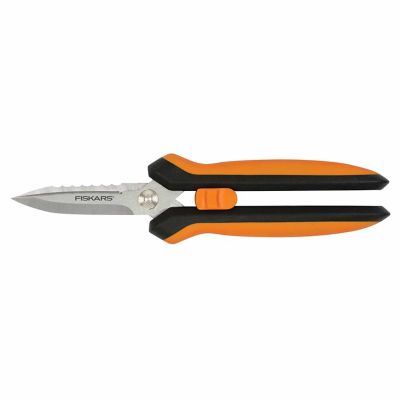
A multi-tool combines several hand tools, such as pliers, knife blades, screwdrivers, scissors, and wire cutters, in one compact body. Folding designs tuck the working parts into the handles, while some small, one-piece versions combine wrench openings, drivers, and other functions in a flat frame. These pocket-size helpers suit the little jobs that pop up between the barn, the truck, and the house: snugging a loose cabinet screw, trimming baling twine, gripping a stubborn zipper pull, or opening a carton of supplies. Having the right functions close at hand can save a walk back to the toolbox when a small fix interrupts the day. Full-size, plier-based multi-tools generally offer more handle length and gripping surface, making them a practical match for farm chores, shop work, and general property upkeep. Compact pocket and keychain designs put more emphasis on easy carrying, with smaller implements suited to lighter tasks. Scissor-based designs can be handy for snipping fishing line, trimming loose threads, and cutting paper or thin packaging. The best fit comes down to the jobs that happen most often, not simply the highest tool count. Someone who regularly adjusts screws may get more benefit from comfortable driver placement and interchangeable bits than from several blades. For fence checks and equipment walkarounds, accessible pliers and cutters rated for the material at hand may matter more. Campers and anglers often appreciate a combination of scissors, pliers, a blade, and a bottle or can opener, depending on what else rides in their pack. A small saw or file adds another kind of usefulness, though its working length limits the size of the task. Think of a multi-tool as a way to handle quick adjustments and small repairs without hauling a full tool bag everywhere. It fills the gap between having nothing in a pocket and having the whole workbench within reach. That role makes function, carrying comfort, and access to frequently needed implements more important than a long list of attachments that rarely come out of the handle.
Materials and construction affect how a multi-tool feels in the hand and holds up through regular chores. Stainless steel is common for pliers, blades, and frames because it balances strength with resistance to corrosion, although it still needs cleaning and drying. Steel type and heat treatment influence edge retention, sharpening needs, and toughness; a finish alone does not tell the whole story. Some designs pair steel working parts with aluminum handles or textured grip panels to change the weight and feel. Rounded handle edges can make a difference when squeezing pliers, especially during a task that takes more than a quick pinch. Grip texture helps with control, but sharp corners or exposed folded implements can press into the palm. Overall size deserves a close look, too. Closed length affects how comfortably the tool rides in a pocket, while open length and handle spread affect how easily a person can reach around an object and apply controlled pressure. A belt sheath keeps a heavier tool out of the pocket and close by during chores; a pocket clip offers a different carrying option with less gear on the belt. Secure attachment matters when climbing onto equipment or leaning over a feed bin. Tool layout also changes the everyday experience. Outside-accessible implements can open without unfolding the pliers first, while recessed nail pulls may take more effort to reach. Spring-action pliers reopen after a squeeze, which can reduce hand effort during repeated light gripping. Locking blades and implements help resist accidental folding, but the lock still needs to engage fully and does not make a folding tool suitable for prying or hammering. Driver shape and alignment affect reach and control, particularly around recessed screws. Interchangeable-bit systems add flexibility, though bit fit, retention, and compatibility deserve attention. Wire cutters also vary: some have replaceable cutting inserts, and others are built into the plier head. Cutting capacity should match the manufacturer's specifications rather than the apparent thickness of the jaws, especially around hardened wire or fencing material.
A multi-tool earns its place through sensible use and a little routine care. Dust from a feed room, pocket lint, adhesive from packaging, and grit from a tackle bag can collect around pivots and locking surfaces. Keeping those areas clean helps the implements move freely and the locks seat properly. After contact with moisture or grime, cleaning according to the manufacturer's directions and drying thoroughly before folding helps limit corrosion. A small amount of the recommended lubricant at the pivot points can help maintain smooth movement, with excess wiped away so it does not collect more dirt. Blade care matters just as much: the sharpening method needs to suit the edge, particularly when a tool includes both straight and serrated sections. Loose fasteners, chipped cutters, bent tips, and locks that no longer engage are reasons to stop and address the problem rather than force another chore out of the tool. Working within its limits protects both the tool and the job. Knife blades belong on cutting tasks, not as substitutes for pry bars, and general-purpose multi-tools should not be treated as insulated electrical tools. For repeated fastening, high torque, or larger repairs, dedicated tools offer better leverage and access. A multi-tool can ride along for quick fixes, while
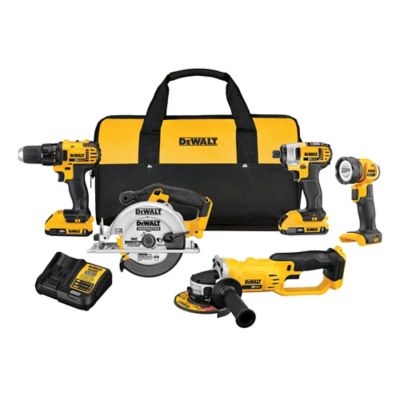
Master Tool Sets suit a broader collection of repair and maintenance tasks back at the bench. That distinction is useful when choosing a gift, too. A ranch hand who carries gear on a belt may appreciate a different size than an angler who wants something light in a vest pocket. Gardeners, campers, homeowners, and folks setting up a first toolbox can all find practical value in a well-matched combination of functions. Familiarity with the recipient's usual chores, hand comfort, and preferred carrying style makes the choice more personal. The goal is a tool that feels natural to bring along, opens without a struggle, and handles the small jobs that turn up in an ordinary day's work.