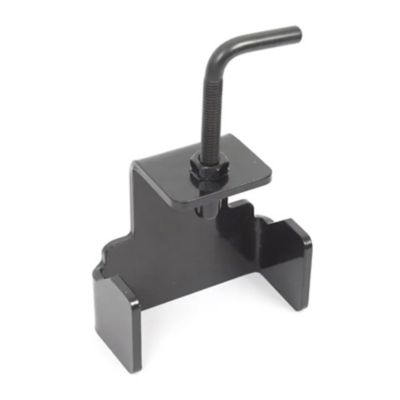
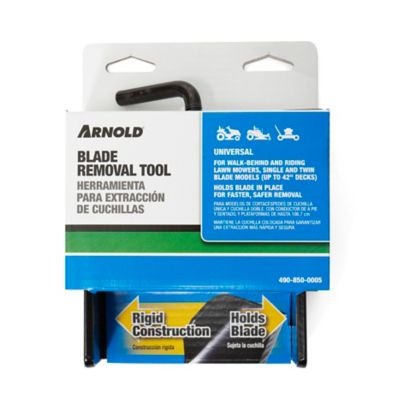
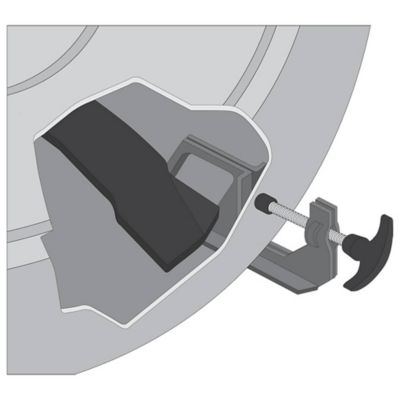
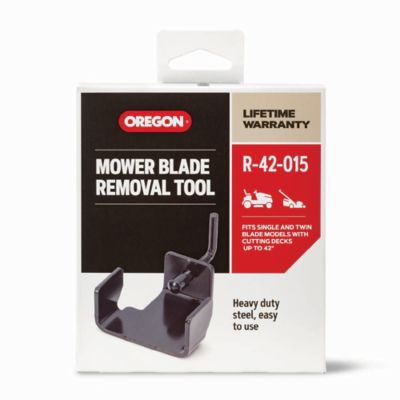
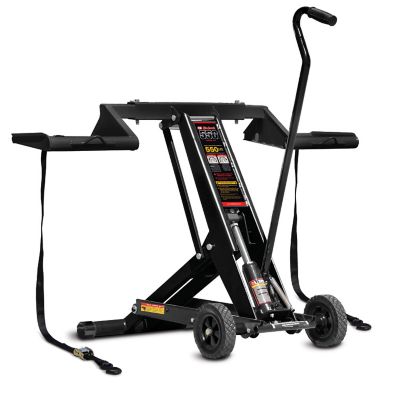
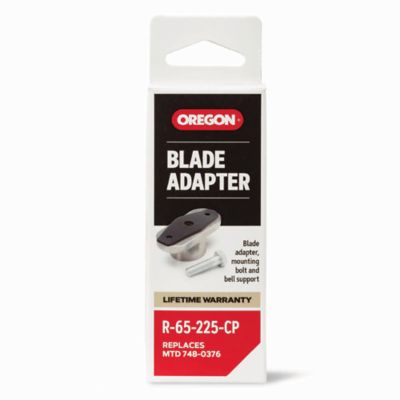
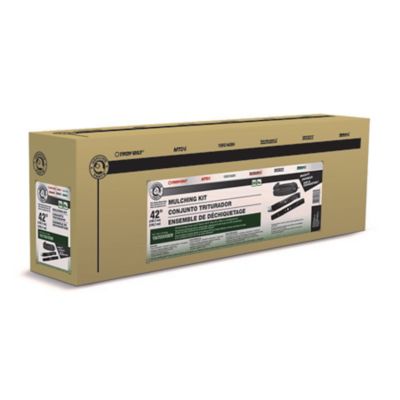
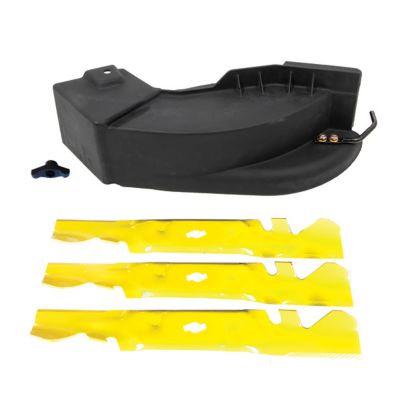
A mower blade removal tool holds a lawn mower blade still while its mounting bolt or nut is loosened or tightened. Many designs work as a mechanical clamp that attaches to the mower deck and provides a stop against blade rotation. That makes this tool a practical addition to the shop for blade replacement, sharpening preparation, and routine mower maintenance. The blade holder does not loosen the fastener on its own; it works alongside the correctly sized socket and wrench specified for the mower. Its job is to keep the blade from turning with the fastener, giving the person handling the wrench a more controlled setup. For homeowners tending a yard, acreage owners keeping grass around outbuildings trimmed, and grounds crews maintaining several machines, that extra control can make blade work less awkward. Rather than relying on a loose block that may shift, a compatible clamp provides a purpose-built contact point, though proper attachment still matters. Common applications include walk-behind mowers, lawn tractors, and certain zero-turn mowers, with compatibility depending on the individual tool and deck. A blade removal tool is especially handy when blades come off regularly for inspection or sharpening. Grass mixed with sandy soil can wear cutting edges, while an unseen root or rock can leave damage that calls for closer attention. Removing the blade allows access for that work, but the holder itself does not sharpen, balance, or repair a blade. Keeping those jobs separate helps clarify what belongs in a mower maintenance setup. A blade clamp handles restraint, a wrench handles the mounting hardware, and separate equipment handles edge work and balance checks when the mower manufacturer permits sharpening. For someone who takes care of equipment at home, a blade holder fills a straightforward role: helping control a sharp, awkward part while the fastening work gets done.
Fit matters more than a broad claim that a mower blade removal tool works with every mower. Deck width alone does not establish compatibility, and a stated fit range should not take the place of checking the tool’s specifications against the machine. The shape and thickness of the deck lip, the space around the cutting blade, and the distance between the deck edge and blade all influence whether a clamp can seat properly. Rolled edges, reinforcing ribs, baffles, and discharge components can limit access beneath a deck. Blade shape matters, too. A mulching blade with pronounced curves may meet a blade stop differently than a flatter blade, so clearance and contact deserve attention. On a mower with several blades, access can vary from one spindle position to another; a clamp that fits near one deck edge may not reach every blade location. Steel bodies, threaded adjustment screws, and substantial contact surfaces are common construction features worth considering for repeated shop work. A corrosion-resistant finish can help protect exposed metal, while smooth-moving threads make adjustments easier. The body needs enough strength for its stated application without excessive flex, and the clamping surfaces need to engage the deck as intended. A comfortable handle can be helpful when working in tight quarters, but a long handle is not automatically better if it crowds the socket or nearby hardware. Compact dimensions may suit a small walk-behind mower, while deeper decks can call for a different reach or clamp opening. Product dimensions and mower documentation are better references than appearance alone. For blade replacement on a compatible walk-behind machine,
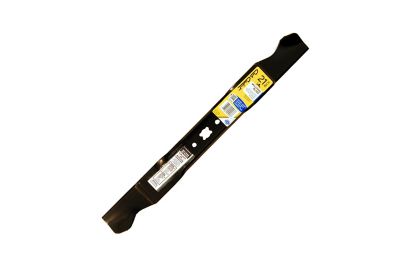
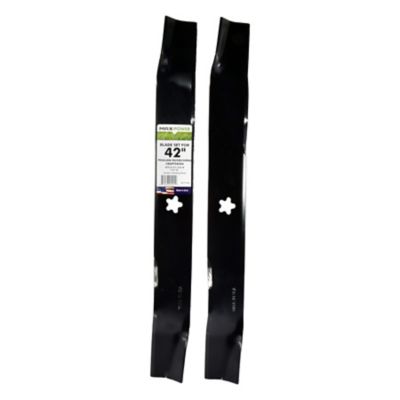
Push Mower Blades are a related consideration, with blade length, center-hole shape, mounting pattern, and manufacturer requirements determining fit. The blade holder and replacement blade each need their own compatibility check. Neither a matching cutting width nor a similar-looking deck guarantees that both will fit the same mower.
A good mower maintenance setup also accounts for access, fastener requirements, and tool care. Blade mounting hardware can be tight, and packed grass around the spindle can make the working area difficult to see. A removal clamp is meant to restrain the blade within its rated application, not serve as a pry bar or compensate for damaged hardware. Correct socket engagement helps protect the bolt or nut, and the mower manual determines the loosening direction and required tightening torque. Some machines have fastening arrangements that differ from what a person might expect, making model-specific instructions important even for an experienced equipment owner. A torque wrench has a separate role during installation; the blade holder is not a substitute for checking torque. Likewise, a clamp is not a mower lift, jack stand, or safety lock for the machine. Maintenance requires protection against accidental startup, following the manufacturer’s instructions for the power source, whether that involves spark plug connections, removable batteries, or other isolation measures. Any raised mower needs manufacturer-approved support, and a walk-behind mower’s permitted service position matters because tipping it incorrectly can cause fluid leaks or other trouble. Gloves help reduce contact with sharp edges, but hands still need clearance from the blade’s path and pinch points. These considerations make a well-fitting holder useful without treating it as a complete safety system. Between jobs, removing grass residue and wiping moisture from the tool helps limit corrosion and keeps the adjustment mechanism easier to inspect. Thread care should follow the tool manufacturer’s recommendations, and bent sections, cracks, damaged threads, or a slipping clamp call for taking the tool out of service. Storage alongside blade sockets and other mower maintenance tools keeps the setup together for the next job. For a gift, a blade removal tool makes the most sense for someone who already handles mower upkeep and has a machine that matches its fit requirements. Whether it belongs in a garage tool cabinet, a farm shop, or a groundskeeping workspace, its value comes from proper fit, sound construction, and a clear purpose in blade maintenance.