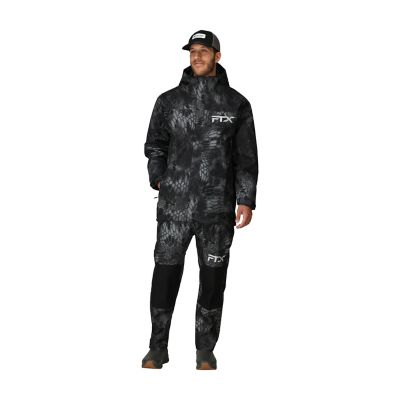
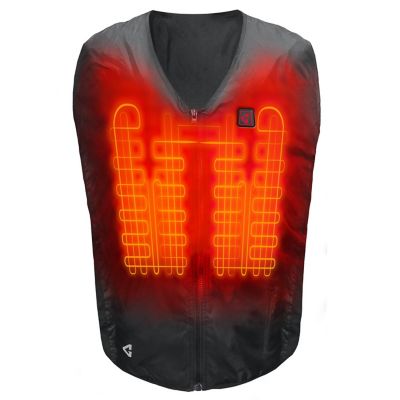
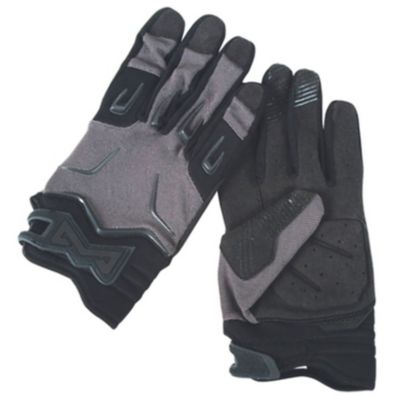
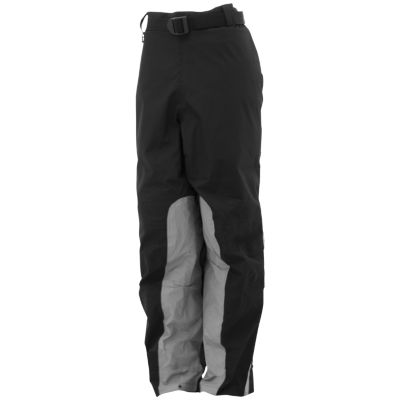
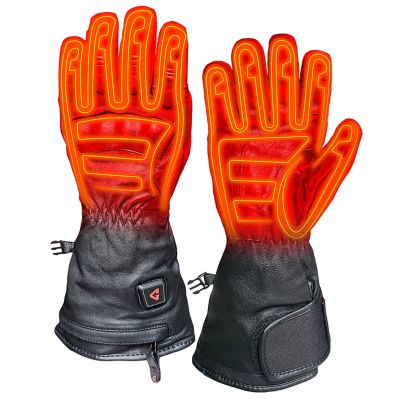
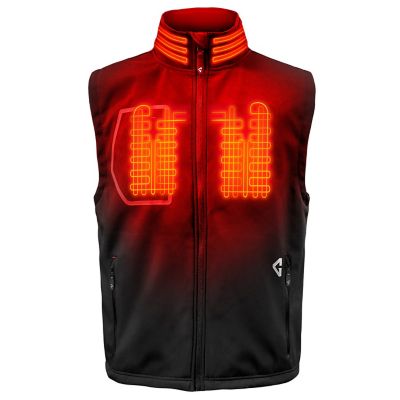
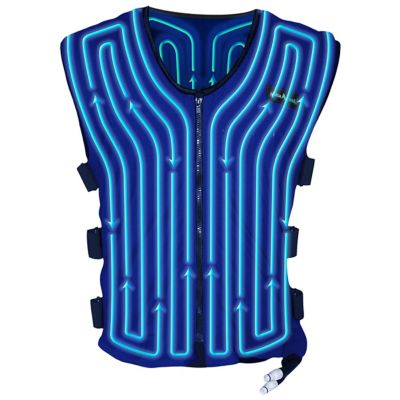
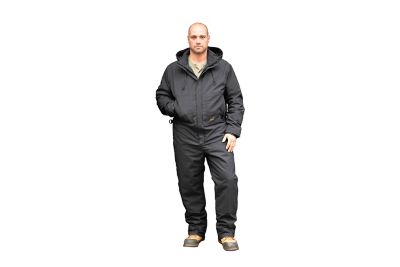
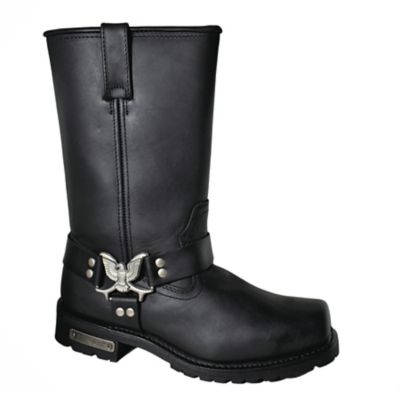
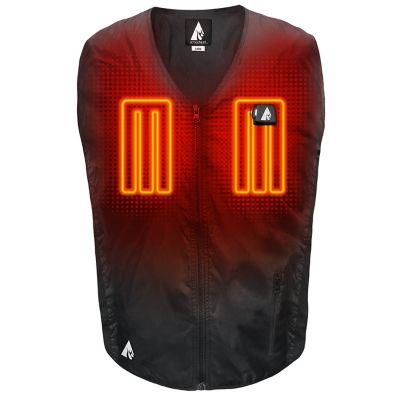
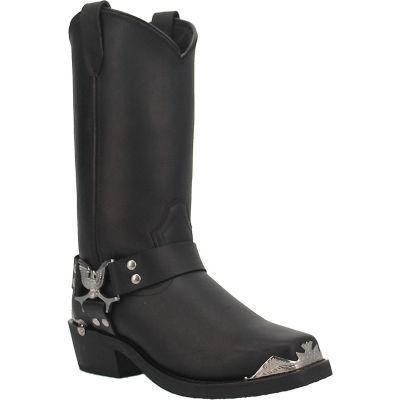
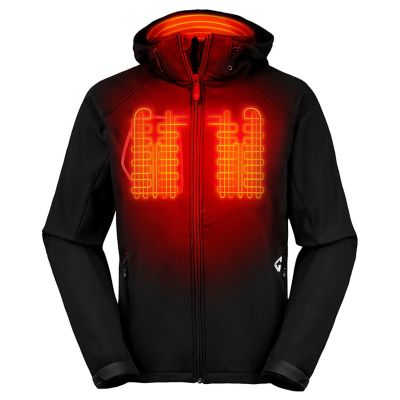
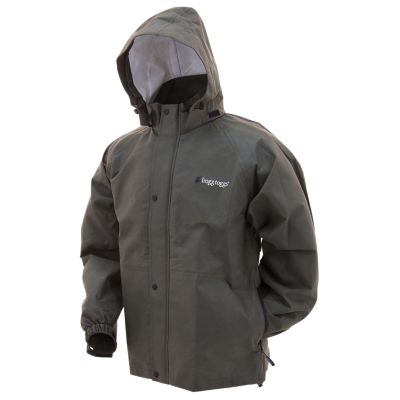
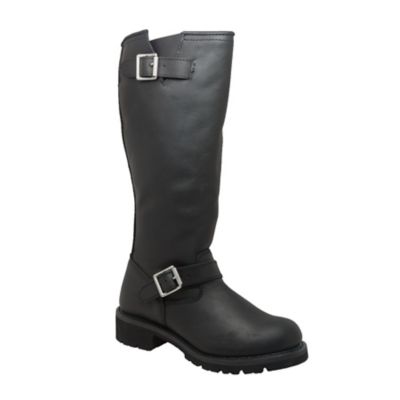
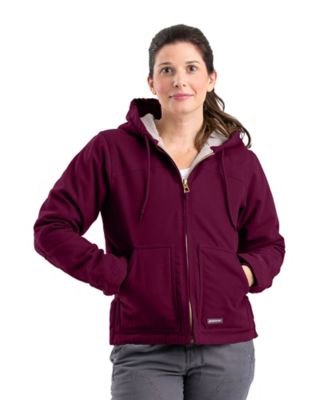
Cool motorcycle gear brings together the things riders care about most: dependable protection, comfortable fit, useful features and a look that feels right on the bike and off it. The best riding setup does not have to look bulky or overly technical. A well-chosen jacket can have abrasion-resistant fabric, impact armor at the shoulders and elbows, a back-protector pocket, and ventilation panels while still fitting in at a diner, hardware store or weekend get-together. Leather remains a longtime favorite for its tough feel and classic appearance, while textile jackets offer lighter weight, weather resistance and practical storage. During the warmer part of the riding season, mesh panels and zippered vents help move air when the road gets hot; as the weather cools, removable liners, thermal layers and wind-blocking materials make the same kind of gear more useful on early-morning rides. Gloves deserve just as much attention as a jacket. Look for a snug, comfortable fit, reinforced palms, secure wrist closures and enough flexibility to work the controls without bunching. Short-cuff gloves suit casual rides and warm conditions, while longer cuffs help cover the gap between gloves and sleeves when the temperature drops. Riding pants can offer a similar balance of everyday style and motorcycle-ready protection, with reinforced denim, abrasion-resistant panels and pockets for knee or hip armor. These details matter when a rider wants to step off the motorcycle and go about the rest of the day without changing clothes.
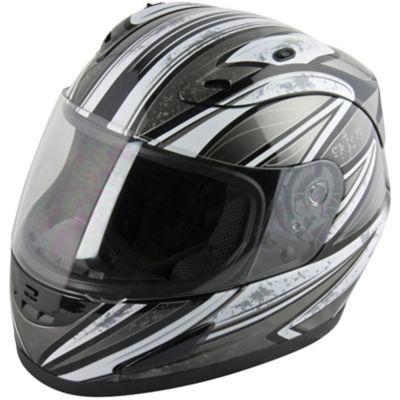
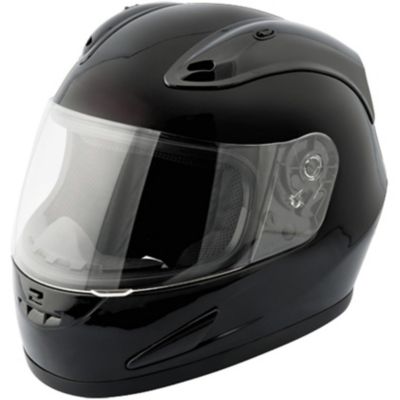
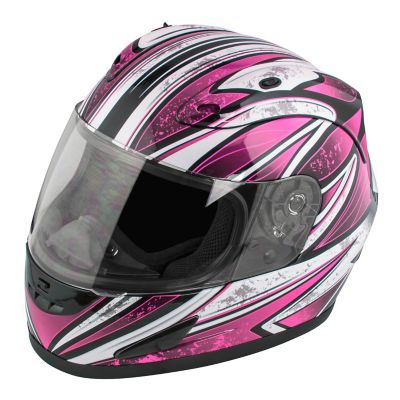
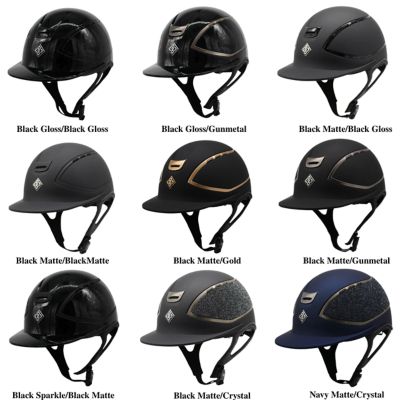
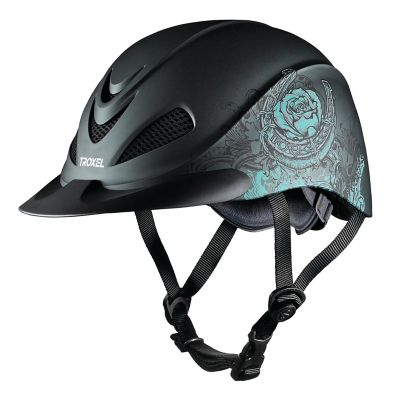
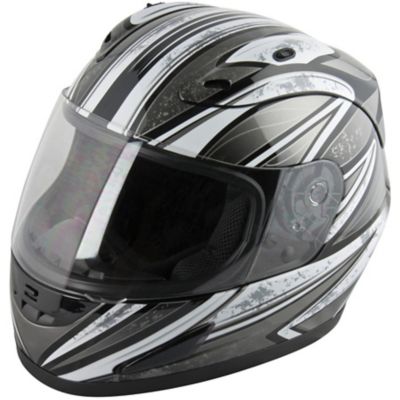
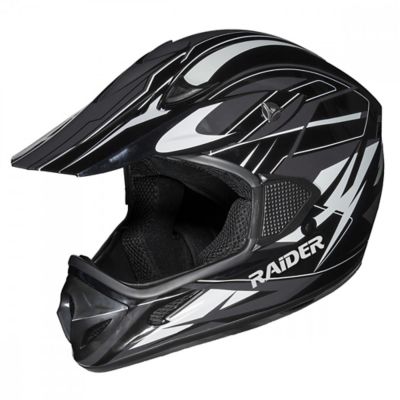
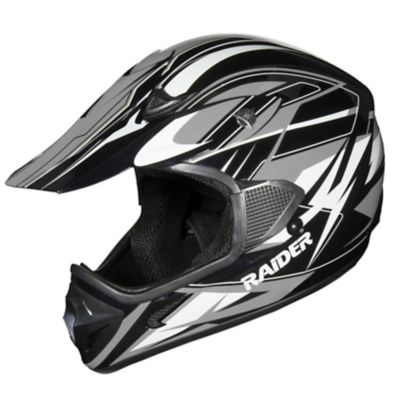
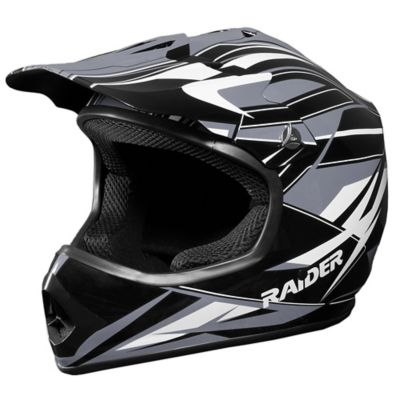
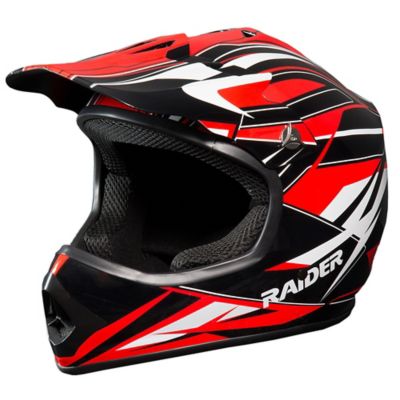
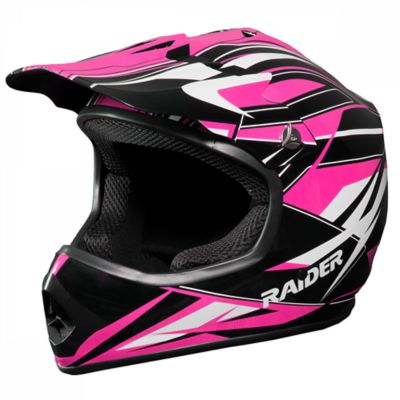
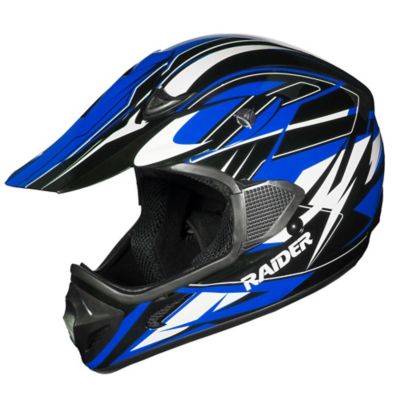
A helmet is one of the most important parts of any motorcycle setup, and fit should come before color, graphics or extra features. A properly fitted helmet should sit evenly and securely, with firm but comfortable cheek-pad contact and no loose movement when the rider turns their head. Check the safety certification required for your area, follow the manufacturer’s sizing instructions, and replace a helmet after a significant impact or when it has reached the end of its service life. Full-face helmets provide broad coverage around the head and face, while modular styles offer added convenience for riders who appreciate more flexibility at stops. Open-face designs suit some riders and riding conditions, but they leave more of the face exposed, so the choice should match the road, weather and rider’s comfort level. Clear visibility is another everyday concern. Anti-fog features, a drop-down sun shield or a choice of tinted and clear eye protection can make a big difference when the sun sits low or the air turns crisp. For colder rides, a neck gaiter, balaclava or moisture-wicking base layer helps keep wind from sneaking down the collar. Waterproof over-layers, reflective details and weather-resistant storage are also worth considering for commuting, long-distance travel and changing conditions. Riders who spend time on gravel roads, farm routes or open highways may prefer gear with extra room for layering and durable materials that stand up to dust, brush and frequent use. Urban commuters may place more value on low-profile styling, easy-on features and pockets that keep keys, a phone and small essentials close at hand.
Cool motorcycle gear also makes a thoughtful gift for a new rider, a seasoned traveler or someone who enjoys building a practical riding kit one piece at a time. When shopping for another rider, start with items that do not depend on an exact jacket or boot size, such as riding gloves, a neck warmer, a compact rain layer, protective eyewear or useful storage accessories. For clothing and helmets, sizing is especially important, so checking the recipient’s measurements or giving a gift receipt can save a lot of trouble. A rider who favors classic cruisers may appreciate rugged leather and simple hardware, while an adventure rider may lean toward adjustable layers, weatherproof materials and cargo-friendly designs. Someone who rides to work may want gear that blends into everyday clothing, while a weekend rider may enjoy bold styling and heavier-duty construction. Small fit details can have a big effect on comfort: articulated sleeves make it easier to reach the bars, stretch panels reduce restriction, and adjustable cuffs help seal out wind. It is also smart to think about how the gear will be cared for. Leather usually benefits from appropriate conditioning, technical fabrics need the care listed on the label, and armor should be removed before washing whenever the design allows. Store riding gear dry and away from direct heat, and inspect seams, closures, reflective panels and protective inserts after regular use. Whether the ride follows a winding back road, a quiet country highway or a daily commute through town, the right combination of protection and personal style helps a rider stay comfortable and prepared through the cooler months. For more ways to round out a rider’s setup, explore
Bike Accessories for Men.