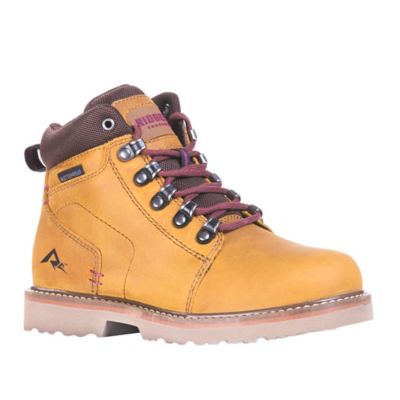
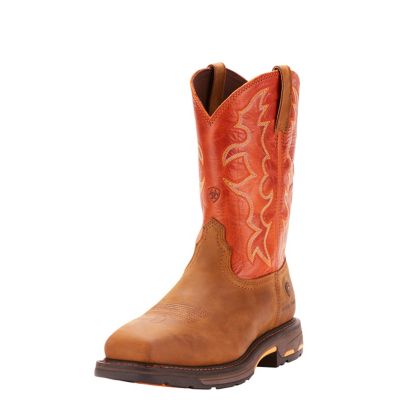
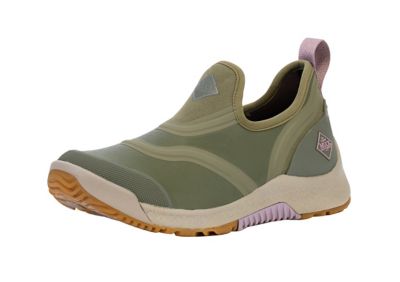
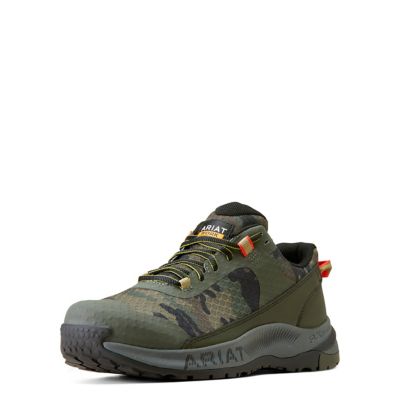
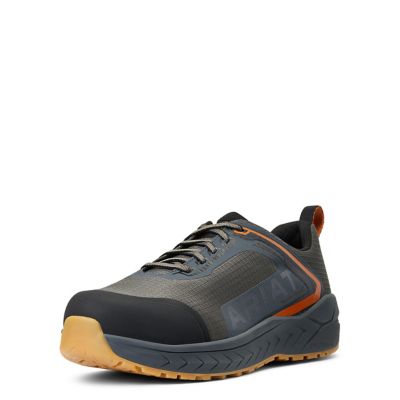
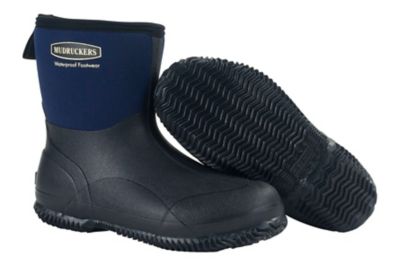
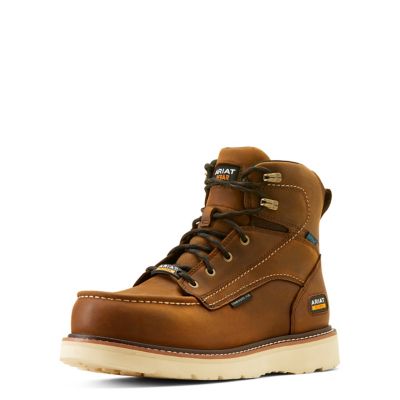
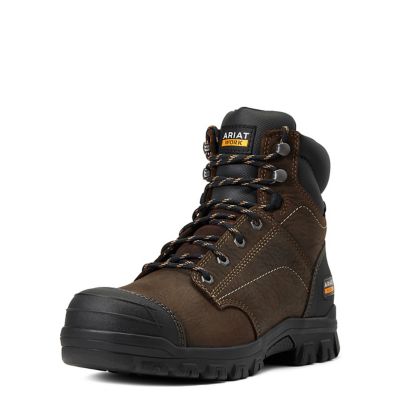
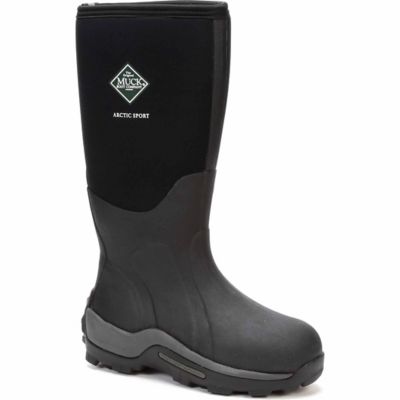
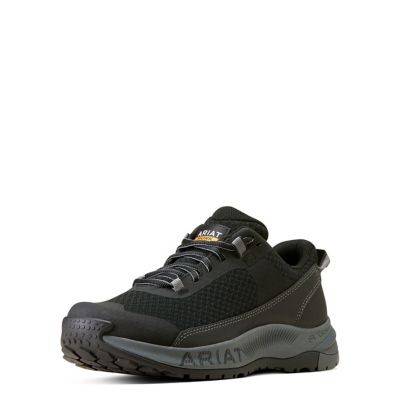
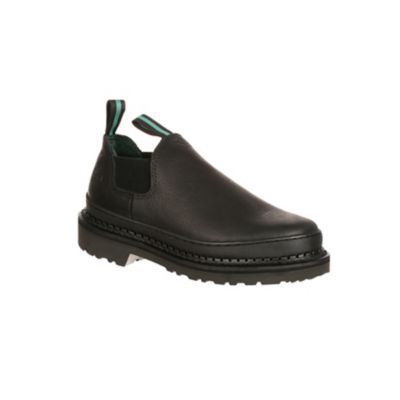
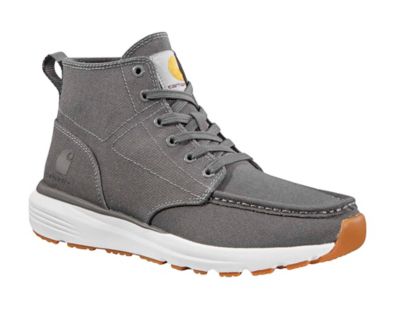
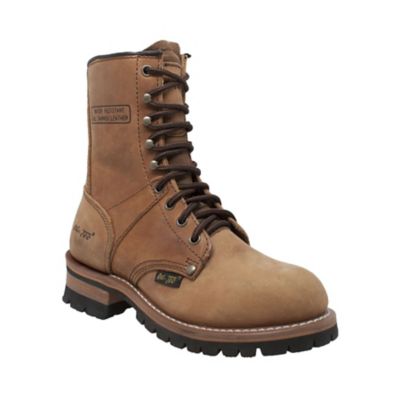
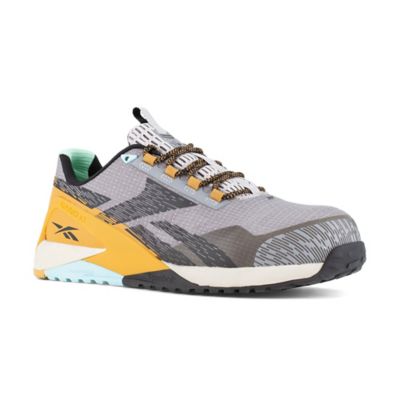
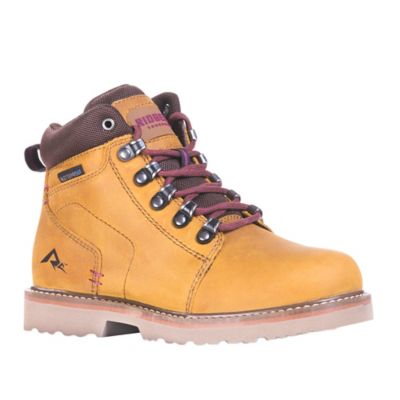
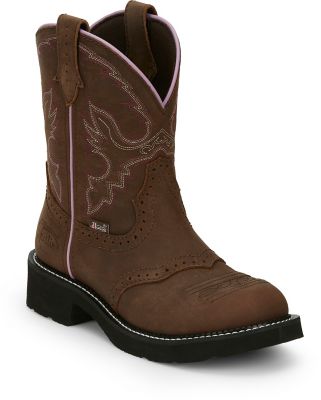
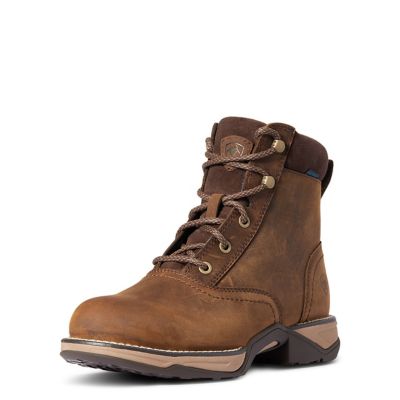
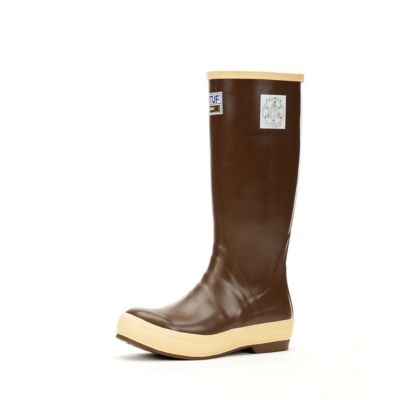
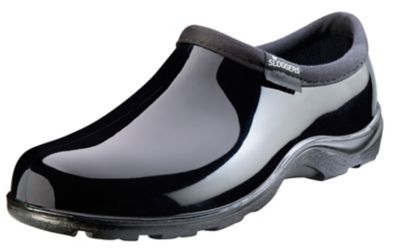
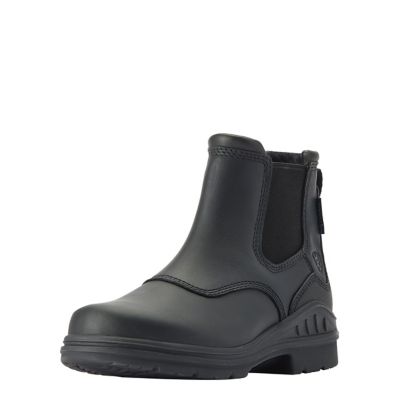
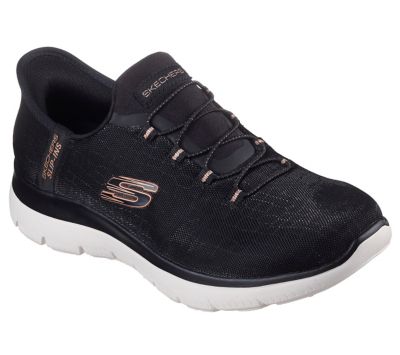
Mother's Day work shoes make a practical gift for moms who spend long hours on their feet, bringing together comfort, support, and features that suit the job. For a mom walking concrete aisles, tending animals, running a small business, or moving between a counter and a back room, footwear is part of the day's working gear. The right match depends on where she walks, how much she stands, and what her workplace requires. Work sneakers can offer a flexible feel for jobs with plenty of movement, while low-profile leather shoes can fit settings where a neat appearance matters alongside comfort. Slip-on styles offer fewer fastenings to fuss with, and lace-up designs let her adjust how snugly the upper holds her foot. Neither closure is better for every task; a secure fit matters more than convenience alone. A mom stepping across a feed room needs different footing than one spending a shift on a smooth shop floor. Outsole patterns, contact area, and slip-resistance testing help explain how footwear is intended to perform, though no sole makes every surface safe. Where falling objects or other workplace hazards are part of the job, safety-toe shoes may be appropriate, with steel, alloy, or composite toe caps offering different combinations of weight and shape. Protective features should match the shoe's listed ratings and the employer's requirements rather than appearance alone. A protective toe does not mean a shoe provides protection against every hazard. For work without those requirements, soft-toe shoes may provide the freedom and lighter feel she prefers. Standing at a register, carrying supplies between work areas, and crouching beside an animal all place different demands on footwear. Mother's Day work shoes feel like a thoughtful gift when they reflect those everyday details, not just a favorite color or a familiar size. They acknowledge the work she does and the comfort that can make a long day easier.
Comfort comes from several parts working together, not simply the thickest cushion underfoot. A footbed can soften contact with a hard floor, while the midsole, heel shape, and overall construction influence how supported and steady a shoe feels. Very soft cushioning may feel pleasant at first but will not suit every foot or every task, especially when the day involves carrying loads or standing in one place. A stable base and a heel that stays seated can matter just as much. Fit also changes with the shape of the toe box, the depth through the forefoot, and the room across the instep. Toes need space to move without pressing against the front, but extra length is no substitute for the right width. A shoe that slides at the heel or lets the foot shift sideways can create rubbing even when it feels roomy. For a gift, the size and width from a pair Mom already finds comfortable offer a starting point, although sizing can vary between styles. Her work socks matter, too: a thicker sock takes up more room than a thin one, and seams can become noticeable over a full shift. Removable footbeds can be helpful for someone who wears orthotics, provided the shoe has enough depth for the insert without crowding the foot. Materials bring their own trade-offs. Leather uppers can offer structure and a surface that wipes clean, though their care needs depend on the finish. Mesh and textile panels can allow more airflow but may be harder to clean after a dusty chore. Synthetic uppers vary widely in flexibility and construction, so material names alone do not tell the whole story. Linings, padded collars, stitching placement, and the way the upper bends across the forefoot all affect comfort. A smooth interior and a natural flex point are small details that can make a noticeable difference when Mom spends the day walking, bending, and getting things done.
Work shoes also need to hold up to the particular wear a day brings. Scuffing across the toe, repeated bending near the ball of the foot, and friction around the heel can reveal where a shoe takes the most punishment. Reinforced areas and well-secured stitching may help in those spots, but heavier construction is not automatically the best fit for someone covering a lot of ground. The balance between weight, flexibility, and protection matters more than a rugged appearance. Care is part of that balance, especially when footwear moves between chores and a workplace. Loose dirt is generally easier to brush away before it works into seams, and cleaning methods should follow the material's care directions. Leather treatments need to suit the finish; a treatment intended for smooth leather may not be appropriate for suede or certain coated surfaces. Textile shoes also need attention to their care labels rather than an assumption that they can go in the washing machine. Letting shoes dry with airflow, away from direct heat, helps protect materials and adhesives. Insoles that can be removed make it easier to air out the interior, and rotating between pairs gives each pair more time to dry between shifts. Over time, worn tread, separating soles, or cushioning that no longer feels supportive can signal that footwear needs attention or replacement. For Mother's Day, those everyday considerations turn a useful gift into one that feels personal. A mom who prefers a quick slip-on for shop duties may value something different from one who laces up before heading to a job with safety requirements. Her regular work setting, preferred fit, and comfort needs help narrow the choices without guessing at what her day involves. The broader
Mother's Day Shoes collection offers another place to consider footwear for her routine. A well-matched pair of work shoes belongs in the rhythm of her day, ready for the responsibilities she handles and the miles she puts in.