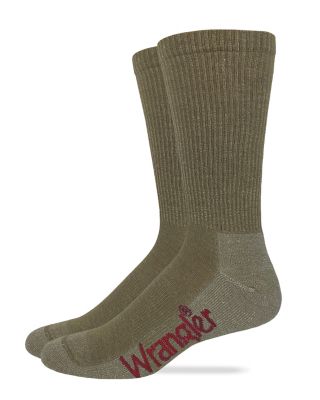
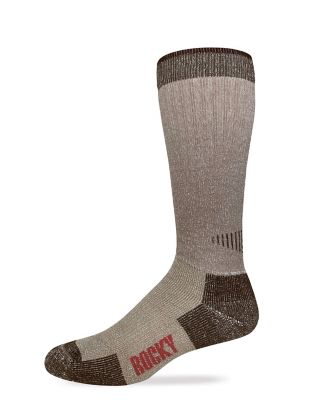
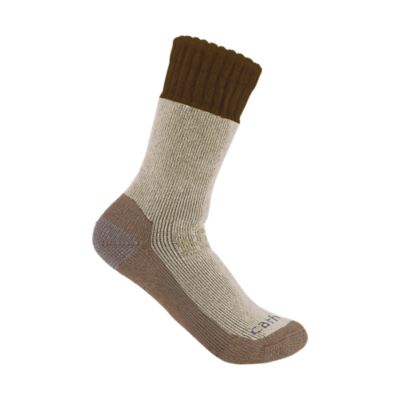
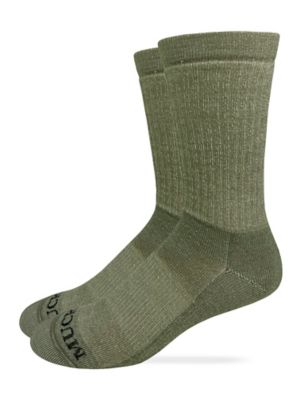
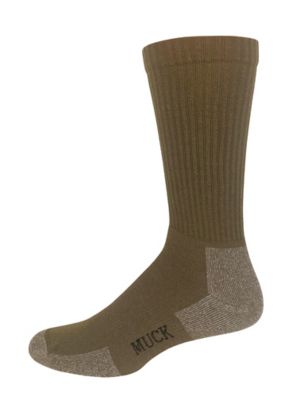
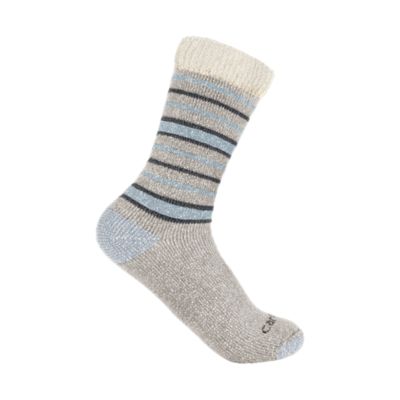
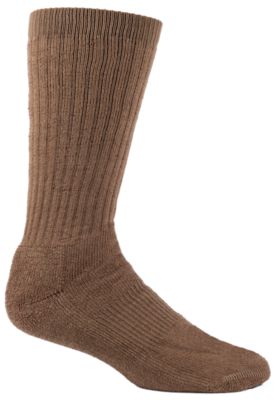
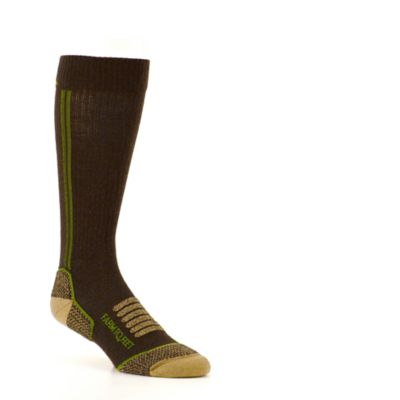
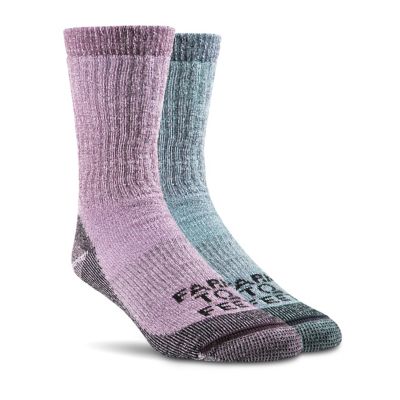
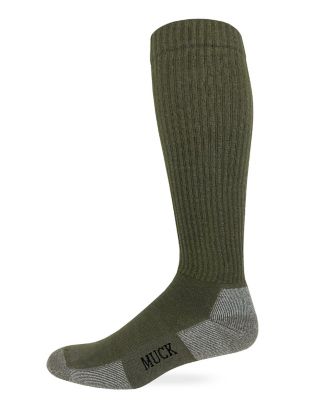
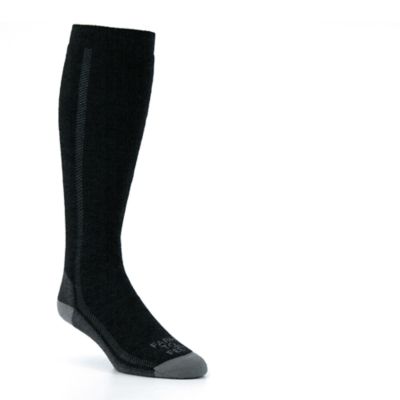
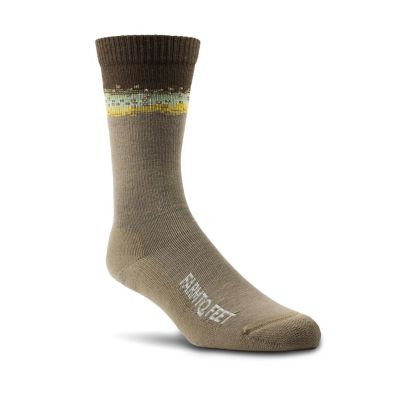
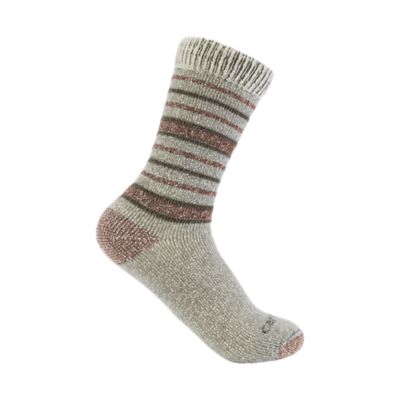
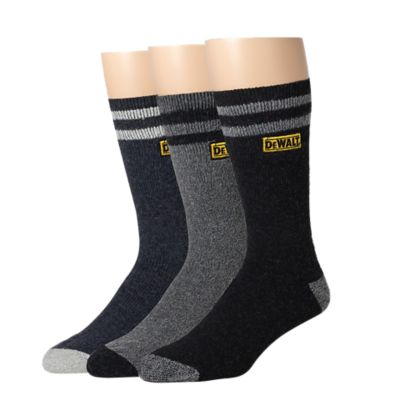
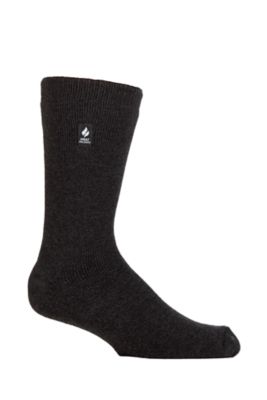
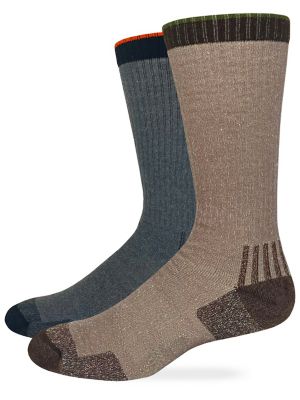
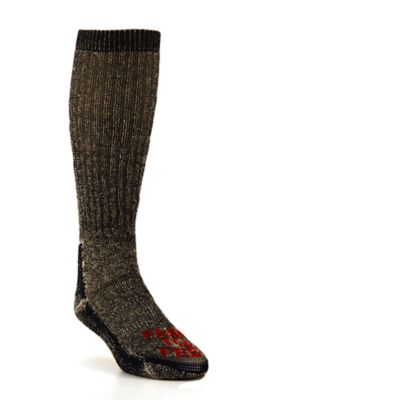
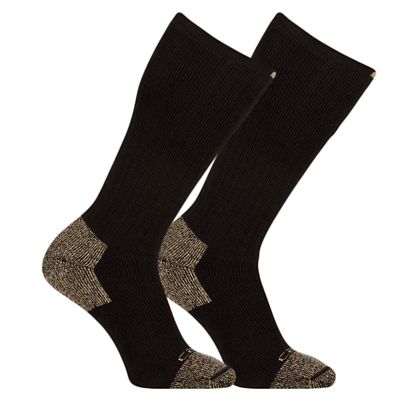
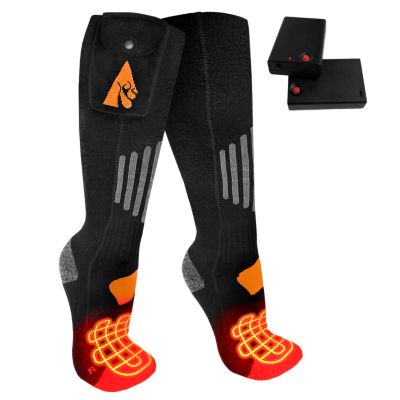
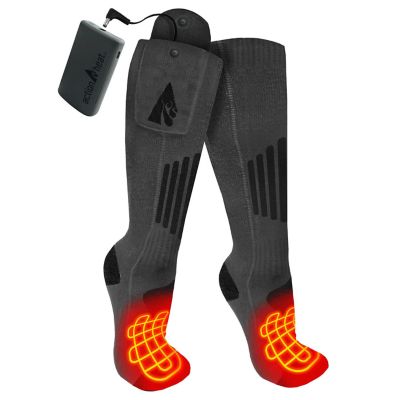
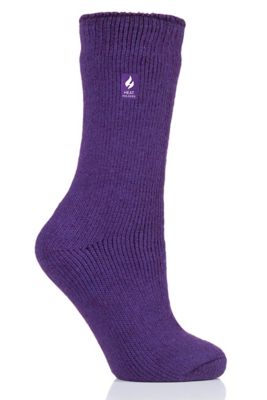
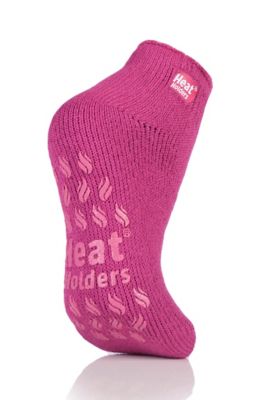
Moisture-wicking wool socks help manage foot sweat by absorbing moisture vapor and moving moisture through the fabric so it can evaporate. Many feature merino wool, a fine wool fiber known for its soft feel against the skin, blended with nylon, polyester, or elastane to support shape, stretch, and resistance to wear. That combination matters when a day includes feeding livestock, walking fence lines, climbing equipment steps, or spending hours on a concrete shop floor. Wool can absorb moisture within its fibers without immediately feeling wet against the foot, while the sock’s knit construction and other fibers help move and release that moisture. The result can be a less clammy feel inside boots or shoes, though no sock keeps feet completely dry under every condition. Wool also naturally resists odor buildup, a useful trait when footwear stays on from the first trip to the barn until the last chore is done. It still needs regular washing, especially after a sweaty day. Merino wool generally feels finer and less scratchy than coarser wool, but comfort depends on the fiber, yarn, and finished fabric rather than the wool name alone. A higher wool percentage does not automatically mean a better fit or faster drying. Blends with added nylon can handle rubbing at the heel and toe, while a small amount of stretch fiber helps the cuff and foot hold their shape. Knit density and fabric weight matter, too: a thin, close-fitting sock behaves differently from a thick, cushioned boot sock even when both contain wool. Breathable footwear gives moisture a better chance to escape, while boots with limited ventilation can hold dampness inside. Moisture-wicking wool socks work as part of that whole setup, alongside boot fit, activity level, and the amount a person sweats. They can help limit the damp conditions that contribute to rubbing, but they cannot guarantee freedom from blisters. A well-fitting pair is less likely to fold, slide, or bunch where a boot presses against the foot.
Fit makes a noticeable difference over a long stretch on your feet. Wool socks should sit smoothly around the heel and toes, with enough room for natural movement and enough stretch to stay put. A heel pocket that lands too high can leave extra fabric underfoot, while a sock stretched too tightly may pull across the toes or feel restrictive around the ankle. Shoe-size ranges offer a starting point, but foot width, calf shape, and the thickness of the sock also affect comfort. The best match leaves room inside the shoe rather than making a properly fitted boot feel crowded. Cushioning under the heel and ball of the foot adds padding where steps land, and a lighter knit over the top can reduce excess fabric inside snug footwear. Full cushioning may suit roomy work boots, while a lighter sock often fits better in walking shoes or close-fitting trail footwear. More padding is not always better; a thick sock that squeezes the toes can create more trouble than a thinner one that sits flat. Smooth toe seams help reduce a common rubbing point, especially when walking downhill or kneeling with the toes bent inside boots. Reinforced heels and toes add material where friction tends to wear socks down first. Ribbed cuffs and knit support through the arch can help hold the fabric in place without needing a heavy sock throughout. Height matters for practical reasons as well. Crew socks often sit above the collars of work boots, while taller styles provide more coverage inside pull-on boots and help keep bare skin away from the boot shaft. Lower cuts suit shoes with shorter collars, provided the edge stays clear of spots that rub. For someone moving between the feed room, truck cab, and a gravel lane all day, a sock that stays settled can be more comfortable than one that needs tugging back into place. The same details matter to hikers, warehouse workers, and anyone whose workday includes plenty of walking.
Everyday care helps moisture-wicking wool socks keep their shape and manage sweat as intended. The care label takes priority because wool blends do not all tolerate the same washing and drying methods. Many call for a gentle wash with mild detergent and low-agitation handling, while some permit machine drying under specified settings. Excessive heat and rough handling can shrink or felt wool, leaving a sock smaller, stiffer, or less comfortable. Turning socks inside out exposes the areas that collect skin oils and sweat, and keeping them away from open zippers or rough hook-and-loop fasteners helps prevent snags. Fabric softeners can leave residue that interferes with moisture movement, so they are generally best avoided unless the care label says otherwise. Socks should dry fully before going back into footwear or a drawer. Airing out boots between wears also helps keep yesterday’s dampness from carrying into the next day. A spare pair tucked into a work bag can make a difference after a long stretch of chores, particularly when the inside of a boot has become damp. For folks who split their time between chores and training,
Moisture Wicking Running Socks are another category to explore for sweat management in athletic shoes. Wool socks also make practical gifts for people who spend much of the day on their feet, whether that means tending animals, working in a shop, or putting miles on a trail. Knowing the recipient’s shoe size, usual footwear, and preference for light or substantial cushioning makes the gift more useful. Some people want a thin layer that disappears inside a shoe; others appreciate extra padding beneath the heel after hours standing at a workbench. Across those different routines, the most useful features remain straightforward: a comfortable wool blend, seams that do not rub, cushioning that fits the footwear, and care requirements that suit everyday life.