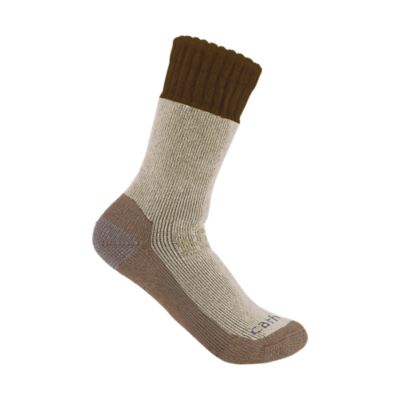
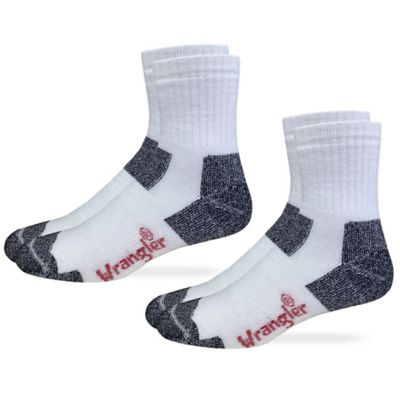
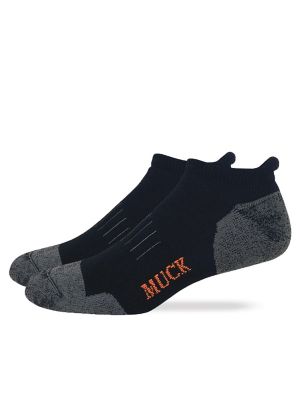
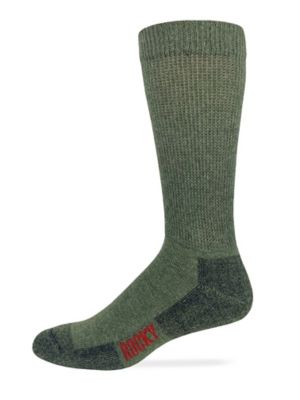
Moisture-wicking socks move sweat away from the skin and spread it through the fabric toward the outer surface, where it can evaporate. That moisture management helps feet feel drier during long stretches in boots, athletic shoes, or everyday footwear. It can also help limit the dampness that contributes to rubbing, though no sock can prevent every blister or replace a well-fitting shoe. For someone hauling feed, walking fence lines, or spending a shift on a concrete floor, that means less of the clingy, soggy feeling that can make the last few hours drag. The fiber blend plays a big part in how a sock handles sweat. Polyester and polypropylene absorb little moisture into the fibers and can move liquid through the spaces between them, depending on the yarn and knit construction. Nylon often adds strength in areas that see repeated rubbing, while spandex or elastane helps the sock stretch and recover its shape. Merino wool blends manage moisture differently: wool can absorb moisture vapor within its fibers, helping buffer that damp feeling next to the skin. Wool also naturally resists odor buildup, although regular washing still matters. Cotton feels soft, but it tends to hold absorbed moisture longer than many performance-oriented blends, so the full fabric makeup tells more than softness alone. No single fiber tells the whole story, either. Yarn structure, fabric thickness, and the way the sock is knitted all affect how moisture travels. A blend with a smooth inner surface and breathable knit panels may feel quite different from a thick, tightly knitted pair, even when the labels list similar fibers. Moisture-wicking performance also depends on the rest of the footwear: a sock inside a shoe with little ventilation has fewer opportunities to release moisture than one inside a more breathable shoe. These socks support everyday comfort, but they cannot make a foot completely sweat-free or keep outside water from entering footwear.
Fit makes just as much difference as fabric when feet stay busy. Moisture-wicking socks should sit close to the foot without bunching beneath the arch, sliding at the heel, or squeezing the toes together. A shaped heel pocket helps position the sock, while a stretch band through the midfoot can help hold the fabric in place. That band provides a snug feel rather than taking the place of supportive footwear. Smooth or low-profile toe seams reduce the raised fabric that can rub across toes, especially when walking downhill, kneeling beside equipment, or putting in repeated steps on a jobsite. Cushioning adds another choice within the category. Terry loops beneath the heel and ball of the foot give those high-contact areas a softer feel, while lighter cushioning leaves more room inside close-fitting footwear. Extra thickness is not always extra comfort; a heavily cushioned sock in an already snug boot can crowd the toes and increase pressure. A lighter sock in a roomy boot may leave enough movement for the heel to slip. The better match leaves room to wiggle the toes while keeping the heel settled as the foot bends. Sock height matters, too. Crew and taller lengths can place fabric between the leg and the upper edge of a work boot, while ankle and low-cut styles sit closer to the shoe opening. A cuff should stay in place without leaving a deep, uncomfortable mark around the leg. Size ranges deserve attention because two pairs marked with the same general size may fit differently according to their stretch and construction. Reinforced heels and toes add material where socks commonly wear thin, and closely knitted fabric can help stand up to repeated rubbing. For feet that spend hours carrying tools, climbing steps, or moving between the barn and shop, these small construction details can matter more than an extra-thick feel straight out of the package.
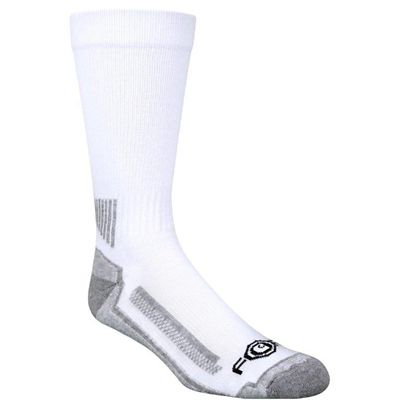
Moisture-wicking socks fit into plenty of routines beyond chores. Farmworkers, tradespeople, delivery drivers, hikers, and people who stand through long shifts all have reason to care about how their socks handle sweat and movement. Runners have similar needs, with repeated strides adding friction at the heel, toes, and forefoot. For that kind of activity,
Moisture Wicking Running Socks bring the focus to socks suited to time on the road, track, or trail. A secure heel, a smooth toe area, and cushioning that works with the running shoe can help keep fabric from becoming a distraction. For work and everyday wear, the same basic balance applies: enough coverage for the footwear, enough stretch for movement, and a fabric blend suited to the job. Socks also make a practical gift for someone whose days involve work boots, walking shoes, or regular workouts, especially when their shoe size and preferred sock height are known. Care has a direct effect on how long that comfortable fit lasts. The care label is the best starting point because wool blends, synthetic blends, and stretch yarns may have different washing and drying requirements. Turning socks inside out helps expose the areas that collect sweat and skin oils. Fabric softeners can leave residue that interferes with moisture movement, so they are often best left out when washing performance socks. Excessive dryer heat can affect stretch fibers and shrink some fabrics; air drying or a lower-heat setting may suit the care directions better. Letting socks dry fully between wears and rotating pairs gives each pair time out of the workday routine. Thinning under the heel, stretched cuffs, and seams that begin to rub are signs that a pair is losing its fit or coverage. Moisture-wicking socks work best as part of that everyday attention to feet and footwear, with comfort coming from the right combination of fabric, fit, construction, and care.