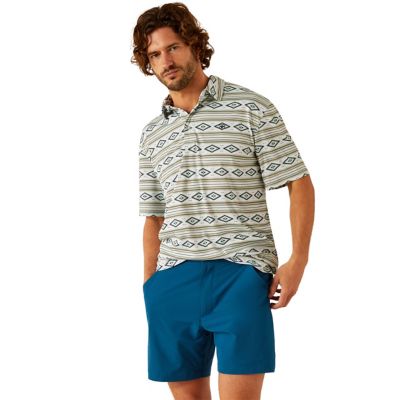
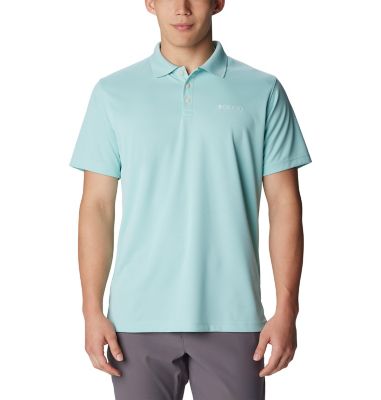
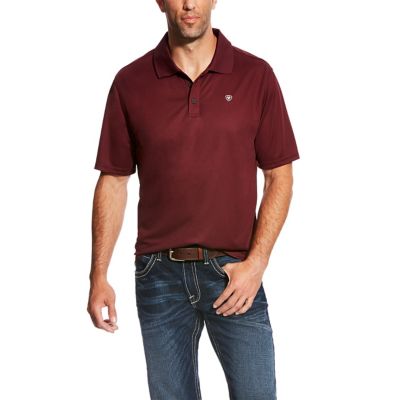
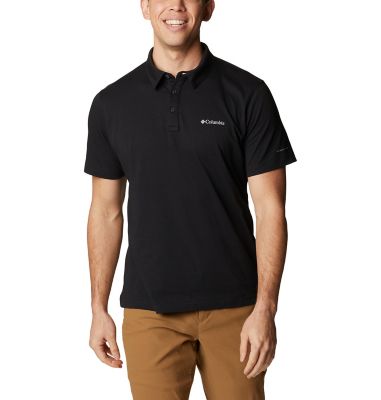
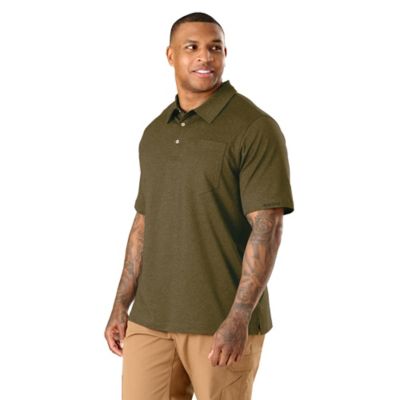
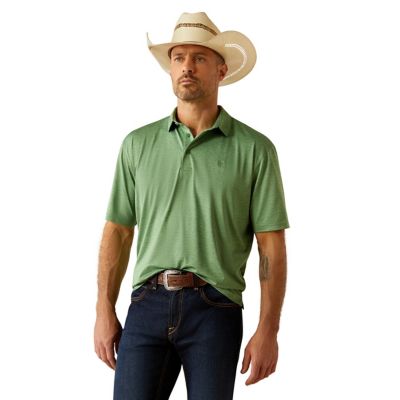
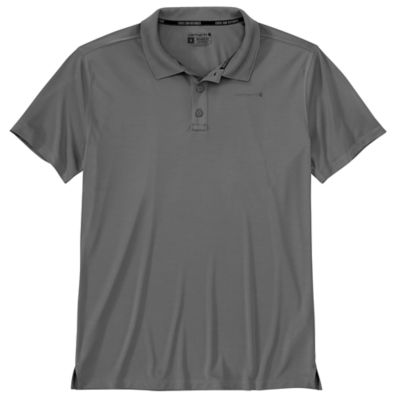
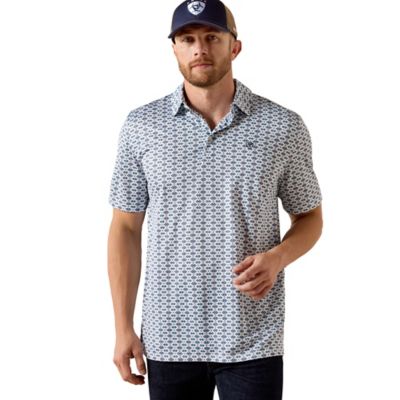
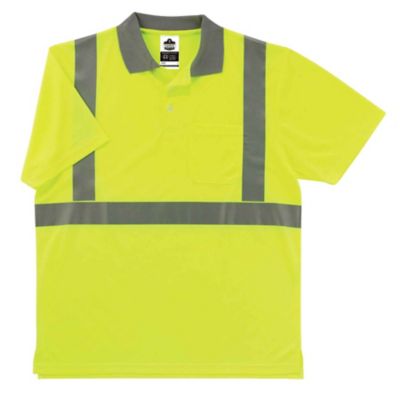
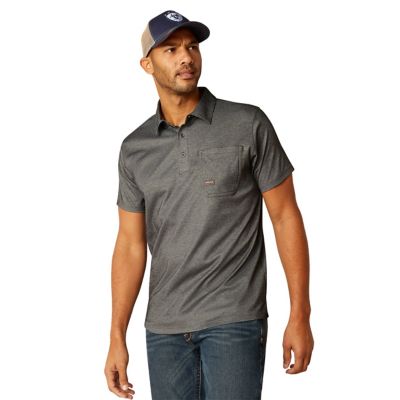
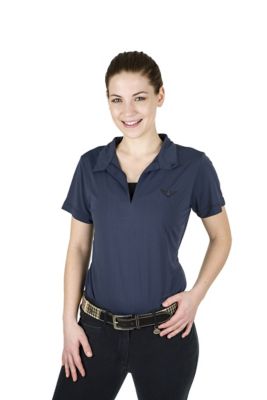
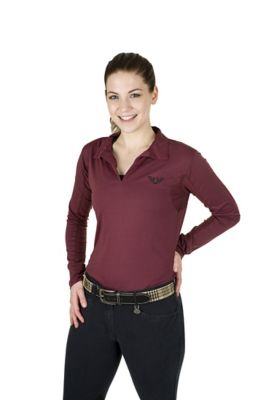
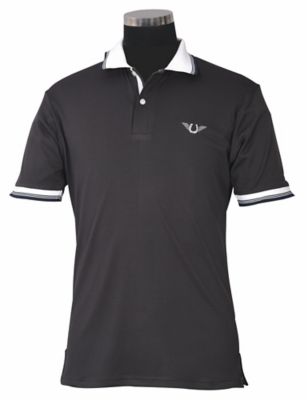
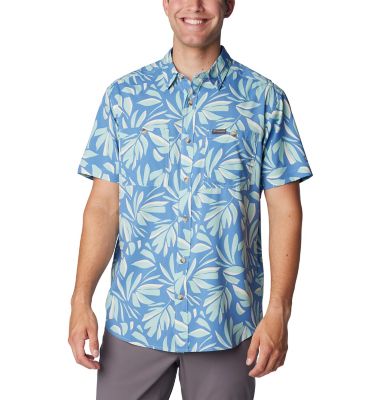
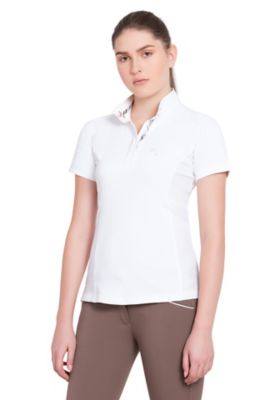
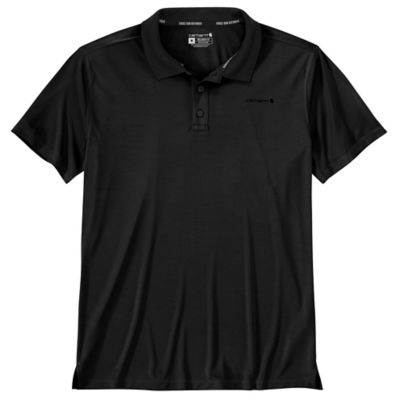
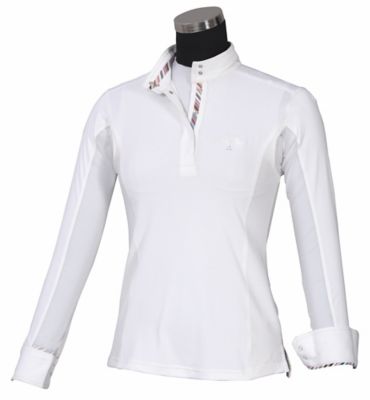
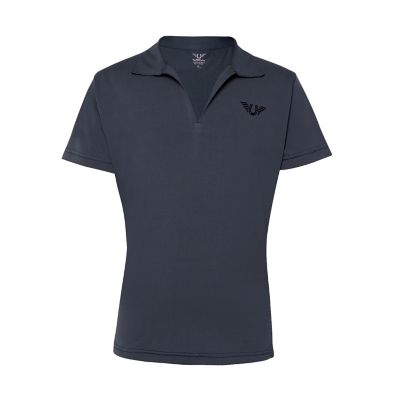
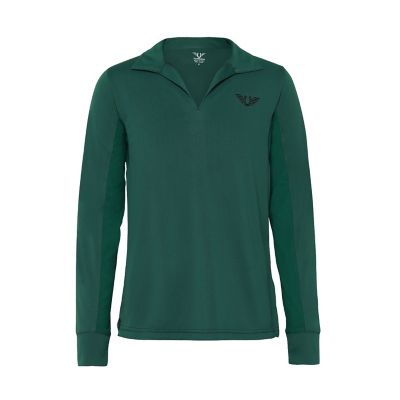
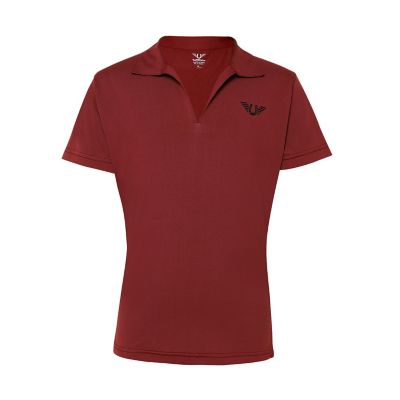
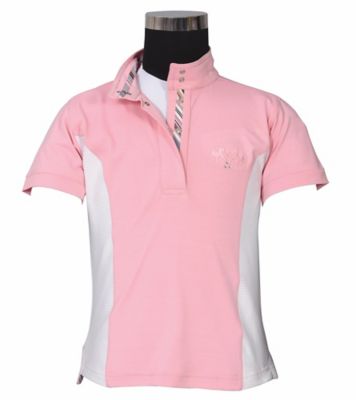
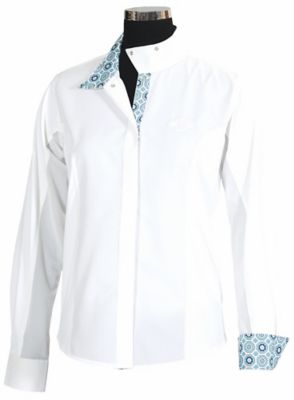
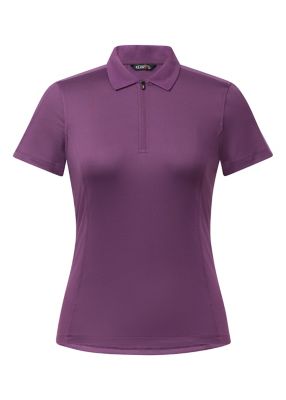
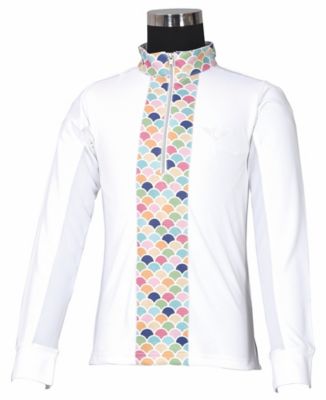
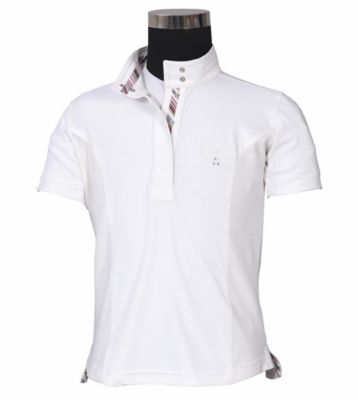
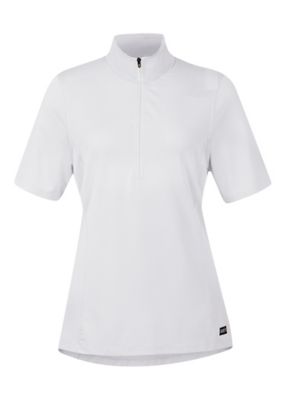
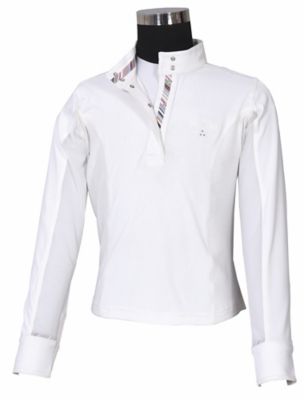
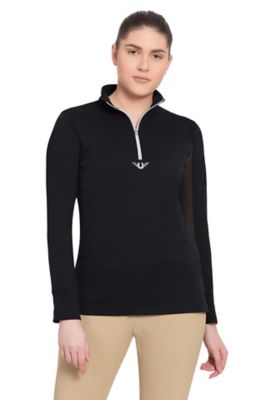
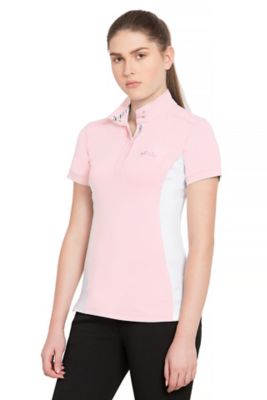
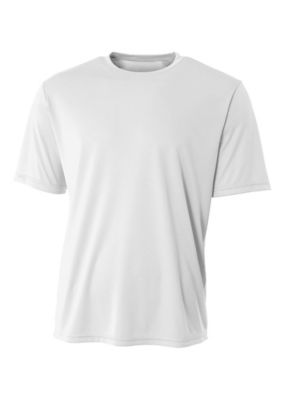
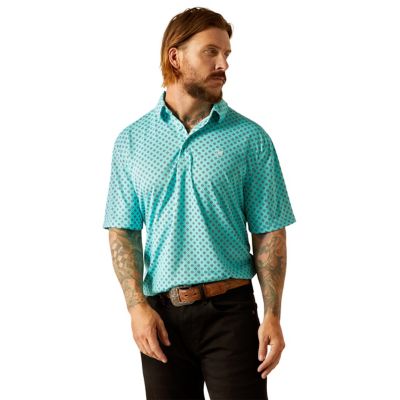
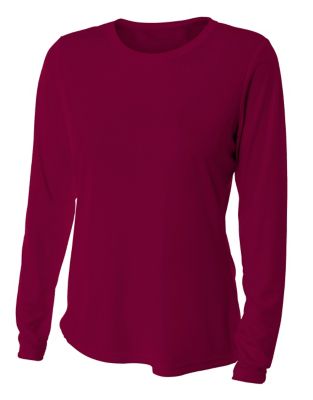
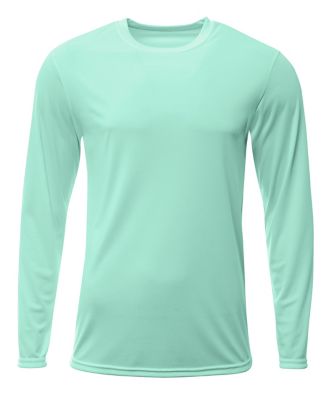
Moisture-wicking polo shirts move sweat away from the skin and spread it across the fabric’s outer surface, helping it evaporate so the shirt feels less damp during activity. That sweat-moving action makes a polo a practical pick for days that involve more than sitting at a desk. Think walking a property, carrying feed to the barn, making sales calls or heading straight from chores to a meal in town. The collar and button placket give the shirt a put-together look, while a performance knit allows the easy movement of an everyday tee. Polyester is common in moisture-wicking fabrics because it absorbs little water into the fiber itself, allowing a well-designed knit to move moisture along its surface. Nylon can bring a smooth feel and resistance to abrasion, while a small amount of spandex adds stretch for bending, reaching and driving. Blends with cotton may feel familiar and soft, though their moisture handling and drying speed depend on the fiber mix and fabric construction. A cotton-rich polo should not automatically be expected to perform like a shirt designed specifically to wick sweat. Moisture-wicking and quick-drying also describe different traits: one concerns how moisture travels through fabric, while the other concerns how readily that moisture dries. Many performance polos offer both, but the terms are not interchangeable. Lightweight, smooth knits often feel less substantial against the body, while textured piqué fabrics have a lightly raised surface and a more traditional polo appearance. Neither texture alone guarantees better sweat management. Fabric weight, knit structure and the amount of perspiration all influence how a shirt feels through a busy day. The appeal is straightforward: a collared shirt that can handle movement without feeling like dress clothes. For someone who splits time between a shop counter, a truck cab and hands-on work, that balance can make a moisture-wicking polo an easy part of the regular shirt rotation.
Fit matters just as much as fabric when a shirt needs to work through a full range of motion. A polo should leave enough room across the chest and upper back to reach a shelf or lift a bag without pulling hard at the armholes. Shoulder seams that sit near the shoulder edge usually give a familiar fit, while raglan sleeves change where the seams fall and may feel less restrictive for some wearers. Stretch can help, but it does not make up for a shirt that is too tight. A close athletic cut may suit someone who prefers less extra fabric, while a relaxed cut gives more space through the middle and can be easier to wear tucked in. A useful fit check is reaching forward as though gripping a steering wheel, then raising both arms to see whether the hem climbs farther than expected. Shirt length deserves attention, too. A longer hem helps a tucked shirt stay put while bending, and a shorter, even hem can look tidy worn loose. Side vents add room around the hips, especially when sitting or stepping up into a pickup. Sleeve openings should allow movement without pinching, and the collar should sit comfortably rather than crowding the neck. Small construction details can make a noticeable difference over repeated wears: smooth seams, a neatly finished placket, secure buttons and a collar that keeps its shape all contribute to everyday comfort. Pocket placement comes down to routine. A chest pocket can keep a pen handy, while a pocket-free front gives a cleaner look and avoids extra fabric in that spot. For golf, walking or a job that involves frequent reaching, unrestricted shoulder movement is especially helpful. For customer-facing work, an even drape and a collar that lies flat may matter more. The best match is a polo that suits the actual day's tasks, not just a size printed on a tag.
Keeping moisture-wicking polo shirts in good shape starts with the care label, since fiber blends, finishes and trim can call for different treatment. Many performance knits can go through an ordinary machine-wash routine, but wash temperature and drying instructions vary. Fabric softener and dryer sheets can leave residue that interferes with moisture movement, so leaving them out is often a sensible choice for performance clothing. The recommended amount of detergent helps shirts rinse clean; adding extra does not necessarily make sweaty clothing cleaner. Turning a polo inside out can limit rubbing on the outer surface, and fastening zippers on other garments helps reduce snagging in a mixed load. Rough hook-and-loop fasteners, exposed hardware and heavily soiled work clothes are worth keeping separate from finer knits. Sweat marks and collar soil are easier to manage when they receive attention before repeated drying sets them in. Air-drying or a low dryer setting may suit some fabrics, but the garment's own directions should settle that choice. High dryer heat and a hot iron can harm certain stretch fibers or finishes. After washing, straightening the placket and smoothing the collar can help the shirt dry with a neater shape. Everyday wear also takes a toll, particularly where fabric rubs against a belt, seat belt or work surface. A tighter knit and well-finished seams can help a polo hold up, though lightweight performance fabric still needs care around rough lumber and wire. These shirts make sense for anyone who likes the comfort of a tee but needs a collar for work, recreation or getting together with friends. They can also make a practical gift when the recipient's size, preferred fit and usual activities are known. For a broader shirt rotation beyond the polo collar,
Men's Moisture Wicking Shirts offers another place to explore. A comfortable fit, suitable fabric and manageable care routine help make a polo a shirt that gets reached for often.