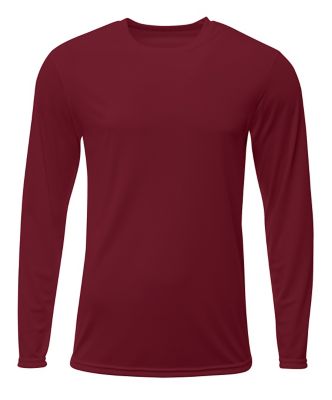
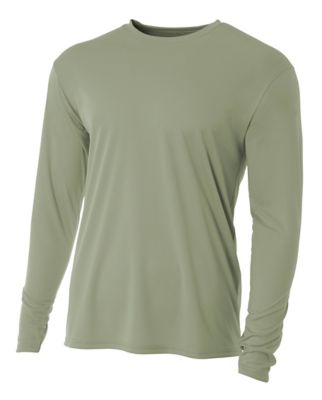
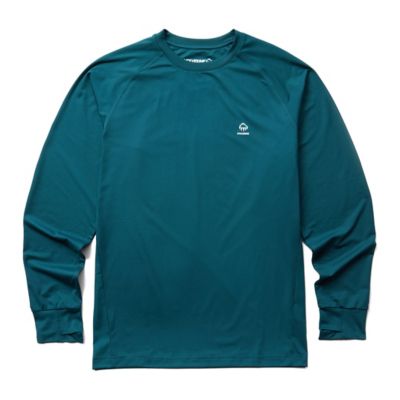
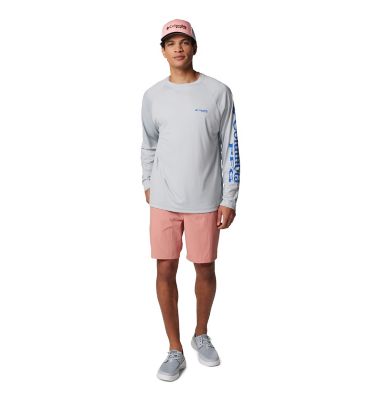
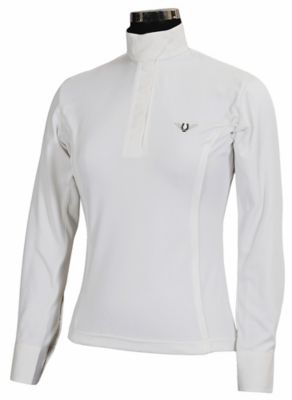
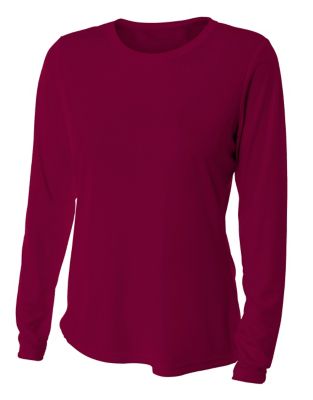
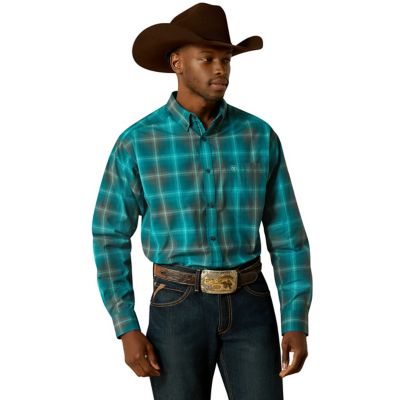
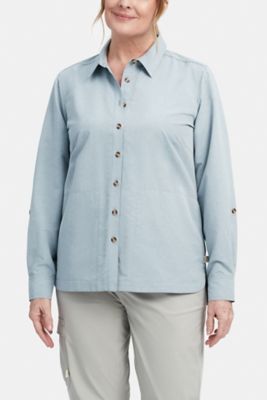
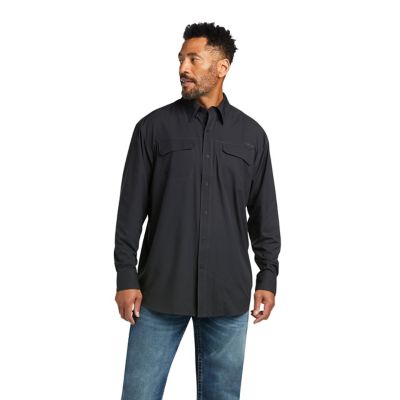
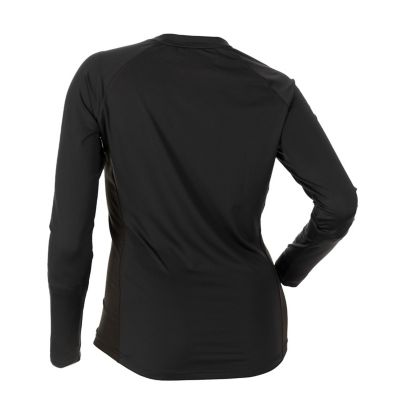
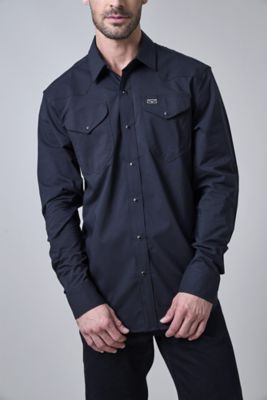
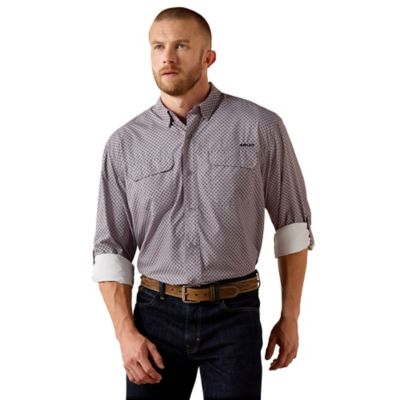
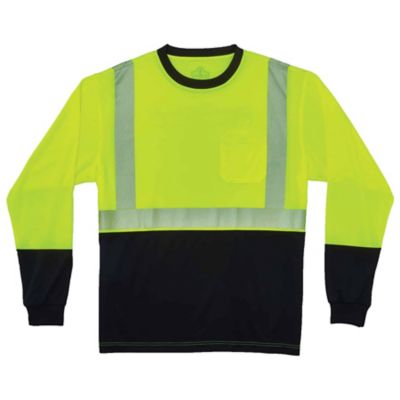
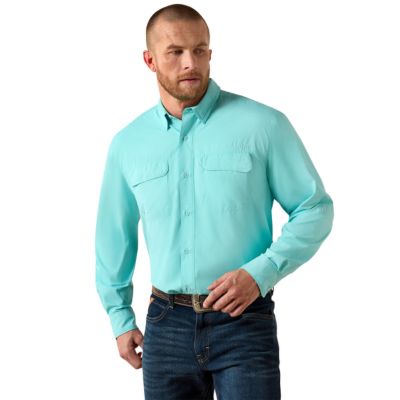
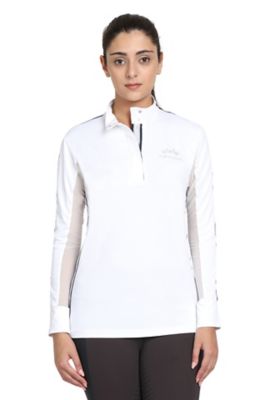
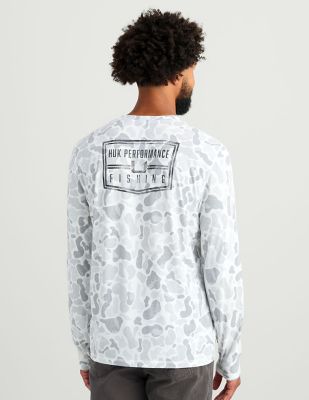
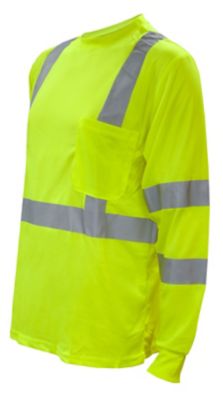
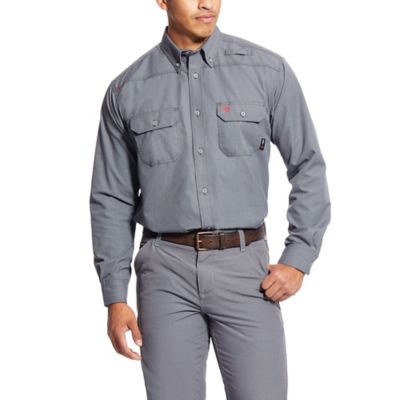
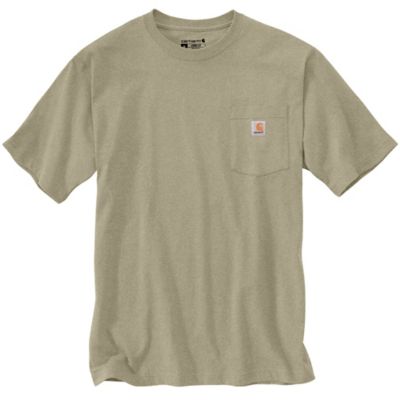
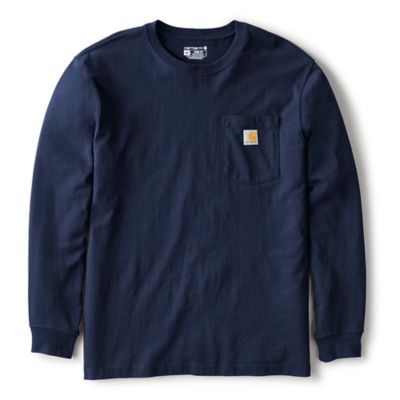
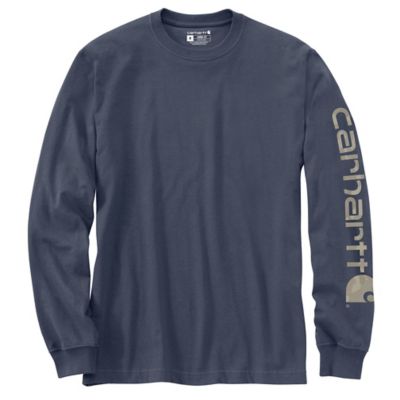
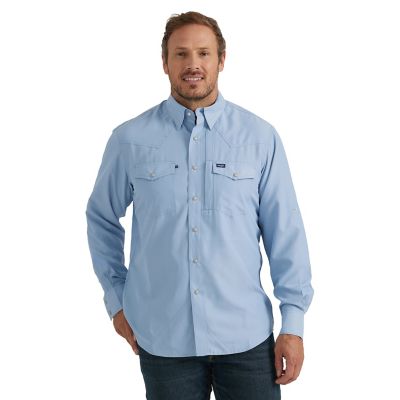
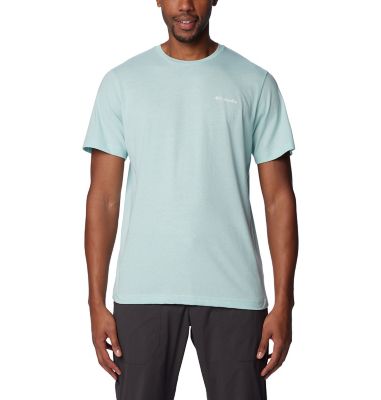
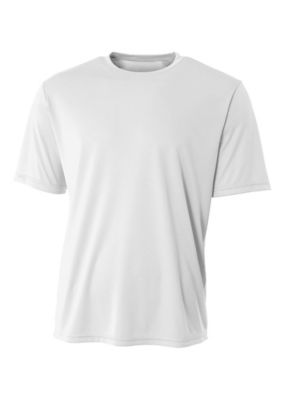
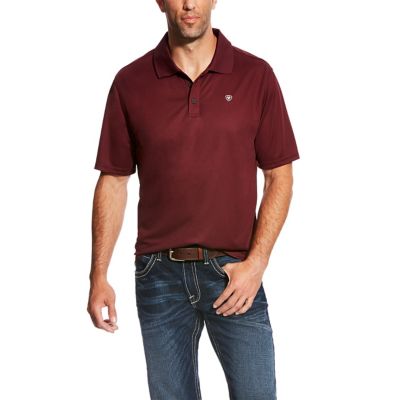
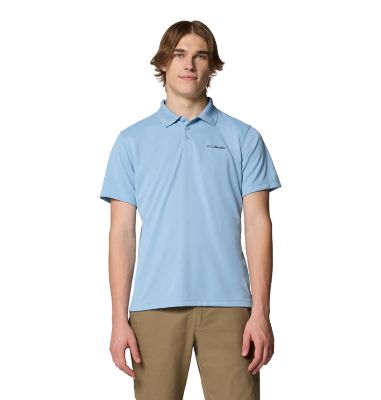
Long-sleeve moisture-wicking shirts move sweat away from your skin and spread it across the fabric’s outer surface, where it can evaporate. That helps cut down on the damp, clingy feeling across your back after hauling feed or unloading a trailer. The long sleeves give you arm coverage without having to add another layer just for the sleeves, and the shirt can sit next to your skin under a vest or work shirt. Wicking isn’t the same as breathability or quick drying. Wicking is how moisture moves through the fabric, breathability is how easily air passes through it, and drying time is how long the fabric stays damp. A shirt can move sweat off your skin and still take a while to dry, especially where a backpack strap or another layer covers it. Polyester is common in these shirts because it absorbs little water and generally dries faster than a comparable all-cotton knit. Nylon blends can offer a smooth feel, and a bit of spandex can help the shirt stretch when you reach without leaving the elbows bagged out. Cotton blends can have the familiar feel of an everyday tee, though a blend with more cotton may hold on to moisture longer. Merino wool blends manage moisture differently from many synthetics: The fibers can take up some moisture before the fabric feels damp to the touch. The knit matters along with the fiber blend. A lighter, more open knit can let more air through, while a tighter knit can make sense for work that puts sleeves in regular contact with rough boards or brush. Some shirts have mesh panels where sweat tends to collect, such as along the upper back or under the arms. On a shirt that spends much of the day under bib straps or a vest, the feel of the fabric and the placement of the seams can matter as much as how much air the knit lets through.
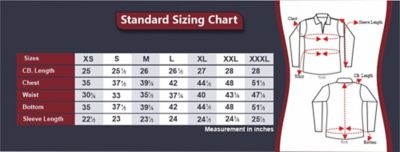
Fit shows up in little ways over the course of a day. A shirt that feels fine standing still can pull across the shoulders when you reach up to slide a barn door open, or ride up in back when you bend for a bucket. A closer fit keeps more of the fabric in contact with your skin, where it can pick up sweat, and lies flat under other clothes. It doesn’t have to fit like a compression shirt to wick. A regular fit leaves room through the chest and middle, which can feel better when you’re twisting to set a sack down or reaching across a workbench. Look for enough room to make those motions without the neckline tugging or the fabric binding under your arms. Sleeve length makes a difference, too. Cuffs that land at the wrist with your arms down shouldn’t pull halfway up your forearms every time you reach. A close cuff can stay out of the way when you pull on gloves, while a stretch cuff is easier to push up and keep there for a quick wash at the sink. A longer back hem can help the shirt stay tucked when you squat or climb in and out of a truck. Flat seams can feel smoother where bib straps or a pack presses against the shoulder, and an underarm panel can give you more reach without pulling the whole shirt along with your arm. For runs, gym sessions and other steady exercise,
Moisture Wicking Workout Shirts offer another place to look for cuts that leave room for repeated motion. For a shirt that goes from chores to errands, a straight cut and a simple crew neck can feel more like a familiar long-sleeve tee.
How well a shirt holds up depends in part on what it rubs against and how often it goes through the wash. The forearms of a shirt worn to stack firewood are going to see more abrasion than those of a shirt worn for walking laps. A tighter knit can be less prone to snagging than an open mesh, and cuffs that spring back after being pushed up are more likely to stay put through repeated wear. Stitching matters where the fabric gets pulled most, especially around the cuffs and under the arms. At home, follow the care label for washing and drying, since a stretchy synthetic blend and a wool blend may call for different handling. Skip fabric softener if the label advises against it. Softeners can leave a coating that interferes with how some fabrics take up and spread moisture. Wash knits away from open hook-and-loop closures or rough hardware that can catch a thread. Turning the shirt inside out can help cut down on rubbing across the face of the fabric in the wash. If you’re picking one out as a gift for someone who works on a farm crew, spends a lot of time on the trail or heads to the gym after work, think about the shirts that person already reaches for. Someone who likes a loose work tee may prefer a regular cut to a snug training fit. For someone with long arms, sleeve measurements can tell you more than the size on the tag alone. The same everyday details matter when you’re choosing for yourself: enough reach to grab the top gate latch, a hem that covers your back when you lean into a feed bin, and fabric that doesn’t stay plastered between your shoulder blades after the heavy lifting is done.