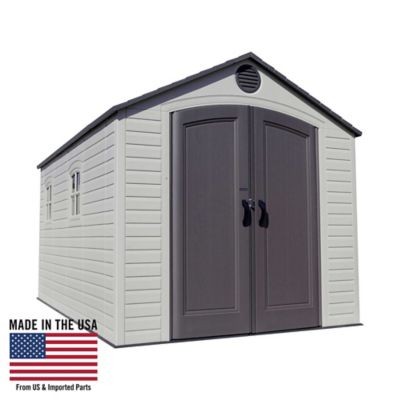
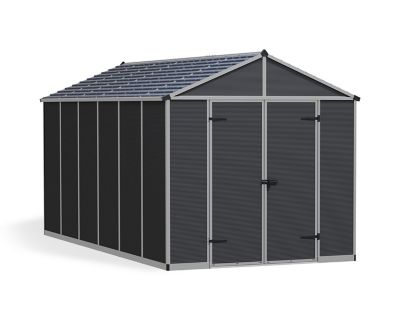
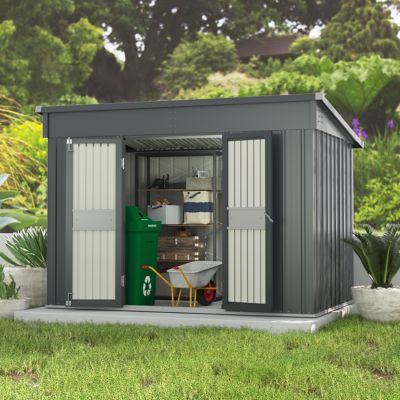
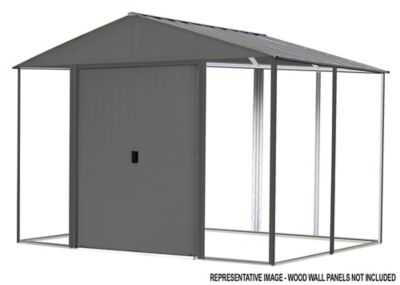
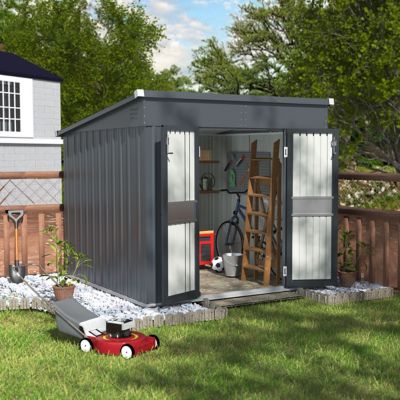
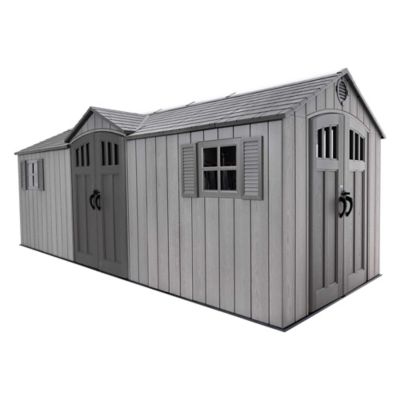
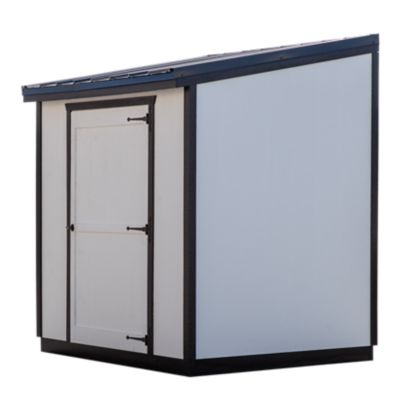
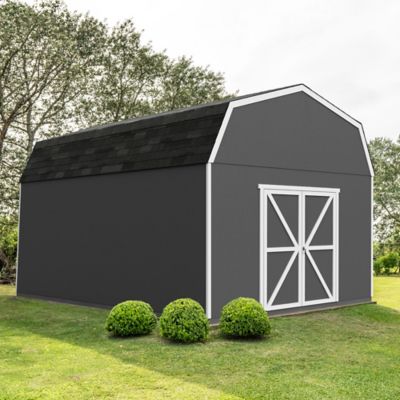
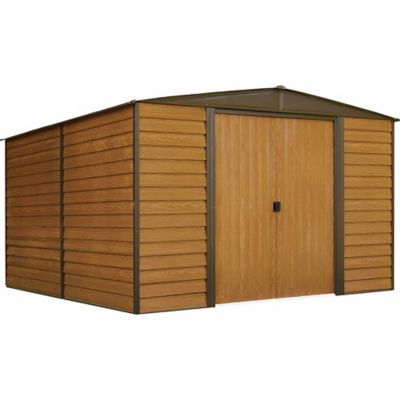
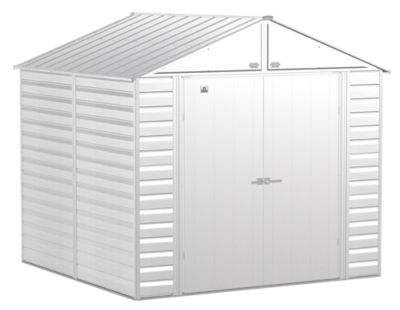
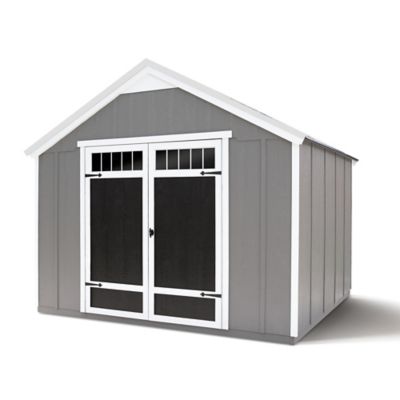
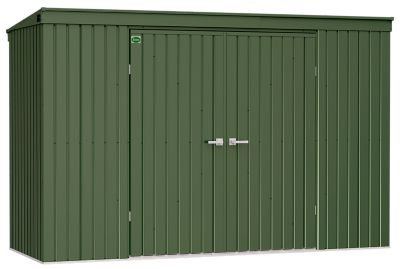
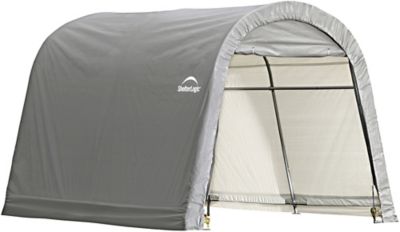
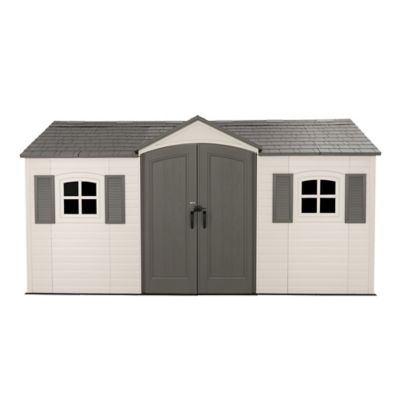
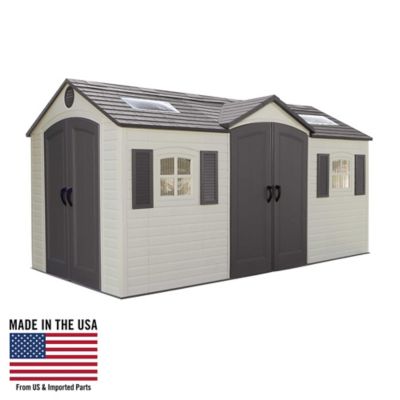
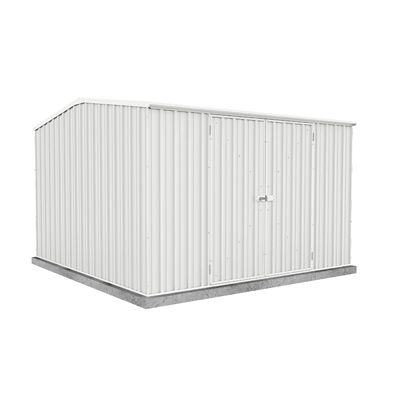
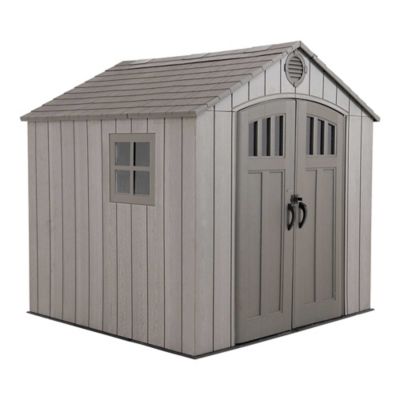
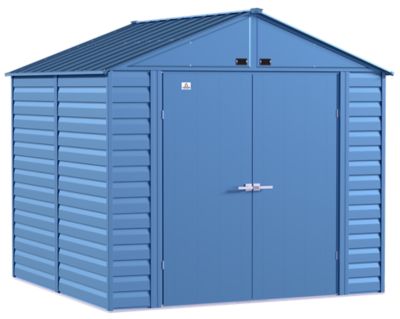
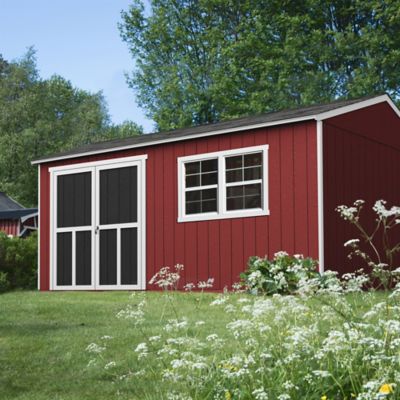
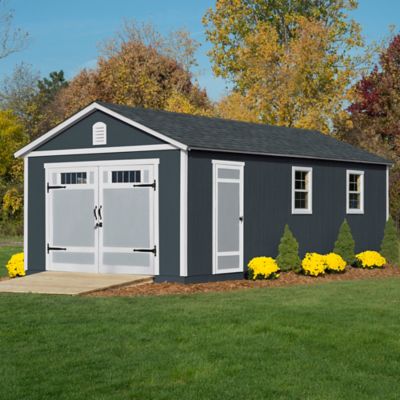
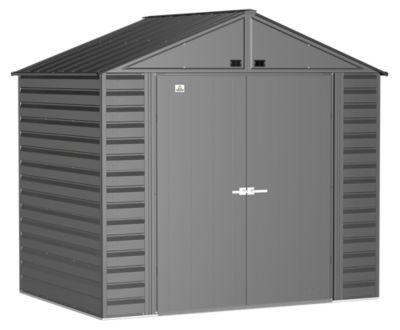
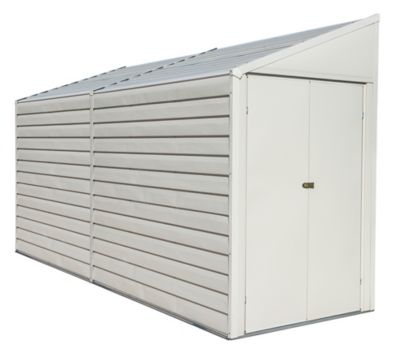
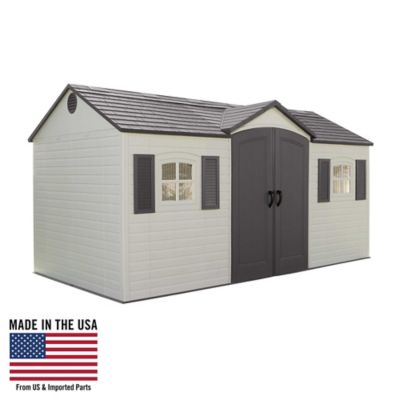
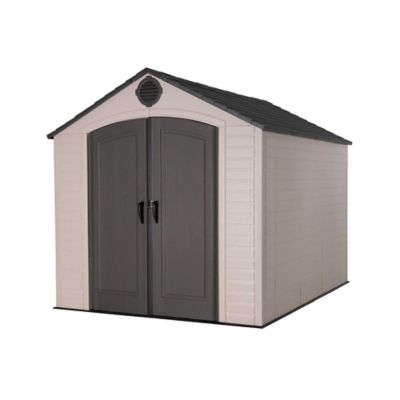
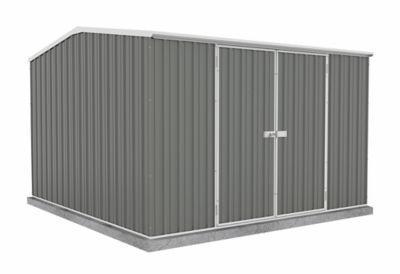
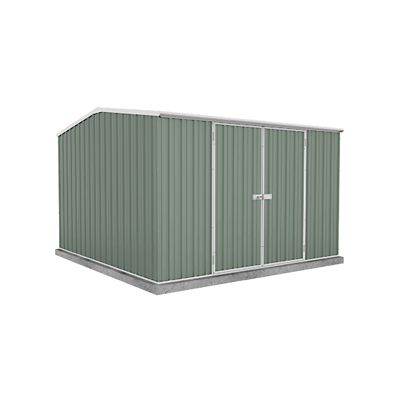
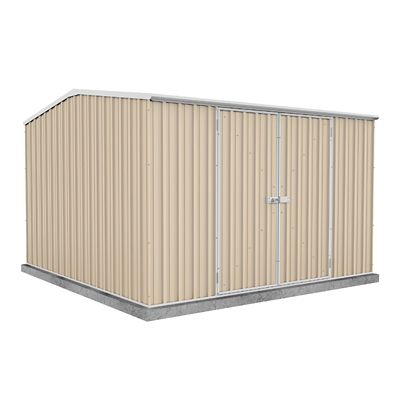
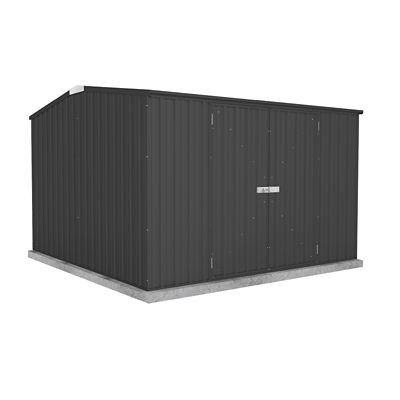
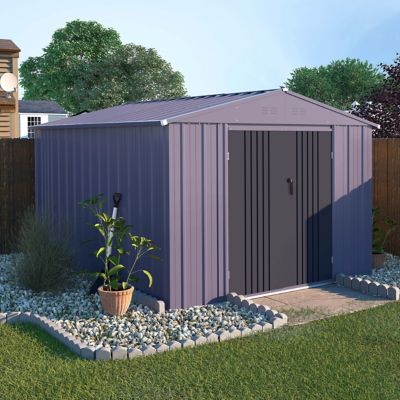
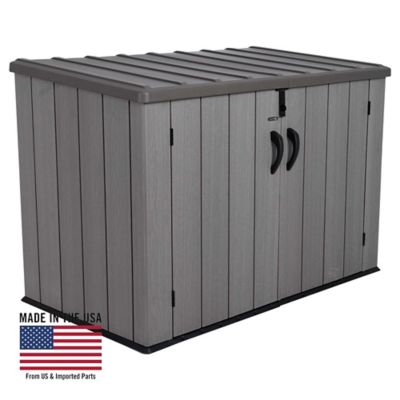
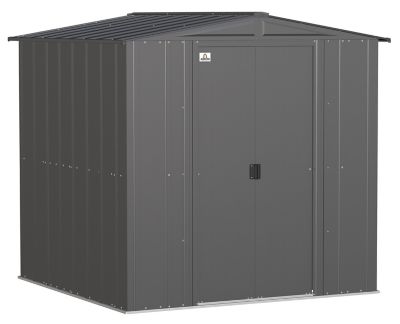
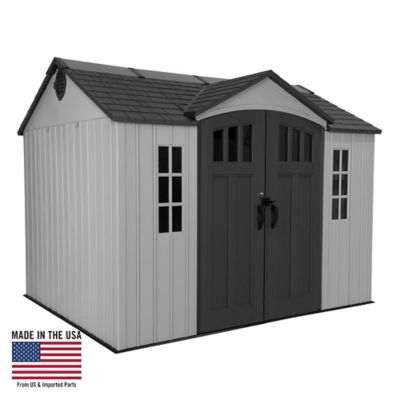
Tall sheds make it easier to put unused air space to work, especially when the ground around your home, barn, garage or workshop is already spoken for. A narrow vertical storage cabinet can tuck along a patio, beside a fence or near the back door while keeping rakes, shovels, brooms, garden hoses and long-handled tools upright and easy to grab. Larger tall sheds offer enough room for shelving, bicycles, lawn equipment, feed bins, work tables and seasonal household items, while barn-style or two-story designs can add loft storage for bulky gear that does not need to be reached every day. That extra height is useful on a working property where ladders, fence posts, kayaks, carts and other awkward items are part of the routine. It also helps keep muddy boots, potting supplies and outdoor toys out of the main house. During the cooler months, a tall shed can give you a dry place to store patio furniture, firewood tools, livestock supplies and equipment that needs protection from wet weather. When warmer weather returns, the same space can serve as a potting area, a spot for lawn care supplies or a handy staging area for garden projects. Before choosing among tall sheds, look closely at both the footprint and the usable interior clearance. A roof peak may look impressive from the outside, but the wall height tells you more about whether you can stand comfortably, install shelves or store tall equipment along the sides. Measure the tallest items you plan to keep inside, then allow room to move them through the door and around stored supplies. Door width, door height and placement matter just as much as the shed’s overall dimensions; a riding mower, wheelbarrow or large trash bin is not much help if it cannot pass through the opening without a fight. Double doors, ramps, windows and vents can make a busy storage shed easier to use, while lockable hardware can add peace of mind when tools or outdoor equipment are kept away from the house.
The right material depends on the work you expect the shed to handle and the amount of upkeep you want to take on. Resin and other plastic-style construction is often a practical fit for compact storage because it resists rot, handles damp conditions and generally needs little more than an occasional wash. It works well for garden tools, cushions, hoses and household overflow where a clean, low-maintenance storage spot matters most. Metal sheds can provide a sturdy home for tools and equipment, though they may need careful placement and ventilation to help manage heat and condensation. Wood sheds bring a familiar country look and can be finished, painted or outfitted with shelves and hooks to suit a workshop, garden room or farm utility space. Cedar and treated wood components can offer durability and a solid feel, but wood storage buildings typically benefit from regular attention to paint, stain, fasteners and areas where water may collect. For any tall shed, the roof design deserves a close look. A peaked roof sheds rain and snow more readily than a flat top and creates additional overhead room, while a
Gable Roof Sheds style can complement traditional homes, barns and outbuildings. Loft-ready layouts are especially helpful when you need to separate rarely used items from everyday tools; holiday decorations, spare fencing supplies and empty feed containers can go overhead while boots, seed and hand tools stay within easy reach below. Shelving, pegboards, wall hooks and ceiling storage can turn a tall shed into an orderly work space, but leave enough clearance for doors, windows and equipment handles. Good airflow is important as well. Vents or operable windows can help reduce stale air and moisture, particularly when wet coats, muddy tools or damp garden gear come inside.
A solid foundation is one of the most important parts of a successful tall-shed setup. The base should be level, well-drained and strong enough to support the building and everything stored in it. Depending on the shed and the site, that may mean a compacted gravel pad, concrete blocks, pressure-treated runners or a poured concrete slab. A tall structure placed on soft, uneven ground can shift over time, leaving doors out of alignment and putting stress on the walls, roof and floor. Clear brush and low branches from the building area, and leave enough space around the sides for maintenance, drainage and safe access. Check local rules before installation, since permits, setbacks, anchoring and foundation requirements can vary by location and by shed size. Anchoring is particularly important in open country, exposed yards and areas that see strong winds. Think about the daily path to the shed, too: a location near the garden may be perfect for soil and tools, while a spot closer to the driveway may better serve a mower, utility cart or bulkier equipment. Tall sheds are useful for homeowners, gardeners, small-acreage landowners, hunters, hobbyists and anyone who has outgrown a crowded garage. They can also be a thoughtful practical gift for someone settling into a new home, starting a garden, caring for animals or building a workshop, since dependable storage keeps useful gear protected and ready for the next job. With the right height, materials, foundation and layout, a tall shed adds more than extra square footage—it creates a dedicated place for the everyday tools and seasonal equipment that help keep a property running.