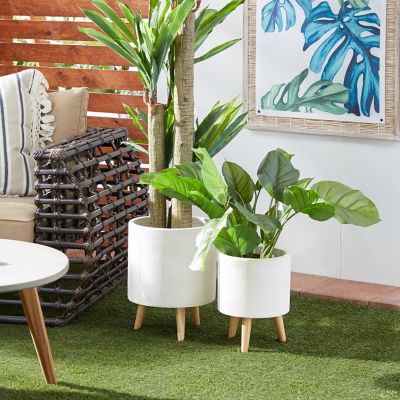
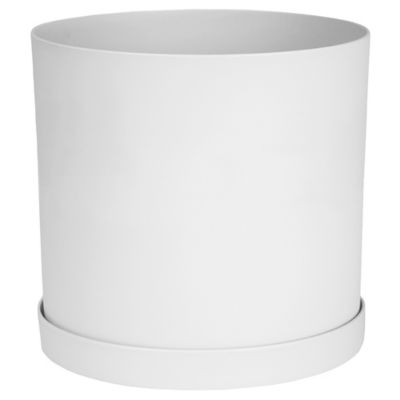
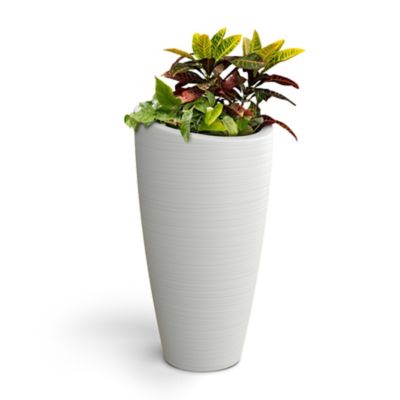
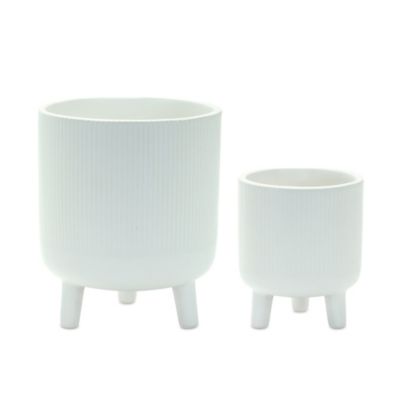
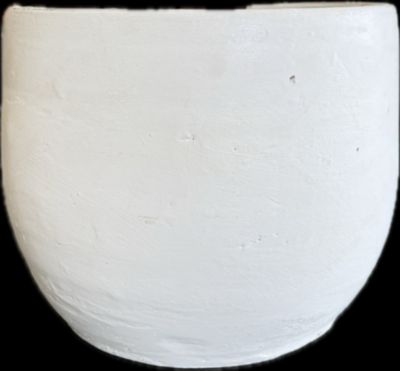
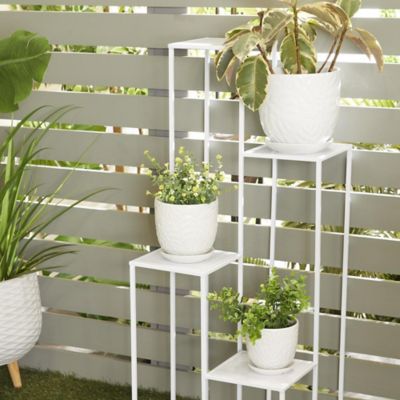
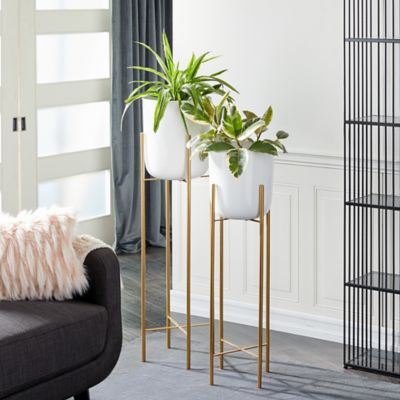
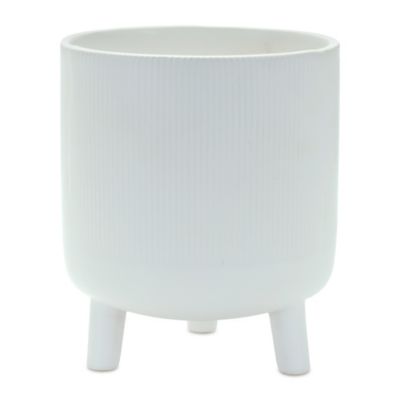
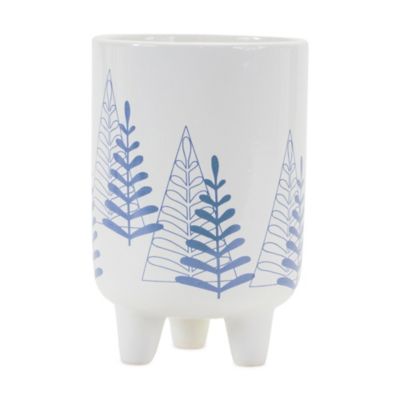
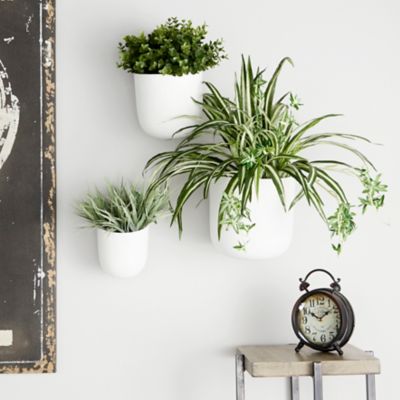
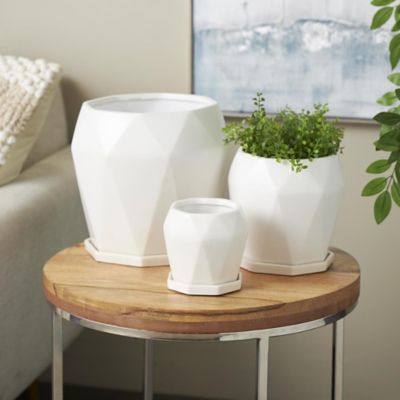
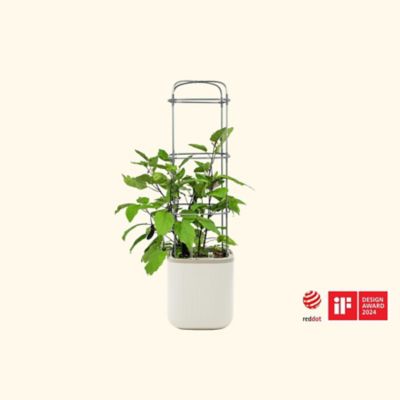
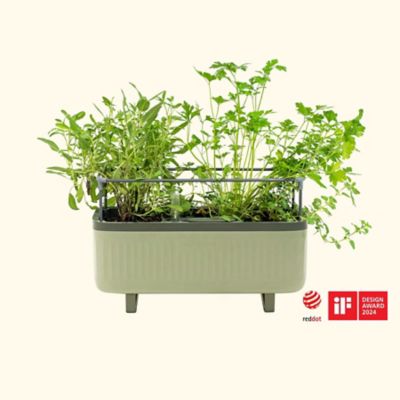
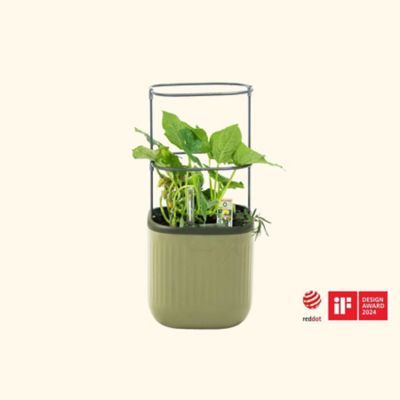
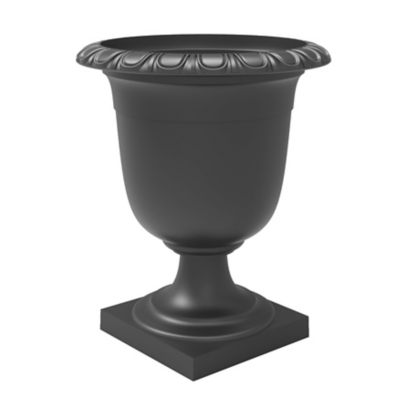
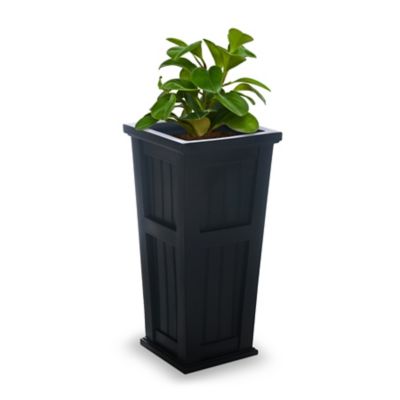
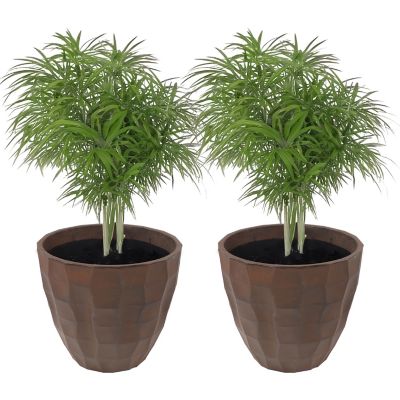
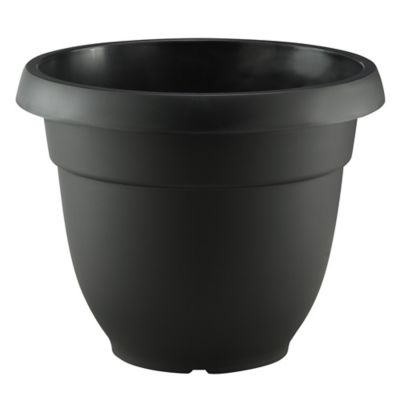
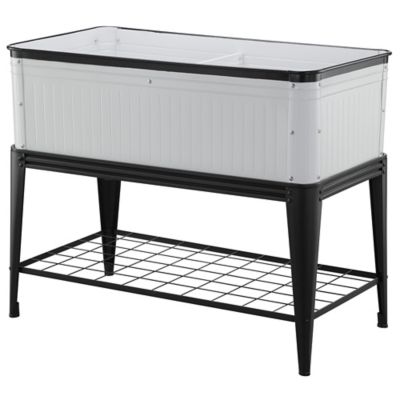
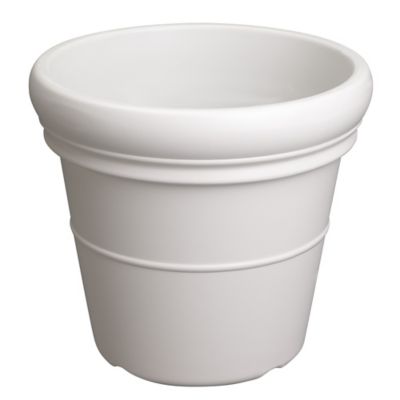
Contemporary white plant pots combine clean lines, simple shapes, and neutral finishes that let foliage and flowers take center stage. Their uncluttered look fits comfortably in a modern home, a country kitchen, or a front entry where a little greenery makes the space feel more welcoming. A smooth cylinder has a straightforward profile, while a tapered pot narrows toward the base for a lighter look. Rounded bowls suit low-growing plants, and tall, upright planters give trailing vines room to spill over the edge. Square and rectangular shapes work well alongside straight porch rails, wide steps, and window ledges, provided the base has enough support. White also gives different plants a common backdrop: broad, dark leaves stand out sharply, fine fern fronds look airy, and flowering plants bring their own color without competing with a busy pattern. The finish makes a difference, too. Glossy white reflects light and has a crisp appearance, while matte white looks softer beside wood furniture, woven baskets, or a brick wall. Ribbed sides, shallow grooves, and subtle surface texture add interest without taking attention away from the plant. White shades can range from bright and cool to creamy and warm, so a group of pots can either match closely or share a relaxed, slightly varied look. Repeating one shape in several sizes brings order to a collection of houseplants without making every planting look alike. A single larger pot can anchor an empty corner, while smaller white pots fit beside a kitchen sink or on a sturdy shelf with suitable light. Scale matters as much as style: a broad plant generally needs a base that looks and feels steady, and a small cutting can get lost in an oversized container. The appeal of contemporary white planters is that they provide a simple setting for everything from a familiar pothos to a carefully tended flowering plant.
Materials influence a pot’s weight, surface feel, upkeep, and suitability for a particular spot. Glazed ceramic offers a solid feel and a finished surface that generally wipes clean, making it a natural fit for indoor plant displays. Ceramic can chip or crack if it takes a hard knock, so a busy walkway or the edge of a narrow table may not be its best home. White plastic and resin pots are often lighter to lift, which can help when a plant needs to move for watering or floor cleaning. Their construction varies, and wall thickness, base design, and the weight of the planting all affect how steady they feel. Fiberglass and other composite containers can provide a substantial-looking shape without the weight of some solid mineral materials. Concrete brings more heft and a grounded appearance, though moving a filled concrete planter may take some planning. Porous surfaces can absorb moisture or show marks, while sealed finishes have their own care requirements. Metal containers may have a painted or coated white finish, with liners helping keep damp potting mix separate from the outer shell. Across these materials, drainage is one of the most important differences. A planting pot with drainage holes allows excess water to leave the root area; a solid-bottom outer pot holds a separate grow pot and keeps the display tidy. That outer container still needs attention, since water left inside can keep roots sitting in moisture. A removable inner pot makes it easier to water at a sink, let excess water drain, and return the plant to its place. Saucers and liners help protect furniture and floors, but their fit matters: a shallow tray that barely reaches past the base may not catch much runoff. For outdoor placement, the container’s stated intended use is a better starting point than appearance alone. A white finish does not, by itself, tell how a planter is built or where it belongs.
A good fit starts inside the pot, where the root ball needs room without being surrounded by far more damp mix than the plant can draw from. For many houseplants ready for a larger container, a pot roughly one to two inches wider than the previous one is a common starting point, though plant type and root growth still matter. Interior measurements deserve a close look, especially with thick walls, tapered sides, or a narrow opening. A nursery pot that matches the outer pot’s listed width may not slide all the way down inside it. Depth matters as well: shallow-rooted plants and deep-rooted plants do not always suit the same container, even when their leaves look similar in size. At home, the practical details show up quickly. A broad base helps a tall plant stand steady, a smooth rim is easier to wipe after watering, and enough clearance beneath a grow pot makes it simpler to lift out. Felt pads or a protective mat can help keep a planter base from marking a finished surface, although they do not replace a tray that catches water. White surfaces may show soil smudges, mineral deposits, and leaf debris more plainly than darker finishes, making gentle, regular cleaning worthwhile. A soft cloth and a cleaner suited to the material are generally a better match than abrasive scrubbing. Around children and pets, placement, tipping risk, and the plant’s safety deserve equal attention. For porch and entry arrangements,
Modern Outdoor Flower Pots offer another way to carry clean-lined planting styles beyond the house. A contemporary white plant pot can also make a thoughtful housewarming gift for someone setting up a first apartment, settling into a farmhouse, or brightening a home office. Paired with a plant suited to the recipient’s space and routine, it is a useful gift with room to grow.