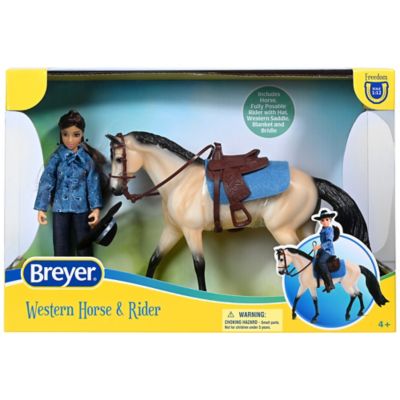
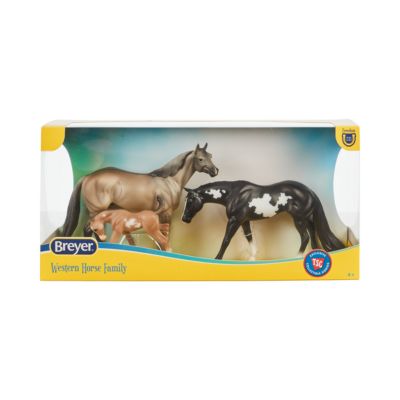
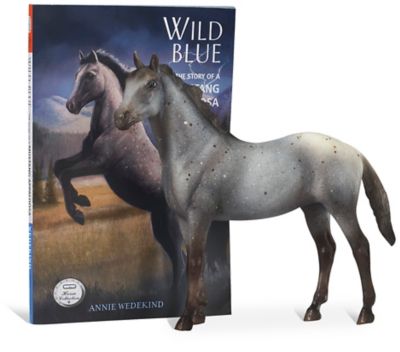
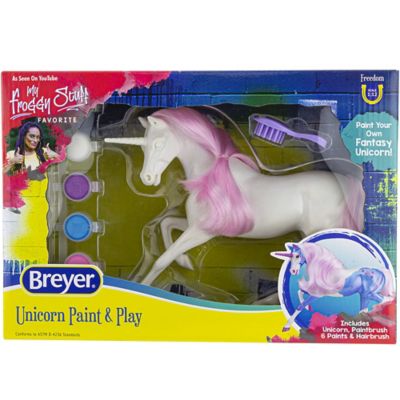
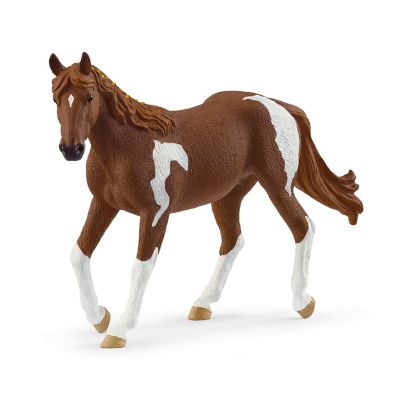
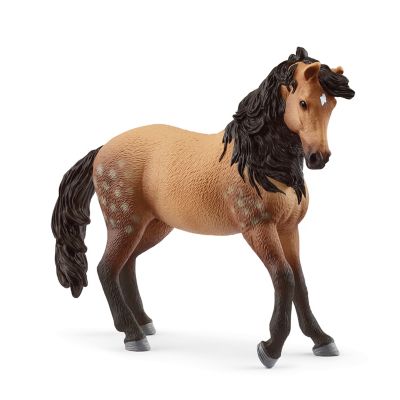
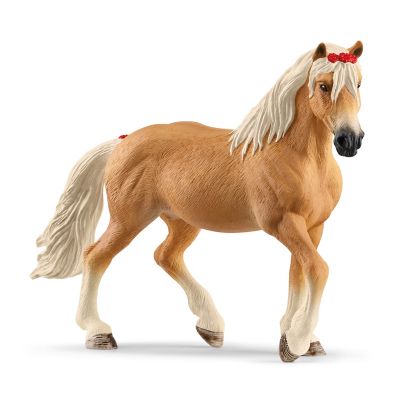
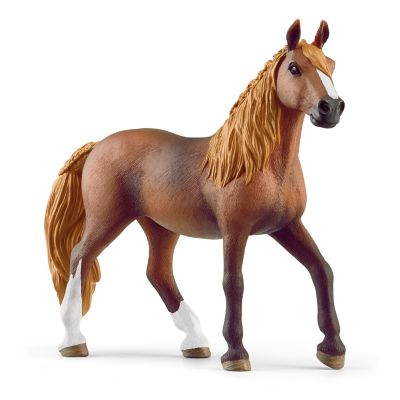
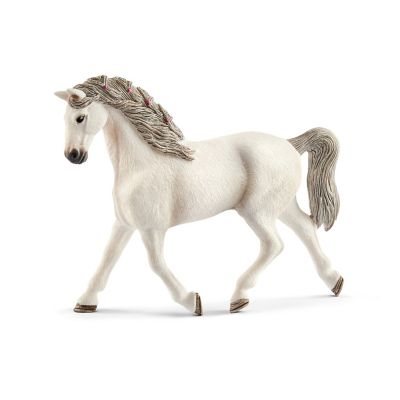
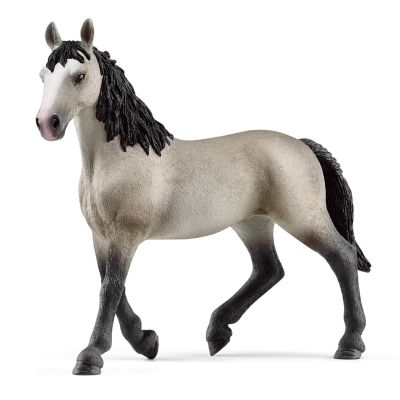
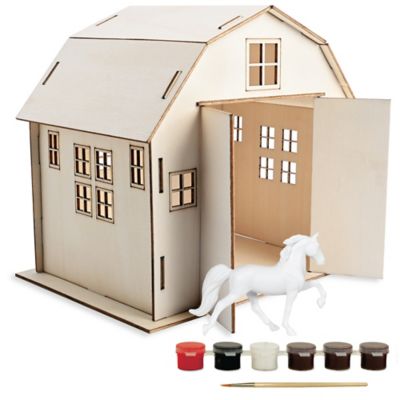
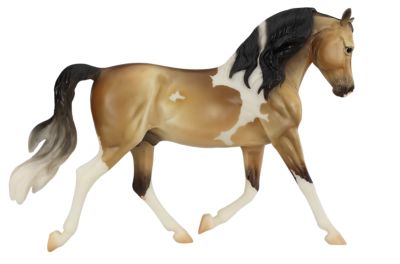
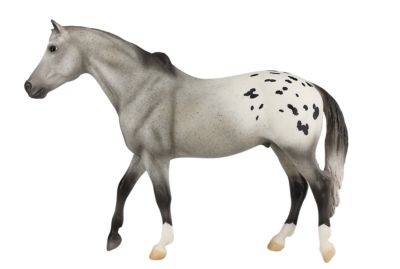
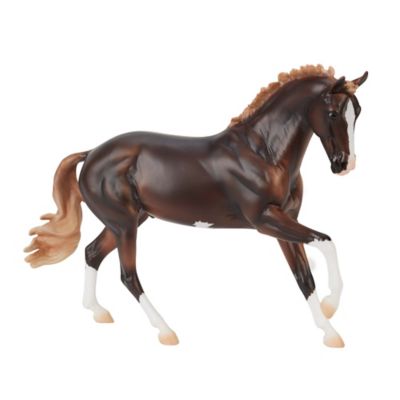
A 1:12 scale model horse brings the look of a full-size horse down to a size that fits comfortably on a shelf, a tabletop stable, or a play space. At this scale, one inch on the model represents 12 inches on the real horse. That makes the proportions easier to picture: a horse standing 60 inches at the withers would measure about five inches from the ground to the top of the shoulders in miniature. Its head, ears, and pose can add to the overall height, so the listed dimensions still matter when choosing a place for it. For folks who spend time around horses, the appeal often starts with familiar details—a broad chest, a neatly shaped mane, feathering around the lower legs, or the set of the ears. For someone just getting interested in horses, those same details offer a closer look at how breeds and body types differ. A stocky draft horse and a lean riding horse may share a scale without sharing the same height, length, or build. Standing, walking, and running poses also create different footprints, especially when a tail extends behind the body or a leg reaches forward. Coat colors and markings add another layer of interest, from dark points on a bay to patches on a pinto. Those details can give a small display the feel of a familiar barnyard without needing much room. Model horses can also support make-believe chores, pretend horse shows, and conversations about feeding, grooming, and life around the barn, provided the figures are intended for the child’s age and type of play. The 1:12 size offers room for visible features while remaining manageable for a modest collection. It suits horse fans who enjoy looking closely, arranging a small scene, or keeping a reminder of a favorite kind of horse nearby.
Materials and construction help determine whether a model horse belongs in everyday play, careful handling, or a display that stays put. Molded plastic is common in horse figures, while some collectible models feature resin or other materials that call for gentler handling. A lighter figure may be easier to move around a play setting, but its weight alone does not tell the whole story. Thin legs, pointed ears, flowing tails, and attached details can be vulnerable to knocks, even when the main body feels solid. A figure with all four feet planted may sit differently from one posed in motion, and some poses depend on a base or support. On a shelf beside books or in a miniature paddock, a level surface and enough elbow room help keep neighboring figures from bumping together. Finish matters, too. Painted markings, shaded muscles, and textured manes reward a closer look, but repeated rubbing or scraping against hard surfaces can leave marks. Care is usually straightforward, with the maker’s directions taking priority. A soft, dry cloth or a gentle brush can lift settled dust from the back, mane, and spaces between the legs. Water, cleaners, and scrubbing may affect certain finishes, so cleaning methods should match the material rather than the appearance alone. Keeping figures away from prolonged direct sunlight can help limit fading, and packing them separately protects projecting parts when a collection moves between rooms or homes. For children, the age label and warnings deserve as much attention as the horse’s pose or color. Small removable pieces and miniature accessories are not suitable for every age group, and a collectible figure is not automatically a play toy. Saddles, bridles, fences, and stable pieces also need a closer look at fit. A shared scale is a useful starting point, but different body shapes, neck positions, and poses can affect how an accessory sits.
For collectors, 1:12 scale model horses offer a way to build a display around a personal connection to horses rather than simply filling a shelf. Someone with fond memories of a family farm might favor sturdy working-horse shapes, while a riding enthusiast may be drawn to alert expressions, balanced stances, or familiar coat patterns. A small group arranged with space between each figure lets those differences stand out. Measuring the shelf’s depth is just as helpful as checking its height, since an extended tail or forward-reaching head can make a model longer than expected. In a shared room, a cabinet or a spot beyond the reach of small children and pets can help protect delicate pieces. Collectors exploring the hobby can also browse
Model Horses for Adult Collectors for a collecting-focused selection. A model horse can make a thoughtful birthday gift, a keepsake for a young rider, or a small thank-you for someone who has helped around the barn. Matching the gift to the recipient’s interests matters more than picking the busiest pose or the most elaborate finish. A child who likes setting up paddocks needs a figure suited to play, while someone who enjoys studying markings may appreciate a display-focused model. If the recipient already has a collection, knowing the scale helps a new addition sit comfortably beside the rest. These figures can also give families a shared way to talk about horses, whether that means recognizing coat colors, comparing the shape of a pony and a draft horse, or recalling a horse from a local barn. They do not replace time with a real animal, but they can keep that interest close at hand. With sensible care, enough room to stand securely, and a purpose that fits the person enjoying it, a 1:12 scale model horse can become a familiar part of a play space or collection.