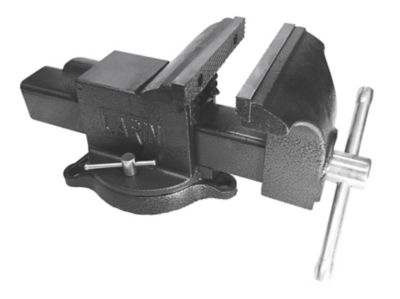
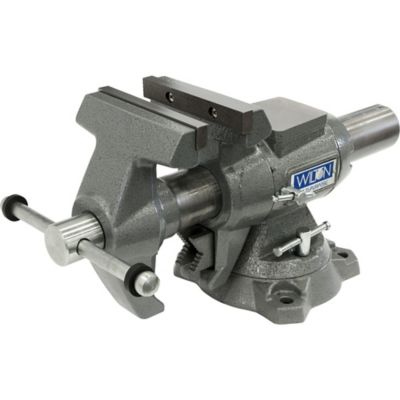
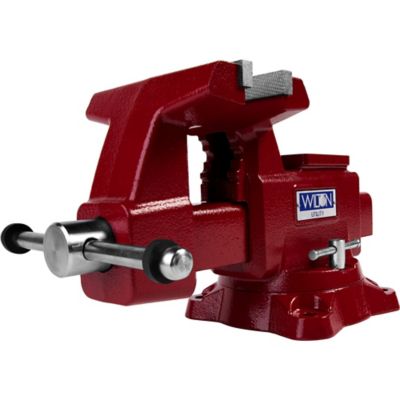
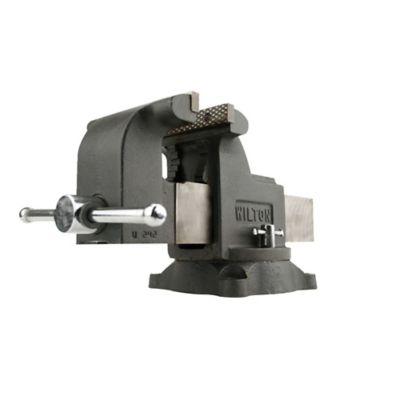
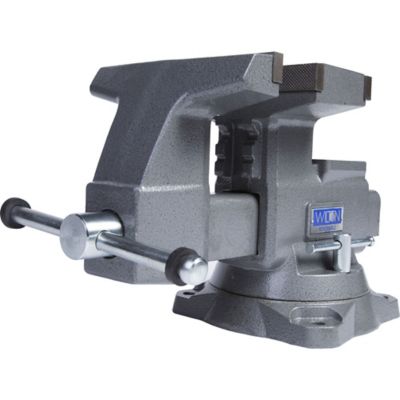
Steel bench vises give metalwork a firm place to start, whether the job is filing a rough-cut bracket, trimming threaded rod, or holding a piece of flat stock while a hole gets marked. In a farm shop or garage, that steady grip can make the difference between wrestling with a part and having both hands free to work on it. These bench-mounted tools suit a wide range of repair and fabrication tasks, from cleaning up a hinge plate to shaping small pieces for an equipment repair. The right fit depends on more than how big the vise looks sitting on the bench. Jaw width describes the span of the gripping faces, while jaw opening describes how far those faces can separate. Throat depth measures the space from the top of the jaws down toward the slide, which affects how far a wider piece can sit below the gripping surface. A broad plate, a short bolt, and a length of angle iron each meet the jaws differently, so those measurements deserve a close look alongside the work that normally lands on the bench. Wider jaws can spread contact across a larger area, but a larger vise also brings more weight and takes up more working room. For smaller metal parts, easy access around the jaws may matter more than maximum opening. There also needs to be enough clearance for a hacksaw frame, file handle, or wrench to move without bumping the bench. Long pieces need support beyond the vise so their weight does not pull against the grip or tip the workbench. A vise holds the work; it does not replace a stand for the far end of a heavy bar. Matching the tool to everyday projects helps keep the setup practical, whether the bench handles an occasional mower repair or regular metal fabrication.
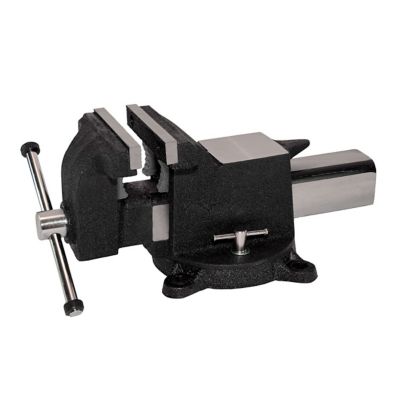
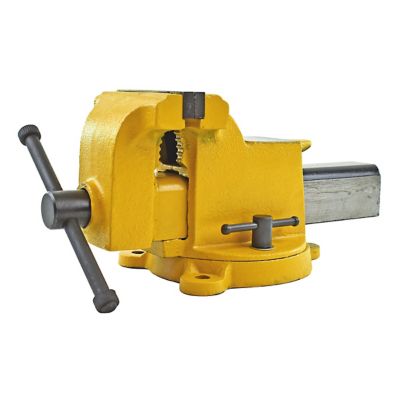
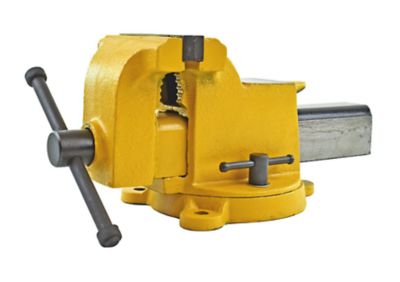
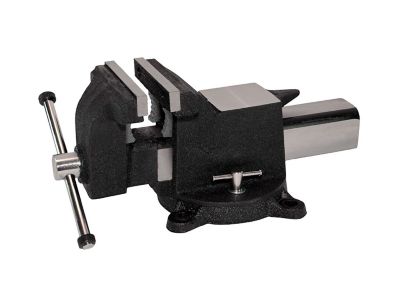
Construction and jaw design play a big part in how a steel bench vise handles that work. Steel bodies, steel jaw inserts, and steel screws serve different purposes, and a description of one component does not establish the material of every other part. Forged steel and cast steel bodies are made through different processes, so the full construction details and the manufacturer’s intended applications matter more than appearance alone. The screw and slide should move smoothly, with the jaws meeting evenly when closed. Replaceable jaw inserts can be helpful for a bench that sees frequent filing and cutting, while serrated gripping faces provide bite on rough metal surfaces. That bite can leave marks, though, which matters when holding aluminum, brass, finished hardware, or a part with a surface that needs to stay clean. Soft jaw covers or suitable protective pads can help limit marking, provided they suit the task and do not weaken the grip. Some designs also include pipe-gripping jaws beneath the main faces. Their stated capacity matters, especially with smaller tubing that can flatten under excessive pressure. Base style is another consideration. A fixed base keeps the layout straightforward, while
Swivel Base Vises let the jaws turn toward a more comfortable working position without moving the entire bench setup. A swivel mechanism needs to be locked before work begins. Either style depends on a solid mounting surface, appropriate fasteners, and a bench that can carry the weight and working forces. Mounting-hole spacing, access beneath the benchtop, and clearance for the handle all affect the fit. A vise crowded against a wall or mounted above a drawer can be frustrating even when its jaw capacity is right. Any anvil surface should receive only the work permitted by the manufacturer; the jaws and slide are not substitutes for a striking surface.
Good care helps a steel bench vise stay ready for the next repair instead of becoming another project on the bench. Metal filings and grinding dust can collect around the slide, screw, and jaw inserts, so regular brushing and wiping make a difference. Lubrication belongs where the manufacturer recommends it, while gripping faces need to stay free of oil and debris that could let a part slip. Exposed steel may need corrosion protection between jobs, with any residue removed from contact surfaces before clamping. Loose mounting bolts, chipped jaw inserts, damaged handles, or a screw that suddenly binds deserve attention before more force goes into the tool. Clamping pressure should come from normal handle operation, not a pipe slipped over the handle for extra leverage. Eye protection and clear space around the work are important when filing, sawing, or brushing metal, and fingers need room away from the closing jaws. For welding tasks, protecting the screw and slide from spatter and following the equipment manufacturer’s grounding instructions help keep the vise from taking damage unrelated to its holding job. These details matter on a busy repair bench, where one afternoon might bring a stubborn fastener and the next might bring a small fabrication project. Farmers, mechanics, welders, maintenance crews, and home-shop metalworkers all benefit from having a holding tool matched to their materials and work habits. A vise can also make a practical gift for someone building out a workshop, especially when the bench dimensions and typical projects are already known. Bigger is not automatically better for that person’s space, and extra features earn their place only when they serve the work. A well-matched steel bench vise leaves room to move, holds suitable work firmly within its rated capacity, and makes ordinary shop jobs less awkward. From dressing the end of a cut bolt to fitting a replacement bracket, its value comes from giving each task a steady, accessible place on the bench.