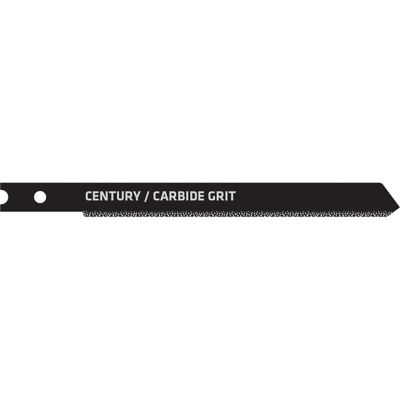
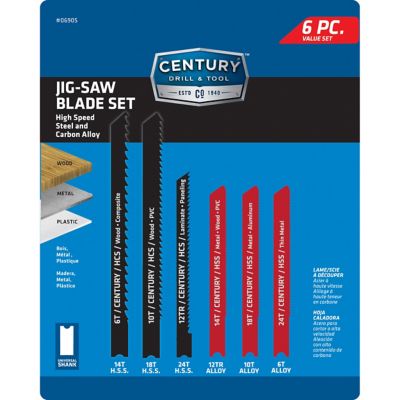
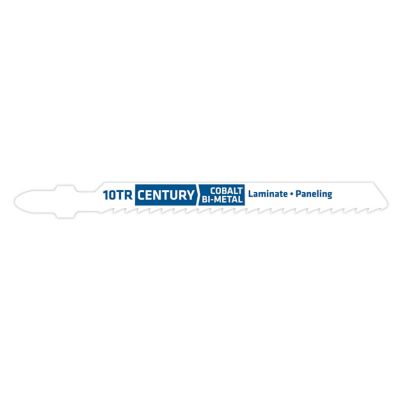
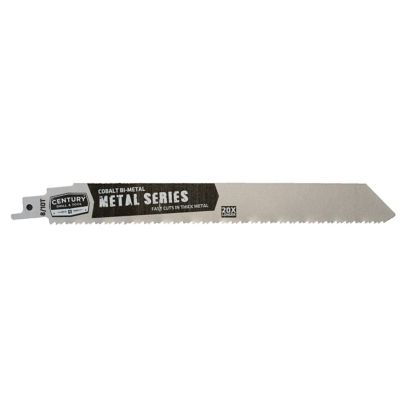
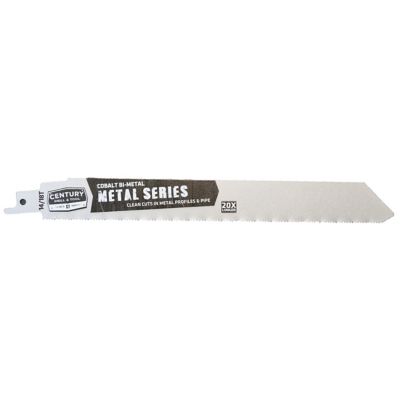
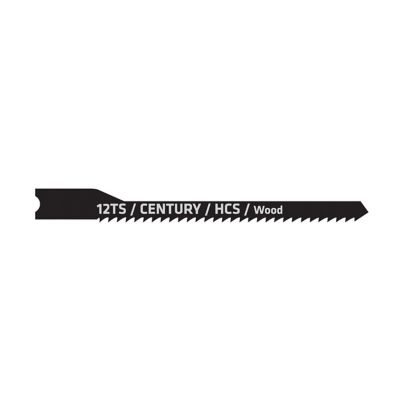
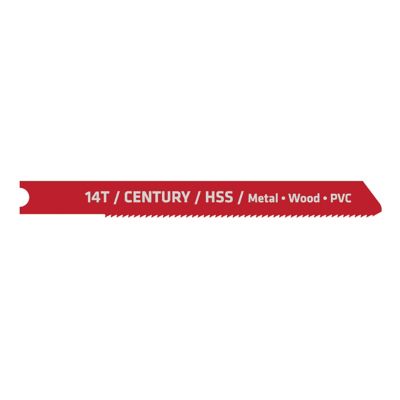
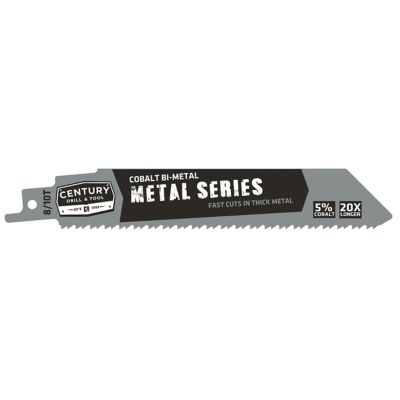
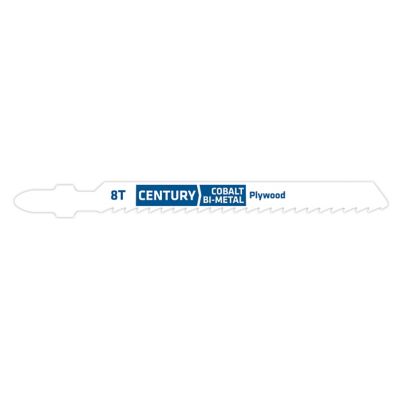
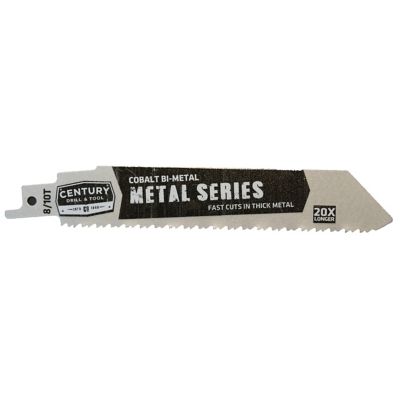
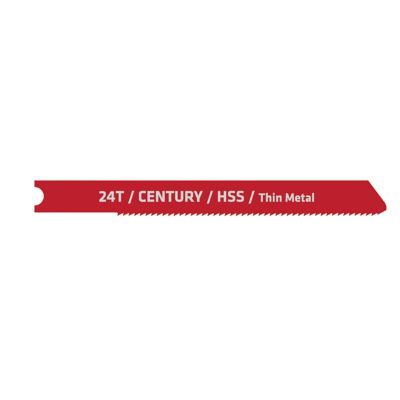
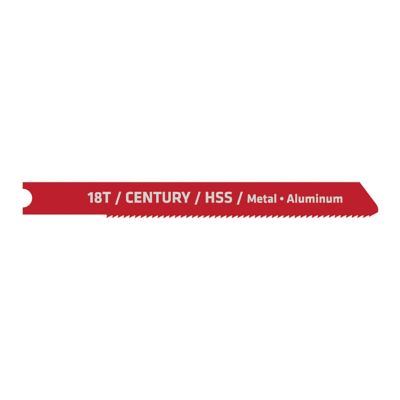
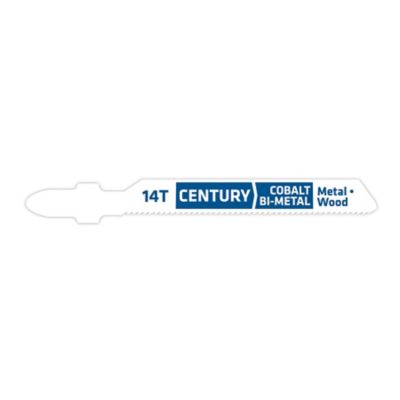
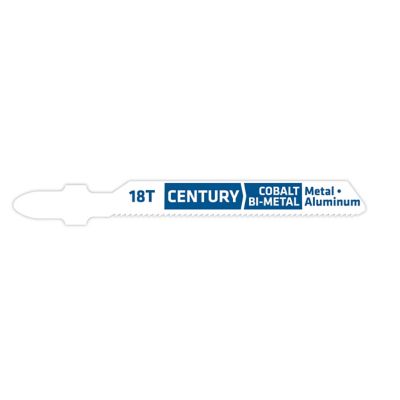
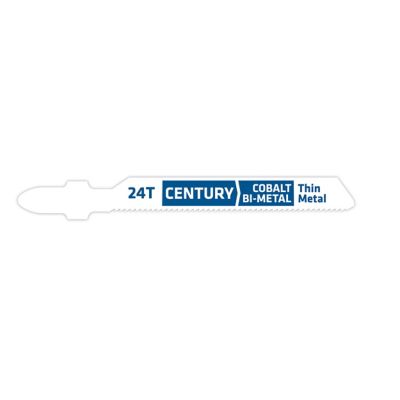
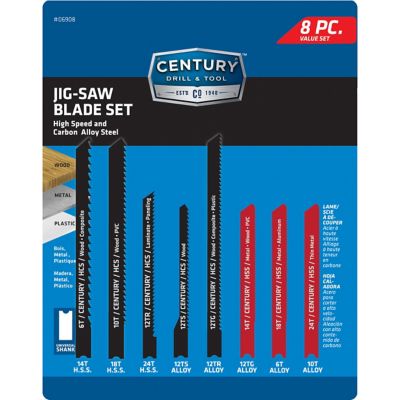
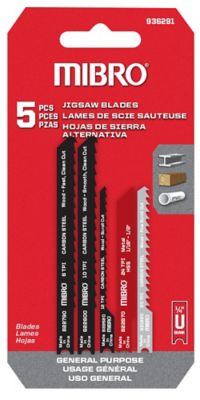
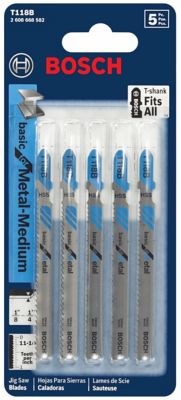
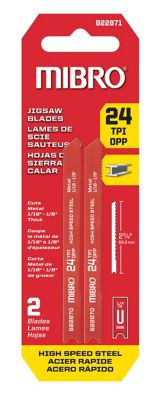
Metal jigsaw blades are made for controlled cuts through metal when you need more precision and maneuverability than a larger cutting tool can provide. They are useful for farm repairs, shop projects, equipment maintenance, HVAC work, auto projects, sign making, and general home improvement. A jigsaw can follow curves, trim openings, and make careful cuts in sheet metal, flat stock, conduit, brackets, and other metal pieces, but the blade needs to match the job. Start by identifying the type of metal and its thickness. Mild steel, stainless steel, aluminum, and other alloys each place different demands on a blade. Thin sheet metal, often around 1 mm to 3 mm thick, generally cuts best with a fine-tooth blade in the 24 to 36 teeth-per-inch range. The closely spaced teeth help keep the blade from grabbing the workpiece and can leave a cleaner edge on light-gauge material. Medium and thicker metal, including stock around 3 mm to 6 mm or more, is often better suited to a blade with fewer teeth, such as 14 to 18 teeth per inch. A lower tooth count allows the blade to clear chips more effectively and can move through heavier material at a steady pace. High-speed steel blades are a practical choice for many everyday metal-cutting tasks, while bi-metal construction can offer a useful balance of flexibility, toughness, and longer working life. For hard stainless steel and difficult alloys, carbide-tipped options may be worth considering, especially when the project calls for a clean cut and the material is too demanding for a standard blade. Keep in mind that even a heavy-duty blade has limits; thick, hardened, or structural metal may call for a different saw altogether. If your project involves long, straight cuts through substantial stock, take a look at
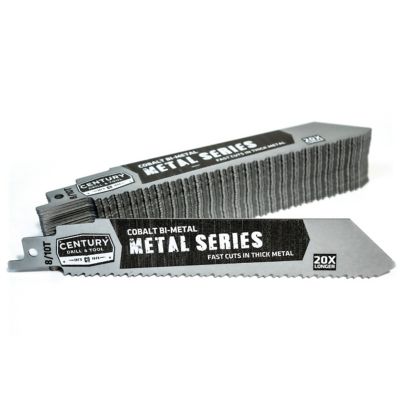
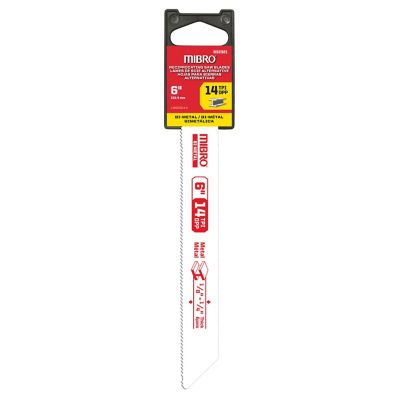
Metal Cutting Reciprocating Saw Blades for another tool setup.
A few adjustments make a noticeable difference when using metal jigsaw blades. For most metal cutting, turn the jigsaw’s orbital action off, or set it to zero. Orbital movement pushes the blade forward as it rises, which is helpful in wood but can make a metal cut rougher, increase vibration, and encourage snagging. A slower speed setting is usually the better starting point, particularly with steel or thicker material. Running the tool too fast creates heat quickly, dulls the teeth, and can discolor the cut edge. Let the blade do the work with light, even pressure rather than forcing the saw through the material. Cutting fluid, light machine oil, or blade wax can reduce friction and help control heat, though the right lubricant depends on the metal and the manufacturer’s recommendations. Aluminum, for example, can load up on a blade when chips and softened material cling to the teeth, so keeping the cut cool and clearing debris matters. Clamp the workpiece firmly on both sides of the cut whenever possible. A loose panel can chatter like a loose gate in the wind, making it harder to hold a straight line and putting extra stress on the blade. For thin sheet metal, sandwiching the material between scrap boards or securing it close to the cutting line can help reduce vibration. Mark the cut with a fine-tip marker or scribe, and use a straightedge for long cuts or a template for curves. Choose a blade long enough to pass fully through the material without excessive length below the workpiece; too much exposed blade can flex and wander. Before starting, check that the blade is installed securely, the jigsaw is unplugged or its battery is removed during blade changes, and the shoe sits flat against the work surface. Wear safety glasses or a face shield, hearing protection, sturdy gloves suited to the task, and work clothing that will not catch on the tool. Freshly cut metal edges can be razor sharp, so handle the offcut carefully and smooth the finished edge with a file or deburring tool.
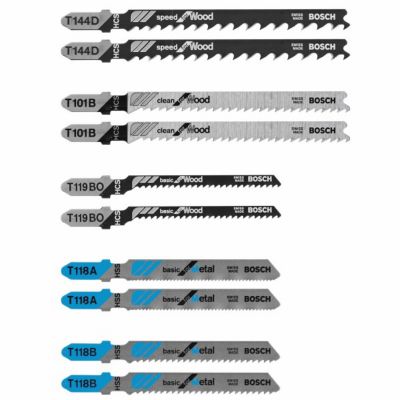
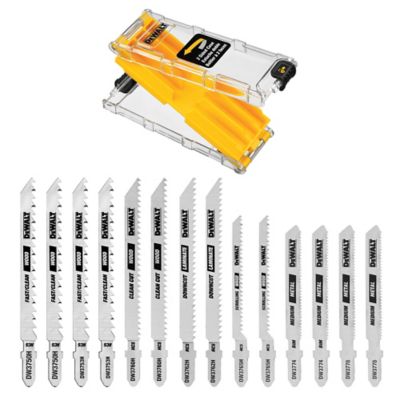
Metal jigsaw blades are a handy addition to a toolbox for homeowners, farmers, maintenance crews, fabricators, mechanics, and do-it-yourselfers who take on occasional repairs instead of hauling every small job to a shop. They can help trim a metal panel for a vent, cut an opening in a utility box, fit flashing around a post, shape a bracket, or modify a piece of equipment during a repair in the barn or workshop. They also make a thoughtful practical gift for someone setting up a first garage workspace, building a mobile farm repair kit, or learning basic metalworking, especially when paired with a jigsaw that accepts the same blade style. A multi-piece assortment can be useful when projects vary from thin sheet to thicker stock, but tooth count and blade material are more important than simply having the largest number of blades in the package. Check the shank style to make sure it fits the jigsaw, and consider keeping separate blades for steel, stainless steel, and aluminum rather than using one blade for every material. Inspect the teeth before each cut. Missing, rounded, or discolored teeth are signs that a blade needs to be replaced, and continuing with a dull blade usually means more pressure, more heat, and a less predictable cut. Store spare blades where they will stay dry and protected from damage; a small case or divided toolbox compartment keeps fine teeth from rubbing against loose hardware. During the warmer part of the year, metal can already be hot from the sun, while during cooler months cold material may feel stiff and slippery, so give the workpiece time to settle and keep a steady grip. Take breaks on longer projects, clear chips from the work area, and allow the blade and metal to cool before touching them. With the right teeth-per-inch range, a suitable blade material, controlled speed, firm support, and patience, metal jigsaw blades can help produce clean, dependable cuts for everyday work around the home, farm, shop, and garage.