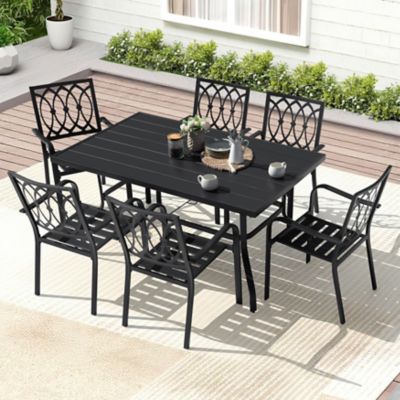
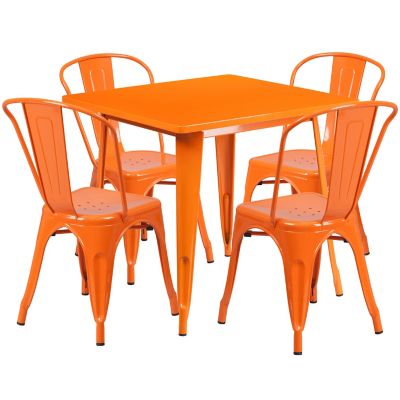
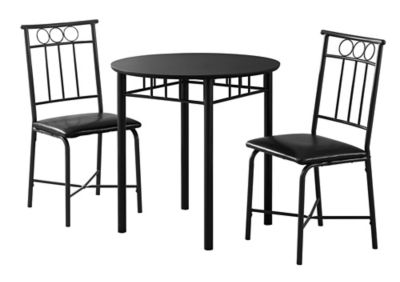
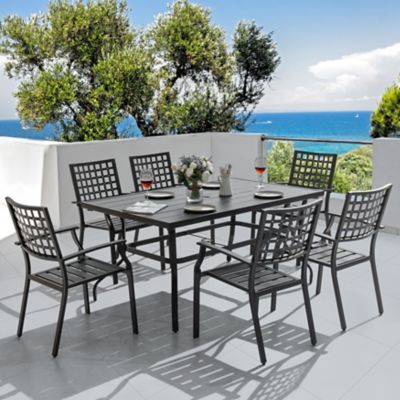
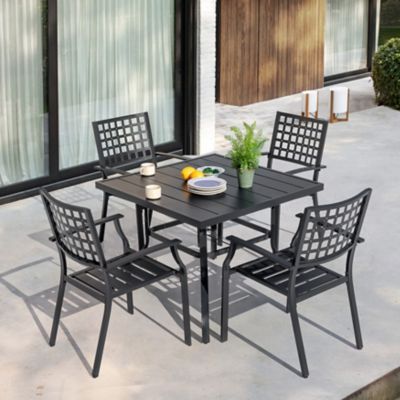
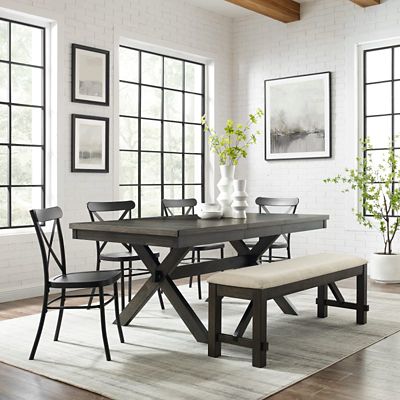
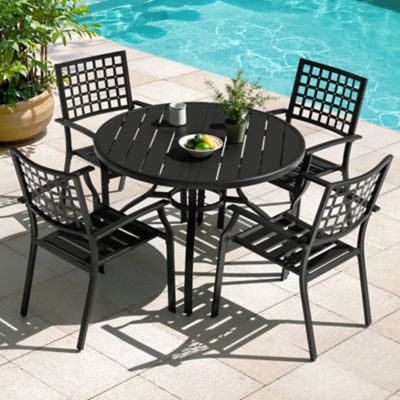
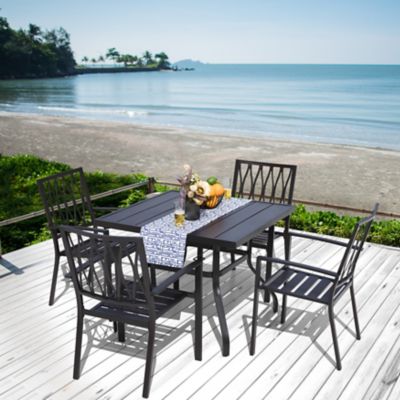
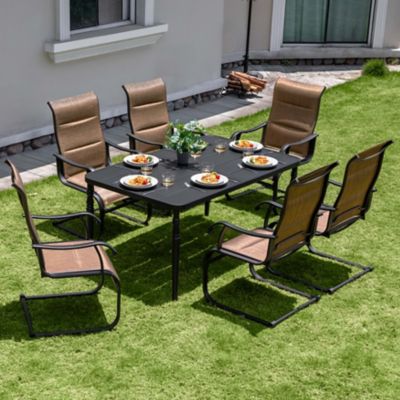
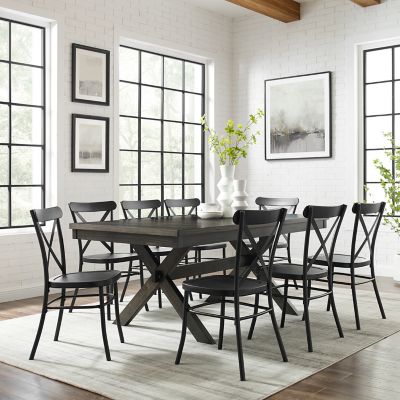
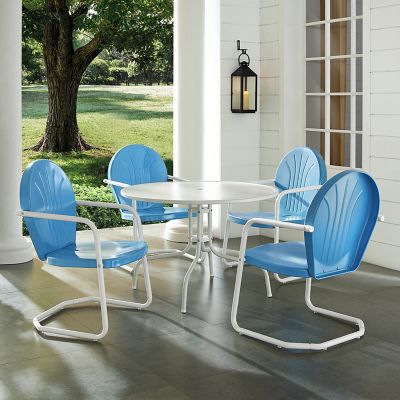
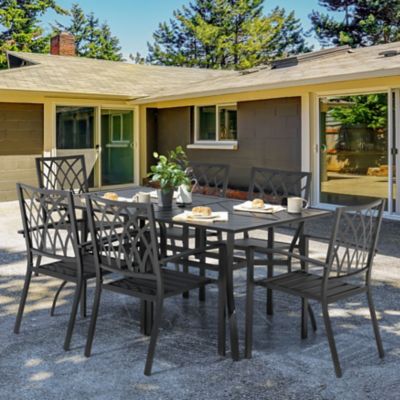
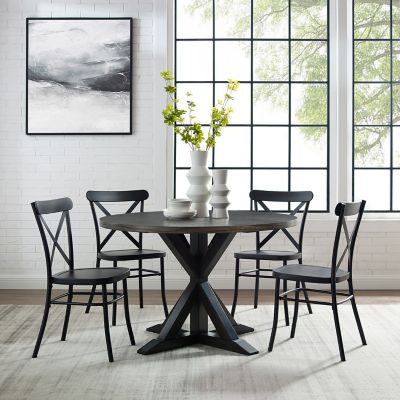
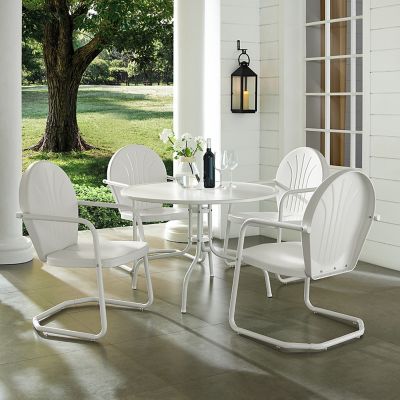
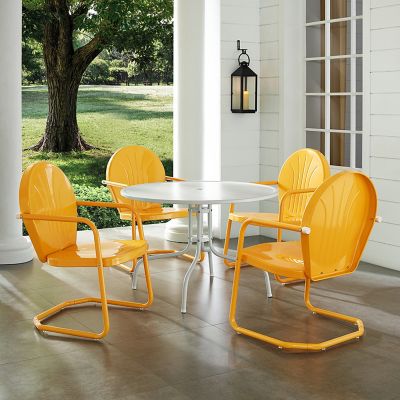
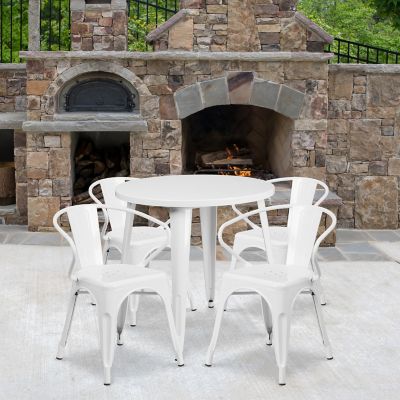
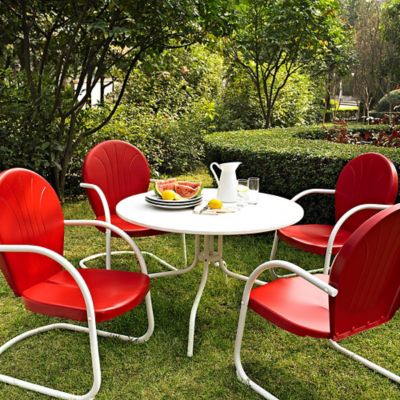
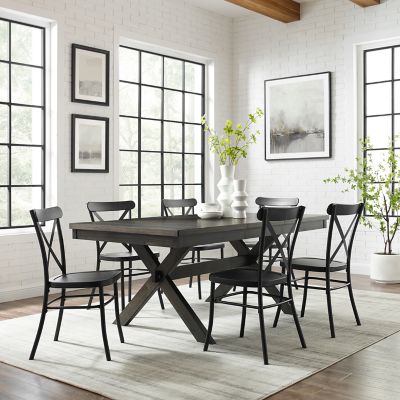
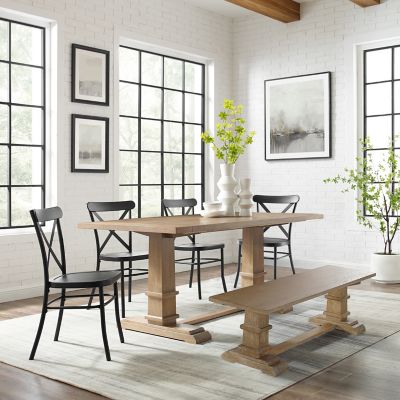
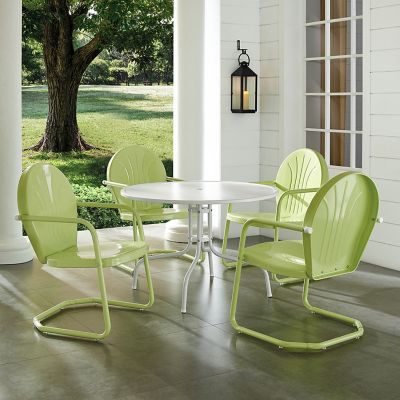
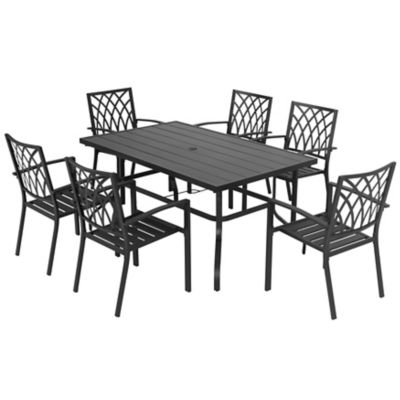
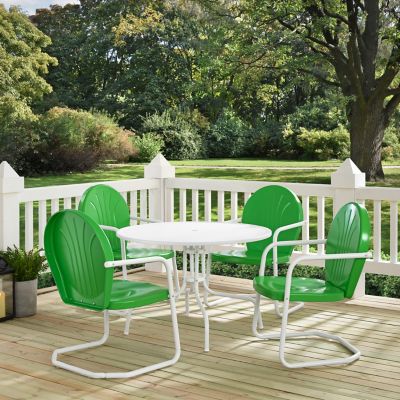
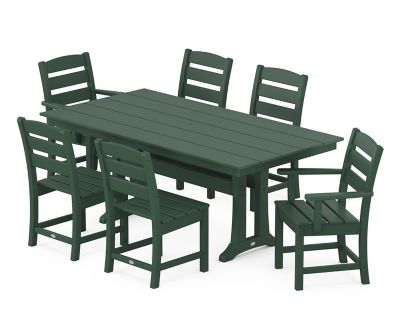
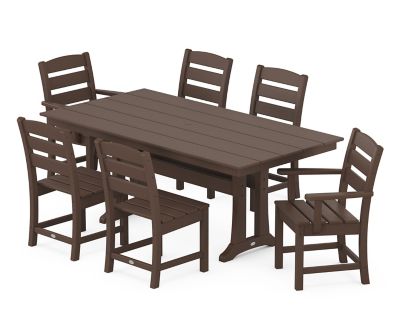
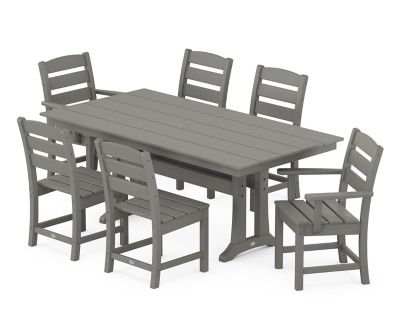
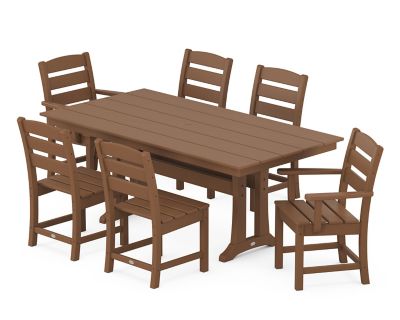
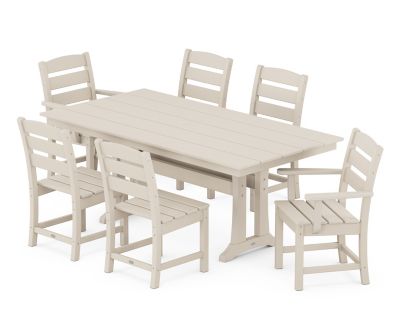
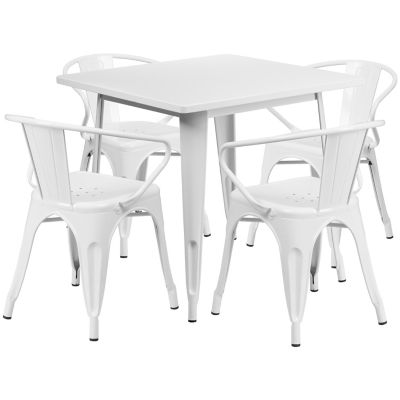
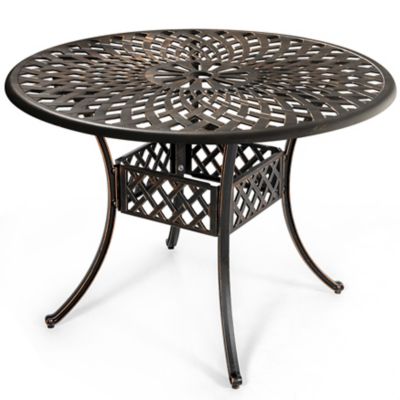
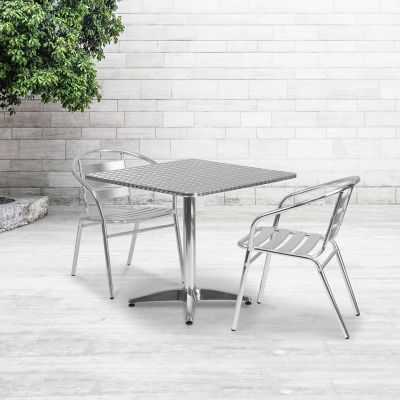
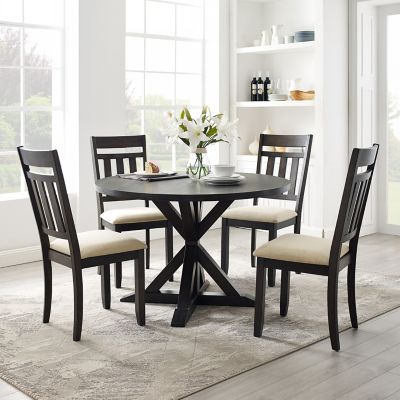
Metal dining table sets combine a metal-framed table and coordinated seating, with tabletops that may be metal, wood, glass, or faux marble. Steel and aluminum are common frame materials, giving these sets a range of looks and weights for kitchens, dining rooms, and other gathering spaces. Steel frames often have a substantial feel, while aluminum generally makes furniture easier to move when it is time to sweep underneath or rearrange a room. Either material needs sound construction, well-fitted joints, and a finish suited to its intended setting. Powder-coated finishes add a protective layer and can create a smooth or lightly textured surface, though scratches still deserve attention according to the care directions. The tabletop brings its own character to the set. Wood adds grain and a familiar farmhouse feel, with color variations that help soften the look of metal legs. Glass keeps the base visible and can make a small eating area feel less crowded, although fingerprints and crumbs tend to show. Faux-marble surfaces offer a stone-like pattern, but the underlying material and surface coating determine their care needs. An all-metal tabletop creates a more uniform look, with seams, edges, and surface texture affecting how it feels at mealtime. Some sets lean toward clean lines and slim legs, while others have cross braces, broad supports, or curved chair backs. Those details matter beyond appearance: a brace can influence legroom, and a wider base can take up more floor space than the tabletop suggests. Matte black, silver-toned, and painted finishes each pair differently with cabinets, flooring, and nearby furniture. A coordinated set helps tie the eating area together without requiring every surface in the room to match. For a kitchen where breakfast, coffee, and supper all happen at the same table, the strongest fit is a combination of comfortable seating, manageable upkeep, and construction that suits everyday household life.
The right size metal dining table set leaves room for people, not just place settings. A compact round table can fit a breakfast corner and keep conversation easy, while a rectangular table often works well in a longer room or a kitchen with a clearly defined eating area. Square tables suit some smaller layouts, though their corners still need enough clearance from cabinets and doorways. Tabletop measurements tell only part of the story because chair backs extend beyond the table when someone sits down or gets up. About 36 inches between the table edge and a wall or other furniture is a common starting point, with more room helpful along a busy walking route. Around 24 inches of table edge per diner gives a useful planning allowance, although broad chairs and generous place settings may call for more. Standard dining tables are often about 28 to 30 inches high, with chair seats roughly 17 to 19 inches high; the actual relationship matters more than either number alone. An apron beneath the tabletop can reduce thigh clearance, and armrests need space to slide underneath if the chairs will be tucked in. Counter-height sets create a different seating position and need stools or chairs matched to that height. Pedestal bases may open up space around the edges, while four-leg designs can define where chairs fit. Benches can provide flexible seating along one side, but getting in and out is worth considering when several people share the bench. For long meals, visiting over coffee, or a family card game, back support and seat shape make a noticeable difference. Upholstered seats add cushioning but bring different cleaning needs than bare metal or wood. Listed weight capacities, chair dimensions, and assembly requirements help round out the picture. A set for two people eating breakfast has a different job than a table that regularly holds supper for a full household, serving bowls, and an extra chair for company.
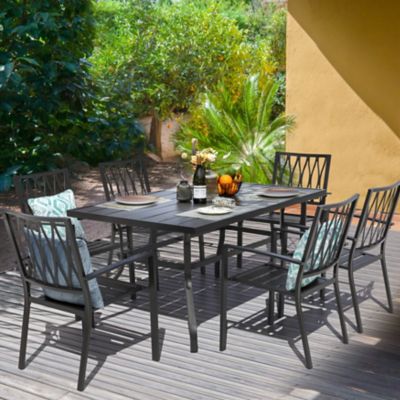
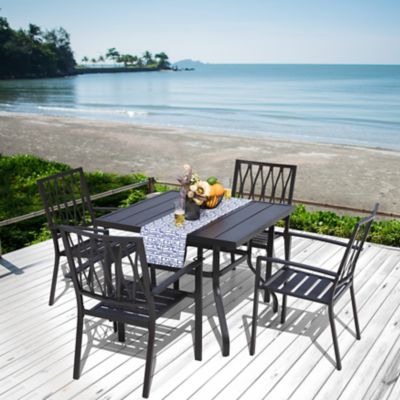
Everyday care helps metal dining table sets stay ready for the next meal without turning cleanup into a chore. A soft cloth and a cleaner approved for the particular surface are generally a better starting point than abrasive pads or harsh chemicals. Spills deserve prompt attention, especially around tabletop seams, fasteners, and areas where different materials meet. Metal frames are not automatically rustproof, and worn coatings can leave some metals more vulnerable to corrosion. Glass, finished wood, and faux-marble tops each have their own limits, so the tabletop care directions matter just as much as the frame instructions. Placemats, coasters, and trivets provide a buffer between the surface and dishes, drinks, or hot serving pieces; heat resistance should never be assumed from a stone-like appearance. Chair glides can help protect compatible flooring, and keeping them free of grit reduces the chance of marks when chairs move. A table that rocks or a chair that starts to wobble needs attention to its leveling feet or hardware, following the assembly directions rather than simply tightening every fastener as far as it will go. Carrying furniture instead of dragging it also helps reduce strain on joints and legs. For porch and patio setups,
Outdoor Metal Dining Tables can anchor a gathering spot when paired with seating suited to the same setting. Both the table and chairs should be designated for outdoor placement; a metal frame alone does not establish that suitability. Indoors, a well-chosen set can serve as the place for an early cup of coffee before chores, homework spread beside a snack, or a casserole passed around at supper. It can also make a thoughtful housewarming gift when room measurements, seating preferences, and care expectations are settled ahead of time. The best match feels at home in the space and gives the household enough room to pull up a chair and stay awhile.