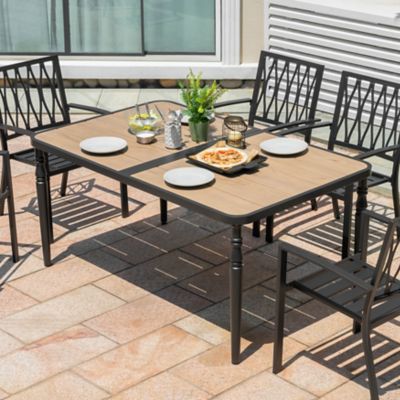
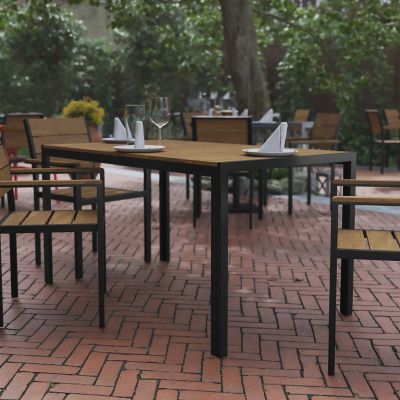
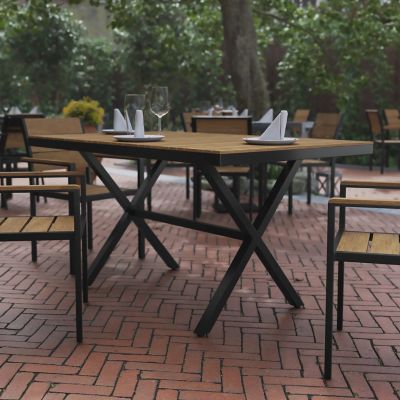
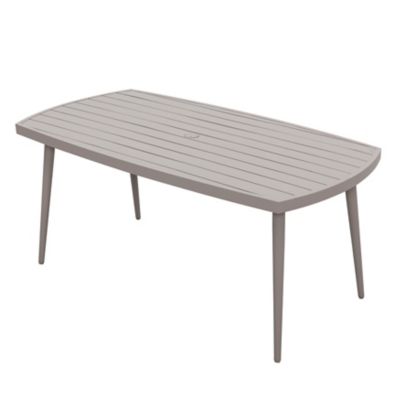
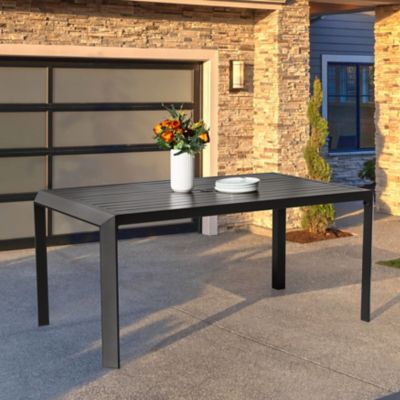
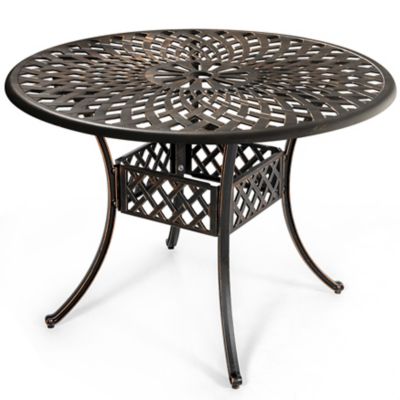
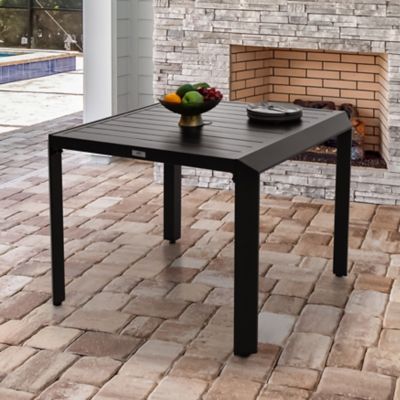
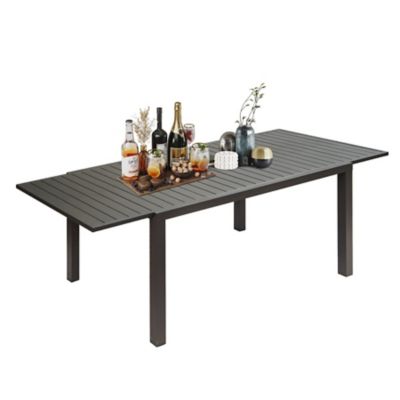
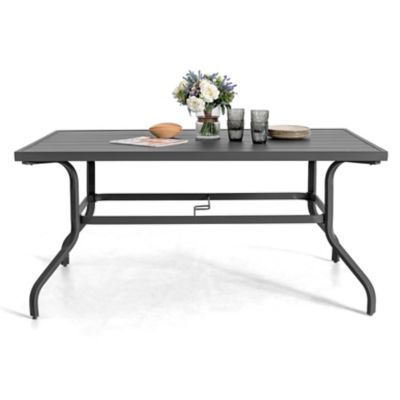
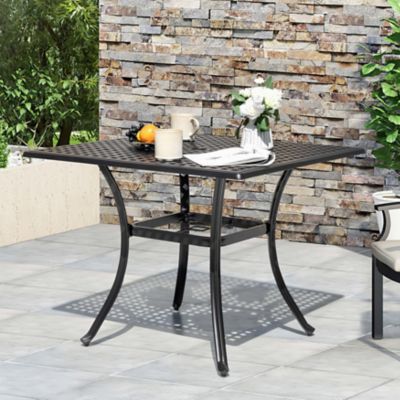
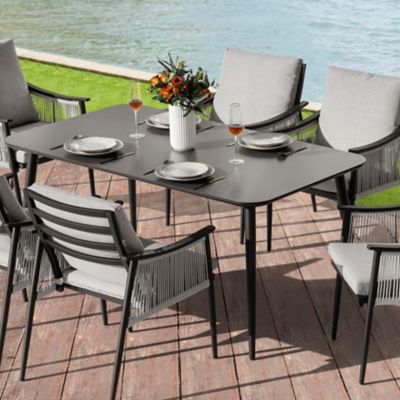
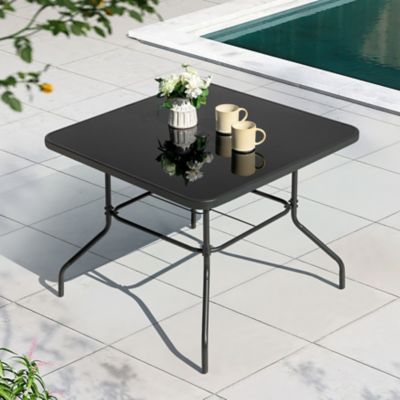
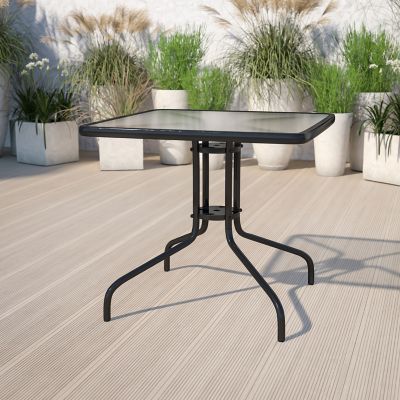
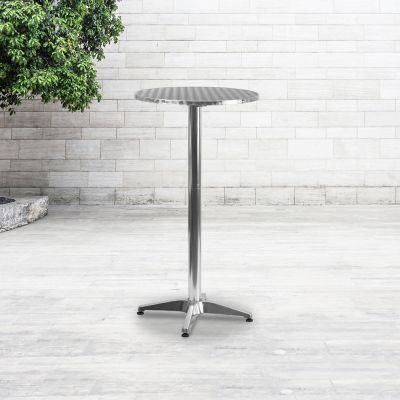
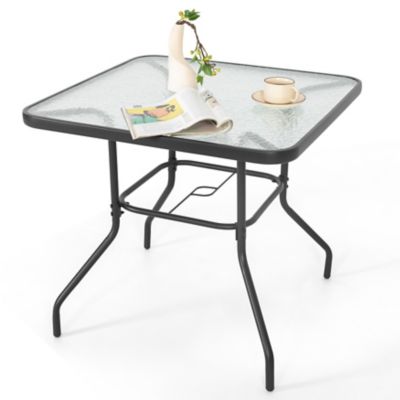
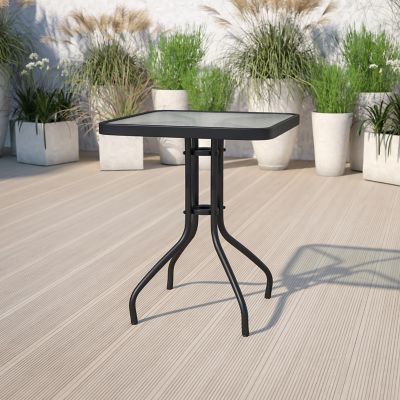
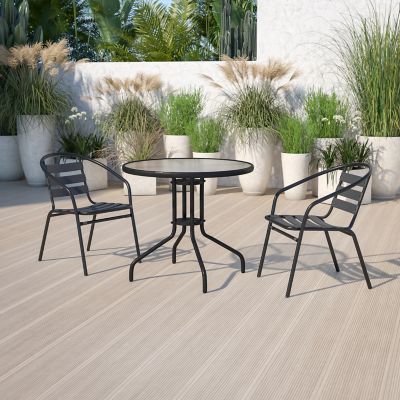
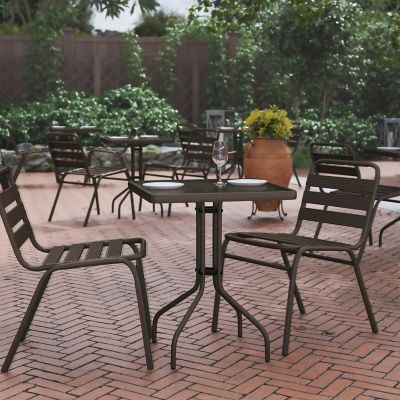
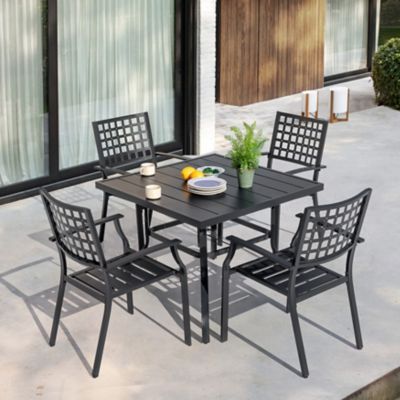
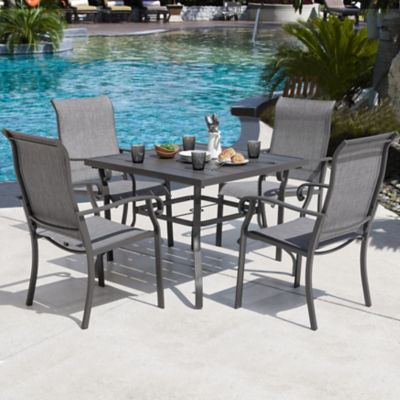
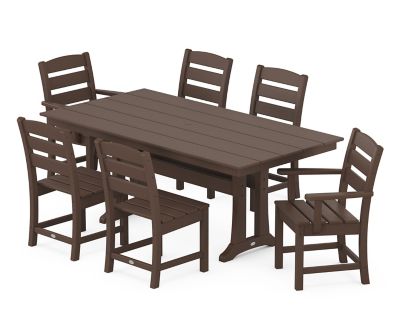
Outdoor metal dining tables give patios, decks, and backyard gathering spots a sturdy place for everyday meals and a full spread when company comes over. Their metal frames and tabletops suit everything from a quick sandwich after chores to a long supper with family, with construction details that matter as much as appearance. Aluminum is relatively light and resists corrosion, making an aluminum outdoor dining table easier to shift when the seating arrangement changes. Steel generally brings more weight and strength, while wrought iron has a substantial feel that works well where a table will stay put. Stainless steel offers corrosion resistance, though its performance depends on the grade and care it receives. Powder-coated finishes add a protective layer and color, but a coating does not make the metal underneath immune to corrosion. Scratches, joints, and exposed fasteners deserve attention, especially on steel and iron. A table described as metal may also have a different tabletop material, so the frame and surface specifications both deserve a look. Solid metal tops create an uninterrupted surface for plates and serving dishes, while slatted and mesh tops have openings that let water pass through. Narrow gaps and a level surface help small cups sit securely; broader openings may call for placemats or a serving tray. Smooth edges, even seams, and neatly finished welds make a difference when elbows rest on the table through a whole meal. An understated finish can blend into a simple backyard setup, while a textured surface adds visual interest without a busy pattern. Black, gray, and earth-toned metal can sit comfortably beside wood siding, stone paths, or a porch rail without making the space feel fussy. The right match comes down to how the table is built, how much moving it needs, and what kind of meals it needs to hold.
Size and shape determine whether an outdoor dining area feels comfortable once everyone pulls up a chair. A tabletop that fits an empty deck can still leave a tight squeeze when seats are occupied, someone carries out a platter, or the back door swings open. About 36 inches between the table edge and an obstruction is a helpful starting point for pulling chairs out, with more room worthwhile along a regular walking route. Each adult generally needs about 24 inches of table edge, although broad chairs and generous place settings can require more. Dining-height tables commonly stand around 28 to 30 inches tall, but chair seat height, arm height, and clearance beneath the tabletop all affect the fit. An apron or low crossbar can limit legroom even when the overall measurements look right. For families who like to pass bowls down the middle,
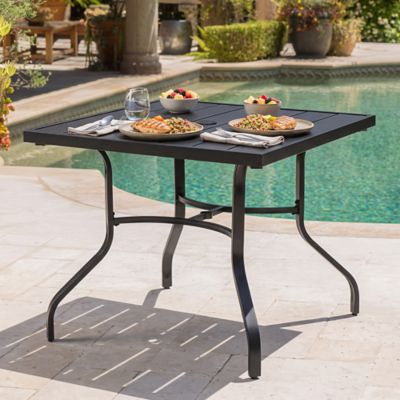
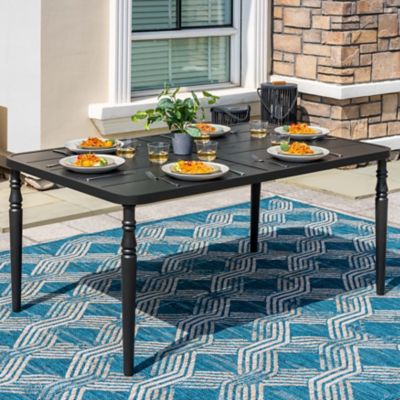
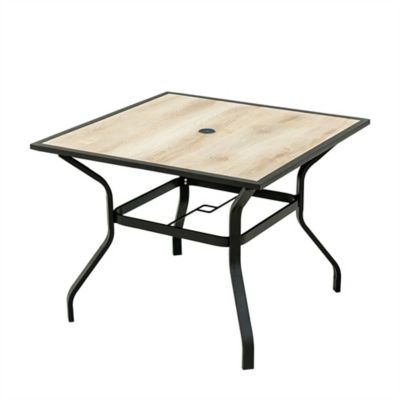
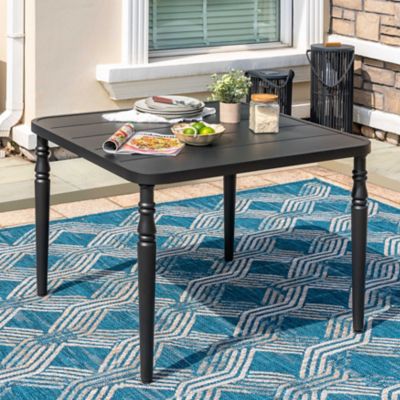
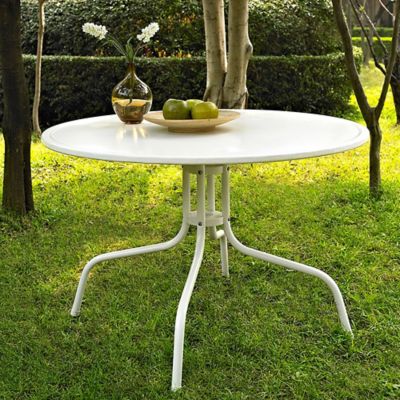
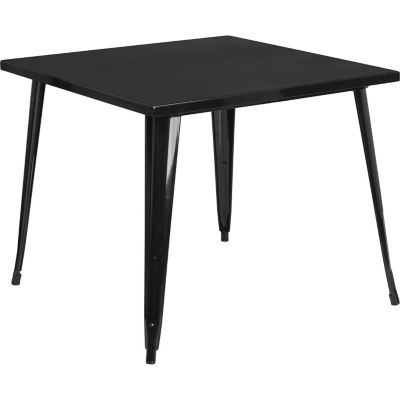
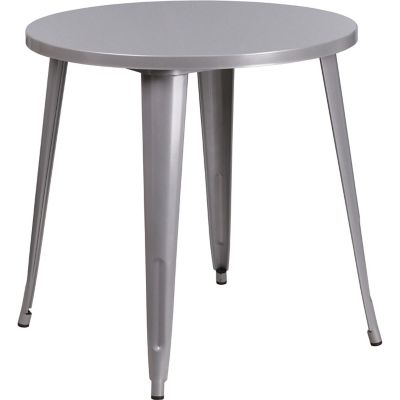
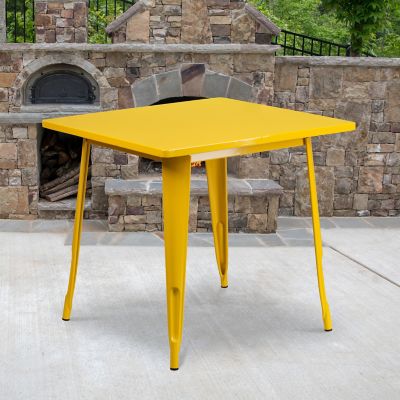
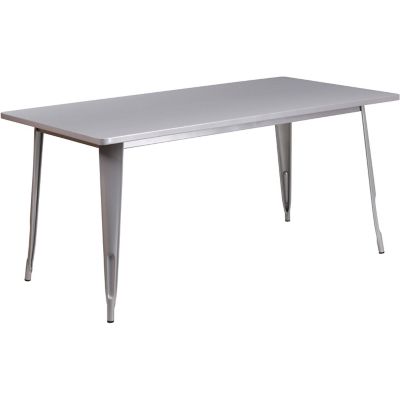
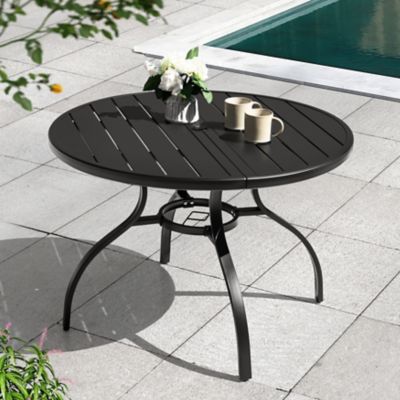
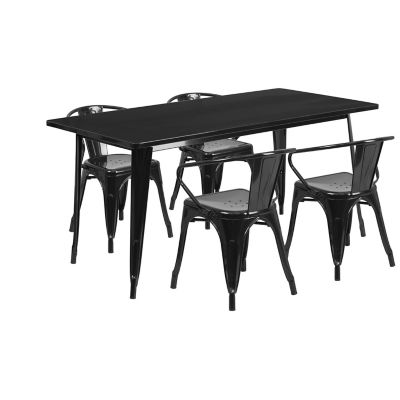
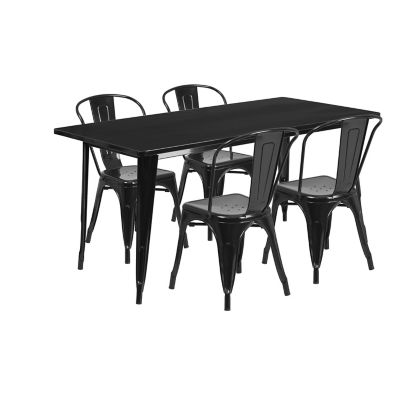
rectangular outdoor dining tables offer a familiar layout with room to spread out along the sides. That shape also works well on longer patios and beside an outdoor cooking area, provided the path between the two stays clear. Round metal dining tables bring everyone toward the center and remove projecting corners, though the surrounding chairs still need space. Square tables can make sense for smaller groups or a compact seating area. Base design matters, too: corner legs establish clear seating positions, while a pedestal can give chairs more flexibility around the edge. Benches may tuck beneath some tables, but the distance between the legs and any lower supports determines whether they slide in fully. Adjustable feet can help a table sit level on a sound surface with small variations; they cannot correct a loose or unstable foundation. A broad, steady base is especially useful when several people lean in to share food. If an umbrella opening is part of the design, its diameter needs to match the pole, and the umbrella still needs the support specified by its manufacturer.
Everyday use is where thoughtful details earn their keep. A roomy metal patio dining table can hold breakfast plates, a pitcher of tea, and the serving bowls that otherwise crowd a small side table. Smaller tables suit a couple eating outside or a quiet corner near the garden, while larger layouts give a household room for visiting relatives and neighbors. The surface should support the way meals actually happen: flat enough for drinking glasses, spacious enough for a shared dish, and easy to wipe after sauce drips or a child spills juice. Protective feet can help limit marks on a deck, and checking those feet occasionally keeps exposed metal from scraping against the surface beneath it. For routine cleaning, mild soap, water, and a soft cloth are often suitable, but the care directions for the particular finish take priority. Abrasive pads, harsh cleaners, and stiff wire brushes can scratch coatings or leave marks. Food spills, standing water, and cleaner residue are best removed promptly, with attention to seams and recessed areas where moisture can linger. A compatible furniture cover can reduce dirt buildup, provided its fit and ventilation follow the table maker’s recommendations. On coated steel or iron, small chips deserve prompt attention with a finish repair method approved for that material. Bolts and other connections also benefit from periodic checks, particularly after a table has been moved. Lifting rather than dragging helps protect both the legs and the floor underneath, and heavier tables may take two people to move safely. Folding designs can simplify storage where space is limited, while fixed frames keep the setup straightforward for frequent meals. Neither approach replaces checking weight limits, locking mechanisms, and assembly directions. With the right proportions, suitable materials, and manageable upkeep, an outdoor metal dining table becomes a practical gathering place for full plates, easy conversation, and another chair pulled up when a neighbor stops by.