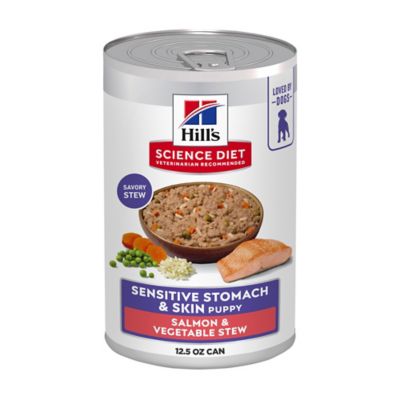
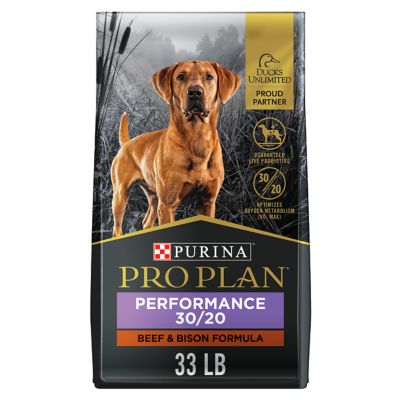
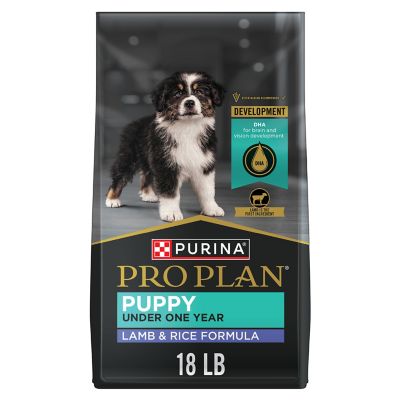
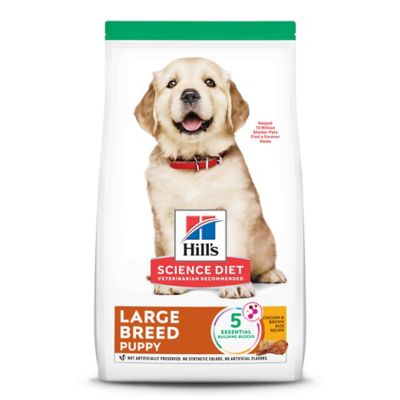
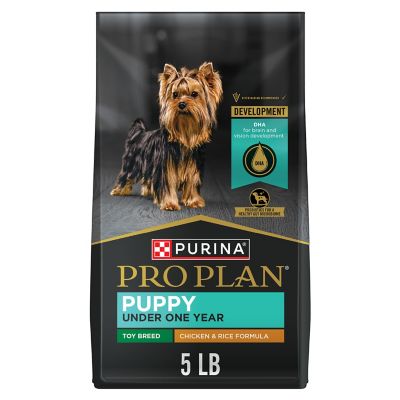
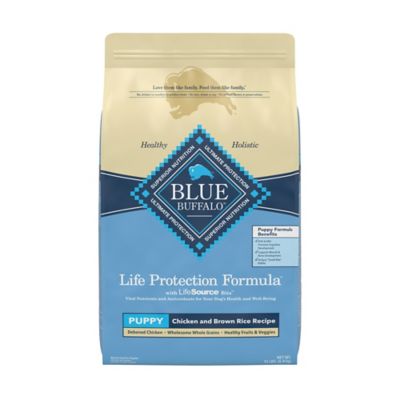
Puppy food has a different job than adult dog food: it needs to support growth while giving a young dog enough energy for exploring, learning, and getting through a busy day. From a little pup napping beside a pair of work boots to a growing farm companion learning to settle at the gate, those early months call for nutrition that fits the dog’s age and expected adult size. Protein supplies building blocks for developing muscles and other tissues, while fat provides concentrated energy and essential fatty acids. Calcium and phosphorus help support growing bones, but their amounts and balance matter more than simply having extra. That is especially important for large-breed puppies, which need controlled growth rather than the fastest possible weight gain. Some puppy recipes also include DHA, an omega-3 fatty acid that supports brain and vision development. The ingredient list tells part of the story, while the nutritional adequacy statement explains whether a food provides complete and balanced nutrition for growth or all life stages. A food labeled only for adult maintenance does not serve the same purpose. For puppies expected to reach 70 pounds or more as adults, the statement should specifically include growth of large-size dogs rather than exclude it. Small-breed puppy food may feature smaller kibble pieces that fit little mouths, while large-breed formulas account for different growth needs. Kibble size alone, though, does not establish whether a recipe is suitable. Expected adult weight, the feeding directions, and the nutritional adequacy statement all belong in the picture. A veterinarian can help connect those label details with a puppy’s breed, body condition, and health history. Whether the pup will spend adulthood riding along for chores or keeping someone company at home, the goal is steady development, a comfortable body condition, and food that suits the dog eating it.
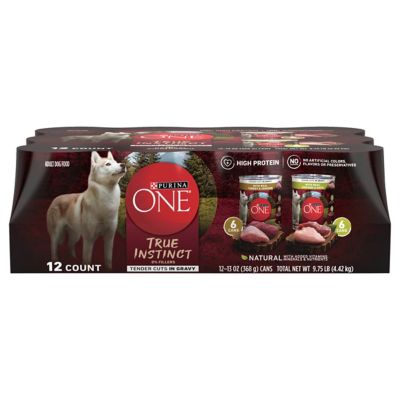
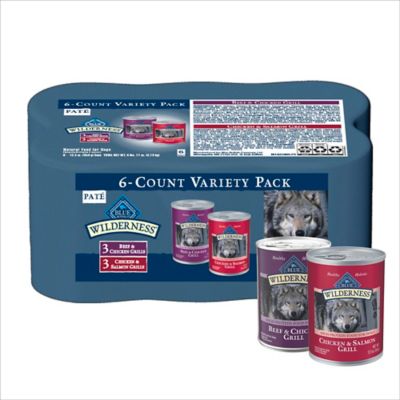
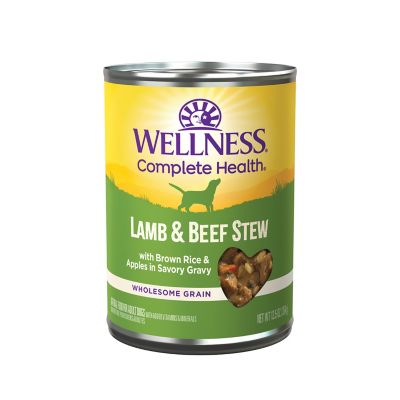
Dry puppy food, wet puppy food, and recipes with more than one texture offer different ways to build a daily feeding routine. Dry kibble is straightforward to measure into meals, and a portion of the day’s allowance can double as rewards for coming when called or sitting quietly by the door. Wet food brings a softer texture and more moisture, with calories per serving that can differ considerably from dry food. When both go into the bowl, their calories count together; adding a generous spoonful without adjusting the kibble can turn a suitable meal into more than a puppy needs. Chicken, beef, fish, and other named animal ingredients appear across puppy food recipes, alongside different sources of fats, fiber, vitamins, and minerals. Grain-inclusive formulas may contain ingredients such as brown rice, oatmeal, or barley. Grain-free formulas leave out grains but may contain potatoes, peas, or other carbohydrate sources, so grain-free does not mean carbohydrate-free. Neither an ingredient trend nor a long list of exclusions establishes that a food is the right fit for a particular puppy. Grains are not automatically a problem, and suspected food allergies deserve a veterinarian’s attention rather than repeated changes from one recipe to another. Recipes with freeze-dried raw pieces or raw coatings also bring handling considerations: freeze-drying does not necessarily eliminate disease-causing germs. Careful handwashing, clean feeding surfaces, and attention to package directions matter, especially in homes with young children or people at greater risk from foodborne illness. Across
Healthy Puppy Food, the useful comparisons are nutritional suitability, texture, calorie content, and how the food fits into everyday care. A tender mouth, a sensitive stomach, or a veterinarian-directed feeding plan may influence that decision more than an appealing flavor name. No single ingredient can tell the whole story of a finished diet, and a puppy’s enthusiasm at supper is only one part of judging how well a recipe fits.
Feeding directions provide a starting point, not a fixed allowance for every puppy of the same age. Depending on the formula, the package chart may use present weight, expected adult weight, age, or a combination, so those details deserve a close look. A fast-growing puppy’s needs change, and portion sizes often need adjusting as the weeks pass. Many young puppies eat several smaller meals rather than one large serving, with the schedule gradually changing as they mature. Tiny puppies may need particular attention to meal timing under veterinary guidance. Measured portions make it easier to account for breakfast, supper, and the handfuls handed out during training. Treats and extras generally should stay within 10 percent of daily calories so that complete and balanced puppy food supplies most of the nutrition. Ribs that can be felt beneath a light covering and a visible waist can help with body-condition checks, though coat thickness and breed build can make a veterinarian’s assessment especially helpful. An empty bowl alone is not a reason to increase portions. When changing foods, a gradual transition over about seven to ten days often helps limit digestive upset; some puppies need a slower change based on veterinary advice. Food care matters between meals, too. Dry food keeps best in its original bag, tightly closed and placed inside a clean, secure container that keeps curious noses and pests out. Keeping the bag also preserves the lot number, feeding chart, and best-by information. Opened wet food needs prompt refrigeration and handling according to its label, and leftovers should not sit in a bowl indefinitely. Clean bowls, fresh drinking water, and separate storage from farm chemicals belong in the same everyday routine. As growth slows, the move to adult food depends on the dog’s size and development rather than one birthday that fits every breed. A steady feeding routine, regular weight checks, and occasional veterinary input help keep that growing pup on track without making mealtime harder than it needs to be.