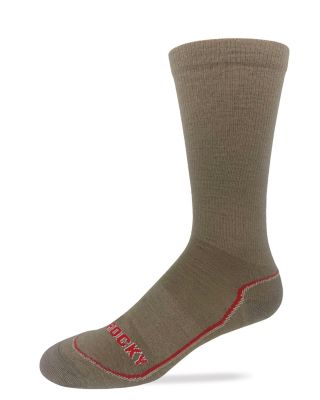
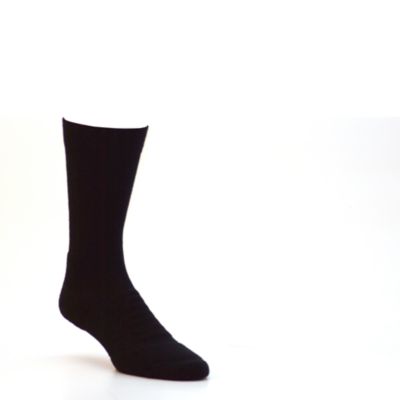
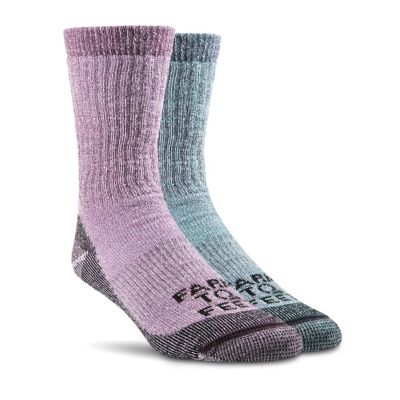
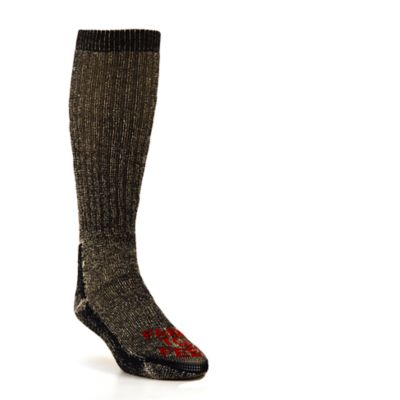
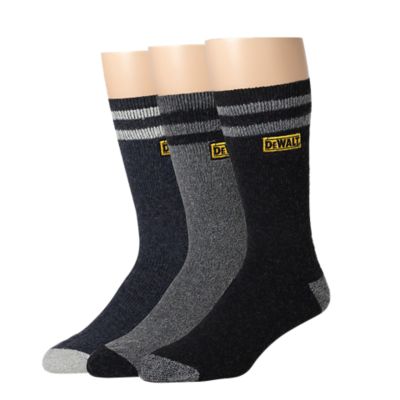
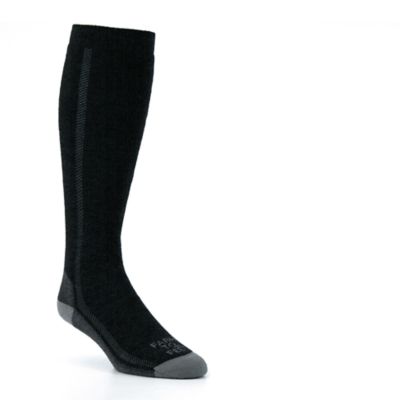
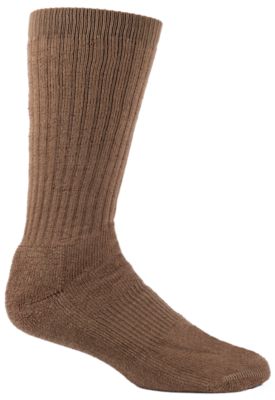
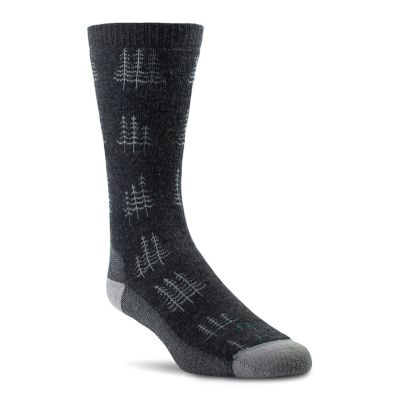
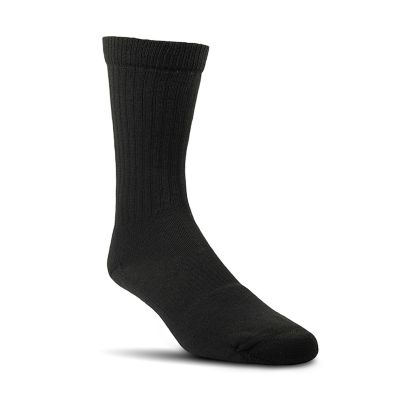
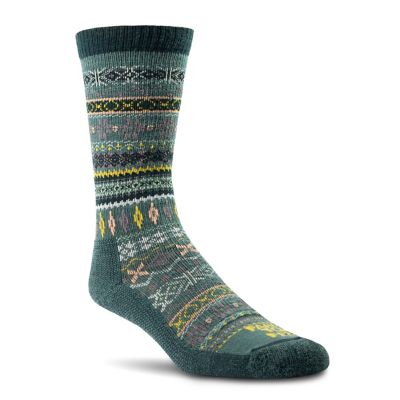
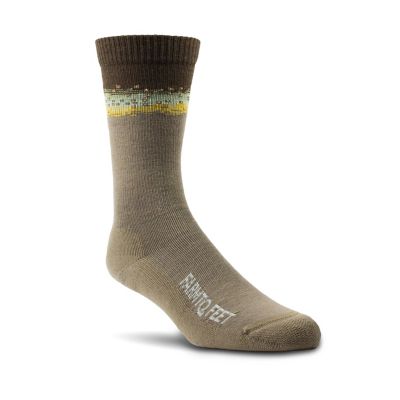
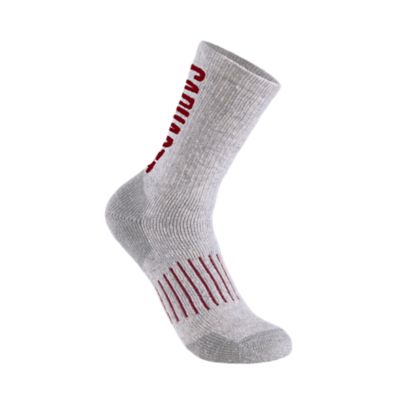
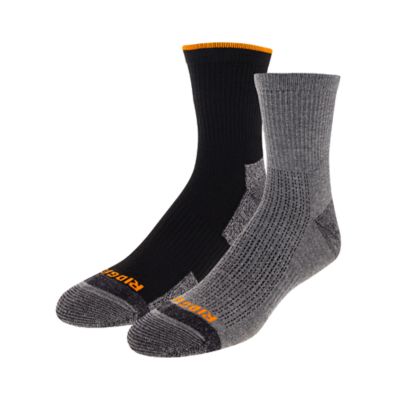
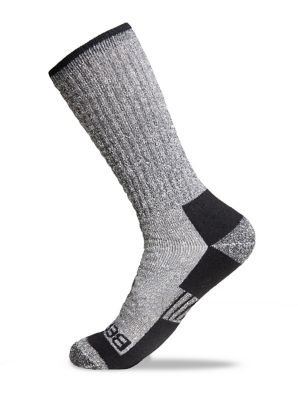
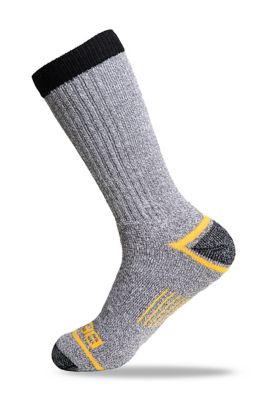
Merino wool work socks pair the softness and moisture management of fine wool with the fit and cushioning needed inside work boots. They’re a practical choice for folks who spend long stretches feeding livestock, walking fence lines, working in a shop, or standing on concrete. Merino wool comes from Merino sheep and has finer fibers than many traditional wool types, giving it a softer feel against the skin. Those fibers can absorb moisture vapor, helping manage the damp feeling that builds up during a busy shift. Wool also naturally resists odor, though socks still need regular washing and time to dry between wears. That makes merino a useful material for workwear that stays close to the skin from the first round of chores to the last walk back to the truck. Most merino wool boot socks blend wool with other fibers rather than relying on wool alone. Nylon can add abrasion resistance, while small amounts of spandex or elastane provide stretch and help the sock hold its shape. Polyester may also appear in blends designed to balance moisture movement, drying performance, and strength. The wool percentage tells part of the story, but knit construction, reinforcement, and fit matter just as much. A higher wool content doesn’t automatically make a sock better suited to every job. Someone who walks miles across a property may put more emphasis on a secure heel and reinforced toe, while someone stationed at a workbench may prefer extra cushioning underfoot. Merino socks can help manage perspiration, but they aren’t waterproof, and they can’t make a boot breathe more than its construction allows. Inside rubber work boots, for example, moisture has fewer places to escape than it does in more breathable footwear. Starting the day with dry boots and keeping a spare pair of socks handy can make a real difference when chores turn into a full day on your feet. The best match balances the fiber blend with the demands of the job and the room inside the boot.
Fit deserves just as much attention as fabric when choosing merino wool work socks. A sock should sit close to the foot without pulling the toes inward, digging into the calf, or leaving loose folds under the arch. Check the listed shoe-size range, and pay attention to heel placement: the shaped heel should line up with the back of the foot instead of riding underneath it or climbing toward the ankle. Excess fabric can bunch inside a boot, while a sock stretched beyond its intended size may thin out across the heel and toes. Sock height also needs to match the footwear. Crew socks may work well with lower work boots, but taller boot shafts generally call for boot-height or over-the-calf socks that extend above the collar. That extra coverage keeps the boot lining and upper edge from rubbing directly against bare skin. Cushioning changes how much space a sock takes up, so thicker isn’t always better. A heavily cushioned pair inside a close-fitting safety-toe boot can crowd the forefoot and leave less room to move the toes. A lighter cushion may fit that same boot more comfortably, while roomier pull-on boots may accommodate more padding. Targeted cushioning places extra knit fabric at pressure points such as the heel and ball of the foot without adding equal thickness everywhere. Full cushioning offers padding across a broader area, although the exact coverage varies by construction. Flat or low-profile toe seams are worth considering when a raised seam tends to rub during kneeling, climbing, or repeated steps. Ribbed legs and elastic knit zones around the arch can help limit shifting, but they shouldn’t feel restrictive. An arch band that holds a sock in place isn’t the same thing as structural foot support or graduated compression. For work that calls for added insulation,
Winter Work Socks are another option to consider alongside boot fit and cushion thickness. Whatever the sock weight, a smooth fit helps reduce bunching and friction; no sock can guarantee blister prevention or make up for footwear that pinches or slips.
Long wear starts with matching the sock’s construction to the spots that take the most punishment. Reinforced heels and toes can help withstand repeated contact with boot linings, while a well-shaped heel pocket helps keep that reinforcement where it belongs. For ranch hands climbing in and out of equipment, tradespeople working from ladders, and warehouse crews walking hard floors, repeated movement puts different demands on the same small areas of fabric. Check boots for rough seams, worn lining, or grit, too, since those can wear through socks faster than expected. A pebble or a fold beneath the foot can become a big distraction halfway through a job. After wear, follow the care label rather than treating every wool blend alike. Many merino work socks permit machine washing, but recommended water settings and drying methods vary. Turning socks inside out can help expose the areas that collect perspiration and skin debris. A gentle wash with a suitable detergent is often appropriate when the label allows it, while bleach and fabric softener are generally best avoided unless the care instructions say otherwise. High dryer heat can shrink some wool blends or weaken elastic fibers, so use only the drying method specified for the pair. Let socks dry completely before putting them back inside work boots, and avoid leaving damp pairs balled up in a hamper or gear bag. Rotating between pairs gives each one time to dry and makes it easier to notice thinning fabric, stretched cuffs, or seams that need attention. Merino wool work socks also make a practical gift for someone who spends the day in boots, whether that’s tending horses, maintaining acreage, or tackling repairs around the place. Knowing the recipient’s shoe size, usual boot height, and preference for light or substantial cushioning helps make the gift a better fit for everyday work. Those details matter more than simply choosing the thickest pair.