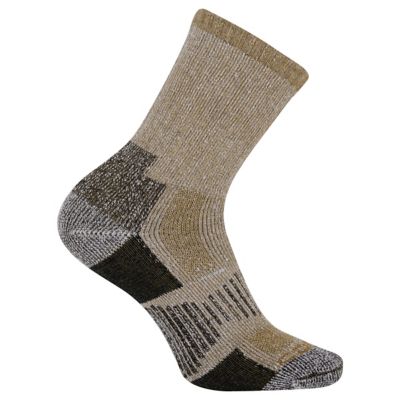
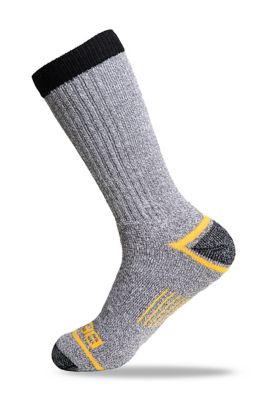
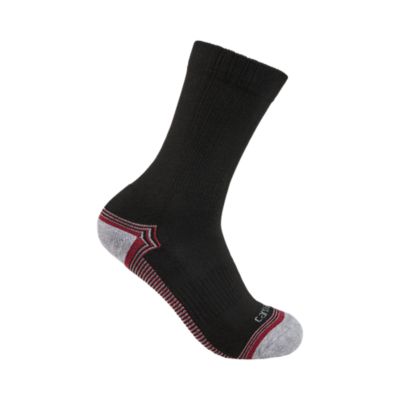
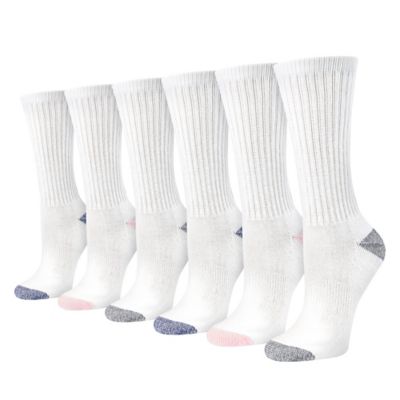
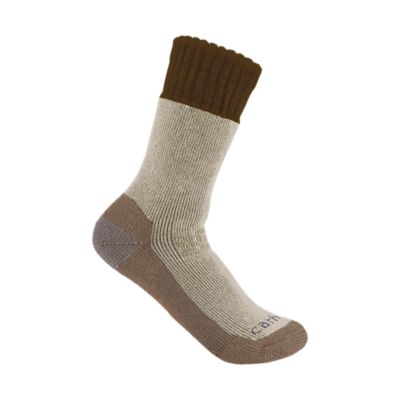
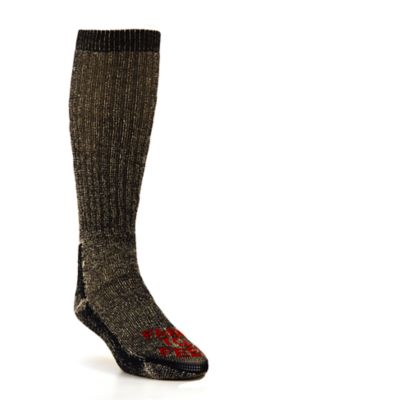
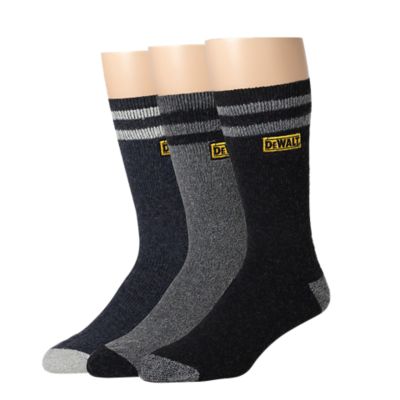
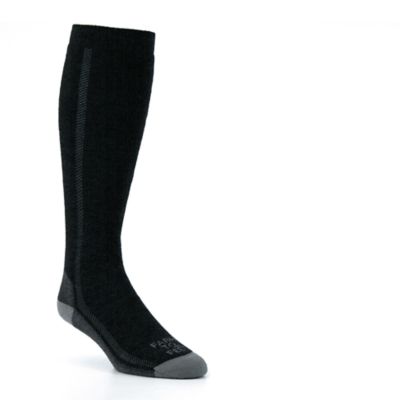
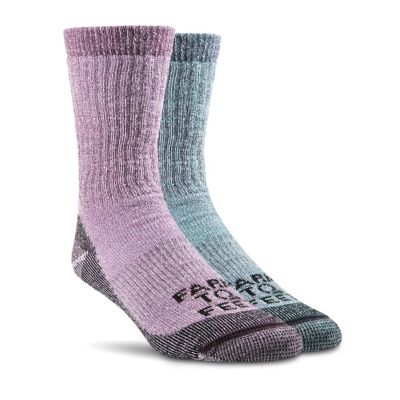
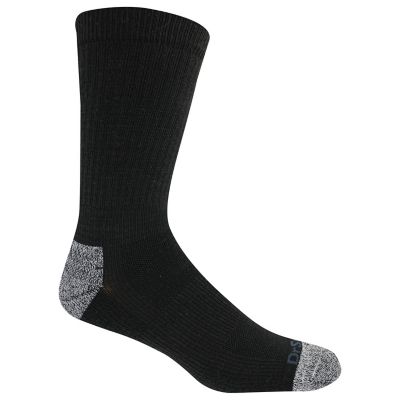
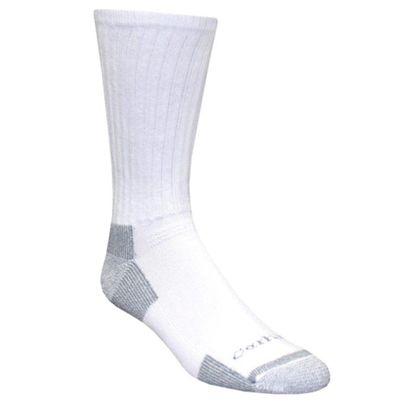
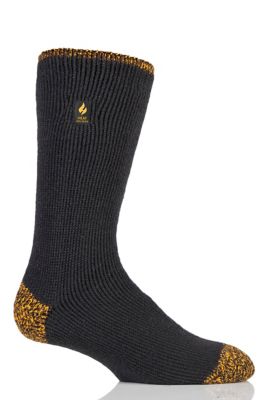
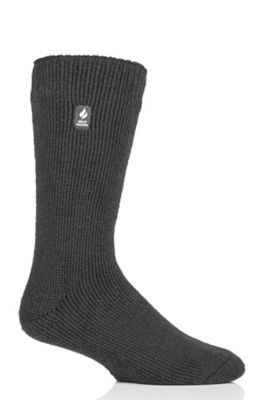
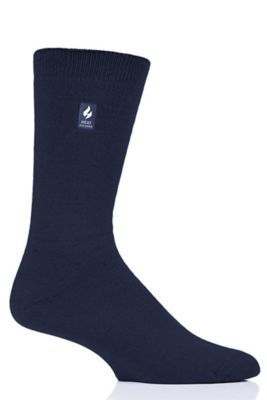
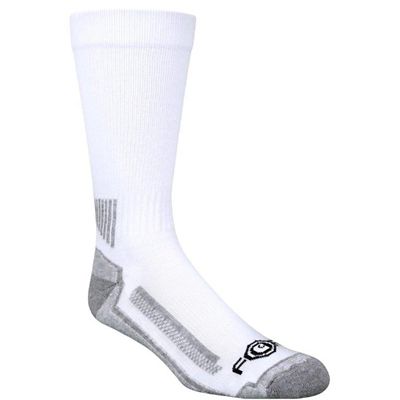
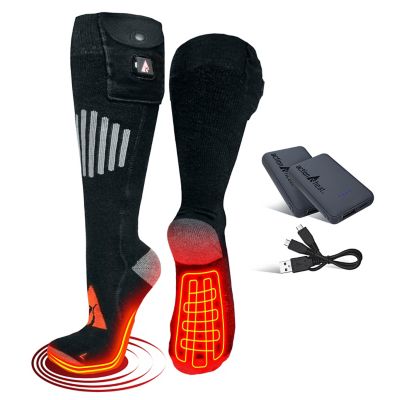
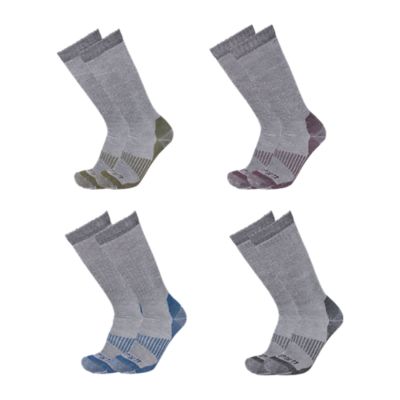
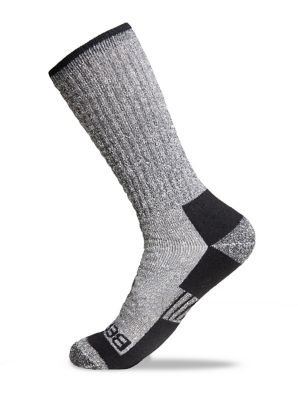
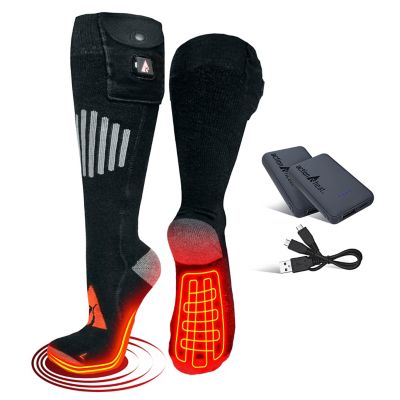
Winter work socks add warmth, manage perspiration and cushion feet through cold days spent feeding livestock, repairing fence or working on a concrete shop floor. The best match for the job combines insulating fibers, moisture management and a fit that leaves enough room inside work boots for toes to move. Thickness alone does not tell the whole story. A sock that crowds the boot can compress underfoot, create pressure points and leave feet feeling colder rather than warmer. Wool and synthetic blends are common choices because they balance warmth with the demands of walking, bending and standing for hours. Merino wool has fine fibers that generally feel softer against the skin than coarser wool, and it helps buffer changes in temperature as work moves between the barnyard and an enclosed shop. Wool can absorb moisture vapor and retain some insulating ability when damp, though no sock makes wet boots comfortable indefinitely. Polyester and acrylic can contribute warmth and moisture management, while nylon adds resistance to abrasion. Small amounts of spandex or elastane help socks stretch and hold their shape. The full fiber blend matters more than any single ingredient: a wool blend with supporting synthetic fibers can offer a practical mix of insulation, stretch and strength. Cotton absorbs moisture and tends to dry slowly, making cotton-heavy socks less suited to long stretches of cold work when feet sweat or boots get wet. Brushed interiors and looped terry cushioning can trap air and soften contact with the footbed, but their performance still depends on room inside the boot. Breathability matters, too. Hauling feed bags can warm feet quickly, even when the ground is frozen, and trapped perspiration becomes more noticeable once the pace slows. Winter boot socks work as part of the whole footwear setup, alongside the boot’s insulation, lining and protection from outside moisture. For chores that alternate between hard effort and standing still, that balance is often more useful than simply choosing the thickest pair.
Fit becomes especially important when winter work socks meet safety-toe boots, tall chore boots or snug lace-up work footwear. A well-fitting heel pocket stays centered instead of creeping beneath the arch, and the toe area lies smooth without extra fabric folding against the ends of the toes. Sock sizing generally follows shoe-size ranges, but foot shape and calf size also affect comfort. Stretch through the instep and a cuff that stays up without digging into the leg help keep the sock in place through repeated trips across a pasture or up a tractor step. Crew lengths suit many lace-up boots, while taller socks can put a layer of fabric between the calf and a higher boot shaft. A sock that ends below the boot collar may leave skin exposed to rubbing, especially during a long walk. Cushion placement is another useful distinction. Padding under the heel and ball of the foot softens contact in areas that carry repeated pressure, while cushioning around the toes may make a stiff boot interior feel less harsh. Extra padding does not replace the protective function of a safety toe or make an improperly fitted boot suitable for work. Flat or low-profile toe seams can reduce rubbing where space is tight, and a close-fitting arch section can help limit fabric movement. Reinforced heels and toes address the spots that often wear first, especially when grit gets inside a boot or the heel slips with each step. Full cushioning may suit roomy boots and long periods of standing; lighter cushioning can make more sense for active work or boots that already have substantial insulation. Two pairs are not automatically warmer than one. Layering adds fabric, and a liner with an outer sock needs enough boot space to avoid crowding or bunching. Trying the intended sock thickness with work boots gives a better picture of comfort than judging the sock by feel alone. Toes should have room to wiggle, with no pinching across the forefoot or deep cuff marks around the calf.
Care and everyday habits help winter work socks stay comfortable over repeated wears and washes. Fiber blends, knit construction and reinforcement all affect how well a pair holds up, but laundering plays a part as well. Care labels take priority because wool blends and synthetic thermal socks may call for different wash temperatures and drying methods. Many wool socks benefit from a gentle wash and low heat or air drying, while excessive heat and agitation can cause shrinkage or change the fit. Turning socks inside out helps expose the areas that collect sweat and skin oils. Fabric softener can leave a coating that interferes with moisture management, so it is generally best left out unless the care instructions say otherwise. Socks should be completely dry before they go back into boots, and damp boot liners need time to dry, too. Rotating pairs gives each one a chance to dry between workdays; keeping a spare pair tucked in a work bag offers a welcome change after a boot fills with snow or a long stretch of hard work leaves feet damp. No thermal sock is a substitute for taking a break and changing out of wet footwear when cold exposure becomes a concern. Between washes, checking the heels, toes and soles for thinning fabric can catch wear before a hole turns into a rubbing spot. A stretched cuff or flattened cushioning may also signal that a pair no longer fits the job as well. For a closer look at a familiar cold-weather material,
Men's Wool Work Socks are a related category to consider alongside boot fit and daily workload. These practical layers suit farm hands, construction crews, mechanics working in unheated spaces and anyone whose chores carry on when frost covers the gate latch. They can also make a useful gift for someone who spends more time in work boots than slippers, especially when the recipient’s shoe size and preferred sock height are known. The right combination of fibers, cushioning and fit supports the whole day, from breaking ice at the water trough to putting tools away after the last chore.