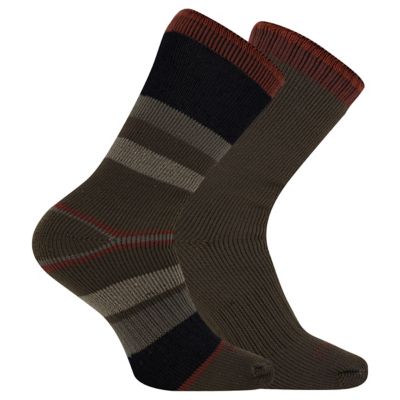
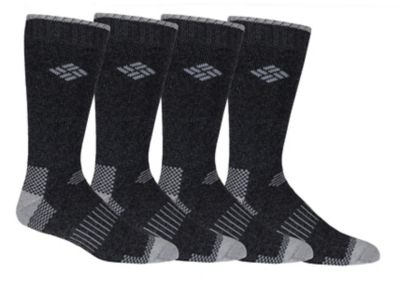
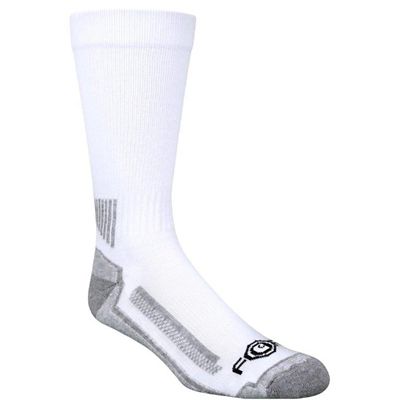
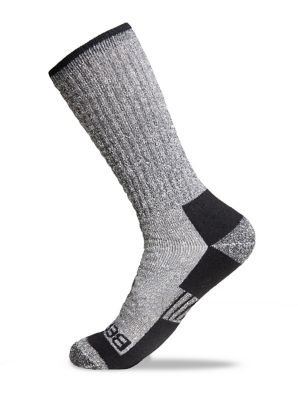
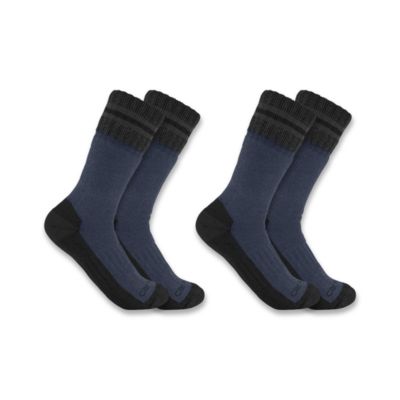
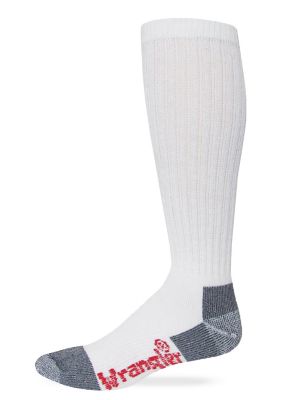
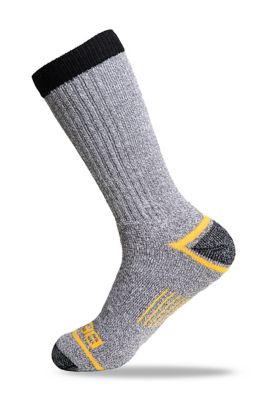
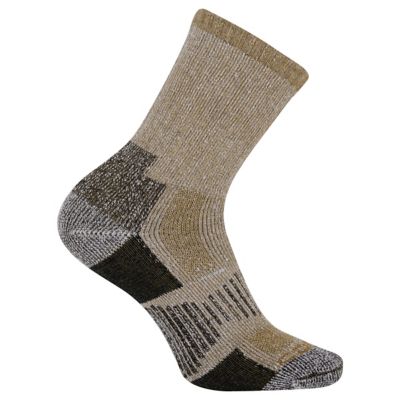
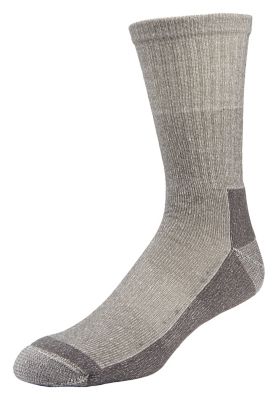
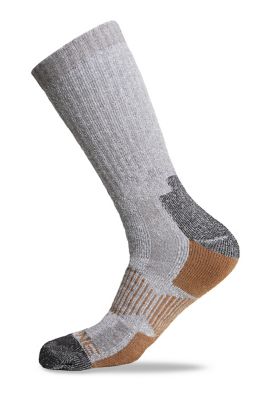
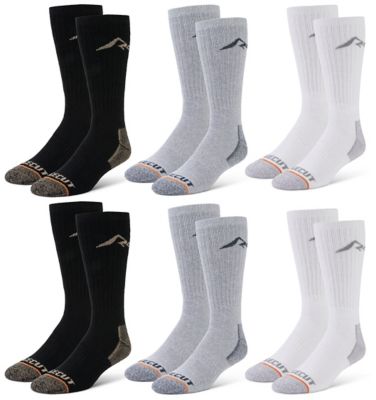
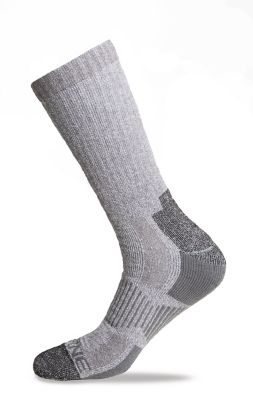
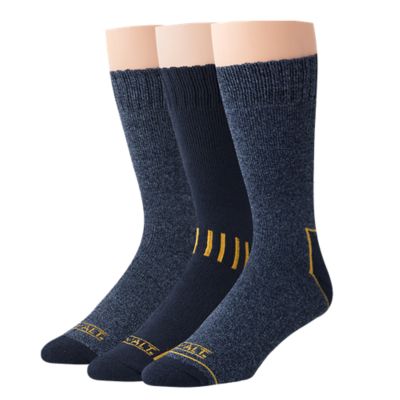
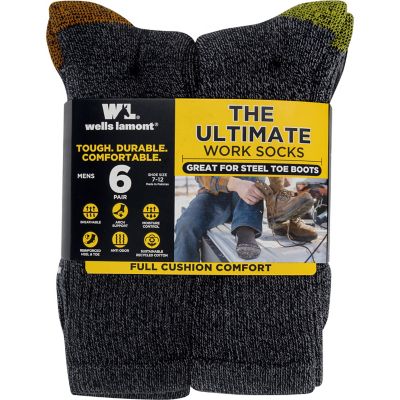
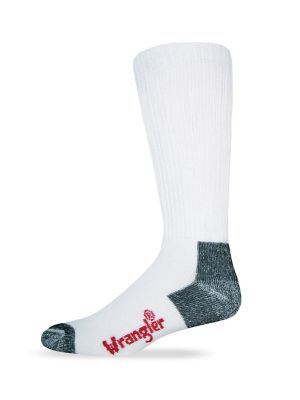
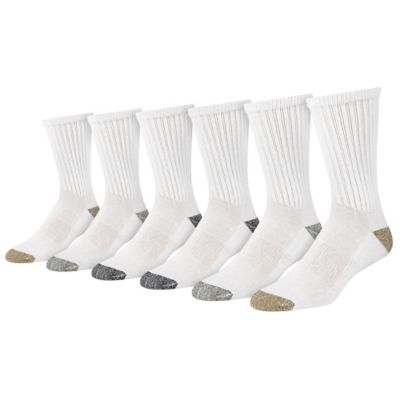
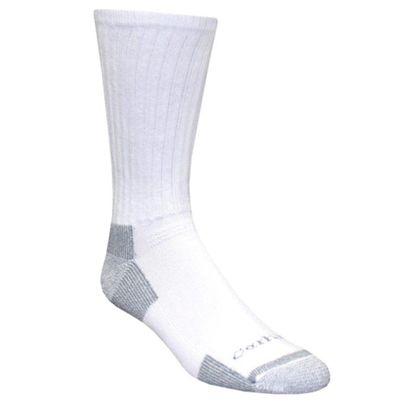
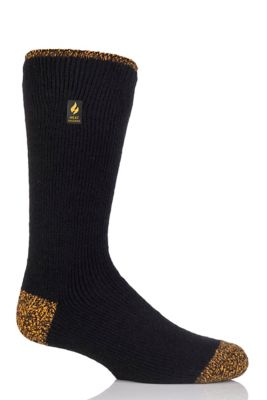
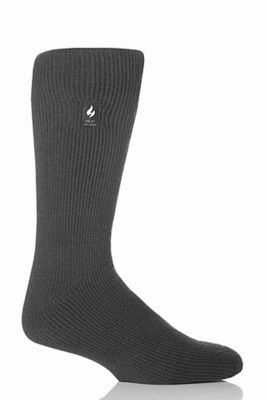
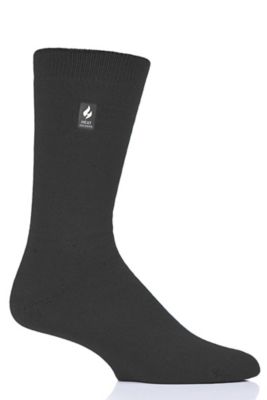
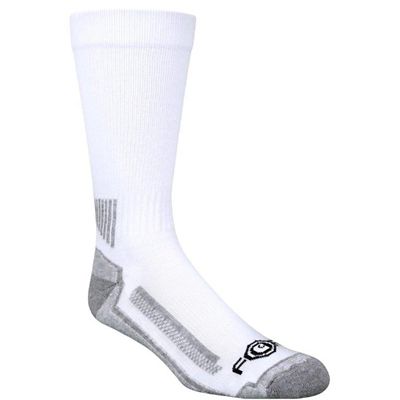
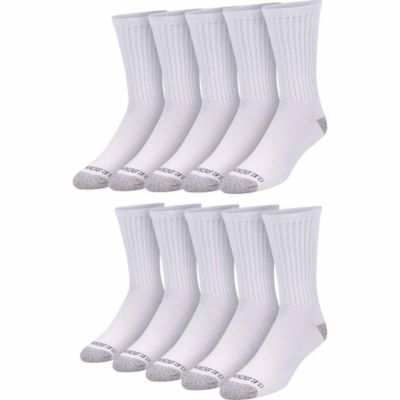
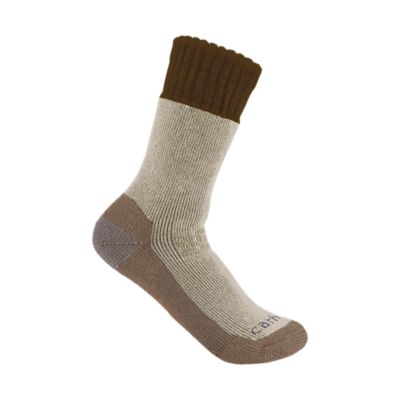
Men’s thick work socks add a cushioned layer between feet and work boots, helping take the edge off hours spent feeding livestock, repairing fence, hauling supplies or walking a concrete shop floor. The right pair brings together padding, moisture management and a fit that stays put without crowding the boot. Thickness can come from a heavier knit, terry loops inside the sock or extra cushioning in selected areas, so two pairs that look similar may feel quite different underfoot. Full cushioning puts padding throughout more of the sock, while targeted cushioning concentrates it around places such as the heel, sole and toes. Material blends matter just as much as heft. Merino wool fibers can absorb moisture vapor and help manage odor, while nylon often adds strength where fabric faces repeated rubbing. Polyester can help move moisture through the fabric and dry faster than cotton, and a small amount of spandex gives the knit stretch and helps it return to shape. Acrylic also appears in work sock blends, contributing softness and loft. Cotton blends have a familiar feel and can suit everyday chores, though cotton absorbs perspiration and generally takes longer to dry than many synthetic fibers. For long shifts or work that keeps feet sweating, fabric content and moisture-moving construction deserve a close look. No material keeps feet dry on its own; the sock, boot lining and amount of airflow all play a part. A thick sock inside a boot that traps moisture can still feel damp by the end of the day. Fiber percentages tell more than a broad description such as “wool blend,” since the balance of wool, synthetics and stretch fibers affects feel, drying and shape retention. Dense knitting and reinforced heels and toes are also worth noting for work that involves plenty of walking, kneeling or climbing. Extra fabric at those contact points helps the sock stand up to friction from boot linings, but thickness alone does not tell the whole story about how well a pair will hold up.
Fit makes the difference between welcome cushioning and a boot that feels packed too tight. Men’s thick work socks should sit smoothly around the foot, with the heel pocket lined up at the heel and enough toe room to avoid pulling the fabric taut. Loose material can bunch beneath the ball of the foot or fold near the toes, while an undersized sock may slide down or draw tightly across the front of the foot. Sock sizing often follows a range of shoe sizes, but the package’s sizing chart is the better reference because sock size numbers do not always match footwear numbers. Foot width, calf size and the amount of stretch in the knit also affect the feel. Crew socks generally reach above the ankle, while boot and over-the-calf styles extend farther up the leg; actual heights vary. A sock that reaches above the boot collar helps keep that edge from rubbing directly against skin. Ribbed cuffs and shaped heels can help keep fabric in place during repeated trips between the barn, truck and shop. A snug arch band may help steady the sock, though it does not replace the support supplied by properly fitted footwear. Toe seams deserve attention, especially in safety-toe boots, where a bulky seam can become noticeable after several hours. Flatter seams and cushioning around the toes may improve comfort, but socks cannot make a cramped toe box fit correctly. Steel-toe and composite-toe boots both need enough interior space for the foot and the chosen sock. For boots with room for a heavier knit,
Extra Thick Work Boot Socks offer another category to consider, with fit still taking priority over thickness. Wearing two thick pairs can crowd the boot, create folds and add friction rather than solve a comfort problem. A single pair matched to the boot often gives a smoother feel. The goal is cushioning without pinching, sliding or excess fabric, whether the day involves operating equipment, making deliveries or standing at a workbench.
Care and construction both shape how long thick work socks stay comfortable. Reinforced heels and toes help with wear in high-friction spots, while a well-shaped heel and stretchy cuff help preserve the fit through repeated wearing and washing. Even sturdy fabric wears down faster when it rubs against rough boot interiors, jagged toenails or debris that has worked inside the footwear. Checking the boot lining and shaking out grit can help protect both feet and socks. Care labels matter because wool blends, cotton blends and synthetic blends may call for different wash settings and drying methods. Turning socks inside out can help expose the areas that collect perspiration and soil. Washing with similar fabrics keeps heavy clothing hardware from snagging the knit, and a mesh laundry bag can help keep pairs together. Bleach, fabric softener and dryer settings should follow the label rather than a one-size-fits-all routine. Excessive dryer heat can affect stretch fibers and cause some fabrics to shrink, changing the fit that made the socks comfortable in the first place. Letting socks dry fully before wearing them again helps avoid starting the day with damp fabric against the skin. Rotating several pairs makes that easier for someone whose chores begin early and continue long after the first trip to the barn. Thin patches under the heel, stretched-out cuffs, holes and seams that have become rough are signs that a pair may no longer provide the same feel or coverage. Men’s thick work socks make practical gifts for farmers, ranchers, tradespeople, mechanics and anyone who spends much of the day in boots. Knowing the recipient’s shoe size, usual boot height and preferred fabric makes the choice more useful than simply picking the heaviest pair. For everyday work, the best match is a sock that cushions where needed, handles perspiration reasonably well and leaves enough room inside the boot for feet to move comfortably.