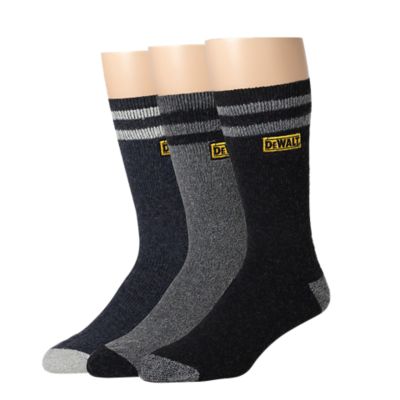
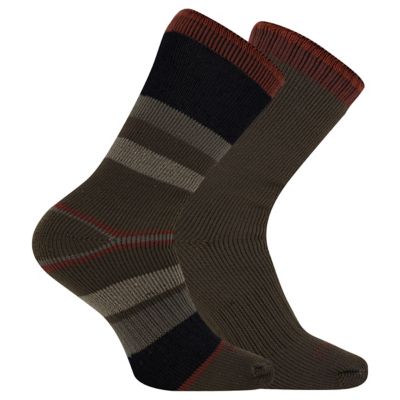
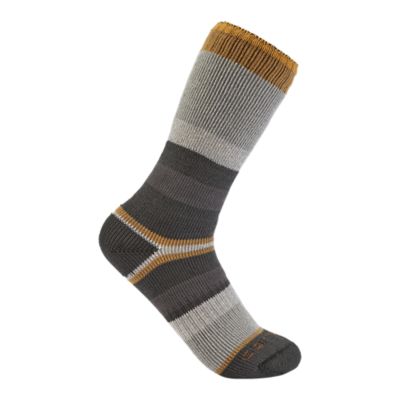
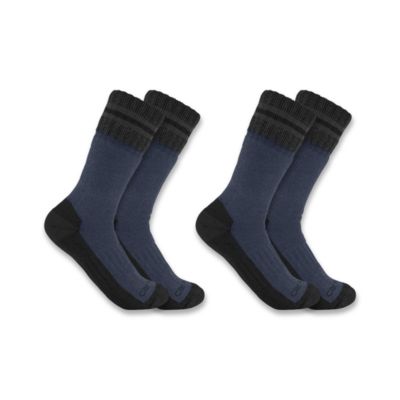
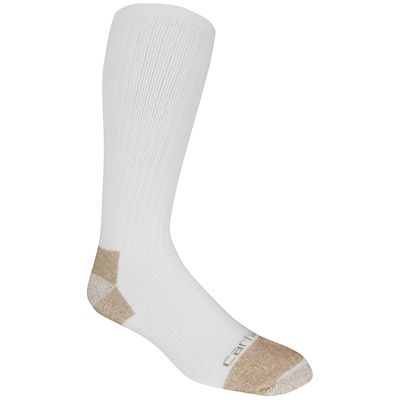
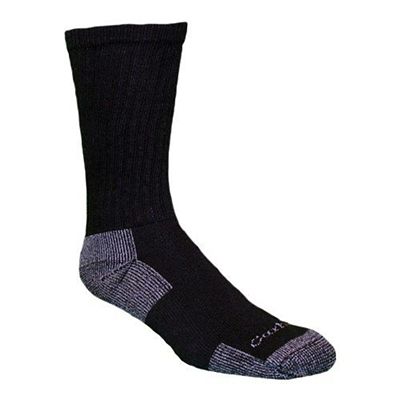
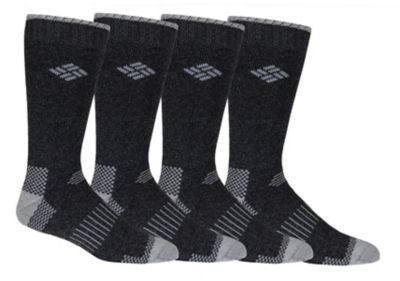
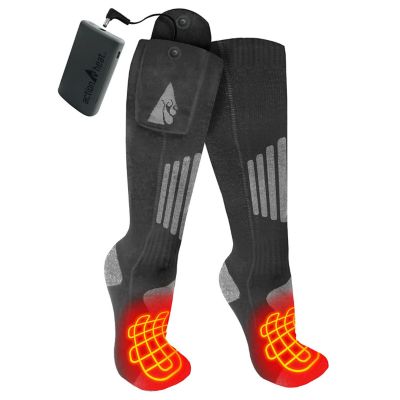
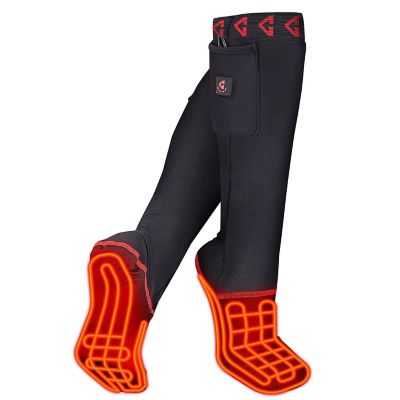
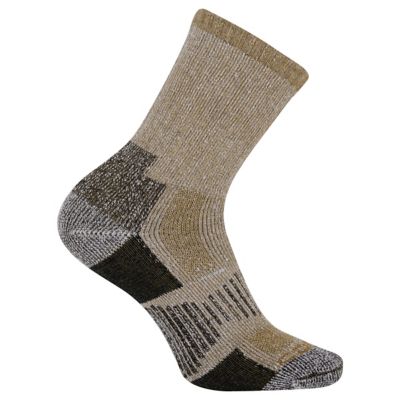
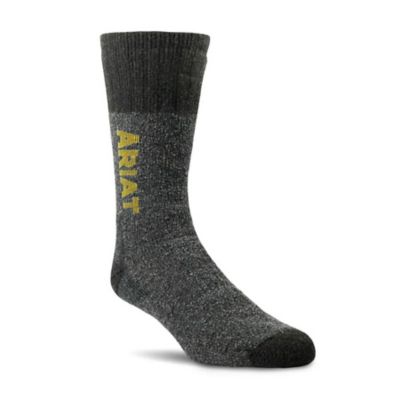
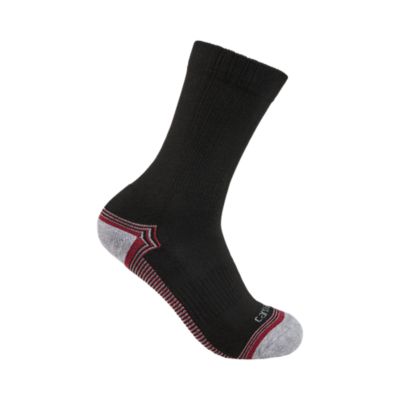
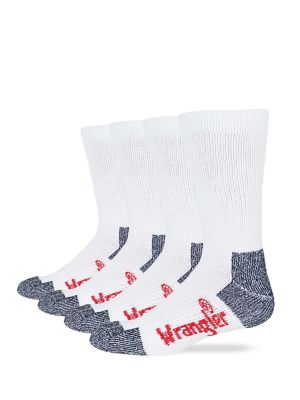
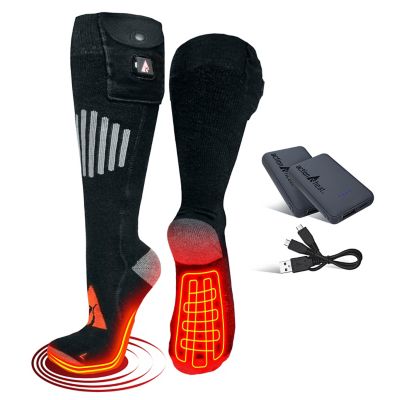
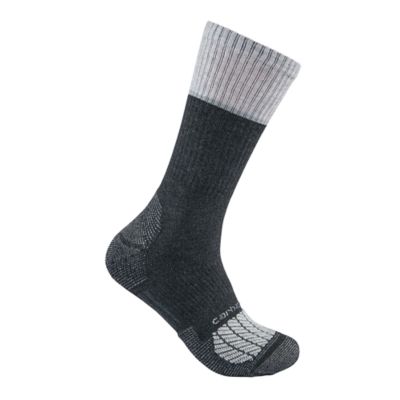
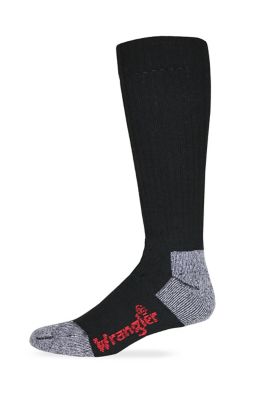
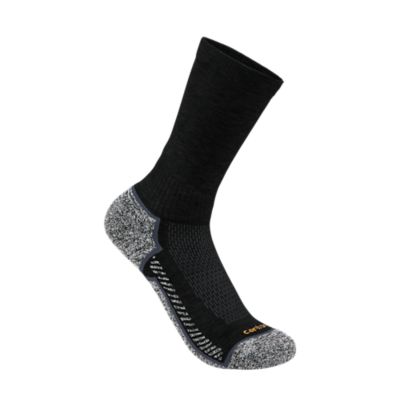
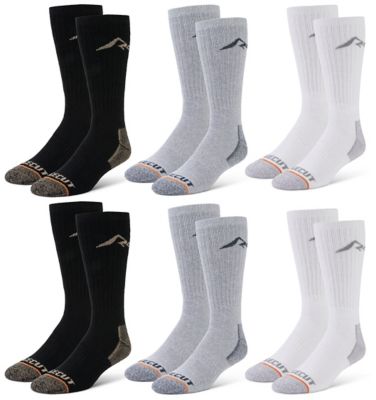
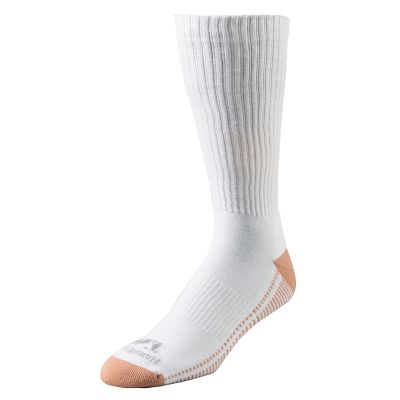
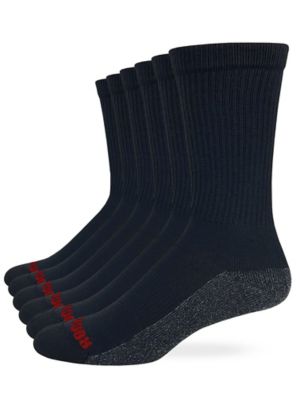
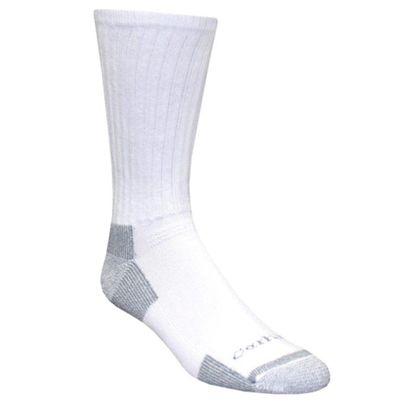
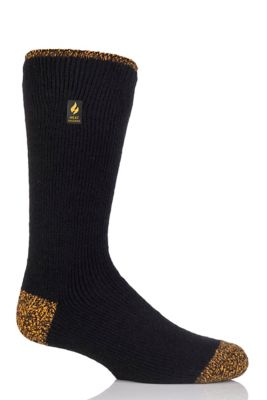
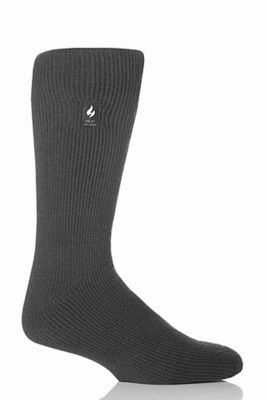
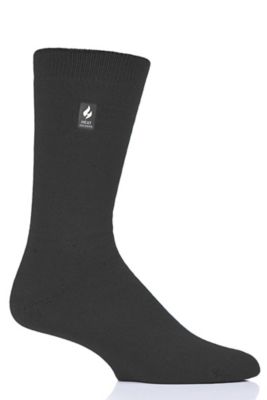
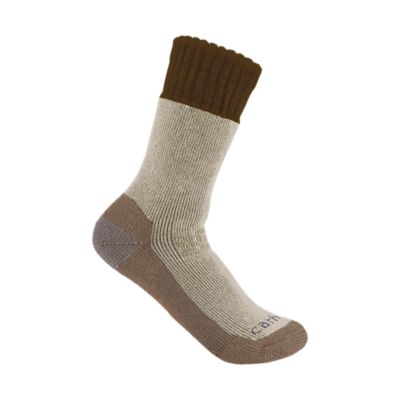
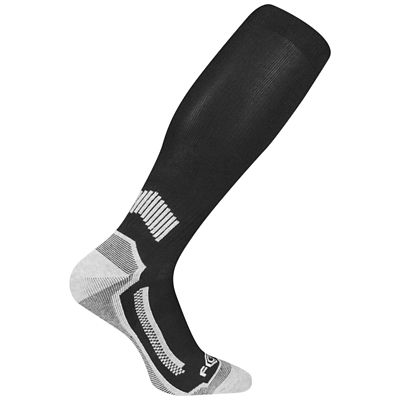
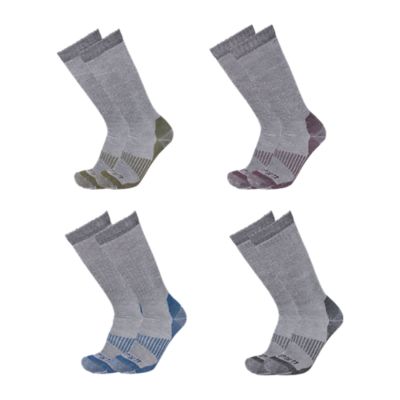
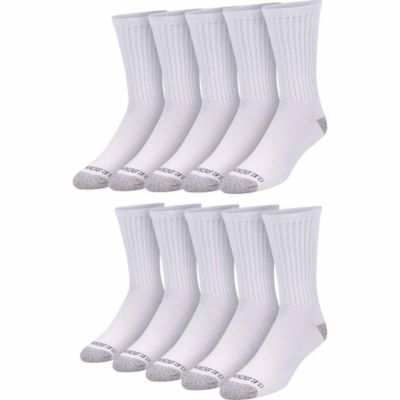
Thermal work socks are made for the kind of cold-weather days when ordinary socks leave your feet chilled before the work is half done. They add warmth inside work boots by using thicker yarns, insulating fibers, and cushioned construction that helps hold a layer of warm air close to the skin. They are a practical choice for farmers, ranchers, construction crews, warehouse workers, delivery drivers, landscapers, hunters, and anyone who spends long stretches outdoors during the cooler months. They also come in handy for chores around the property, from feeding livestock before sunrise to repairing a fence with cold ground underfoot. When choosing thermal work socks, start with the footwear and the job. Heavyweight socks can be a good match for roomy leather work boots or insulated boots, while midweight socks may fit better in snugger footwear without crowding the toes. A sock that is too thick for the boot can restrict circulation, create pressure points, and leave feet colder instead of warmer. Look for a comfortable fit that reaches high enough to protect the lower leg from boot rubbing, with a cuff that stays up without digging in. Cushioned soles can soften every step across gravel, concrete, or packed dirt, while reinforced heels and toes help the socks stand up to daily wear. Arch support and a smooth toe seam are useful details for long shifts, especially when boots are worn for eight or more hours. For more everyday options, browse
Mens Heavy Duty Work Socks alongside thermal styles to help build a dependable drawer of work-ready basics.
Material affects how thermal work socks feel, dry, and perform over a full day. Merino wool and other wool blends are valued for their natural insulation and ability to help regulate temperature, so they can feel warm in cold conditions without becoming overly stuffy when activity picks up. Wool fibers can also help manage moisture and resist odors, which is useful when the same pair is worn through a long shift or packed for a hunting trip. Alpaca blends offer a soft, warm feel and can be a good choice for people who prefer plush insulation. Acrylic and cotton blends often provide substantial cushioning and durable everyday wear, making them popular for chores, shop work, and use with rugged boots. Synthetic fibers such as nylon and spandex are commonly added for stretch, shape retention, and reinforcement in high-wear areas. The best blend depends on the conditions and how much walking, standing, or physical work is involved. For damp conditions, moisture management matters just as much as thickness; wet feet lose heat quickly, and a sock that stays saturated can lead to rubbing and blisters. For very cold work, look for a warm, brushed, or heavily cushioned interior that feels comfortable without bunching. People working around mud, snow, or wet grass may want to keep spare pairs in a truck, barn, or gear bag so a damp change of socks is always within reach. Thermal work socks also make a useful gift for someone who works outside, enjoys winter recreation, spends weekends at a deer camp, or takes pride in keeping a well-equipped mudroom. A few pairs paired with gloves, a warm hat, or other practical cold-weather gear can make a thoughtful gift for a new farmhand, tradesperson, outdoorsman, or family member who is always out fixing one more thing before supper.
Proper care helps thermal work socks keep their loft, stretch, and moisture-wicking performance through repeated wear. Check the care instructions first, since fiber blends can have different washing needs, but many styles benefit from being turned inside out and washed in cool water on a gentle cycle. Avoid bleach and fabric softeners when the label permits; bleach can weaken fibers, while softener may coat the yarns and interfere with their ability to move moisture away from the skin. Air drying flat or tumble drying on low heat can help preserve the sock’s shape, elastic cuff, and soft interior. High heat may cause shrinkage or reduce elasticity, which can lead to a tight fit inside boots. Let work socks dry completely between wears, and avoid putting damp socks straight into a closed boot or gear bag. Rotating several pairs gives each pair time to dry and recover, while also reducing wear in the heel and toe. Before heading out, pull the sock smoothly over the foot and calf, making sure there are no folds under the arch or across the toes. Pair thermal socks with boots that fit properly and leave enough room for natural movement and circulation. If boots are already tight, adding a very thick sock may make the fit uncomfortable; a well-made midweight style can offer a better balance of warmth and mobility. With the right material, thickness, fit, and care, thermal work socks help keep feet warmer, drier, and more comfortable through early fall chill, damp mornings, frosty workdays, and the cold conditions that follow.