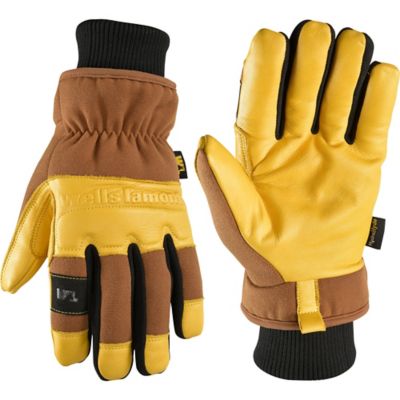
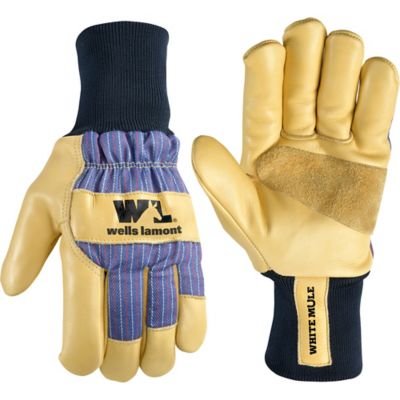
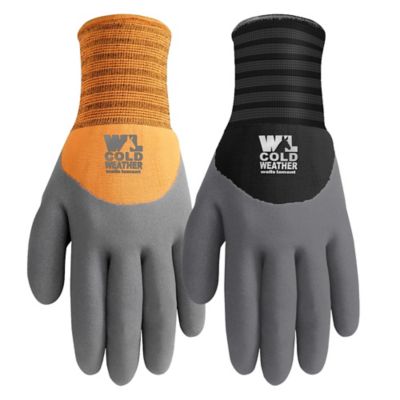
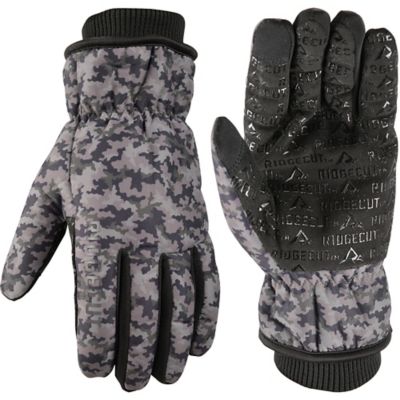
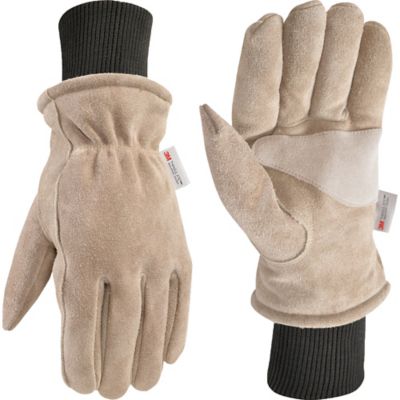
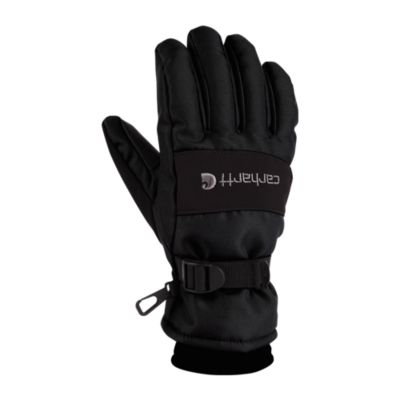
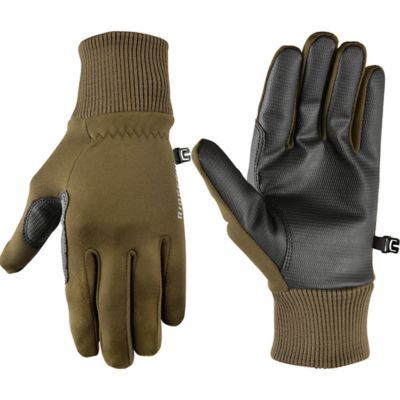
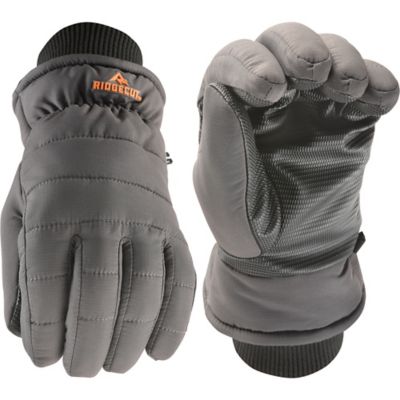
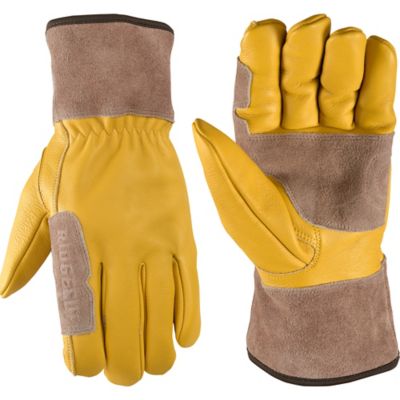
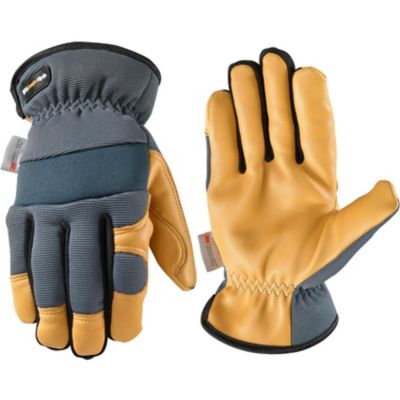
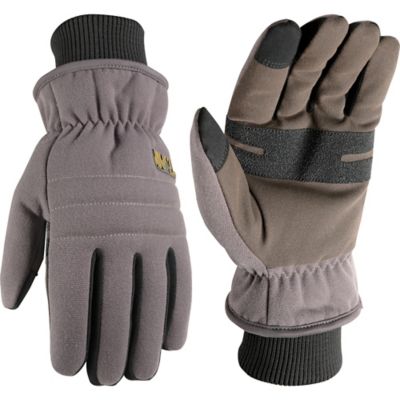
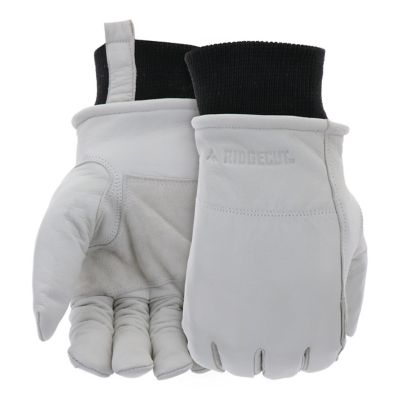
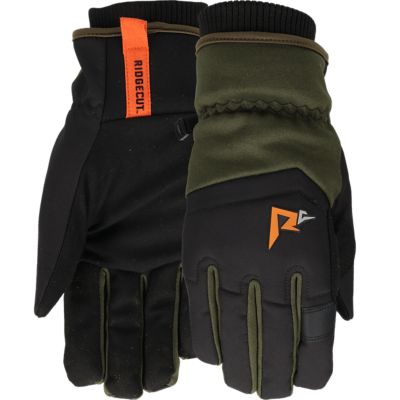
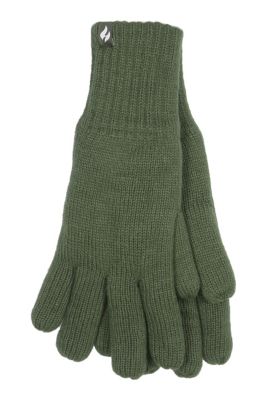
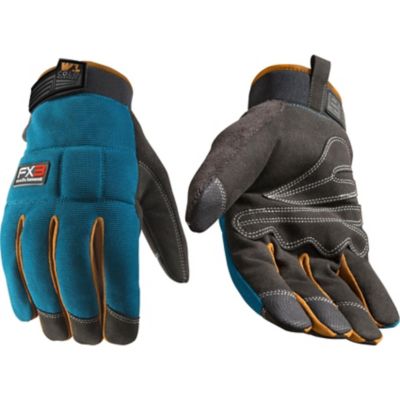
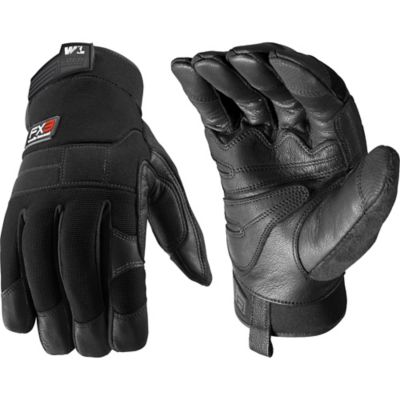
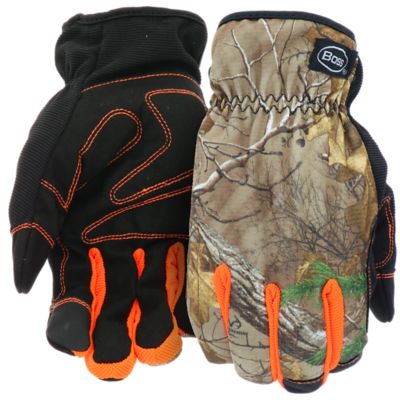
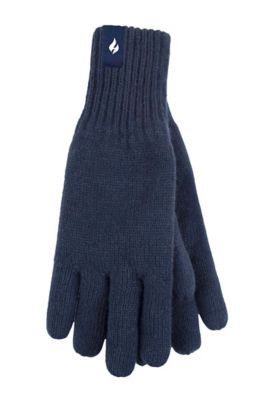
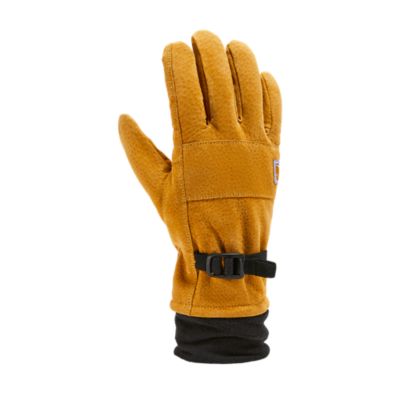
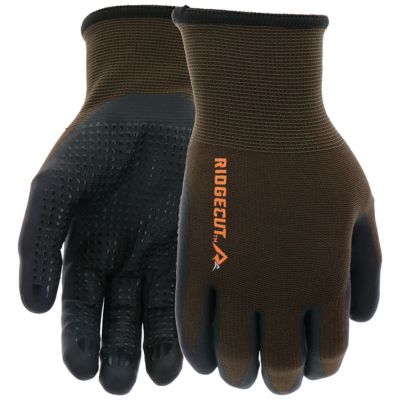
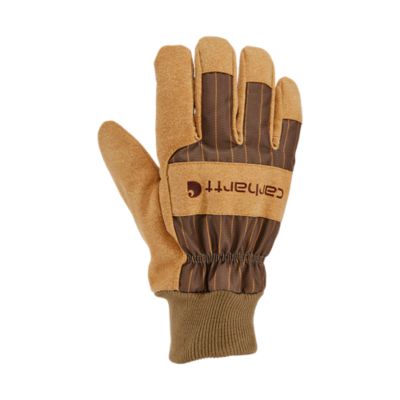
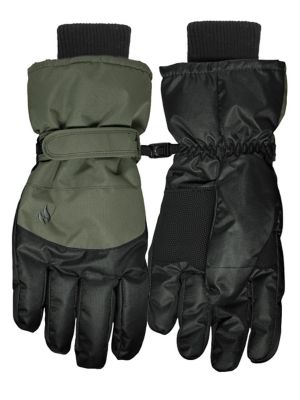
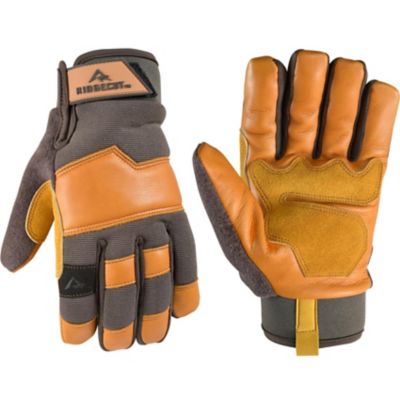
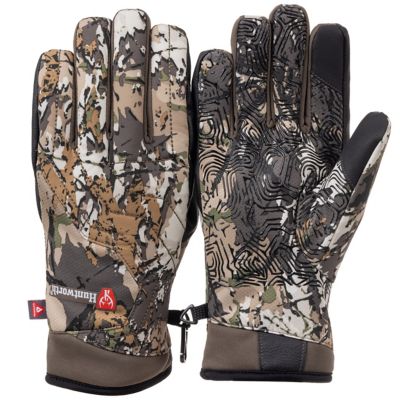
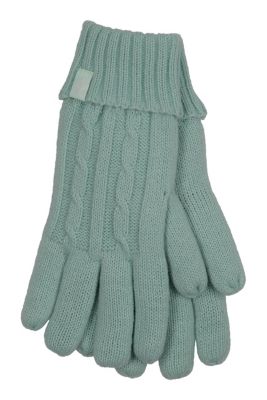
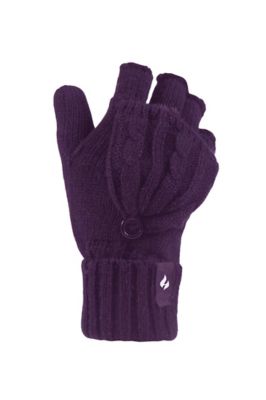
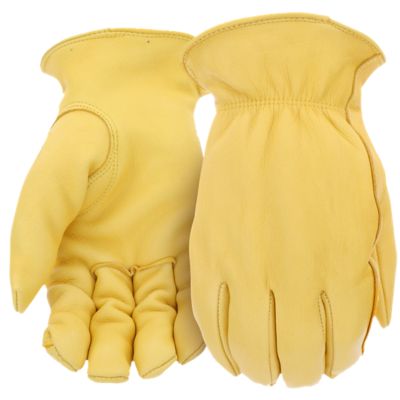
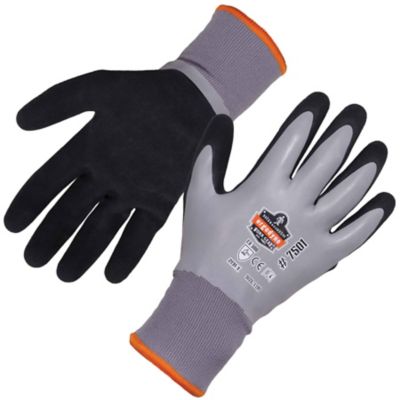
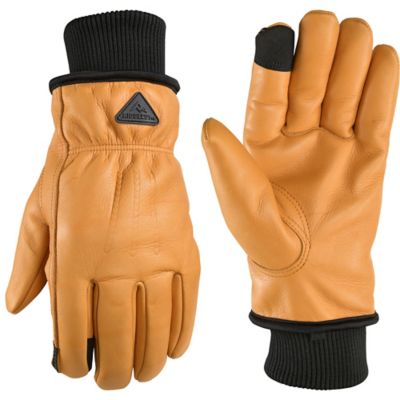
Men’s cold weather gloves help keep hands warm through chores that don’t stop when the temperature drops, from breaking ice out of a water trough to stacking firewood beside the house. The right pair balances insulation, grip and finger movement for the job ahead. Someone checking fence lines on foot may need a different glove than someone clearing snow from a driveway or carrying feed to the barn. Leather palms offer abrasion resistance and a firm feel around shovel handles, gate latches and rough lumber, while canvas shells bring a sturdy feel to everyday work. Flexible synthetic shells can make it easier to bend fingers around smaller handles, and wind-resistant materials help cut the chill across open pastures and exposed yards. Fleece adds softness and warmth without a stiff feel, making it a practical choice for lighter chores, walks and trips into town. Wool can help manage moisture and retain some insulating ability when damp, though a wool glove alone may not provide much protection against wind or wet snow. Insulated work gloves often combine several materials, with a tough outer shell, a warm lining and added protection at high-wear areas. Synthetic insulation traps air around the hand, but more insulation isn’t always better for every task. Thick gloves can feel comfortable while standing still yet make it harder to handle a key, fasten a snap or pick up a small part. Breathability matters during active work, since sweat inside a glove can leave hands feeling chilled once the pace slows. For outdoor chores that move between sheltered barns and open ground, that balance between warmth and moisture management can matter as much as thickness. Insulation weight alone doesn’t establish a dependable temperature limit; wind, moisture, activity level and individual circulation all affect comfort. Matching the glove’s construction to the work helps keep winter hand protection practical rather than cumbersome.
Men’s gloves for winter come in different fits and constructions, with details that matter when a simple chore turns into a long stretch outdoors. A good fit leaves a little room at the fingertips without letting extra material fold over the ends. Fingers should bend comfortably, and the palm shouldn’t pull tight when making a fist or gripping a tool. Gloves that squeeze the hand can interfere with circulation and leave less room for insulating air, while loose gloves may shift around a handle. Size charts that account for hand circumference and finger length offer a better starting point than guessing from clothing size. Lining thickness also changes the feel, especially for anyone planning to wear a thin liner underneath. Stretch panels and shaped fingers can make repeated gripping less tiring, while reinforced palms and fingertips help handle the rubbing that comes with hauling wood, carrying buckets and working gate chains. Textured gripping surfaces can help with slick handles, although no glove makes an icy surface safe to hold. Cuffs deserve a close look, too. A snug knit cuff helps close the gap at a jacket sleeve, while a longer gauntlet can extend coverage over the wrist and forearm. Adjustable closures help secure the fit, and pull tabs can make getting dressed easier when fingers are already cold. For shoveling, handling snowy equipment or working around slush, the difference between water-resistant and waterproof construction matters. Water-resistant shells shed limited moisture, while waterproof designs generally include a barrier intended to keep water from reaching the lining. Seams, cuffs and the condition of the glove still affect how well the whole glove keeps water out. Wind protection is especially helpful for chores in open areas, while breathable construction supports more active work. Touchscreen-compatible fingertips may save a glove removal when checking a message or weather report, though performance varies with the glove’s fit and the device.
The best match for everyday wear also depends on what happens after the work is done. Gloves that spend the day around mud, wet hay, firewood and snow need care suited to their materials. The care label is the starting point: some fabric gloves can go through a wash cycle, while leather and gloves with waterproof barriers may need a different cleaning method. Brushing away loose dirt before it builds up helps keep grit from working into seams and folds. Damp gloves should dry thoroughly in a well-ventilated spot, away from direct heat that can stiffen leather, shrink certain materials or damage internal layers. A lining that stays bunched in the fingertips can make the next wear uncomfortable, so it helps to straighten the fingers gently after taking the gloves off. Leather may benefit from a conditioner approved for that material, with attention to any care restrictions for waterproof construction. Checking stitching, palm wear and worn spots around the fingertips makes sense before a long day outside; small signs of wear can become bigger problems when a glove is gripping tools for hours. For households with livestock, wood heat or regular snow cleanup, keeping a dry spare pair handy can make the transition between wet chores and the next task more comfortable. A lighter pair may suit quick trips to the shed, while a more insulated pair fits slower work with longer exposure to cold. Gloves also make a practical gift for a rancher, gardener, outdoor worker or anyone who spends time tending a place through winter, especially when the fit and usual chores are known. The most useful pair isn’t necessarily the thickest or most heavily reinforced. It’s the pair that lets the wearer carry a feed sack, close a stubborn latch and hold a shovel securely while keeping hands comfortably protected from the cold.