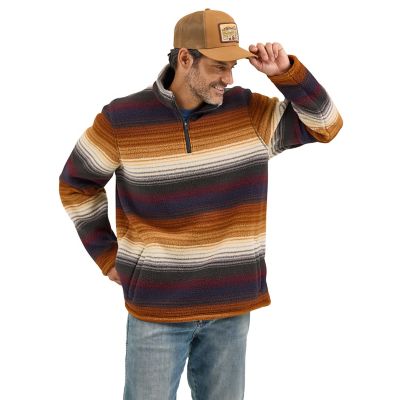
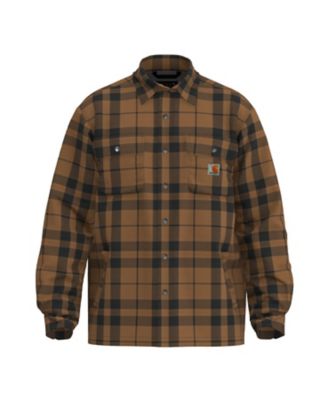
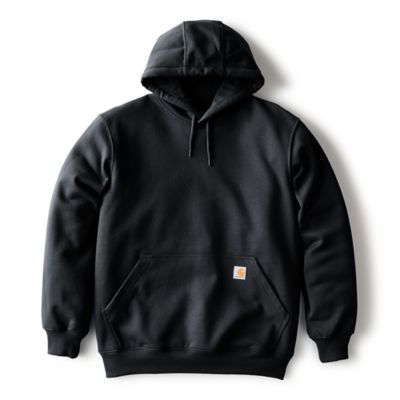
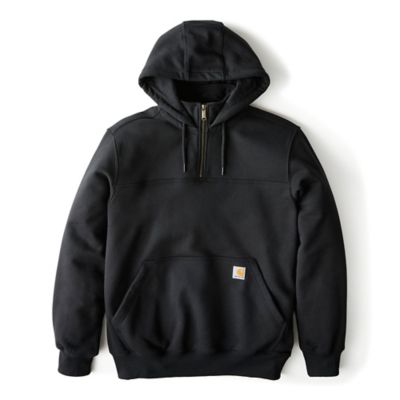
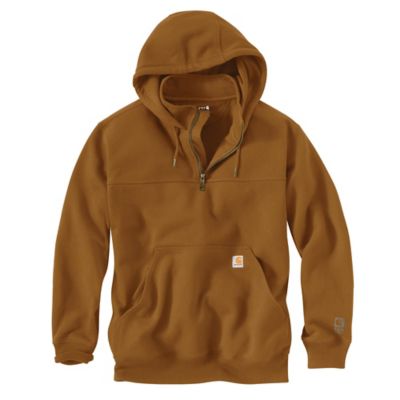
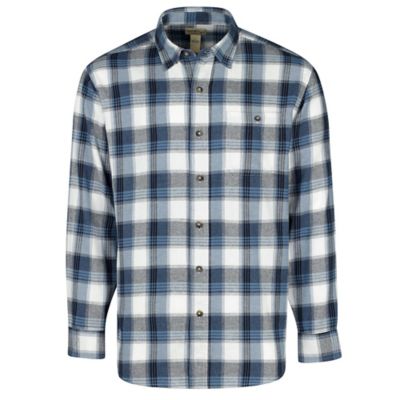
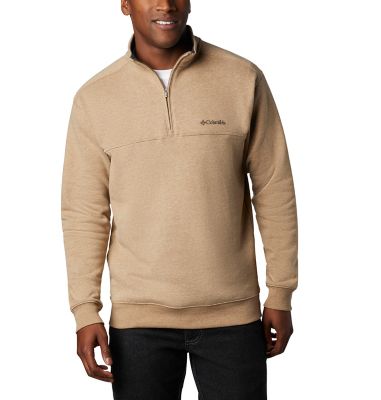
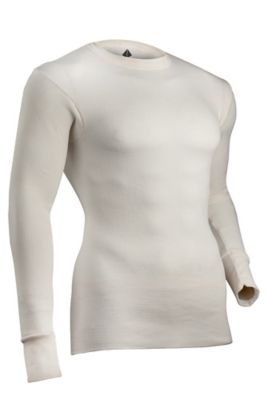
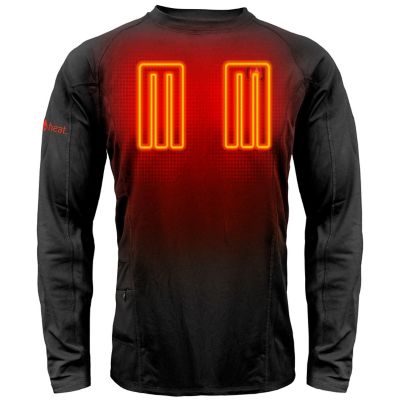
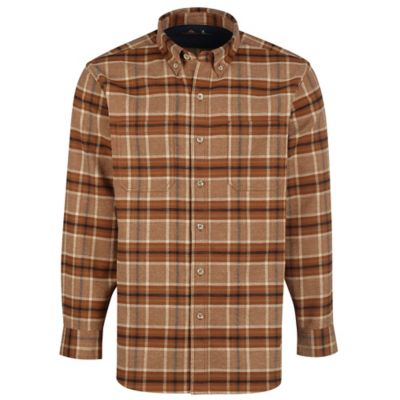
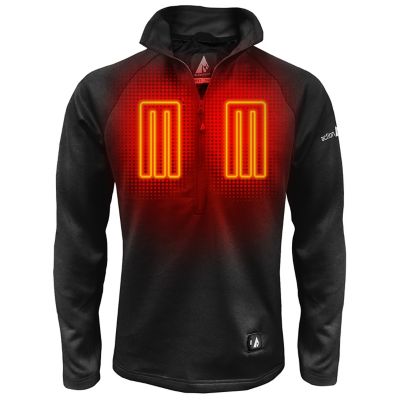
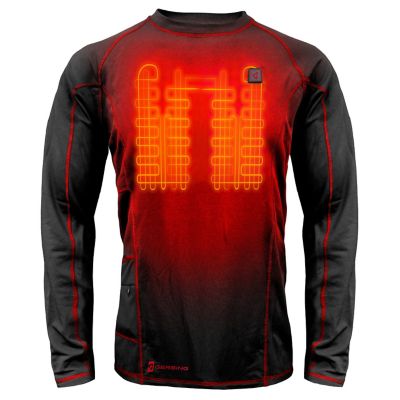
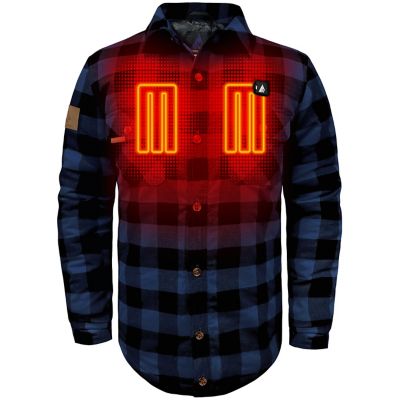
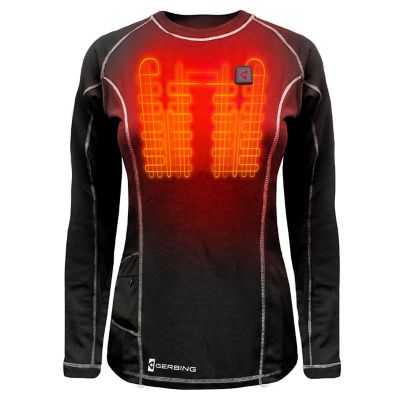
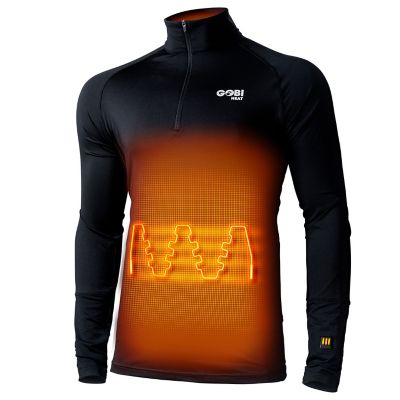
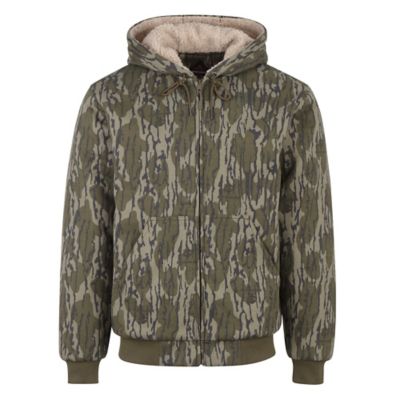
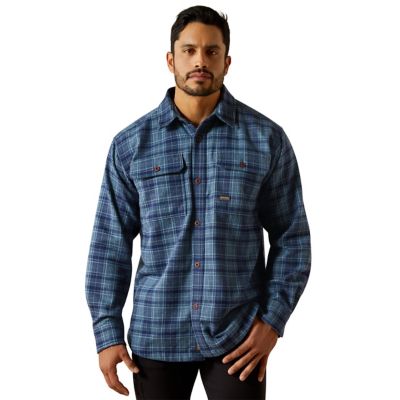
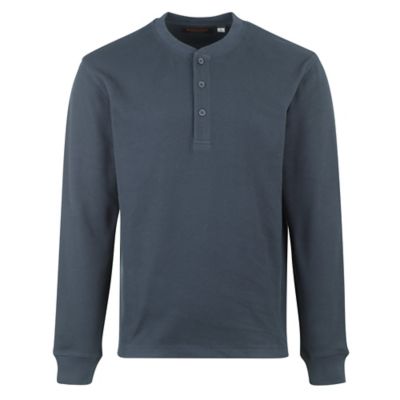
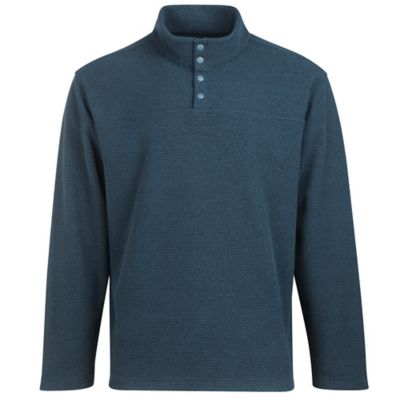
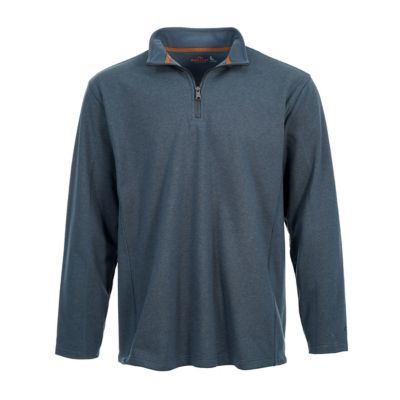
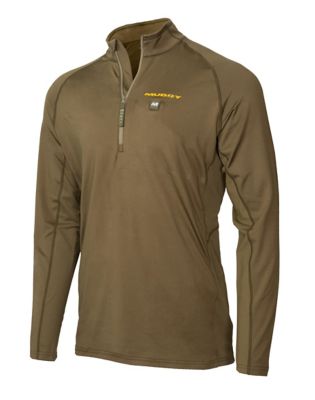
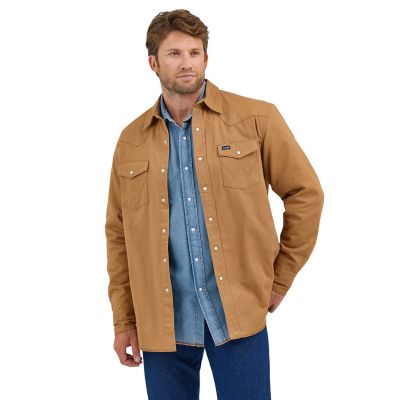
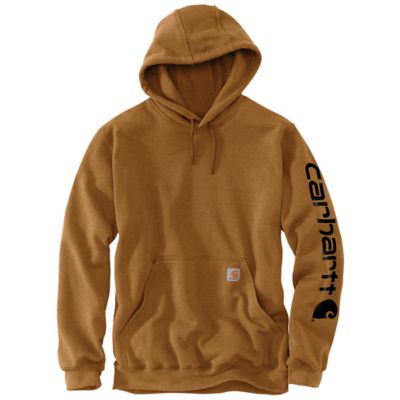
Men's warm winter shirts include heavyweight flannel shirts, fleece-lined shirts, wool-blend overshirts and thermal tops that help hold warmth close to the body. Each brings something different to a cold morning, whether the day starts with feeding livestock, loading the truck or heading into town. Flannel gets its familiar softness from a brushed surface, and a heavier fabric generally provides more insulation than a thin version of the same material. Cotton flannel feels comfortable against the skin and works well over a T-shirt, though cotton absorbs moisture and can take a while to dry. That matters when a stretch of hard work leaves a shirt damp before the next outdoor task. Fleece-lined shirts add a layer of insulation inside the outer fabric, making them a practical middle layer or a light outer layer in dry, chilly conditions. Sherpa-style linings have a deeper pile that holds warm air, but their extra thickness also takes up more room beneath a coat. A tightly woven outer fabric can help limit airflow, although warmth alone does not make a shirt windproof or waterproof.
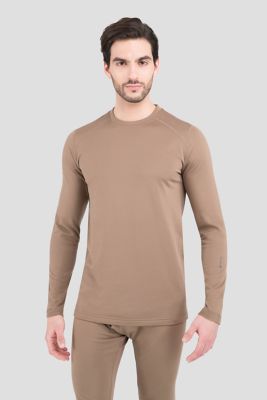
Men's Wool Shirts offer another cold-weather option, with wool providing insulation and retaining some of that insulating ability when damp. Wool blends vary in softness, weight and care needs, so fiber content matters as much as appearance. Thermal shirts take a different approach: waffle-knit textures and other insulating constructions create small spaces that help hold warm air beneath additional layers. A thermal usually belongs closer to the skin, while a substantial flannel or overshirt needs room underneath. Some synthetic fabrics move moisture away from the body and dry faster than cotton, which can help during active work. Fabric weight, lining thickness and the layers worn together all affect comfort; a shirt that feels plenty warm inside the barn may still need a wind-blocking coat out in an open pasture.
Fit makes a real difference when a winter shirt has to move through a full day's work. A close-fitting thermal should sit near the body without squeezing the shoulders, pulling across the chest or binding at the elbows. An overshirt needs enough space for the layer beneath it, but excessive room can leave loose fabric bunching under a jacket. Regular, relaxed and slim fits describe different shapes rather than a fixed level of warmth, and the same size can feel different from one cut to another. Shoulder seams, sleeve length and room through the upper back are worth considering together, especially for reaching toward a high shelf or lifting a feed sack. The hem should stay where it belongs when bending over a gate latch, with longer tails helping a tucked shirt remain in place. A straight hem can sit comfortably untucked, provided it does not interfere with tools or equipment. Cuffs that close neatly help keep sleeves from riding up, while enough wrist room makes it easier to wear the shirt with gloves. Button fronts allow a little ventilation between tasks and make an overshirt easy to remove when stepping into a heated cab. Snaps can also simplify opening and closing, though the best choice comes down to how the shirt fits into everyday routines. Chest pockets provide a handy place for small essentials, and pocket flaps help keep those contents covered during movement. Thick linings may feel comfortable for slower chores but become too warm while stacking wood or carrying supplies. A lighter shirt beneath an insulated jacket allows more flexibility when activity levels change. For work around moving equipment, a neat fit with secured sleeves and no dangling fabric matters more than extra room. Shirts worn for errands, a meal in town or an evening around the house can lean toward a softer feel and an easier cut, while still leaving space for a coat when the next stop is outdoors.
Long wear depends on the fabric, construction and care, not just how heavy a shirt feels on the hanger. Well-secured buttons, finished seams and reinforcement at stress points help a work shirt handle repeated movement. Elbows, cuffs and pocket edges often see the most rubbing, especially when arms rest on rough lumber or reach across a truck bed. A substantial weave can suit that kind of daily contact, while softer knits may feel better as layers protected beneath another shirt. Care requirements differ across cotton, wool, fleece and blended fabrics, so the garment label should determine washing temperature, drying method and any special handling. High heat can shrink some fabrics, change the fit or affect synthetic fibers, and wool may need a gentle wash or another cleaning method specified on its label. Leaving enough room in the washer helps thick shirts move through the wash and rinse rather than staying packed into a tight bundle. A lined shirt also needs time to dry completely, including its cuffs, collar and pocket areas, before being folded away. Closing fasteners as directed and avoiding overloaded laundry loads can reduce unnecessary pulling and abrasion. Small repairs to a loose button or an opening seam can keep a familiar shirt in rotation longer. Between wears, letting a shirt air out and following its care directions helps keep it ready for the next round of chores. For men who move between outdoor work and indoor spaces, several manageable layers often feel more practical than one exceptionally thick shirt. A brushed flannel can serve for everyday wear, a thermal can add warmth beneath work clothes, and a lined overshirt can suit short trips outside when conditions allow. These familiar styles can also make thoughtful gifts for someone who spends time tending animals, working in a shop or tackling jobs around the property. The most useful gift matches the recipient's usual fit, preferred fabric feel and willingness to follow the care routine, with enough layering room for the way he spends his winter days.