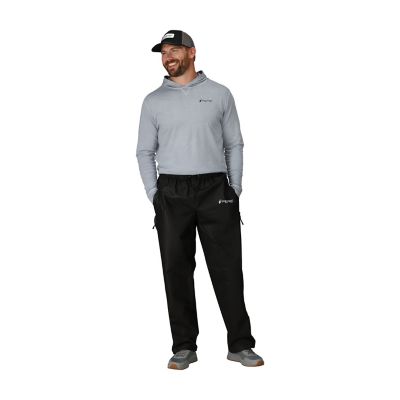
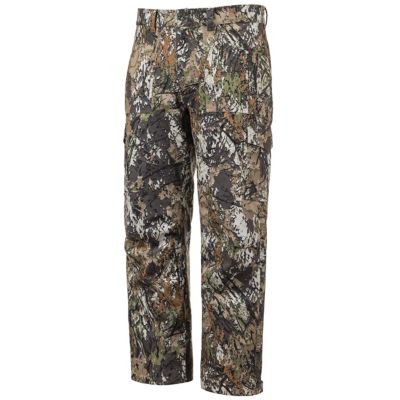
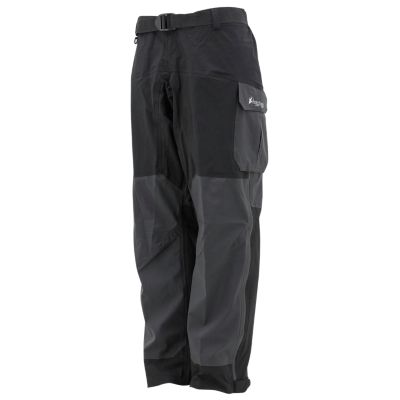
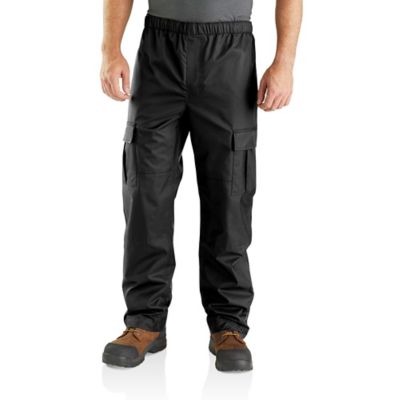
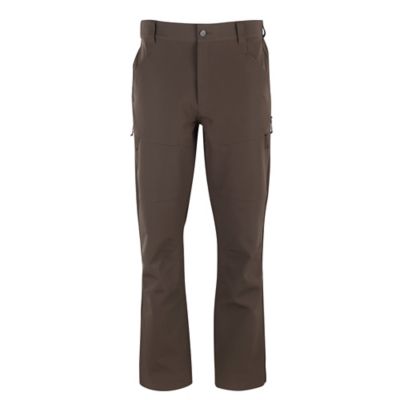
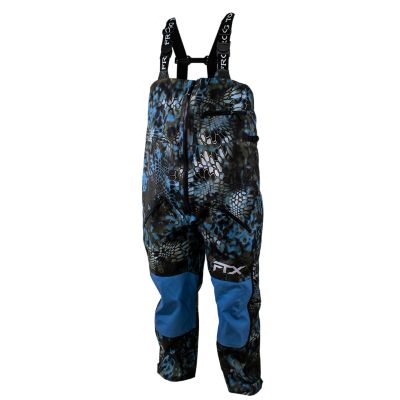
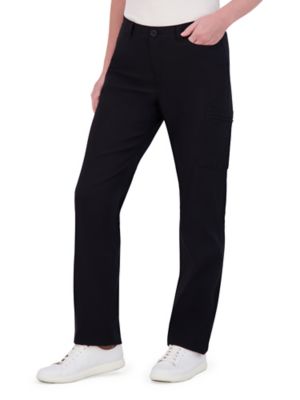
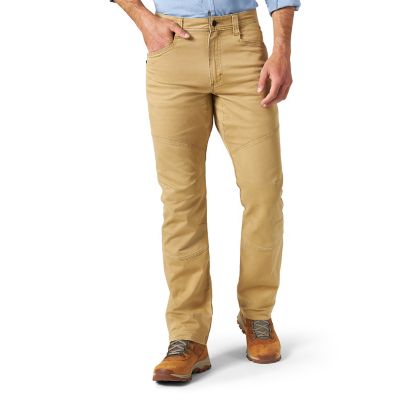
Men's waterproof hiking pants help keep rain, wet brush and muddy trail spray from soaking through while leaving room to move over rough ground. The category ranges from lightweight rain over-pants that pull on over a hiking layer to waterproof shells built for longer stretches of exposed trail. Water-resistant hiking pants can shed a brief sprinkle, but waterproof construction adds a barrier intended to block water under more demanding conditions. That distinction matters when a short walk along the creek turns into several miles through dripping grass or steady rain. Nylon and polyester are common shell fabrics, with performance shaped by the weave, fabric weight, waterproof coating or membrane, and seam construction. Taped or sealed seams help close the needle holes left by stitching, while protected zippers reduce another possible entry point for water. A water-repellent surface treatment helps droplets bead and roll away, but that treatment alone does not make pants waterproof. Two-layer, two-and-a-half-layer and three-layer construction describe different ways the outer fabric, waterproof barrier and inner protection are arranged. Depending on the design, those differences can affect packed size, weight, next-to-skin feel and resistance to wear. A light, packable pair makes sense for carrying along when rain is possible; a more substantial shell can suit repeated trips through brush and extended exposure. Waterproof ratings describe resistance to water pressure under test conditions, while breathability ratings describe moisture-vapor transfer. Those numbers offer useful context, though test methods vary and do not tell the whole story of comfort on the trail. Walking uphill with a loaded pack produces heat and perspiration that even a breathable membrane may not release fast enough. Vent openings, sensible layering and a pace suited to the terrain all play a part. Waterproof hiking pants work best as part of a clothing system, not as a promise that every hard climb will feel dry inside. Their main job is to provide a barrier against outside moisture while supporting the movement a hike demands.
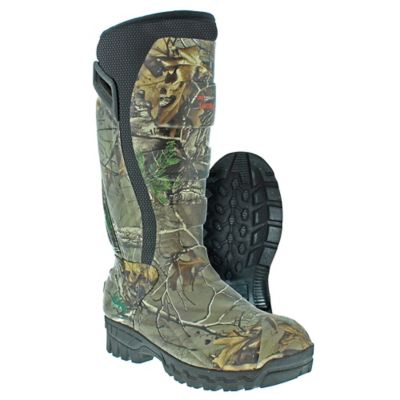
Fit makes a noticeable difference when the path leaves level ground. Men's waterproof hiking pants need enough space through the seat and thighs for a high step onto a rock, a squat beside a pack or a long stride across a shallow rut. Articulated knees and a gusseted crotch can help the fabric move without pulling tight, especially when the shell has little stretch. Some designs incorporate stretch materials, but freedom of movement still depends on the cut and size. Over-pants need room for the clothing underneath, whether that means lightweight trail pants or a base layer for colder outings. An adjustable waist can help hold that extra room in place without bunching beneath a backpack hip belt. Inseam length matters, too: cuffs should cover the boot tops during a step up without dragging through mud or catching under a heel. Ankle adjustments help manage loose fabric, while side zippers can make pulling pants over footwear less of a wrestling match beside the trail. Short ankle zippers offer a smaller opening; longer side zippers may provide easier access and additional ventilation, depending on their construction. Zipper flaps and closures deserve attention because an opening that improves convenience can also need protection from rain. Pockets add another practical consideration. Their placement affects access beneath a pack belt, and a water-resistant zipper does not necessarily make the pocket watertight. A phone, map or other moisture-sensitive gear still benefits from separate waterproof storage. Footwear completes the lower-body setup, and
Men's Waterproof Hiking Shoes can complement rain pants on wet trails. Pant cuffs generally belong outside the footwear opening so runoff travels toward the ground rather than into the shoe. On trails thick with mud, loose gravel or wet vegetation, gaiters can add coverage around the ankle. Even with waterproof clothing and footwear, stepping into water above the footwear opening can let water inside. Thoughtful coverage helps, but it does not turn trail clothing into equipment for deep-water crossings.
The right balance of weight, packability and resistance to abrasion depends on where the pants will spend their time. Day hikers may appreciate a shell that folds into a small corner of a pack, while backpackers have to weigh that convenience against repeated contact with rocks, branches and pack straps. Reinforced knees, seat panels or lower legs can help in high-contact areas, though added material may bring extra weight and stiffness. A smooth interior can slide more easily over another layer, and a quieter face fabric may appeal to someone walking wooded paths or watching wildlife. For landowners checking a back trail, campers hauling gear from a trailhead, or hikers spending a full day beyond the truck, easy movement and straightforward closures often matter as much as technical specifications. Waterproof hiking pants can also make a practical gift for someone who regularly heads out on foot, especially when their waist size, inseam and preference for layering are known. Long-term performance depends partly on care. Mud, body oils and detergent residue can interfere with the way technical fabrics manage moisture, so cleaning should follow the garment's care label rather than a routine borrowed from everyday work clothes. Fabric softeners, bleach and certain stain treatments may harm a waterproof system or its surface finish. Some garments allow low heat to help restore water beading after washing; others require a different approach, making the label the deciding reference. A suitable reproofing treatment may restore surface shedding when the original finish wears down, but it will not repair a torn membrane or peeling seam tape. Checking cuffs, seams and zipper areas after rough trips can catch small problems before the next outing. Letting pants dry completely before storage also helps prevent trapped moisture and odors. With a fit that suits the wearer, construction matched to the terrain and care suited to the fabric, men's waterproof hiking pants provide practical rain protection for everything from a short muddy loop to a long walk back from the ridge.