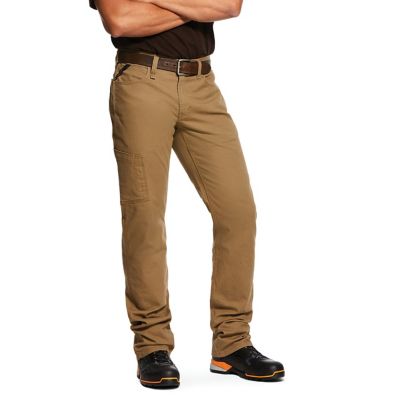
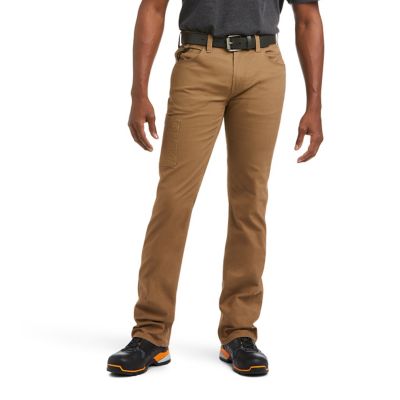
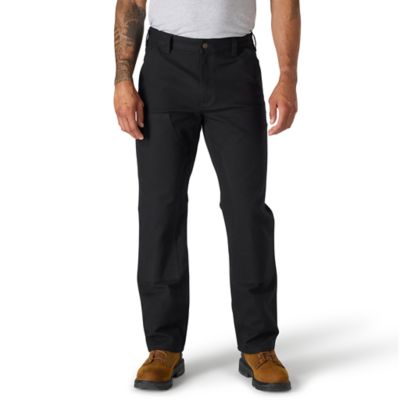
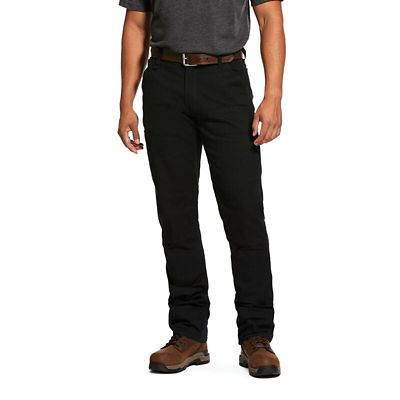
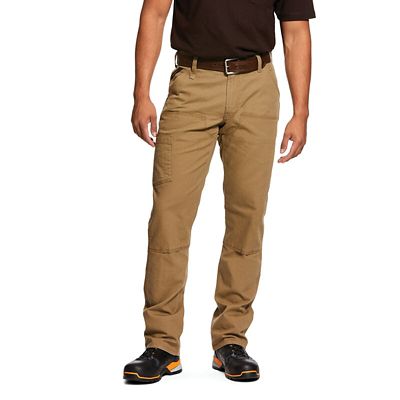
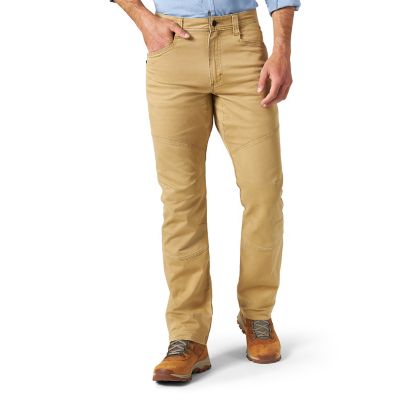
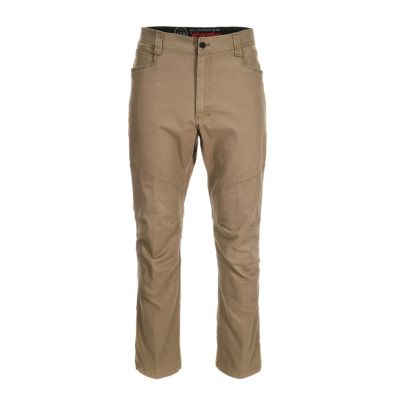
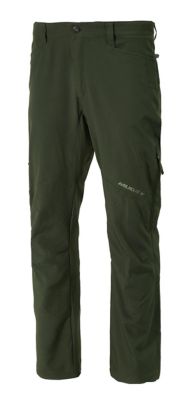
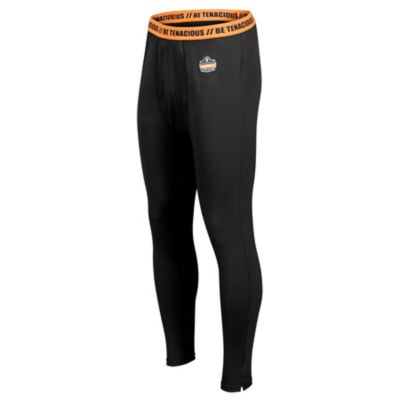
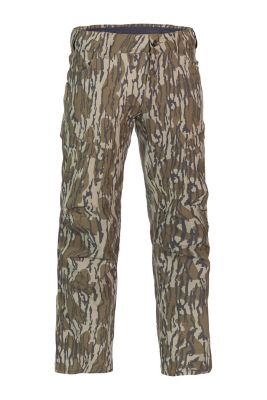
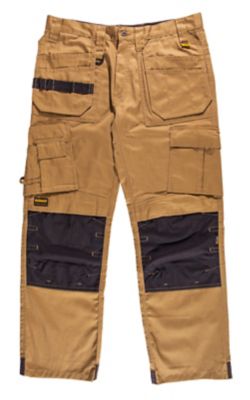
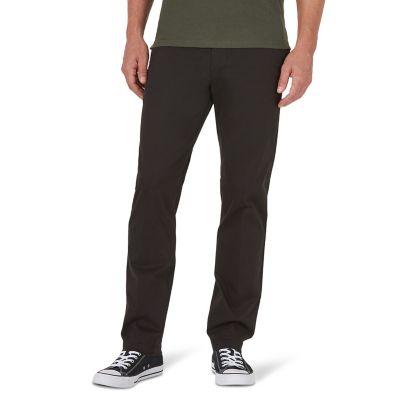
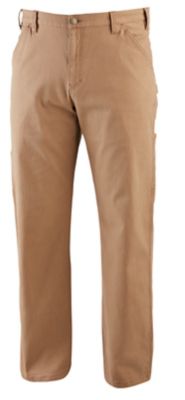
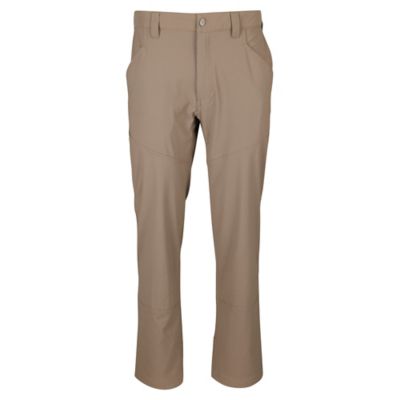
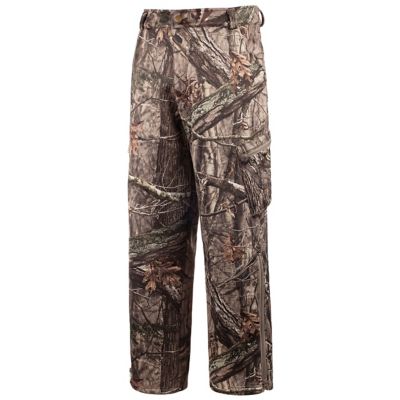
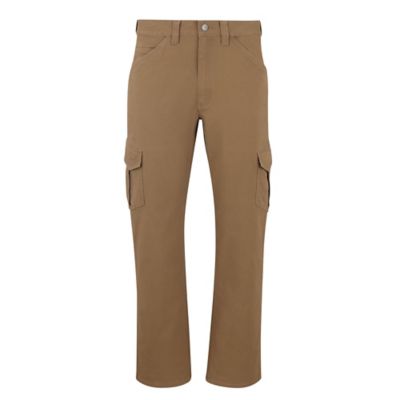
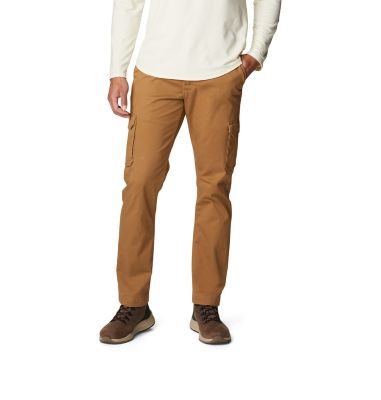
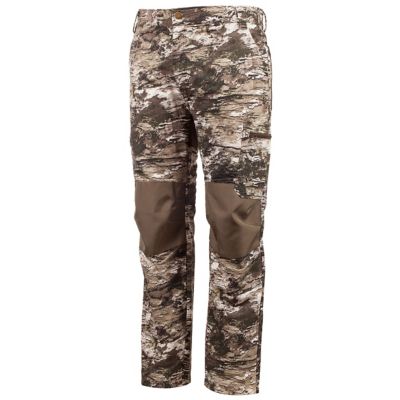
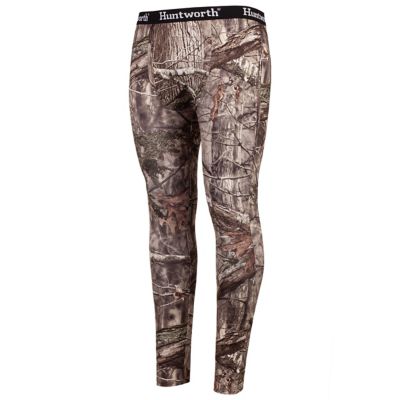
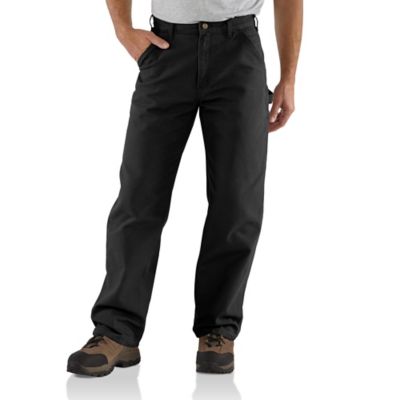
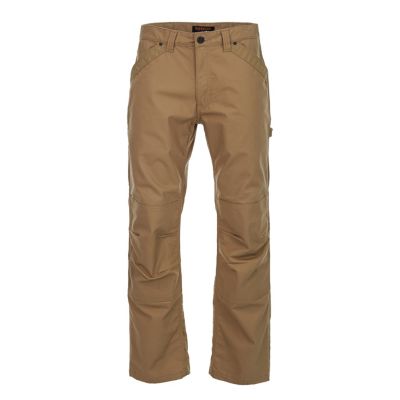
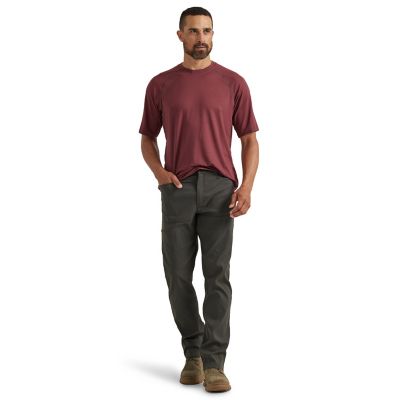
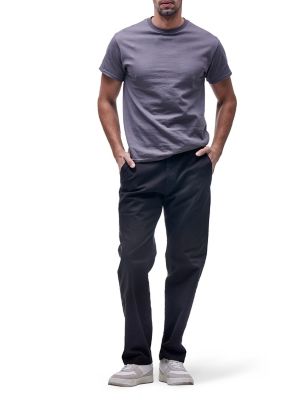
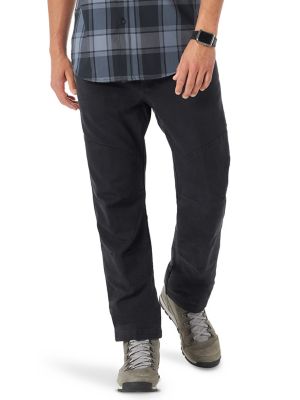
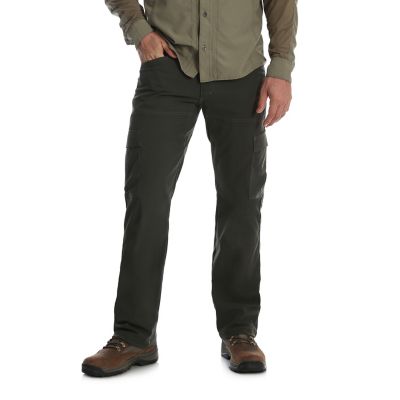
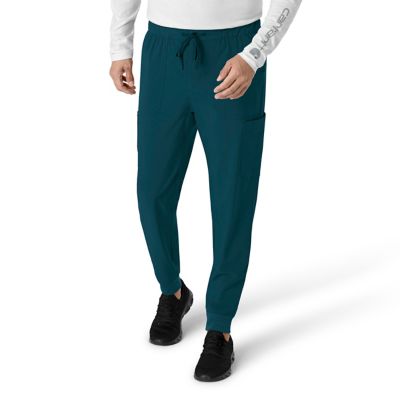
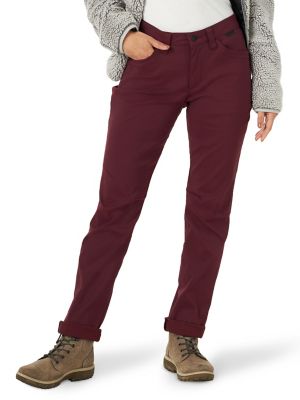
Men's stretch hiking pants pair trail-ready fabrics with enough give to make climbing, bending and walking feel less restricted. That flexibility comes in handy when a trail turns into a steep set of stone steps, a fallen log blocks the path or a creek crossing calls for a longer stride. Many styles combine nylon or polyester with spandex, also called elastane, while others get their stretch from the way the fabric is woven. Nylon blends are often chosen for their resistance to abrasion, and polyester blends generally absorb little moisture and dry readily. Spandex adds flexibility, but the percentage on a fabric label does not tell the whole story: fabric construction, thickness and the cut of the pants also affect how freely they move. Two-way stretch generally gives in one direction, while four-way stretch gives both across and along the fabric. Either can work well for walking, though movement in both directions can be helpful for high steps and scrambling over uneven ground. Stretch woven fabrics often balance freedom of movement with a smooth outer surface that slides more easily past brush than a loose knit. Cotton-blend hiking pants can have a familiar, everyday feel, although they generally hold more moisture and take longer to dry than many synthetic blends. Fabric weight matters, too. A lighter weave may feel less cumbersome over several miles, while a more substantial fabric can offer added coverage against repeated contact with rough trail surfaces. Neither stretch nor fabric thickness alone guarantees resistance to snags or tears; reinforced areas, seam construction and the conditions along the route all play a part. For men who spend time walking wooded trails, checking fence lines or taking the long way to a fishing spot, stretch hiking pants bring practical movement to a familiar everyday garment. Their appeal is not limited to demanding climbs. Even a steady walk across rolling pasture can involve kneeling, stepping over roots and sitting on a rough bench, making flexibility and fabric strength worth considering together.
Fit makes a real difference in how men's stretch hiking pants perform, especially once a walk includes more than level ground. A pair should have room through the seat and thighs without so much extra fabric that it catches around the knees or bunches beneath a backpack belt. Slim, straight and relaxed cuts can all suit hiking; the better match depends on body shape, footwear and the amount of room preferred for movement. A tapered leg keeps the lower portion closer to the body, while a straighter opening may fit more easily over hiking boots. Inseam length deserves attention because cuffs that drag can wear down against the ground, and a leg that looks right while standing may pull farther up when stepping onto a ledge. Stretch helps, but it cannot fully make up for a waistband that pinches or a rise that feels too short. Gusseted crotches add a shaped panel where several seams would otherwise meet, creating room for a wider stride. Articulated knees use shaping or additional seams to follow the bend of the leg rather than relying only on fabric stretch. These details can make a difference when crouching beside a pack, climbing a stile or getting in and out of a truck before reaching the trailhead. Waistband design matters during longer walks as well. Belt loops allow a familiar belt setup, while partial elastic or adjustment tabs can offer some flexibility in fit. A flatter waistband may sit more comfortably beneath a pack's hip belt. Pocket placement should suit the things carried along the way: a phone, folded trail map or small set of keys needs a secure spot that does not press into the thigh with every step. Zippered pockets help keep belongings contained, but their position and depth affect comfort when sitting or climbing. Standard full-length pants keep things straightforward, while convertible styles offer removable lower legs. With convertible construction, zipper placement, seam feel and the ability to fit the leg opening over footwear are useful details to compare. The best balance is enough practical storage and adjustment without extra hardware getting in the way.
Men's stretch hiking pants can earn their place beyond the trail, too. Their easy movement suits walking the property, setting up camp, traveling to a trailhead or spending a day that mixes errands with time outdoors. That versatility makes them a thoughtful gift for a man who enjoys hiking, camping or exploring back roads on foot, especially when his preferred waist size, inseam and fit are already known. For frequent wear, care and construction matter as much as the first impression. Closely finished seams, secure pocket attachments and reinforcement at areas of repeated contact can help pants stand up to regular outings. A smooth stretch fabric should recover after bending rather than stay stretched out at the knees, though recovery varies by material and construction. Washing instructions are worth checking because elastane, fabric finishes and special treatments may need different care. Many synthetic hiking fabrics call for gentle washing and limited heat, and some discourage fabric softener. Emptying pockets and fastening closures before laundering helps keep small objects and zipper edges from rubbing against the fabric. Prompt attention to a loose stitch or small snag can also keep a minor problem from growing. Moisture management is another useful distinction: moisture-wicking fabric moves perspiration across the material, while quick-drying fabric releases moisture readily. Neither term means waterproof. Likewise, a water-repellent surface treatment is different from a waterproof barrier, and stretch alone says nothing about protection against water. For that separate feature,
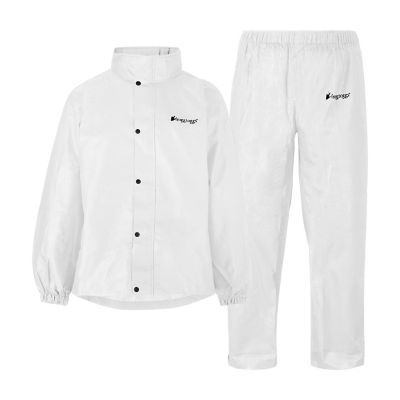
men's waterproof hiking pants offer a related category to explore, with the stated construction and features helping explain the level of protection. Across stretch hiking pants, the most useful combination is a comfortable cut, enough freedom for a full stride, pockets that keep essentials within reach and fabric suited to the amount of trail contact expected. Those details help a pair feel at home on a winding footpath, a rocky climb or a long walk back to the truck.