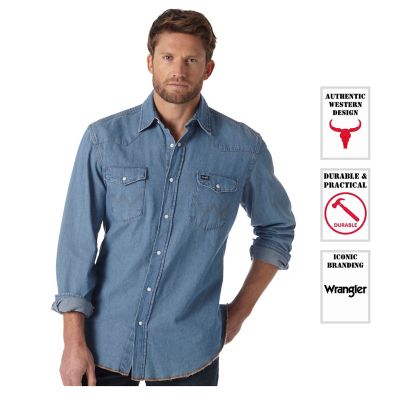
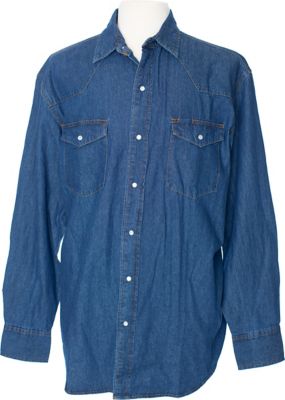
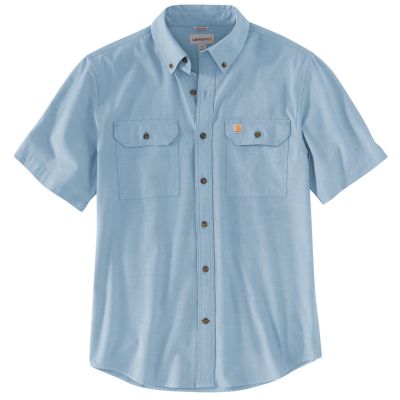
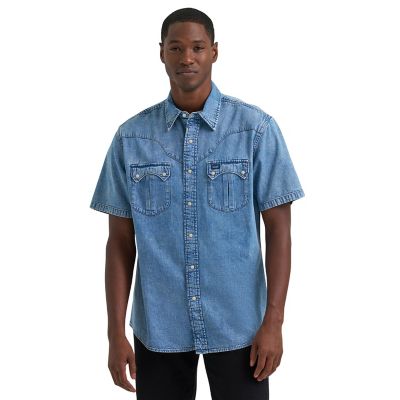
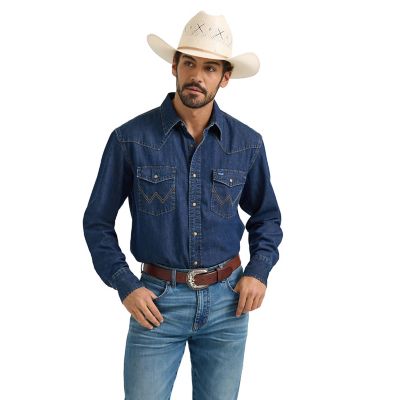
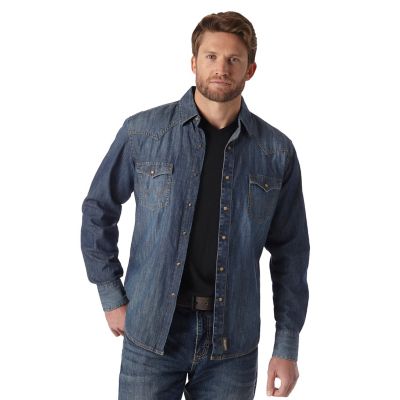
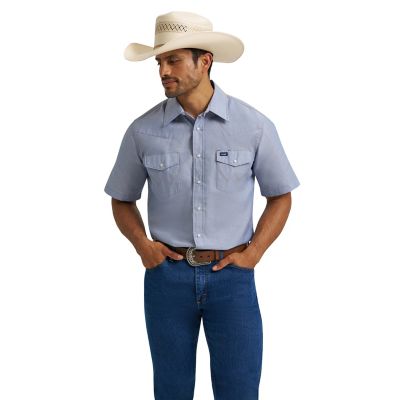
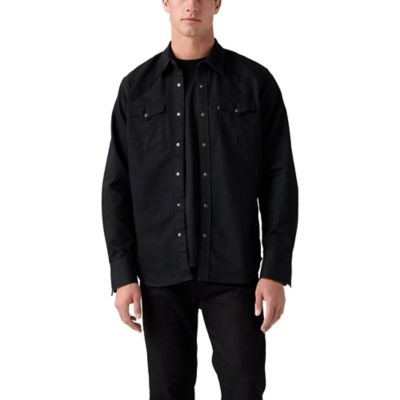
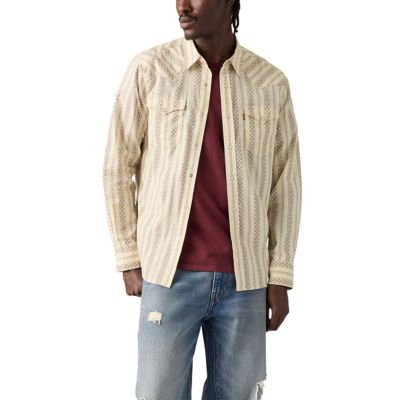
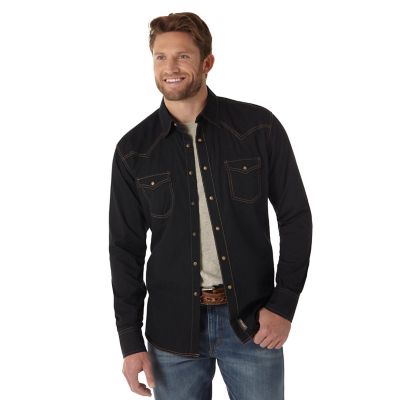
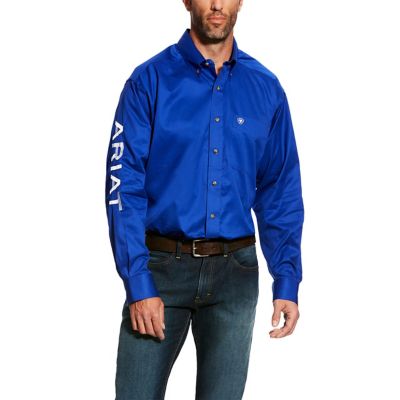
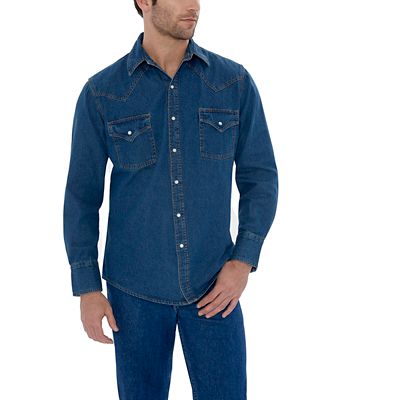
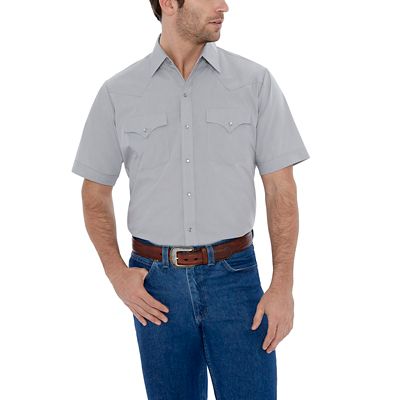
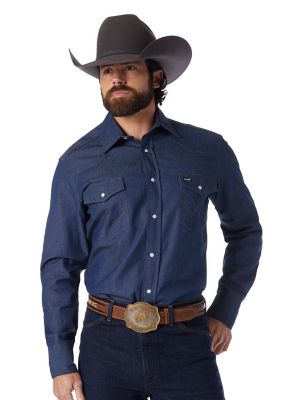
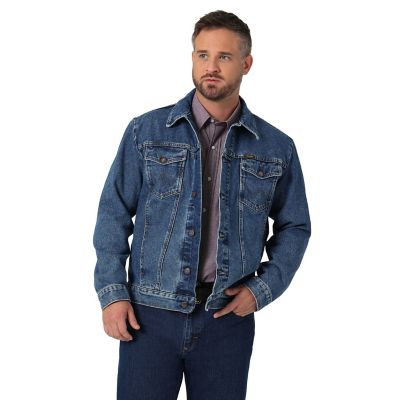
Men’s denim shirts combine the familiar feel of jeans with the shape of a button-front or snap-front shirt. Common choices include Western shirts with pointed yokes and flap pockets, straightforward work shirts with room through the shoulders, and closer-fitting styles that tuck neatly into pants. Denim is a twill-woven fabric, recognizable by its fine diagonal lines, and many denim shirts are made from cotton. Some fabrics include a small amount of stretch fiber for extra give when reaching across a truck seat or bending to fill a feed bucket. All-cotton denim generally has a more structured feel at first and can soften with repeated washing and wear. Fabric weight matters as much as fiber content: lighter denim tends to drape more easily, while heavier denim has a firmer feel and more body. A substantial shirt can serve as an open layer over a T-shirt, while a lighter one may feel less bulky when tucked in. Chambray can look similar from a distance, but it has a plain weave rather than denim’s diagonal twill; the fabric label is a better clue than blue coloring alone. Fit makes a difference throughout the day, especially for men who move between chores, driving and time in town. A relaxed cut leaves more room across the chest and upper arms, while a straight or regular fit offers a middle ground between roomy and close-fitting. Slim cuts sit nearer the body and may leave less space for an undershirt. Shoulder seams should sit near the shoulder edges, and the front should lie comfortably without pulling open between fasteners. Enough room to reach forward without the back binding is especially helpful for handling tack, carrying supplies or leaning over a workbench. Long sleeves offer adjustable coverage, while short sleeves leave the forearms free without cuffs to manage. Neither sleeve length nor fabric thickness alone makes a shirt suitable for work that requires protective clothing.
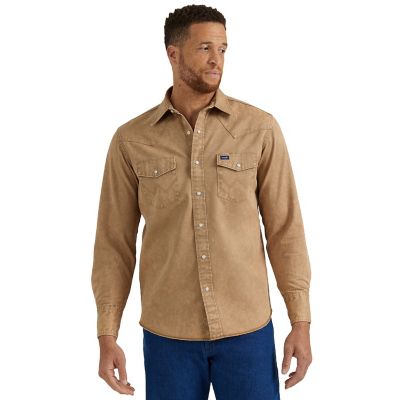
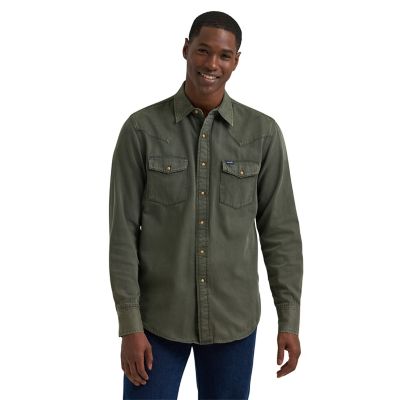
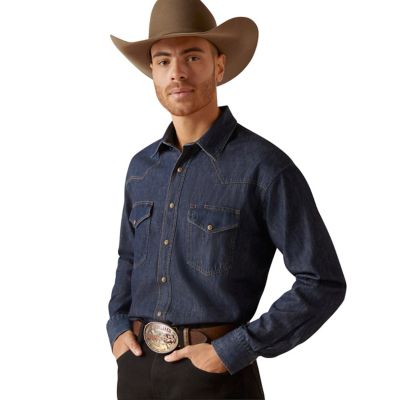
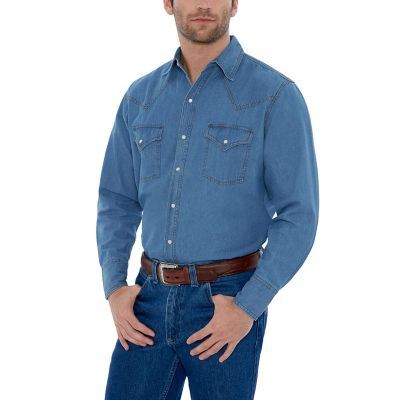
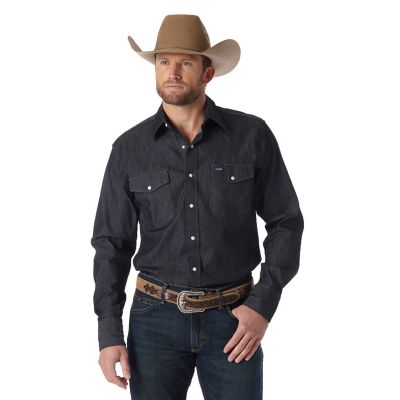
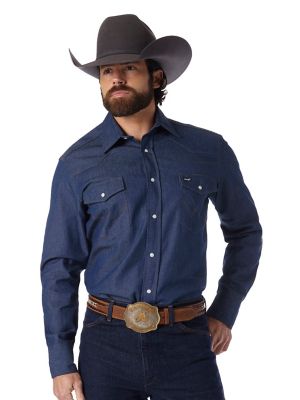
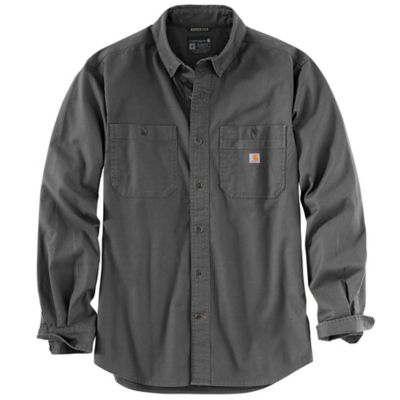
The details give men’s denim shirts much of their character. Western styles often have shaped shoulder yokes, pointed pocket flaps and snaps down the front, creating a familiar ranchwear look that works with boots and a belt. Button-front shirts with simpler pocket shapes have a quieter appearance that fits just as easily at the feed store or a family supper. Snaps and buttons feel different in everyday handling, so the choice often comes down to habit and how easily the closures fasten. Chest pockets can keep a folded note or pen close at hand, though their placement and closure matter when bending or lifting. A flap helps cover the opening, while an open pocket makes access quicker. Pocket contents should stay light enough that they do not drag on the front of the shirt. Wash and color also change the look without changing the basic usefulness of denim. Dark indigo has a more even, dressed-up appearance, medium blue shows the fabric’s familiar texture, and pale blue creates a more broken-in look. Black and gray denim offer another way to work the same shirt shape into an everyday wardrobe. Pairing a denim shirt with
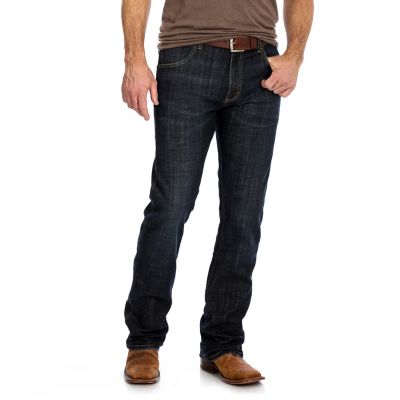
Denim Jeans for Men works well when the two pieces have noticeably different shades, such as a lighter shirt with darker pants. Similar shades create a more coordinated outfit, while canvas pants provide a clear change in texture. A curved shirttail generally gives more length for tucking, and a straighter hem can sit neatly outside the waistband when its length suits the wearer. For a gift, the recipient’s usual shirt size, preferred sleeve length and favorite fastener style offer a better starting point than appearance alone. Someone who regularly wears loose work shirts may appreciate that same freedom in denim, while someone who keeps a shirt tucked in may favor a trimmer shape.
How a denim shirt holds up depends on the fabric, construction, fit and care it receives. Seams around the armholes, pocket corners and cuffs handle repeated movement, so even stitching and neatly finished edges are worth a close look. Reinforcement at stress points can help support areas that take frequent pulling, but a heavier fabric is not automatically the best choice for every task. A shirt that is too tight can put extra strain on seams, while one that is much too loose can bunch beneath another layer or get in the way. Cuffs should close comfortably around the wrist, with sleeves long enough to allow a bent elbow without riding far up the arm. The collar should sit comfortably whether the top fastener is open or closed. Care starts with the garment label because cotton content, stretch fibers, finishes and trim can call for different washing and drying methods. When the label permits, washing inside out with similar colors can help limit surface fading and color transfer. Dark indigo may release dye, particularly in early washes, so it deserves care around pale clothing and upholstery. High drying heat can contribute to shrinkage in cotton and affect some stretch fabrics; the label’s drying directions help protect the fit. Taking a shirt out promptly and smoothing the collar, placket and pocket flaps can reduce stubborn creases. Ironing instructions matter, too, especially around snaps and blended fabrics. Denim naturally develops softer folds and lighter areas at elbows, cuffs and other points of contact. That gradual change is part of its appeal, but loose stitching, thinning elbows or a strained fastener still deserve attention before a small problem spreads. Whether the shirt is headed to a fence check, a weekend gathering or an ordinary day of errands, the most useful choice is one that moves comfortably, pairs easily with familiar pants and fits the wearer’s routine.