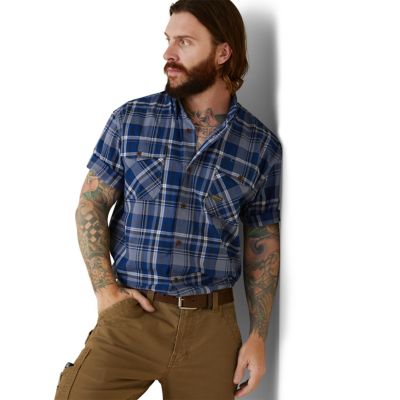
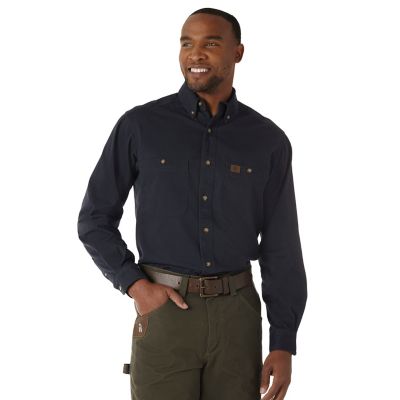
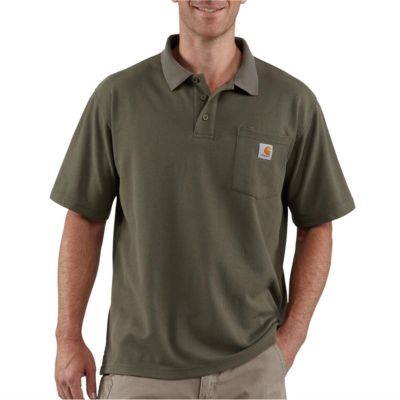
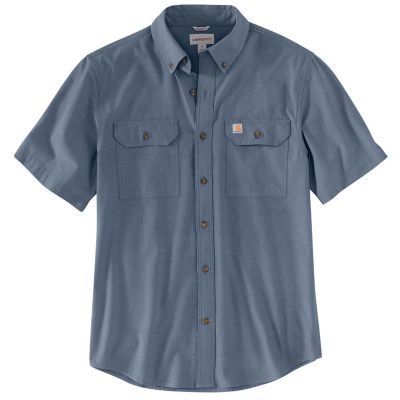
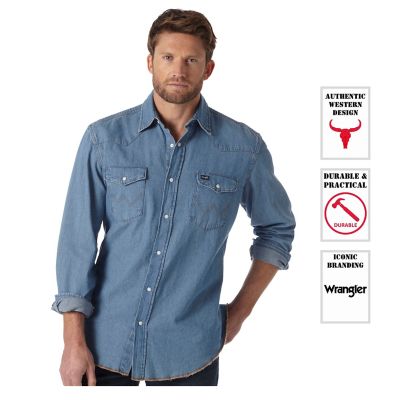
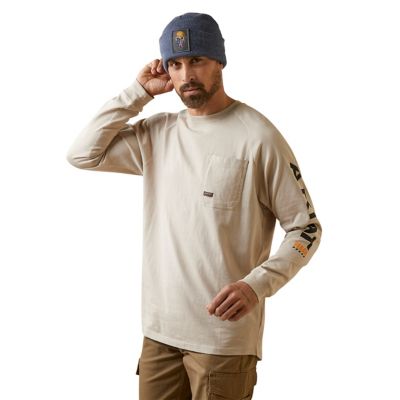
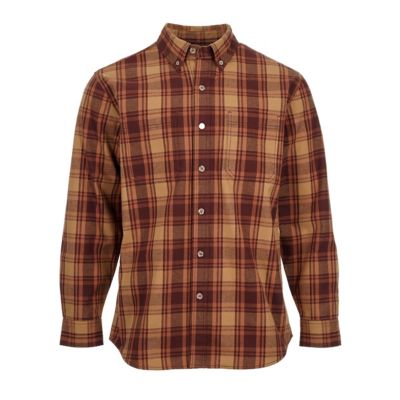
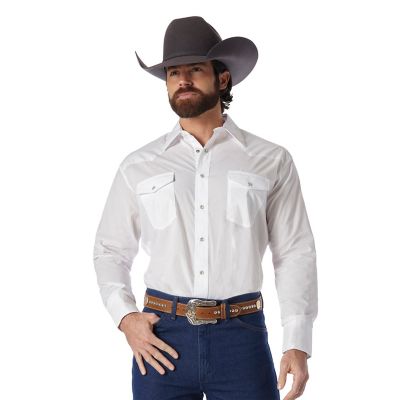
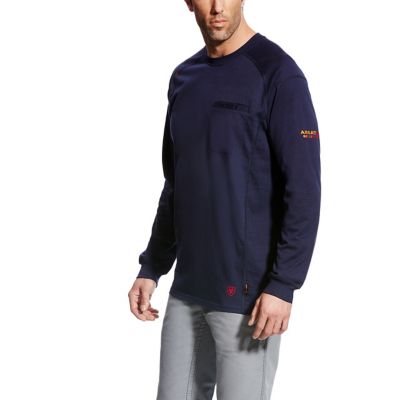
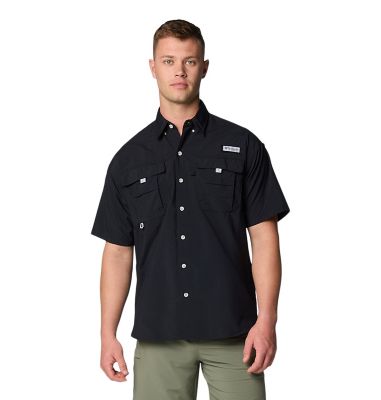
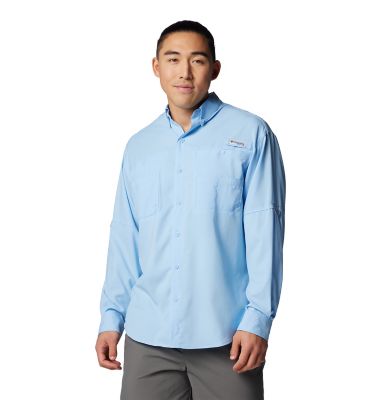
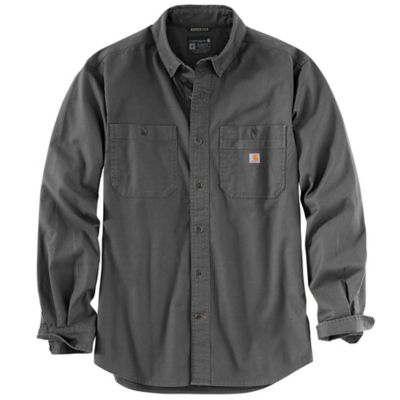
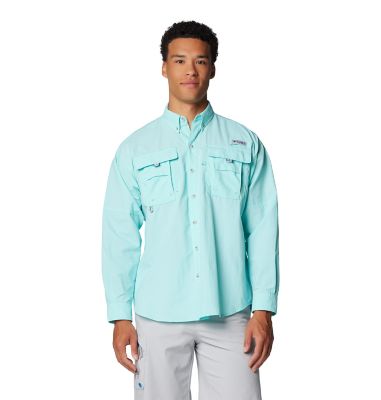
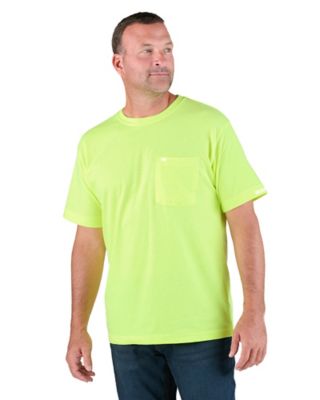
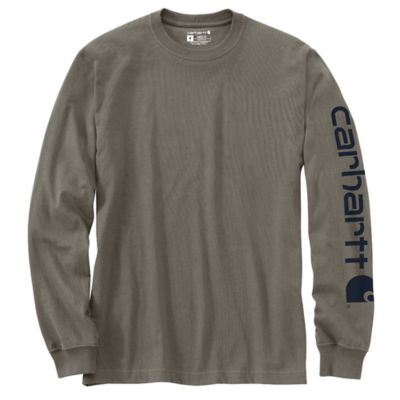
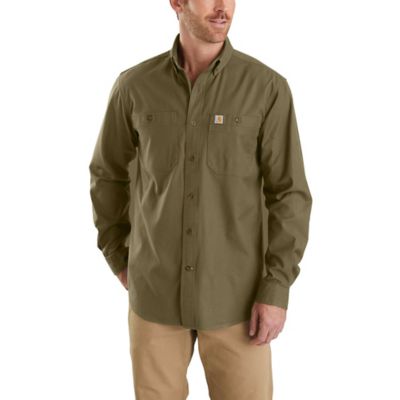
Work shirts for men earn their place through the everyday jobs that don’t leave much room for fussy clothing: carrying feed, checking fence lines, hauling lumber and leaning over an engine that needs another look. The right shirt gives a man room to get after the task without tugging across his shoulders or bunching beneath his belt. Fabric is a big part of that feel. Cotton offers a familiar, breathable feel against the skin, while cotton twill has a diagonal weave that gives it substance without necessarily making it stiff. Denim and canvas work shirts often have more structure, which can suit chores that bring frequent contact with rough surfaces. Cotton-polyester blends can bring easier wrinkle care and help a shirt keep its shape through repeated washing. Stretch blends add some give for reaching, bending and climbing into the truck, though the amount of stretch varies by fabric. Knit work shirts generally move differently than woven button-front styles, offering a softer drape for jobs that call for steady movement. Fabric weight matters, too, but a heavier shirt isn’t automatically the right one for every task. A substantial weave may feel right for handling materials, while a lighter construction can be less restrictive during long stretches of active work. Details such as reinforced seams, firmly attached buttons and sturdy pocket stitching deserve attention because those areas take repeated strain. Chest pockets can keep a pencil or small notepad close, and a flap or closure helps keep contents from slipping out when bending over. Button fronts offer a familiar look that works on the job and around town, while snap fronts have a different feel and fastening action. Plain colors, checks and stripes give men ways to match their everyday work clothes without making the shirt the center of attention. For someone moving between the barn, the shop and a supply run, practical construction and an easy fit tend to matter more than extra trim.
Fit becomes especially noticeable once the work starts. A men’s work shirt should allow a comfortable reach across a workbench, overhead toward a shelf and forward around a steering wheel. Shoulder seams that sit close to the natural shoulder line provide a useful starting point, but the chest, back and sleeves need enough room for movement as well. A close fit can pull across the buttons when a man bends or reaches; an overly roomy fit can leave excess fabric where it gets in the way. Relaxed cuts offer more space through the body, while straighter or more fitted cuts may suit men who prefer less fabric around the waist. Neither fit works for every build, so garment measurements are more helpful than relying on a familiar size letter alone. Tall sizing can add sleeve and body length without simply adding width. Shirt length also affects how a workday feels. A longer shirttail can stay tucked when reaching or kneeling, while a shorter, straight hem may sit more comfortably untucked when the task and workplace allow it. Long sleeves provide arm coverage, and adjustable cuffs help keep the wrist opening manageable. Short sleeves leave less fabric around the forearm and may suit work that involves frequent handwashing or repeated arm movement. Whatever the sleeve length, loose cuffs and hanging shirttails need attention around moving equipment. Work shirts also need to fit alongside the rest of the outfit, whether that means bib overalls, a tool belt or required protective gear. Thick pocket contents and bulky seams can become noticeable beneath straps. For jobs involving flame, electrical arc or other hazards, ordinary work shirts are not a substitute for clothing that meets the applicable safety requirements. Required ratings and workplace rules come first; everyday comfort and personal style fit around those needs.
Care has a lot to do with how a work shirt looks and feels after repeated wear. The garment label gives the right starting point for washing, drying and any special treatment, particularly with stretch fabrics or shirts made for a particular protective purpose. Dirt from a fence repair, dust from the feed room and grease from the shop don’t all wash out the same way. Treating a mark promptly with a fabric-appropriate product can help, but scrubbing hard at one spot may wear down the surface or leave a lighter patch. Emptying pockets before washing keeps forgotten screws, bits of paper and pencils from creating another chore. Fastening closures as directed, separating colors when needed and avoiding more dryer heat than the label allows can help limit shrinkage and unnecessary wear. Removing a shirt promptly after drying also helps keep deep wrinkles from setting. Cotton shirts may change in fit after laundering, so checking shrinkage information matters when choosing a size. Small repairs count, too: a loose button or an opening seam is easier to address before it becomes a bigger problem. Men who split their time between hands-on chores and face-to-face work may appreciate shirts that tuck neatly into work pants and still look settled after a long drive. For days centered more on errands, a meal out or time with family,
casual long sleeve shirts for men offer another direction without calling for a dressed-up outfit. Work shirts can also make a practical gift for a dad, brother, spouse or friend who reaches for the same dependable styles day after day. Knowing his usual size, preferred sleeve length and whether he tucks his shirts takes much of the guesswork out of choosing. A familiar fabric and a cut that suits his routine give the gift a better chance of becoming part of the regular rotation, ready for the next chore rather than left hanging in the closet.