Men's Full Zip Sweatshirts
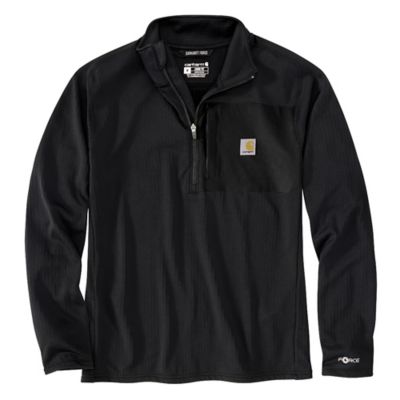
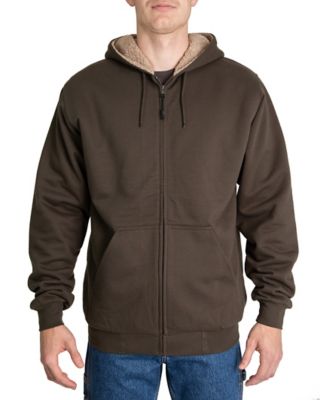
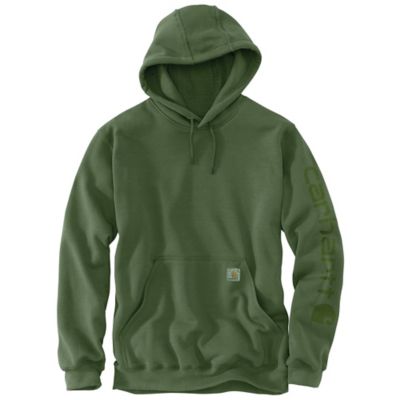
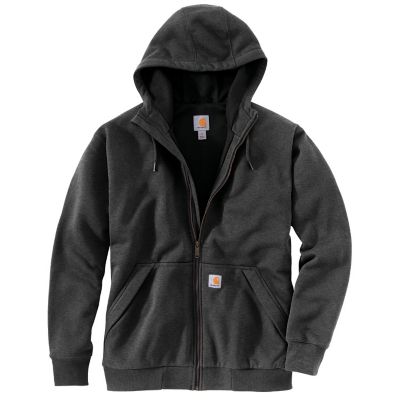
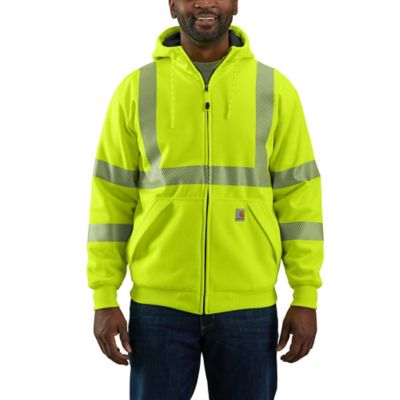
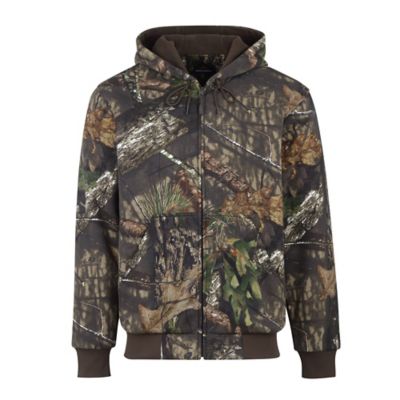
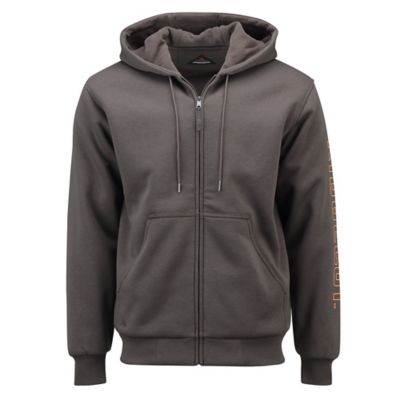
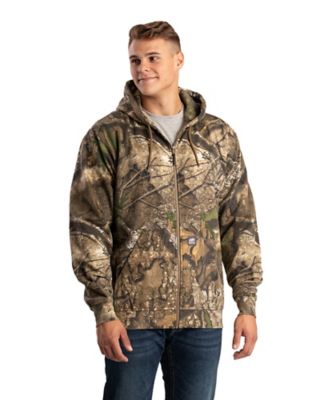
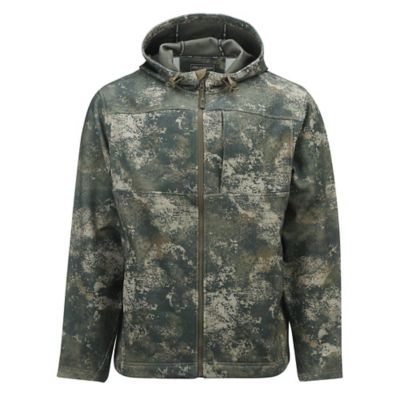
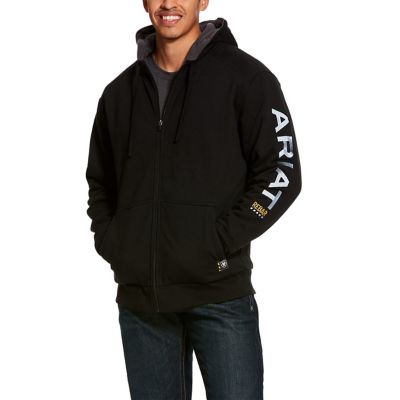
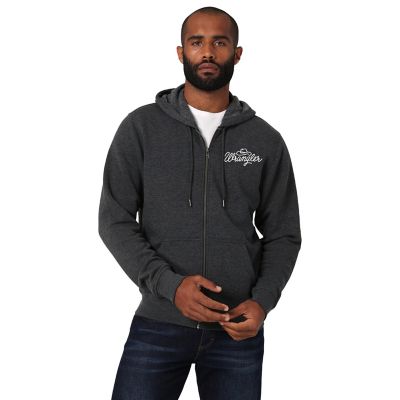
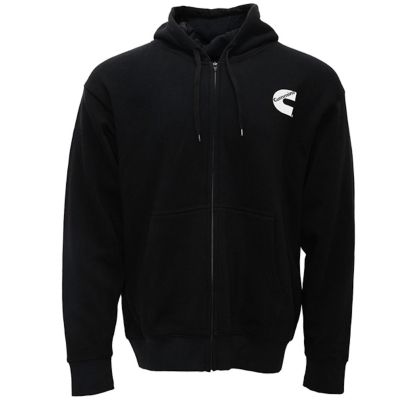
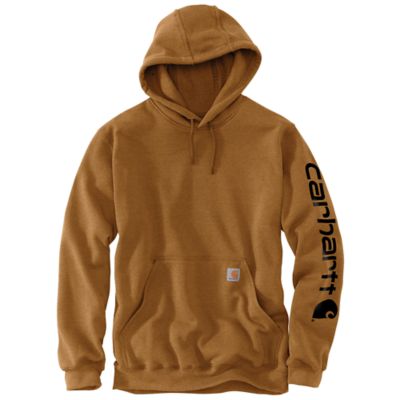
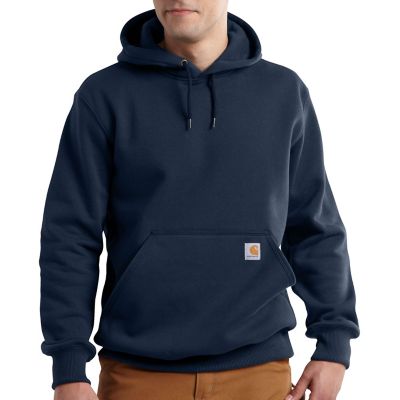
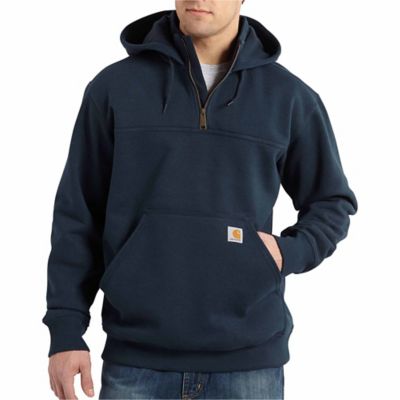
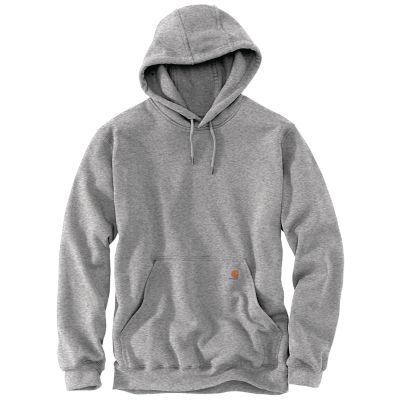
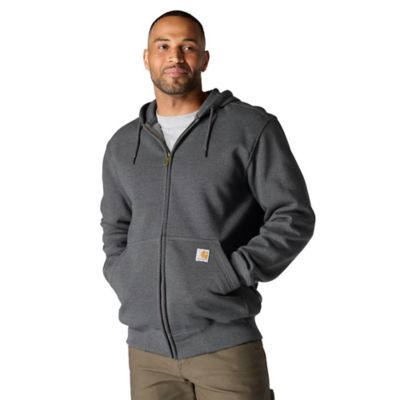
Men's Full Zip Sweatshirts are a go-to choice for hardworking folks who want comfort and convenience on the job or around the farm. These sweatshirts make it easy to layer up when the weather turns chilly and cool off fast when things heat up. Whether you're heading out to feed the animals, tackle chores, or just relaxing after a long day, you'll find plenty of options to fit your style and keep you comfortable all season long.
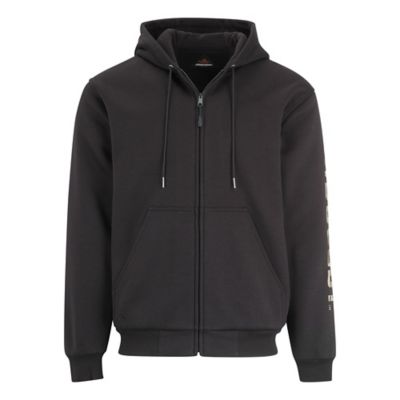
$49
.99
Sale Was $59.99 Save $10.00 (17%)
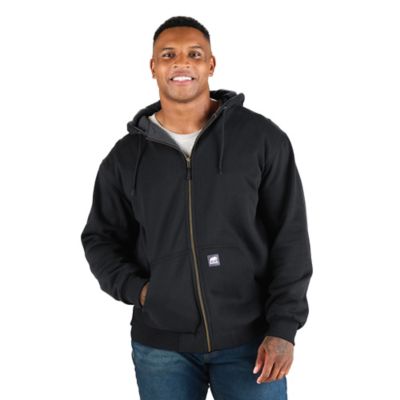
$43
.49
Sale Was $57.99 Save $14.50 (25%)
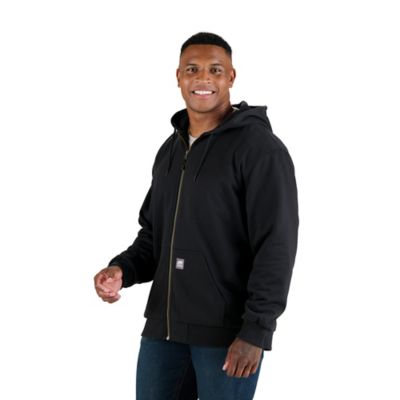
$39
.74
Sale Was $52.99 Save $13.25 (25%)
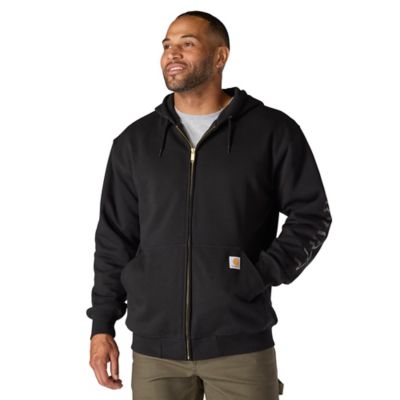
$49
.99
Sale Was $74.99 Save $25.00 (33%)
$29
.99
Sale Was $39.99 Save $10.00 (25%)
$41
.99
Sale Was $59.99 Save $18.00 (30%)
$52
.49
Sale Was $69.99 Save $17.50 (25%)
$41
.99
Sale Was $59.99 Save $18.00 (30%)
$49
.99
Sale Was $59.99 Save $10.00 (17%)
$67
.49
Sale Was $89.99 Save $22.50 (25%)
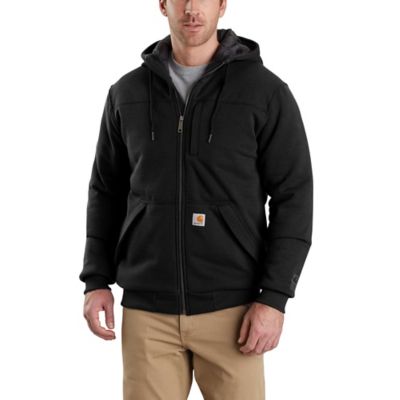
$48
.99
Sale Was $69.99 Save $21.00 (30%)
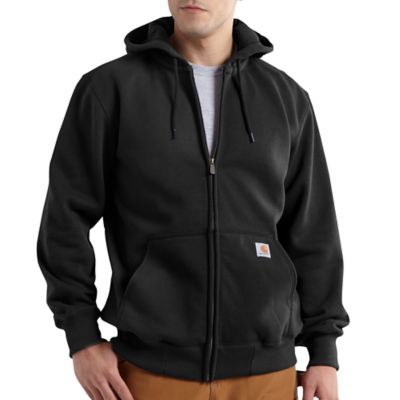
$56
.24
Sale Was $74.99 Save $18.75 (25%)
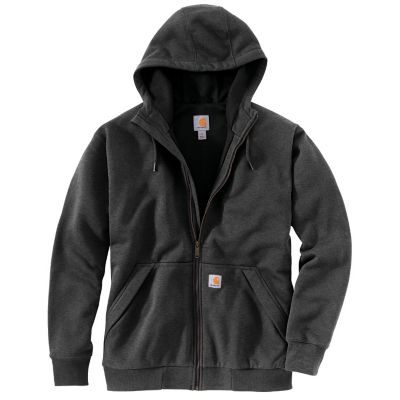
$54
.99
Sale Was $79.99 Save $25.00 (31%)
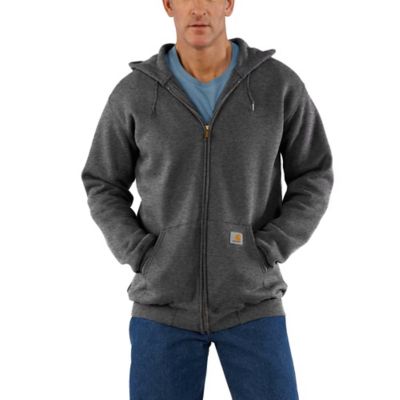
$48
.74
Sale Was $64.99 Save $16.25 (25%)
$59
.49
Sale Was $69.99 Save $10.50 (15%)
$29
.99
Sale Was $59.99 Save $30.00 (50%)
$24
.99
Sale Was $34.99 Save $10.00 (29%)
$49
.99
Sale Was $74.99 Save $25.00 (33%)
$27
.49
Sale Was $54.99 Save $27.50 (50%)
Best Of FAQ
What are the benefits of choosing a full zip sweatshirt over a pullover style?
Full zip sweatshirts offer greater versatility and convenience, allowing you to easily adjust your level of warmth or ventilation. They are also easier to put on and take off, making them a practical choice for layering during changing weather conditions.
Are men's full zip sweatshirts suitable for outdoor work?
Yes, men's full zip sweatshirts are ideal for outdoor work as they provide comfort, flexibility, and easy layering. Many styles are made with durable materials that can withstand tough conditions commonly encountered on farms or job sites.
How do I care for my men's full zip sweatshirt to maintain its quality?
To maintain the quality of your full zip sweatshirt, wash it in cold water with like colors and tumble dry on low heat. Avoid using bleach or fabric softeners, as these can break down the fabric and affect the zipper's performance.
Can men's full zip sweatshirts be worn year-round?
Men's full zip sweatshirts are versatile enough to be worn throughout the year. They work well as a standalone outer layer in mild weather or as an insulating mid-layer under jackets during colder months.
What features should I look for in a high-quality men's full zip sweatshirt?
Look for features such as reinforced stitching, heavy-duty zippers, ribbed cuffs and hems, and soft yet durable fabrics like cotton or fleece. Additional elements like pockets and adjustable hoods can add functionality and comfort.
Best Sellers
-
"Best work jacket I've ever had. It will keep you warm and dry. I love it"
-
"Great, comfort, high quality, warm and sweat weakening. I love it. Thank you, Carhartt"
-
"This sweatshirt jacket is great! It's really high quality. It's cozy and comfortable"
-
"This made a great Christmas gift for my husband; he's worn it a few times already"
-
"Best work jacket I've ever had. It will keep you warm and dry. I love it"