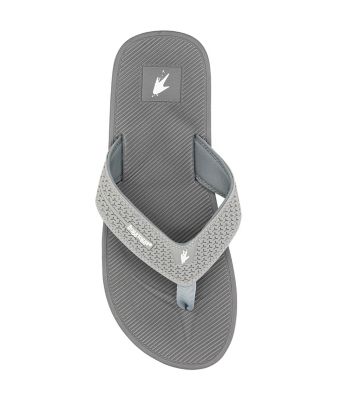
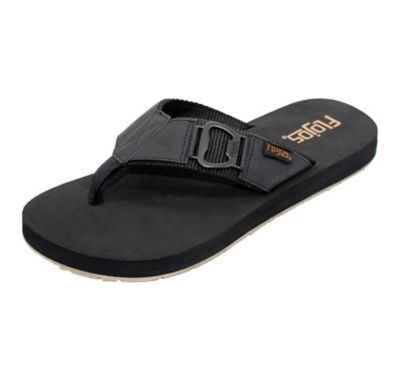
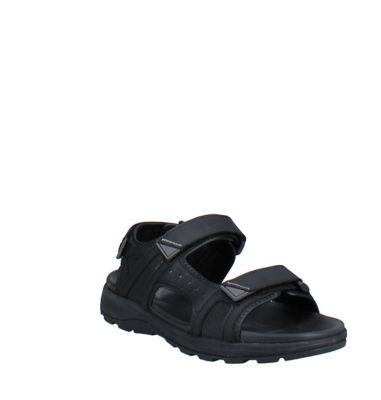
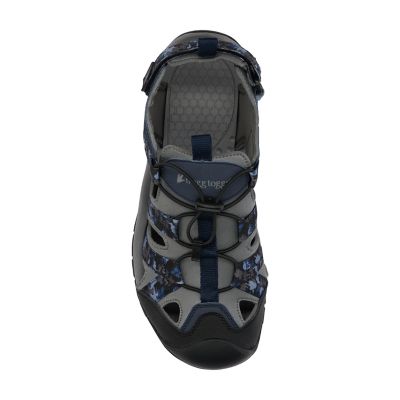
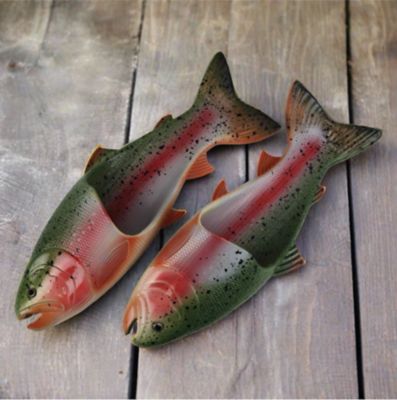
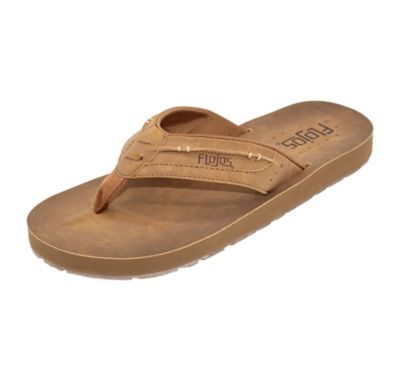
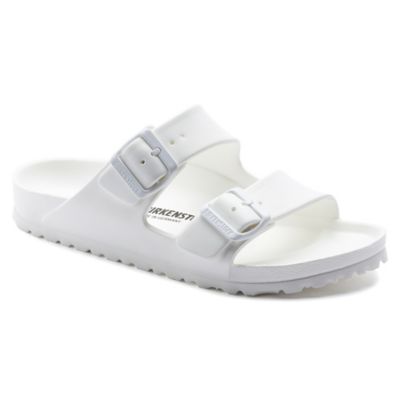
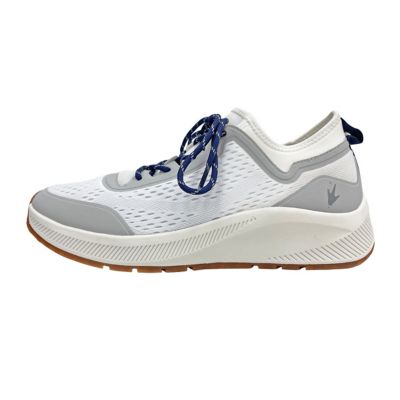
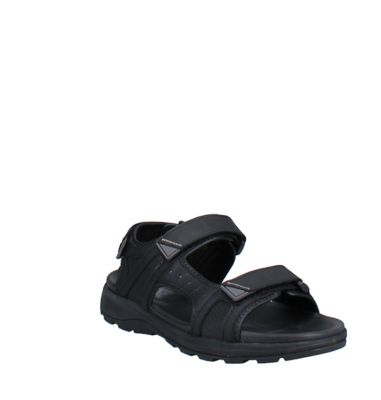
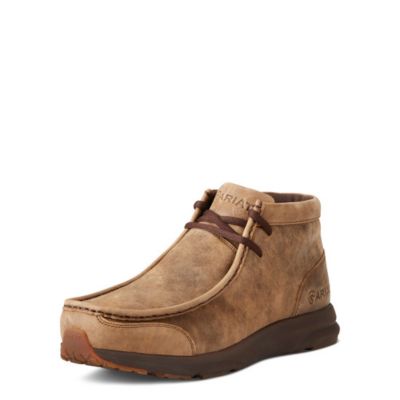
Men’s summer flip flops fit the easygoing parts of a country day: coffee on the porch, a walk down to the picnic table, or a little time with your feet up after the work boots come off. Their open shape leaves room for airflow, while the slip-on design makes them handy beside the back door or tucked into a weekend bag. They make sense for a lakeside getaway, a backyard cookout, or a trip between the house and a pool chair, with different materials lending themselves to different plans. Rubber and molded foam styles are often practical around splashes because they generally shed water more readily than absorbent fabrics. EVA foam can keep a sandal light underfoot, while rubber outsoles may add a firmer feel and more substantial tread. Leather straps bring a different look and feel, pairing easily with shorts or casual pants, though they generally need more protection from soaking and prolonged dampness. Fabric straps can feel soft against the top of the foot, but their drying time depends on the weave, lining, and construction. A broad strap spreads contact across more of the foot, while a narrower one leaves more skin uncovered. Smooth edges and a soft toe post matter just as much as the material itself, especially for someone who plans to wear sandals through a long afternoon. Some men favor a barely-there sandal for short trips outside; others prefer a thicker sole and a shaped footbed for casual outings. Neither approach suits every foot or every setting. The right match depends on how the sandal sits against the skin, how securely it follows each step, and whether its construction fits the day ahead. For a man who spends most of his hours in lace-up work footwear, a comfortable pair of flip flops can be a welcome change when the demanding part of the day is done.
Fit is about more than the size stamped on the sole. A foot should rest within the edges of the footbed without toes reaching over the front or the heel hanging off the back. Extra length is not always helpful, either, since a sandal that extends too far beyond the toes can catch on a step or drag across the ground. Width deserves the same attention: straps should hold the foot comfortably without pinching along the sides, and the sole should feel steady rather than narrow beneath the ball of the foot. The toe post should sit comfortably between the toes without pulling the foot forward or rubbing with every stride. A little movement is normal in an open sandal, but constant toe gripping can be a sign that the fit is too loose or the strap placement is not a good match. Footbeds range from mostly flat to contoured, with heel cups and arch shapes that feel noticeably different from one pair to another. Soft cushioning can be pleasant on a concrete patio, while a somewhat firmer platform may feel steadier for walking along a paved campground path. More cushioning does not automatically mean more support, and a pronounced arch is not comfortable for every wearer. Underneath, tread depth and pattern affect how the sole meets the ground, though no tread makes every surface safe. Wet pool decks, slick tile, loose gravel, and muddy banks still call for caution. Flip flops belong with relaxed activities rather than jobs that demand covered toes, ankle support, or protective footwear. Feeding livestock, moving equipment, mowing, and handling tools are better left to footwear suited to those tasks. Even a quick trip across a barnyard can put bare toes close to sharp stones, dropped hardware, or an animal’s hoof. Keeping sandals for the porch, patio, and other easygoing settings helps keep their purpose clear without asking them to do the work of a boot.
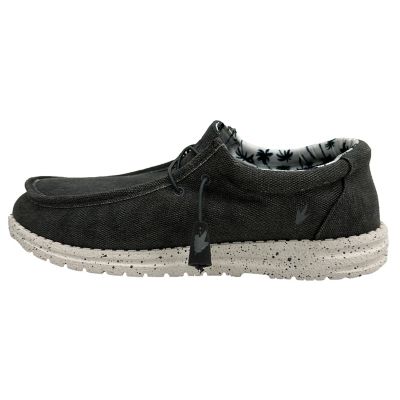
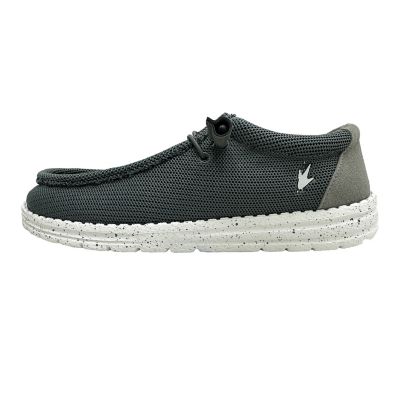
Longer wear starts with matching the construction to the setting and giving the sandals a little attention between outings. Frequent contact with water calls for materials intended to handle it, along with enough drying time to keep straps and footbeds from staying damp. For many washable rubber or foam styles, a rinse and a soft brush can lift away grit that otherwise settles into tread grooves or rubs beneath the foot. Leather and certain fabric components may need a different approach, so the maker’s care directions matter more than a one-method-fits-all cleaning routine. Letting sandals dry with good airflow, away from strong heat, can help protect their shape and strap attachments. A hot dashboard or a spot beside a heater is not a good drying rack. Before tossing a pair into a bag for a lake weekend, checking the toe-post anchor, strap seams, and outsole can catch a developing problem. Deeply flattened cushioning, worn-smooth tread, and straps that begin pulling free are signs that a pair may no longer give the same comfort or footing. A little sand shaken out before the ride home also saves bare feet from an unpleasant surprise the next time the sandals go on. For gifting, flip flops can suit a dad who enjoys backyard grilling, a husband planning a beach trip, or a college student packing for a shared shower and weekend downtime. Knowing the wearer’s usual sandal size, foot width, and preference for soft or firm cushioning makes the choice more personal without relying on appearance alone. Neutral shades work easily with swim trunks, denim shorts, and casual summer clothes, while brighter colors can be easier to spot beside a crowded pool. For plans that call for a closed toe and an easy slip-on shape,
men’s slip on shoes for summer offer another casual footwear option. Flip flops keep things simpler: an open feel, an easy fit, and something comfortable to reach for when it is time to settle into the slower part of the day.