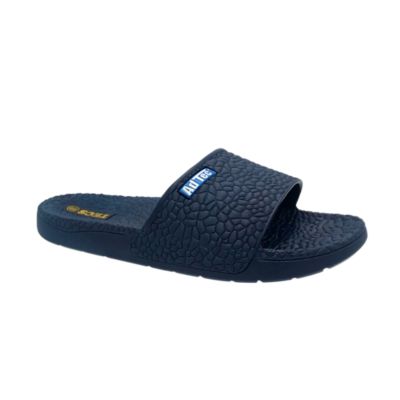
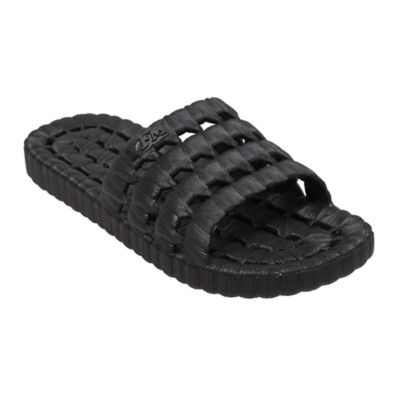
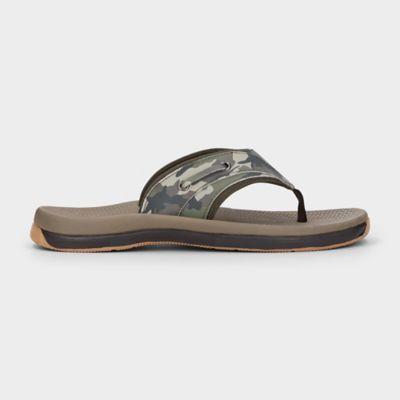
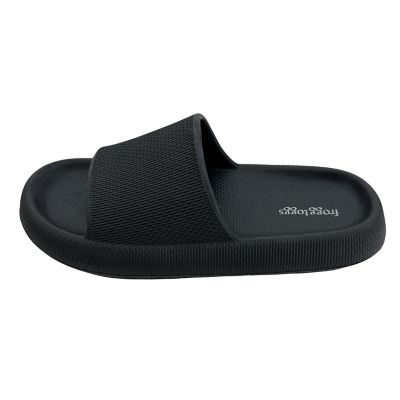
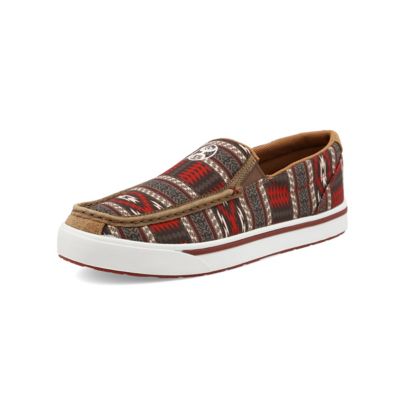
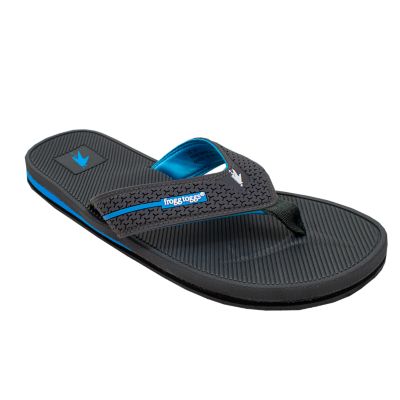
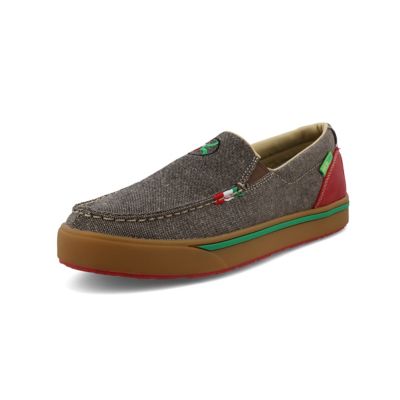
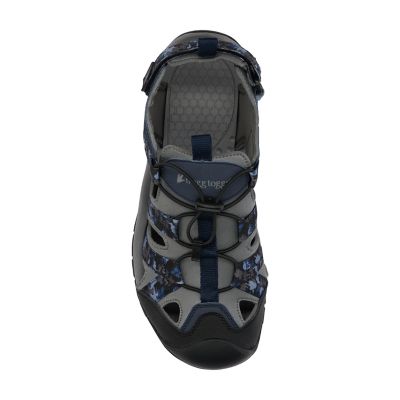
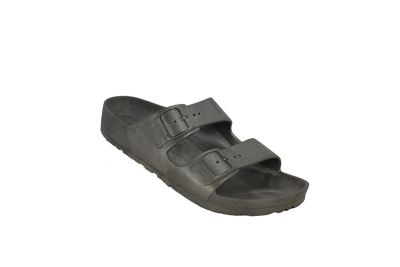
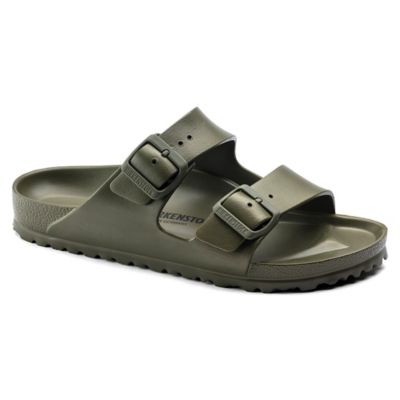
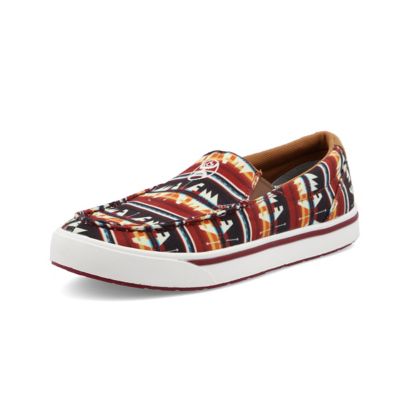
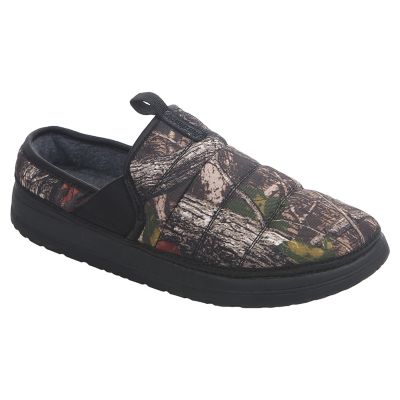
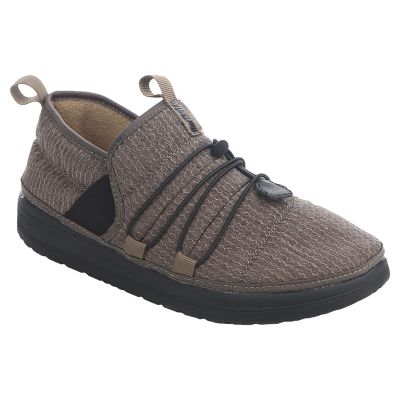
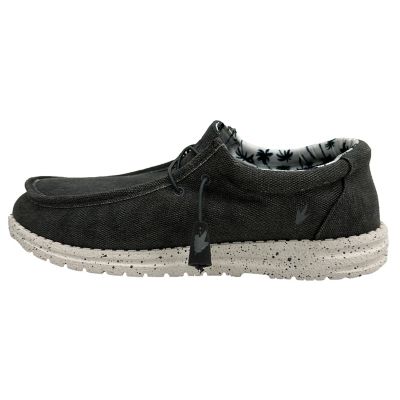
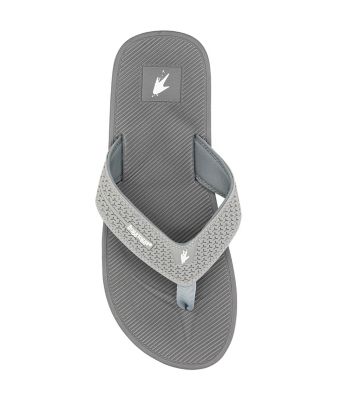
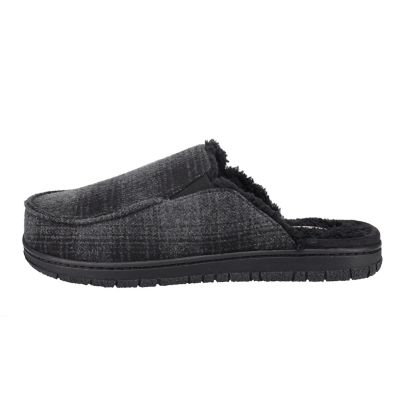
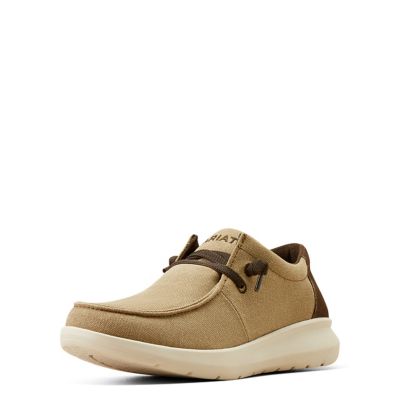
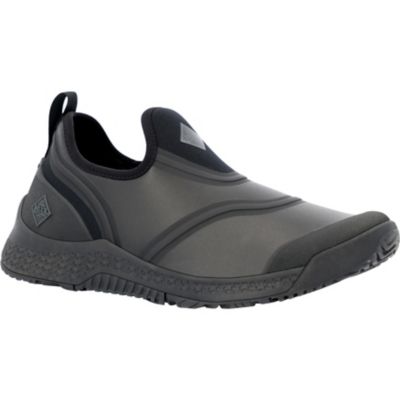
Men's slip-on sandals are open-back footwear that slide onto the feet without tying laces or fastening a heel strap. Common styles include slides with a broad band across the top of the foot, toe-post sandals that hold between the first two toes, and open-back designs with two or more straps. Each has a different feel, from a soft, flexible slide kept by the back door to a leather sandal that pairs easily with jeans or casual shorts. They're a practical choice for sitting on the porch, heading to the pool, walking through a campground bathhouse, or giving feet a break after work boots come off. Materials play a big part in how sandals feel and where they belong. Molded EVA foam is generally lightweight and can provide a cushioned platform, while rubber outsoles add a separate layer between the footbed and the ground. A one-piece molded design has fewer seams and joins to inspect, though its comfort still depends on the shape and firmness of the sole. Synthetic straps may have smooth surfaces that wipe clean, while fabric straps can feel softer against bare skin but take longer to dry. Leather uppers bring a more structured look and may soften with wear, although they need different care than rinse-friendly materials. Cork-blend footbeds often have a firmer feel than thick foam and may feature a shaped heel cup or raised arch area. Some sandals combine several materials, such as a leather upper, a lined strap, a contoured footbed, and a rubber bottom. That combination matters more than appearance alone: every layer affects flexibility, weight, drying time, and the way the sandal bends as the foot moves. For everyday wear around the house or a short trip into town, the best match is a sandal whose construction suits the setting without feeling cumbersome underfoot. A broad strap and a slimmer toe-post design can look equally casual, yet feel quite different during a walk.
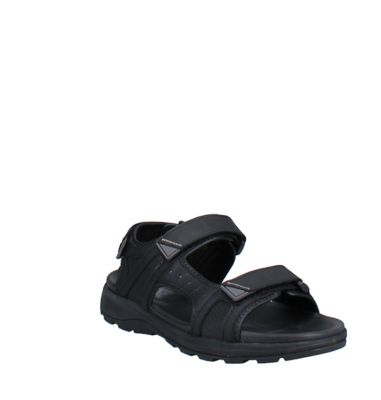
A comfortable fit starts with enough room for the whole foot to sit inside the footbed, with a little space ahead of the toes and behind the heel. Toes hanging over the front, a heel riding on the back edge, or straps leaving deep marks can signal a poor match. Too much extra length creates a different problem, allowing the sandal to shift or catch as the wearer steps. Width matters just as much as length, especially when a molded footbed has raised edges that press against the sides of the foot. Adjustable straps can help accommodate a higher instep or a broader forefoot, while fixed bands depend more closely on the proportions of the sandal. A lined underside and smooth strap edges are worth noticing where the upper crosses bare skin. Toe-post styles put contact in a different spot, so familiarity with that design can matter when choosing a pair for someone else. Underfoot comfort also comes in several forms. Soft foam can feel pleasant for casual standing, but a deep cushion is not the same thing as a supportive shape. A defined heel cup, moderate flexibility, and arch contours that line up with the wearer's foot may feel steadier than a flat, loose platform. Walking should not require constant toe gripping to keep the sandals in place. Outsole patterns deserve attention, too: shallow grooves, deeper channels, and broad contact areas behave differently across a smooth floor, a pool deck, or a packed path. No tread pattern makes every surface slip-proof, and an outsole worn smooth calls for attention. For longer walks beyond the porch,
men's outdoor sandals may include designs with heel straps that provide more hold than an open-back slide. Slip-on styles fit casual settings, but open toes and exposed heels aren't a substitute for protective footwear around livestock, power equipment, sharp debris, or heavy loads.
Care depends on the materials, and the manufacturer's directions should take priority over a general cleaning routine. Dirt left beneath a strap can rub against skin, while grit along the edge of a footbed can gradually scuff its surface. A soft brush or damp cloth often handles loose dirt before it settles into seams and textured areas. Washable molded sandals may permit a gentle rinse and mild soap, but that does not mean every pair belongs in a washing machine or can handle soaking. Leather usually calls for limited moisture and a cleaner or conditioner intended for that particular finish. Fabric-lined footbeds and padded straps need enough time to dry all the way through before the next wear. Air-drying away from a heater or other direct heat source helps avoid damage to materials, adhesives, and the shape of the sole. Even a sandal intended for water contact can have care limits, especially when several layers are bonded together. Between wears, a dry spot with some airflow is better than leaving damp sandals sealed in a gym bag or tucked beneath a pile of towels. Periodic checks around strap attachments, sole edges, and flex points can reveal cracks, lifting layers, or loose stitching before a small problem becomes an uncomfortable walk. For gifting, familiarity is often more useful than guessing at a new style. A dad who always reaches for broad-band slides may appreciate that same easy fit more than a toe-post design, while someone who wears leather sandals to family get-togethers may prefer a firmer footbed and a more structured upper. Knowing the recipient's usual size, preferred width, and comfort preferences helps narrow the choice. Whether kept beside the door, packed for a cabin stay, or tucked into a bag for the shower after a workout, men's slip-on sandals earn their place through straightforward comfort, sensible materials, and an easy fit that suits the way they're worn.