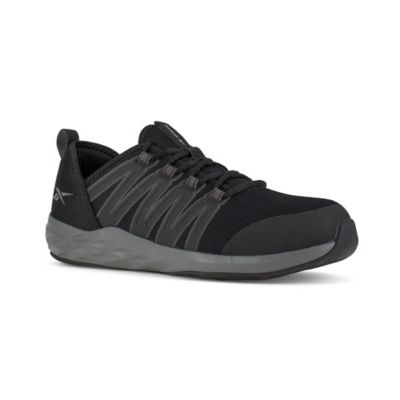
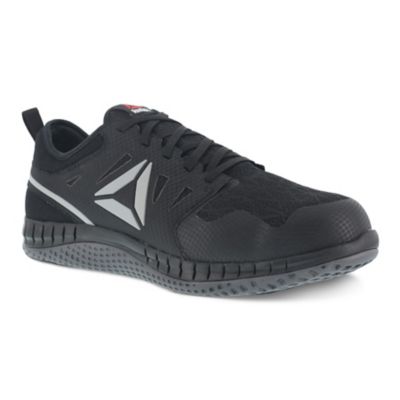
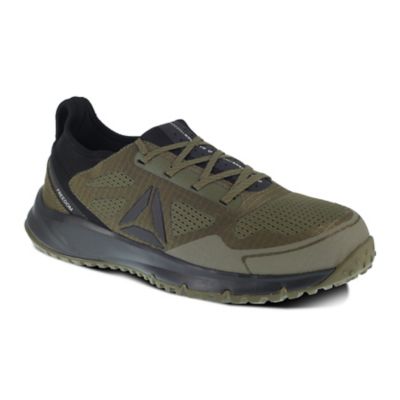
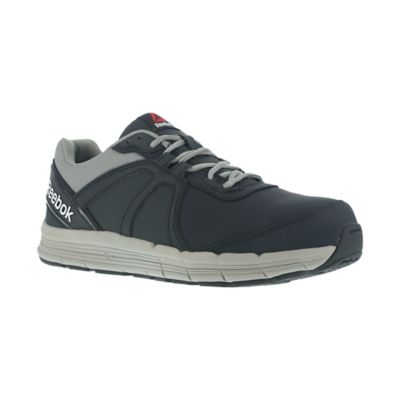
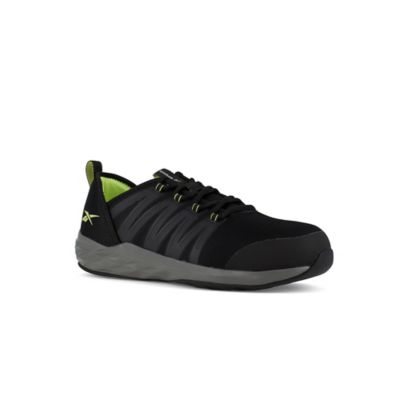
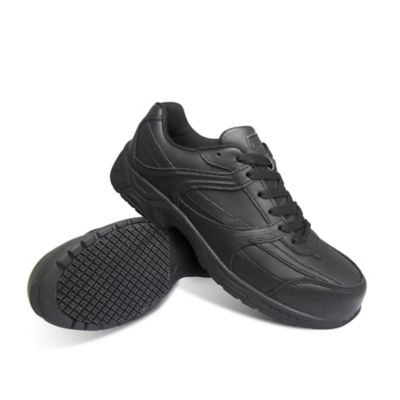
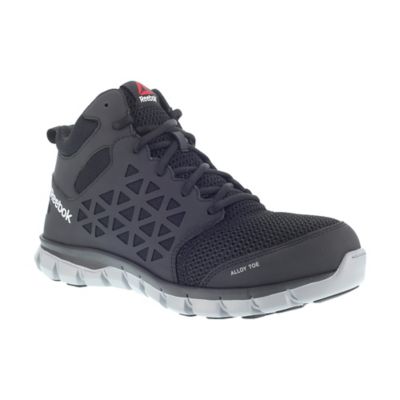
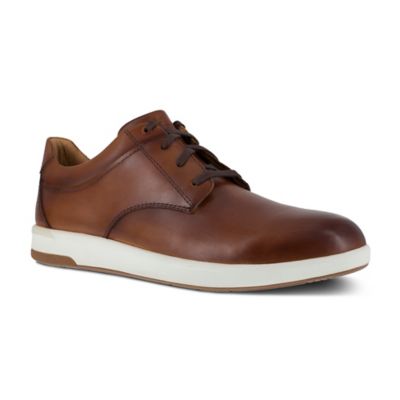
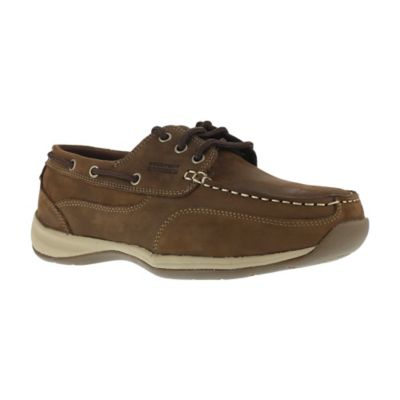
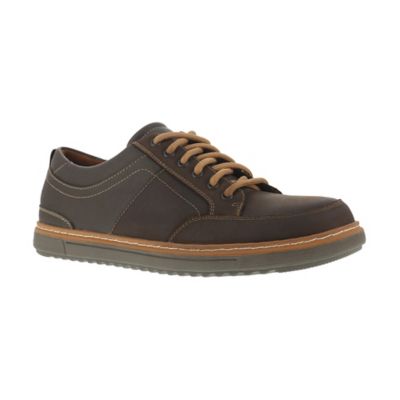
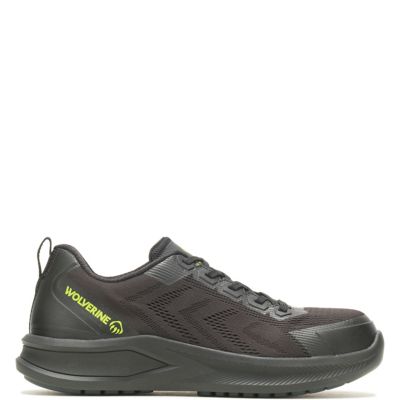
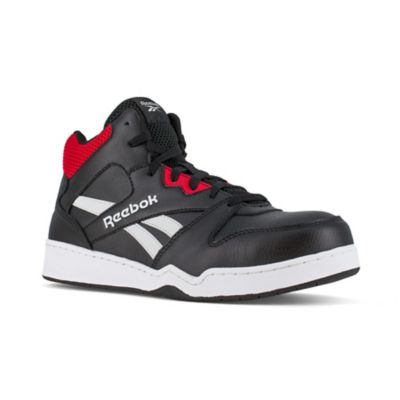
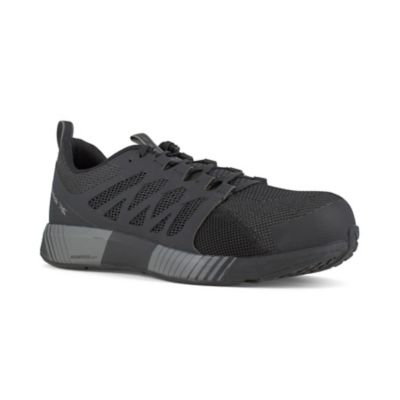
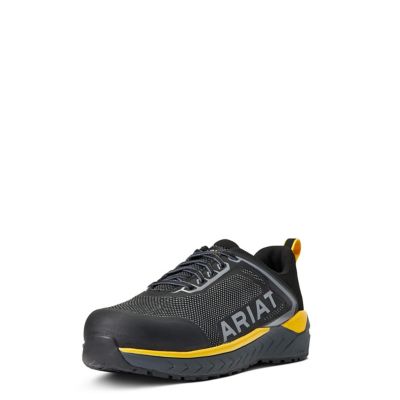
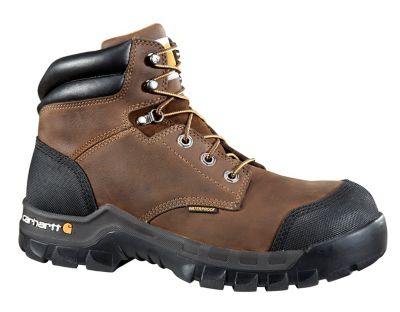
Men's steel toe work sneakers bring an athletic shoe shape to jobs that call for protective footwear. They suit many warehouse floors, assembly lines, maintenance shops and farm workspaces where walking, standing and moving materials fill the day. A steel toe cap sits inside the front of the shoe to help protect toes against impact and compression, while sneaker-style construction can offer a lower profile and a more flexible feel than some work boots. That combination makes sense for a worker crossing a concrete shop floor, loading cartons onto a cart or spending hours between a workbench and a parts shelf. The safety marking matters more than the athletic appearance, though. ASTM F2413 sets performance requirements for protective footwear, and the marking on a particular pair identifies the protection it meets. Steel toe construction alone does not establish every safety feature a workplace may require. Electrical hazard protection, puncture resistance and other properties need their own verification in the product specifications and safety label. Electrical hazard footwear provides secondary protection against certain accidental electrical contact under dry conditions; it is not a replacement for safe work practices or other required protective equipment. Static-dissipative footwear serves a different purpose and should not be treated as interchangeable with electrical hazard footwear. Likewise, a steel cap protects the toe area, not the entire top or bottom of the foot. Jobs involving hazards across the top of the foot may call for metatarsal protection, and sharp debris underfoot may call for a puncture-resistant construction. Men's safety toe sneakers belong in work settings that permit this footwear style and match its listed ratings. For crews with a written footwear policy, those requirements are the starting point for choosing a pair. A low-cut sneaker also leaves more of the ankle exposed than a taller boot, which matters around abrasive materials, loose debris or tasks requiring additional coverage.
Comfort in men's steel toe work shoes comes from the whole construction, not just a soft footbed. Leather uppers can handle scuffs and wipe down readily, making them practical around shop benches, equipment bays and feed storage areas. Textile or mesh panels can provide airflow and flexibility, though open fabrics may be less suited to work that exposes footwear to sparks, abrasive debris or heavy grime. Reinforced toe overlays and heel panels add coverage in spots that tend to rub against shelving, pallets and equipment. Inside the shoe, a smooth lining, padded collar and well-positioned tongue help keep seams and lace pressure from becoming distractions. Cushioning materials such as EVA can soften the feel of repeated steps on hard surfaces, while the midsole and footbed shape influence how supported the foot feels through a shift. Deep cushioning is not automatically the best fit for every worker; a steady platform can matter just as much when carrying a load or changing direction beside a worktable. Fit deserves particular attention because the steel cap will not stretch to make extra room. Toes should have space to move without striking the cap, and the widest part of the foot should sit comfortably in the forefoot. Heel hold matters, too: too much movement can create rubbing, while tight lacing cannot fix a shoe that is the wrong size or shape. Trying footwear with the socks worn on the job gives a better sense of working fit, especially later in the day when feet may be fuller. Anyone wearing orthotics needs enough interior depth for the insert without crowding the toes or lifting the heel out of position. Removable footbeds can make that easier, but replacement inserts should not interfere with required footwear performance. For a maintenance worker moving between a concrete floor and a ladder, or a warehouse hand covering aisle after aisle, balanced fit and support matter well beyond the first few steps.
Outsole design helps determine where steel toe work sneakers make the most sense. Rubber compounds, tread patterns and sole flexibility all affect how a shoe handles walking, turning and stopping. Slip-resistant outsoles are intended to improve traction under specified conditions, but no sole guarantees footing on every surface. Smooth concrete, tracked-in grit and oily shop floors present different challenges, and oil resistance is not the same claim as slip resistance. An oil-resistant sole is designed to resist certain effects of oil exposure; its traction still depends on the compound, tread and floor conditions. Shallower patterns may be easier to clear of small debris, while deeper channels can provide more space for loose material to move out of the tread. Keeping those channels clear helps the sole make contact with the floor as intended. For shoppers who prefer a darker finish, the related selection of
Mens Black Work Sneakers offers another way to browse, with toe type and workplace safety ratings still worth checking on each pair. Regular care also helps footwear hold up through the daily grind. Brushing away grit, wiping off grime and following the maker's cleaning directions can help protect uppers, seams and sole bonds. Leather may benefit from an appropriate conditioning product, while fabric panels generally call for a different cleaning approach. Footwear should air-dry away from direct heat, which can damage materials and adhesives. Pulling out removable footbeds allows the interior to dry more thoroughly between shifts. Routine checks can catch worn tread, separating soles, frayed laces or torn lining before they interfere with the workday. A hard impact or crushing event warrants taking the footwear out of service and following the manufacturer's replacement guidance, even when damage is not obvious from the outside. For men who need toe protection without the shape of a full-height boot, work sneakers offer a practical combination of job-specific safety features, everyday movement and a familiar lace-up fit.