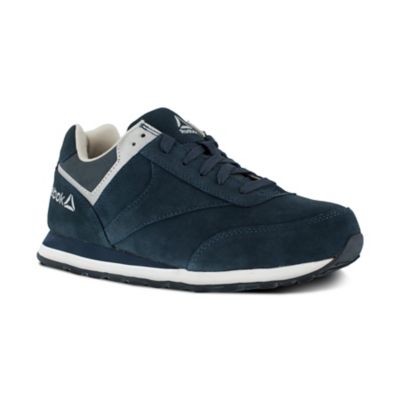
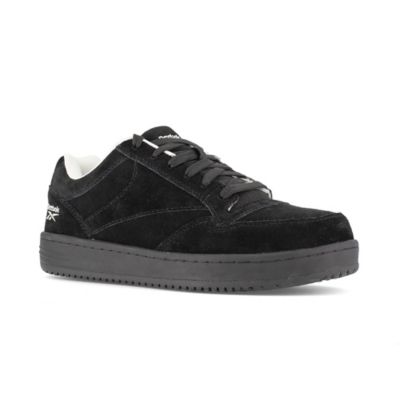
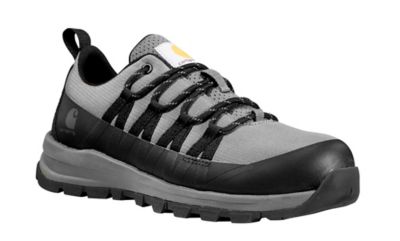
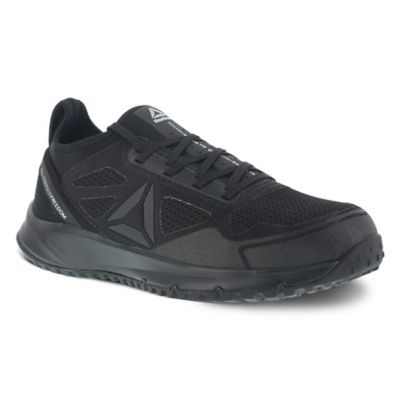
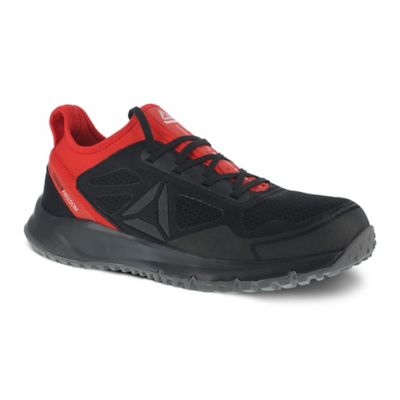
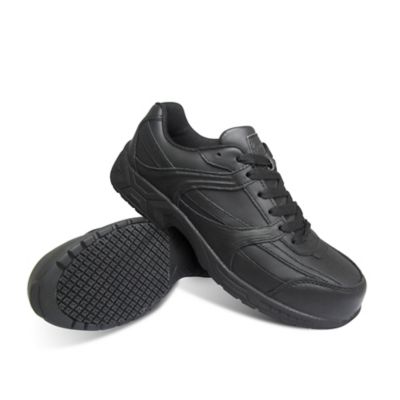
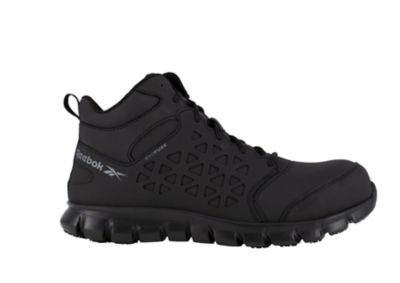
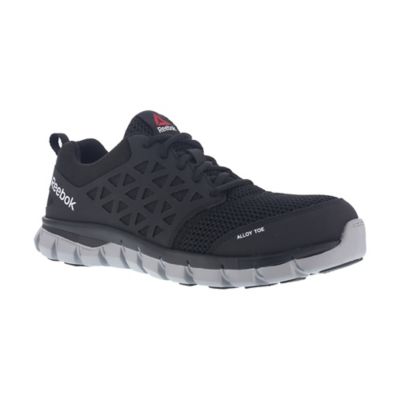
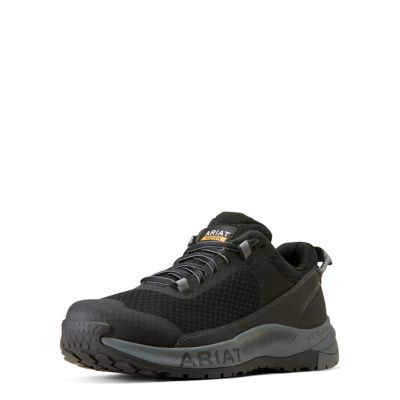
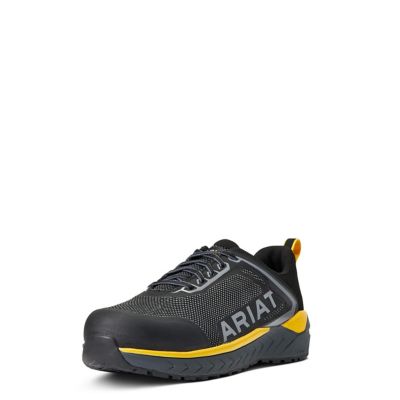
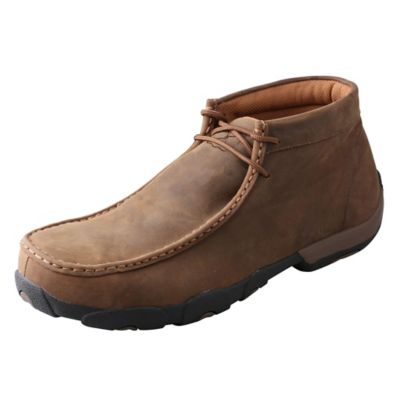
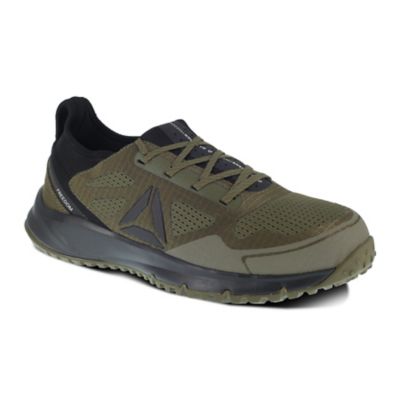
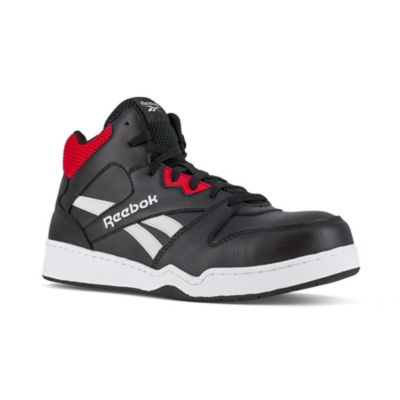
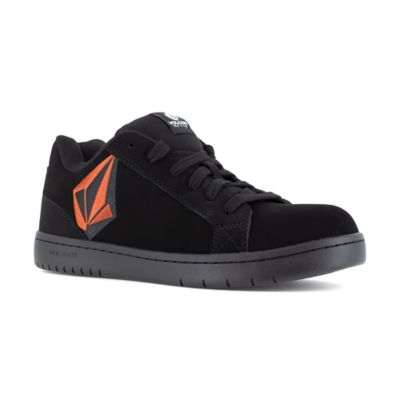
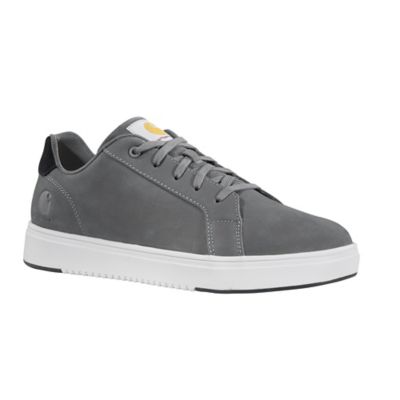
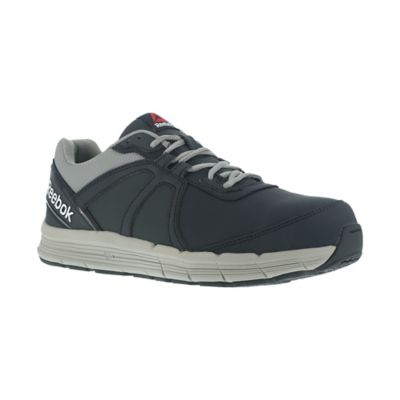
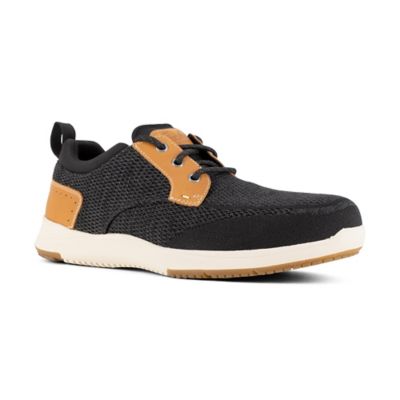
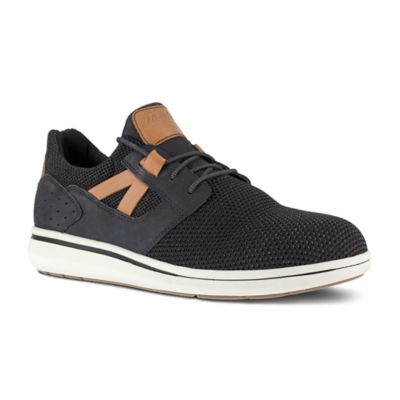
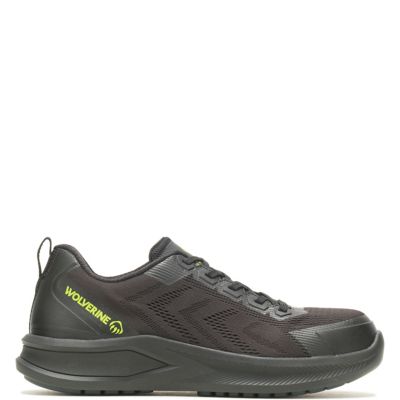
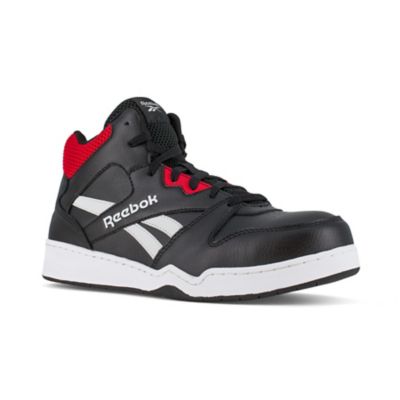
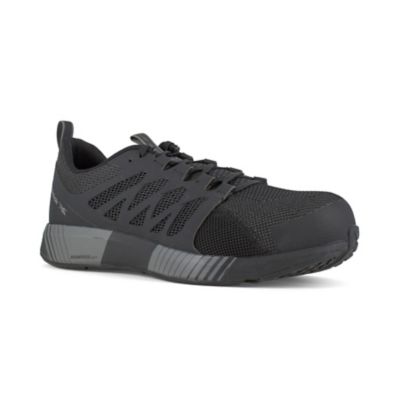
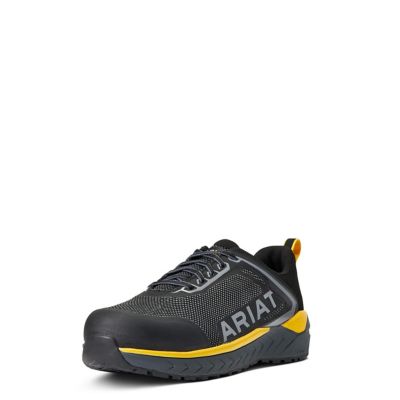
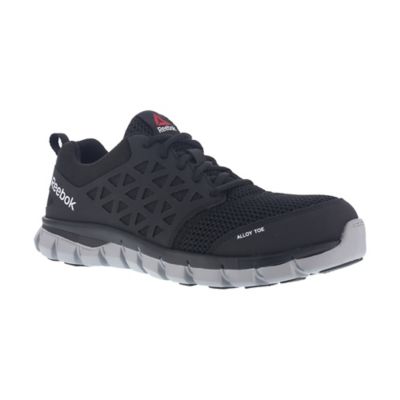
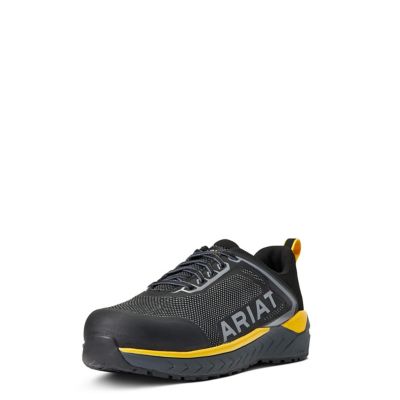
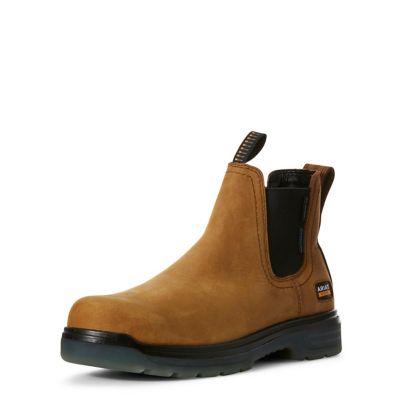
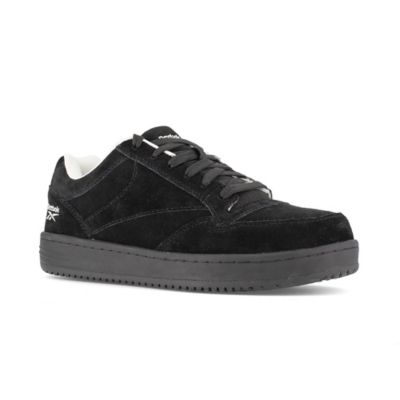
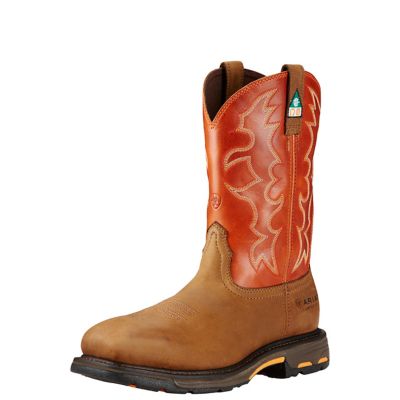
Comfortable steel toe sneakers bring a lighter, more athletic feel to work footwear while still giving your toes an extra layer of protection on the job. They can be a practical fit for warehouse crews, shop workers, farmhands, delivery teams, contractors, and anyone who spends long hours walking or standing on hard floors. Compared with a tall work boot, a low-profile sneaker shape may feel easier to move in when you are climbing in and out of equipment, walking across a feed room, or moving from the truck to the jobsite. The right pair should feel steady underfoot without making every step feel stiff. Pay close attention to the fit around the toe box, since a steel toe cap should protect your toes without pressing against them. Leave enough room for your toes to move naturally, especially if you wear thicker work socks during cooler weather. A wider size can make a big difference for feet that swell during a long shift, while a snug heel helps keep your foot from sliding as you walk. If you are shopping for more choices in a low-cut work shoe, browse our
Men's Safety Toe Athletic Shoes selection.
Cushioning and support matter just as much as the protective toe. Workers who spend most of the day on concrete often notice foot fatigue first in the heels, arches, and balls of the feet, so look for features that help soften each step. EVA midsoles, memory foam footbeds, air-cooled cushioning, and removable molded insoles can help create a more comfortable feel through a full shift. Built-in arch support may suit some feet, while others may feel better with a flat footbed and an added insert. If you already wear prescription or specialty insoles, check whether the original insole can be removed and whether the shoe leaves enough space for your insert without squeezing your toes. A flexible athletic sole can help with walking and bending, but it should still feel firm enough for ladders, gravel, packed dirt, and uneven shop floors. Traction is another important detail. Look for a tread pattern suited to the places you work, whether that means smooth warehouse aisles, dusty farm paths, damp pavement, or a construction area where small bits of material may collect underfoot. Water-repellent leather or a tightly woven textile upper can help keep light moisture out during morning chores and cool-weather commutes, though no work sneaker should be treated as a substitute for waterproof boots when you regularly deal with standing water, mud, or heavy rain.
Think about the safety requirements of your workplace before choosing a pair. A steel toe may be required where falling or rolling objects are part of the job, while an electrical hazard rating may be important for certain work environments. Always compare the shoe’s markings and specifications with your employer’s rules, site requirements, and the safety standards that apply to your trade. Comfort also depends on how and when you wear the shoes. Try them on near the end of the day, when your feet are closer to their largest size, and wear the socks you plan to wear on the job. Walk, bend, climb a step, and check that the heel stays in place without rubbing. For early mornings and the cooler months, leave room for work socks without creating a loose fit that lets your foot slide. These shoes can make a thoughtful gift for a new hire, a student heading into a trade program, a family member working in a warehouse, or someone replacing worn-out work footwear before a busy season. They are handy for everyday chores, shop projects, loading trailers, and long days on concrete, especially when the wearer wants the feel of a sneaker with added toe protection. A little attention to fit, cushioning, tread, weather coverage, and jobsite requirements can help you choose a pair that feels good from the first gate check to the last walk back to the truck.