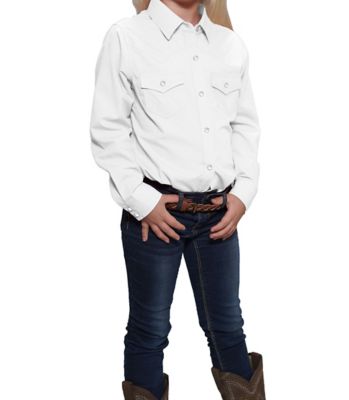
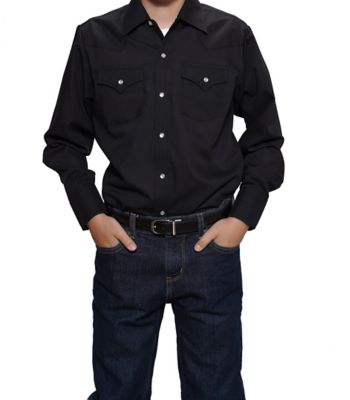
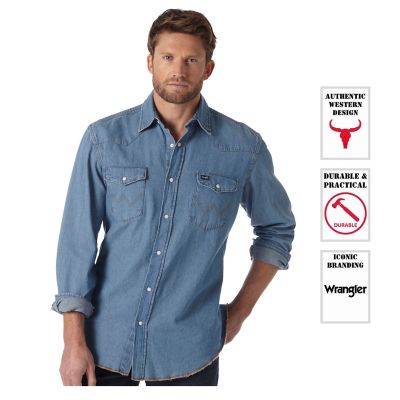
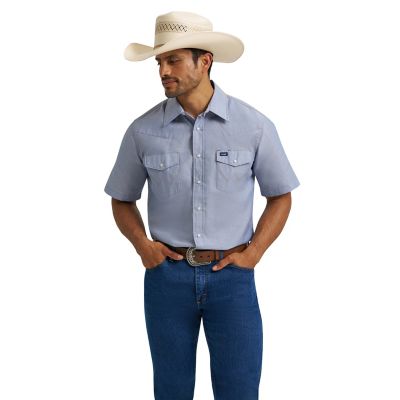
Men’s snap shirts bring a familiar Western look to everyday work and time away from the job, with front closures that press together instead of passing through buttonholes. That simple difference makes fastening the shirt straightforward, whether it’s part of a ranch-work outfit or paired with jeans for supper in town. Pearl-look snaps are a familiar detail, though snap shirts can also have plain metal or color-matched closures for a more understated finish. Pointed yokes across the shoulders, flap chest pockets and shaped cuffs help define the Western style, but not every snap-front shirt includes all of those features. Some lean toward traditional ranch wear, while others keep the lines simple enough for a casual office or a family gathering. Fabric plays a big part in how each style feels and wears. Cotton denim has a substantial feel and a surface that gradually softens with washing, while chambray offers a similar woven appearance with less weight. Twill has a diagonal weave and enough body to hold a tidy shape, making it a practical choice for shirts that move between chores and errands. Lighter plain-weave fabrics tend to drape more easily and sit comfortably beneath another layer. Cotton-rich blends can balance a familiar fabric feel with easier wrinkle management, while a little stretch can give the shirt more flexibility across the shoulders and elbows. The fiber percentages matter more than a broad fabric name when comparing those traits. Solid colors keep an outfit straightforward, while plaids, small checks and stripes bring pattern without needing much else. Contrast stitching and piping add a stronger Western note. For someone who spends the morning checking fence and the afternoon making a feed-store run, those differences are about more than looks: fabric weight, freedom of movement and pocket placement all affect how naturally a shirt fits into the day.
A comfortable fit leaves enough room to reach forward, bend at the elbows and sit behind the wheel without pulling the front placket tight. Shoulder seams that sit near the shoulder edge generally help the sleeves hang cleanly, while a little space through the chest keeps the snaps from carrying constant tension. A closer-cut shirt can look neat tucked into jeans, but it still needs room for ordinary movement; a relaxed cut offers more space through the body without necessarily changing sleeve length. Size names alone do not tell the whole story, so chest measurements, sleeve measurements and the garment’s fit description are useful points of comparison. Hem shape matters, too. A longer shirttail helps a tucked shirt stay put when reaching for a gate latch or lifting a sack onto a shelf. A shorter, straighter hem can sit more naturally over the waistband for casual wear. Long sleeves bring the familiar snap cuff, which may have more than one fastening position to adjust the opening around the wrist. The cuff should close comfortably without hanging over the hand, and the sleeve should allow the elbow to bend without drawing the cuff far up the forearm. Short-sleeve versions offer another take on the same snap-front style, especially for anyone who prefers less fabric around the arms. For a broader look at sleeve lengths, fabrics and everyday fits,
Men's Long Sleeve Shirts includes other shirt styles to consider alongside snap fronts. Construction details also deserve attention in a shirt that will see regular wear. Even stitching, reinforced pocket corners and a well-supported front placket help the garment handle repeated movement and fastening. Snap closures should line up neatly and sit flat rather than twisting the fabric around them. Chest pockets can keep a folded note or other small essentials close at hand, though pocket size and flap shape determine what fits comfortably. A shirt worn beneath bib overalls may call for a different pocket arrangement than one worn on its own, and that small detail can make a difference over a full day.
Care requirements are worth considering before a snap shirt becomes part of the regular rotation. The care label gives the right washing and drying directions for the fabric, trim and closures together, rather than the fabric alone. Cotton can shrink depending on its finish and laundering conditions, while blends may respond differently to heat and wrinkle less after washing. Dark denim and deeply colored fabrics may call for separate washing, especially early on, and embroidered details or contrast trim can have their own care needs. Working stains into a shirt through repeated drying can make them tougher to remove, so prompt attention to a spill or muddy cuff helps keep a work shirt presentable for more than the next chore. Pulling the fabric sharply apart puts strain on the area around a snap; opening each closure with a grip close to the fastening reduces that tugging. A loose or damaged snap may need repair even when the rest of the shirt still has plenty of wear left. For everyday outfits, a snap shirt works easily with straight-leg jeans, work pants and boots, with the pattern and fit doing most of the styling. A solid twill shirt tucked into clean jeans feels more pulled together, while a plaid worn untucked has an easygoing feel for a cookout or a visit with friends. It can also make a thoughtful gift for a rancher, horse owner or anyone who favors Western clothing, especially when the choice reflects what that person actually wears. A familiar chest measurement, preferred sleeve length and favorite fit are better clues than guessing from appearance. Someone who wears roomy work shirts may appreciate space through the shoulders, while someone who mostly wears snap shirts out to dinner may prefer a trimmer shape. The best match is a shirt that feels comfortable reaching across a truck seat, sits neatly at the collar and fits the wearer’s routine without a fuss.