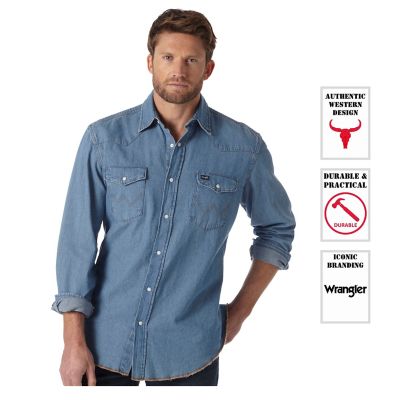
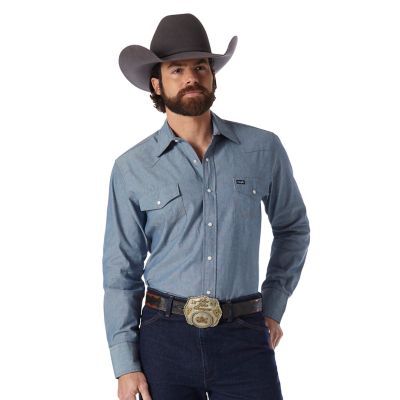
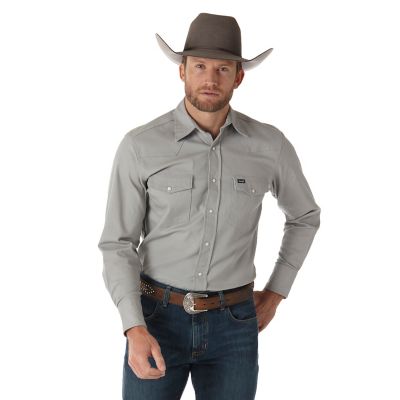
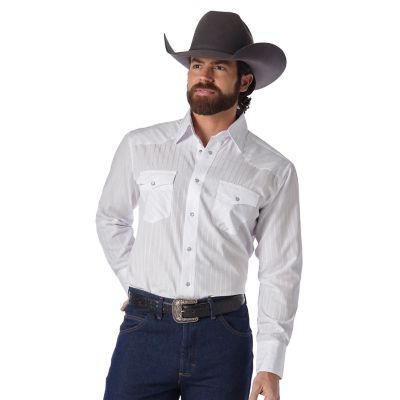
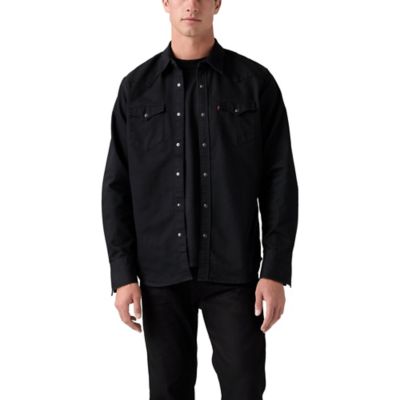
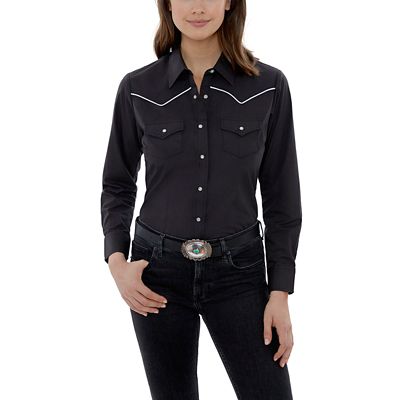
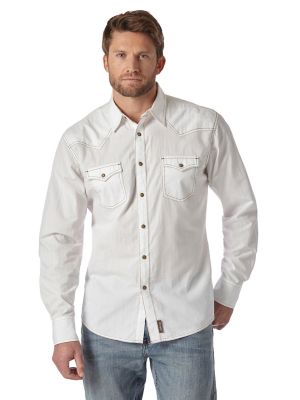
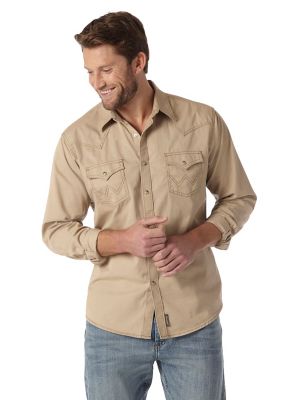
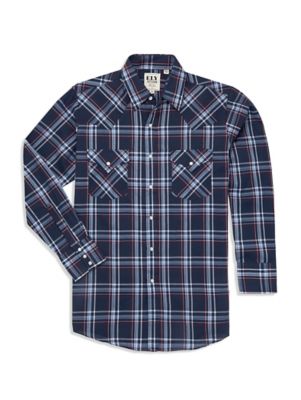
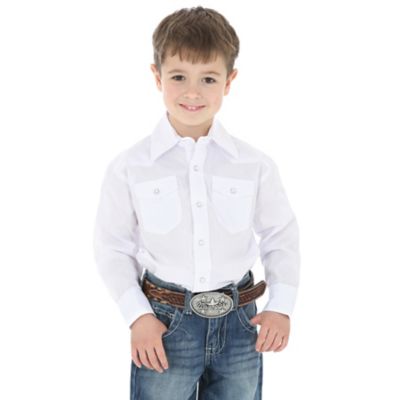
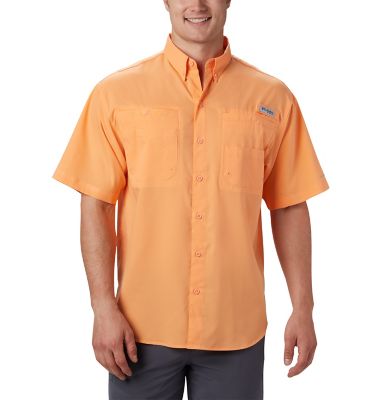
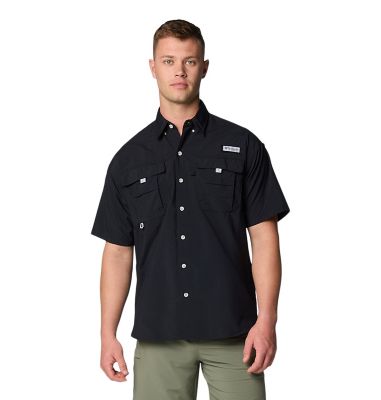
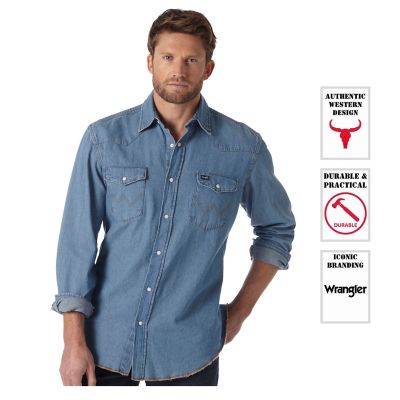
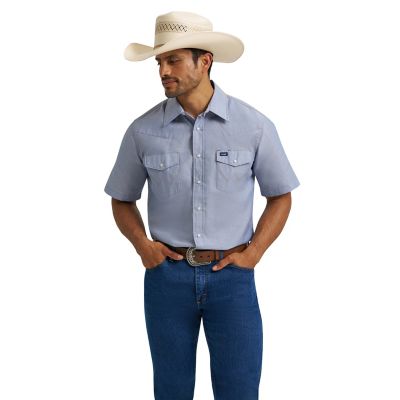
Western snap shirts are collared woven shirts known for snap-front closures, pointed or angled yokes across the shoulders, and, on many styles, two chest pockets with snap flaps. Pearl-style or metal snaps give them their familiar Western look, while details such as contrast stitching, pocket shape, and cuff design set different styles apart. Pearl-style refers to the appearance of the snap cap, not necessarily its material. These shirts have strong ties to ranch and rodeo clothing, but they fit just as naturally into a day around town, a feed-store run, or an evening at the dance hall. A plain solid shirt keeps things understated, while checks, stripes, embroidery, and contrasting panels bring more character to an outfit. For patterns with that familiar country feel,
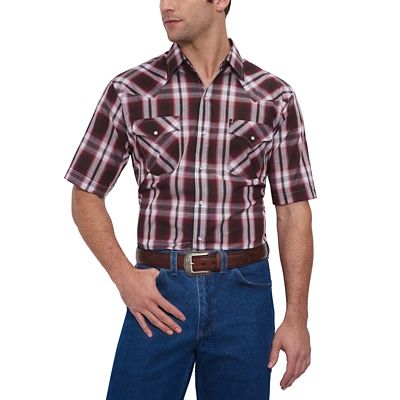
Plaid Western Shirts pair intersecting lines and checks with the snap closures and yoke details that define the style. Smaller checks tend to blend easily with everyday jeans, while larger patterns make more of a statement without needing much else. Long-sleeve versions often carry the snap detail through the cuffs, giving the sleeves a finished look whether the shirt is tucked into jeans or worn untucked. Short-sleeve versions keep the same Western character with less fabric around the arms. The difference between a shirt for chores and one for a night out often comes down to fabric weight, fit, and how much detail feels right. A straightforward cotton shirt can look at home beside a saddle rack or at a backyard gathering, while a sharply pressed style with contrast piping suits a rodeo outing or a country wedding with a relaxed dress code. Boots, a belt, and familiar denim are natural partners, though the shirt does not need a full Western outfit to look right. Even with plain pants and simple footwear, its yokes and snap front give it a recognizable shape.
Fabric and construction make a noticeable difference in how a Western snap shirt feels through a full day. Cotton offers a familiar feel against the skin, with texture ranging from smooth, fine weaves to more substantial twill or denim. Chambray brings a denim-like appearance in a generally lighter woven fabric, although actual weight varies by shirt. Cotton-polyester blends can help limit wrinkling and make routine care more manageable, while fabric with a small amount of stretch can allow extra give when reaching or bending. Fiber content alone does not tell the whole story: weave, fabric weight, stitching, and finishing all affect how a shirt wears. Neat seams, secure pocket corners, and firmly attached snaps are worth a close look on clothing meant for regular chores. Thicker fabric may stand up better to abrasion, but it can also feel less flexible than a lighter weave. Fit matters just as much, especially for someone reaching across a truck bed, carrying feed bags, or spending time in the saddle. Shoulder seams should sit comfortably without pulling, and the back should allow movement without putting strain on the snap placket. A trim cut gives a closer outline, a regular fit leaves moderate room, and a relaxed cut provides more ease through the body. Those descriptions vary between makers, so garment measurements and size charts offer a better comparison than the size letter alone. Long sleeves should reach the wrist without covering the hand, and cuffs should close comfortably rather than pinch. A longer shirttail helps keep a shirt tucked during movement, while a shorter, straighter hem often sits more naturally over jeans. Chest pockets bring practical storage for small essentials, though a heavy pocket load can pull the shirt out of shape. Snap flaps help keep pocket contents covered, but they are not a substitute for a secure carrying case when something needs protection. For chores around machinery, close-fitting sleeves and secured cuffs matter; a Western shirt does not replace task-specific protective clothing.
Keeping Western snap shirts looking good starts with the care label, since cotton, blends, embroidery, and different snap finishes can call for different handling. Cotton may shrink with heat, and darker colors can lose depth when repeatedly washed or dried under harsh conditions. Following the listed wash and drying settings helps preserve the intended fit and finish. Turning a shirt inside out can reduce rubbing against its outer surface, while washing with similar colors helps limit color transfer. Mud, feed dust, and spills are easier to address before they have time to settle into the fabric, with any stain treatment checked against the garment’s care directions. Snaps also benefit from a little care in everyday handling. Opening each closure close to the snap, rather than yanking the shirt front apart, reduces strain on the surrounding fabric. A snap that no longer closes firmly deserves attention before it pulls loose. If ironing is permitted, the recommended setting and a little caution around snap caps and stitched details help keep the finish looking neat. Hanging the shirt after drying can also cut down on deep creases through the collar, yokes, and front placket. These details matter whether the shirt spends most of its time at the barn or comes out for family dinners and trips into town. As a gift, a Western snap shirt works best when it matches the wearer’s habits rather than just a favorite color. Someone who stays tucked in may appreciate extra body length, while a person who prefers an easy fit may want more room through the shoulders and chest. Familiar patterns, preferred sleeve length, and an existing shirt’s measurements can make the choice more personal. For ranch hands, riders, country music fans, or anyone who likes the look, the appeal is straightforward: recognizable Western details in a shirt that can earn a regular place in the weekly rotation.