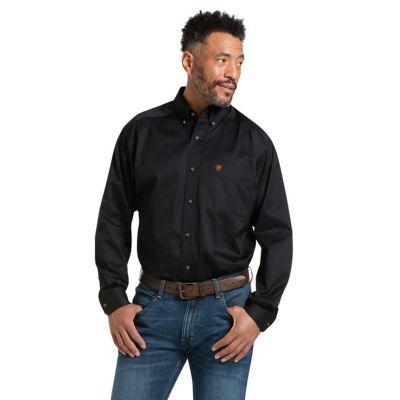
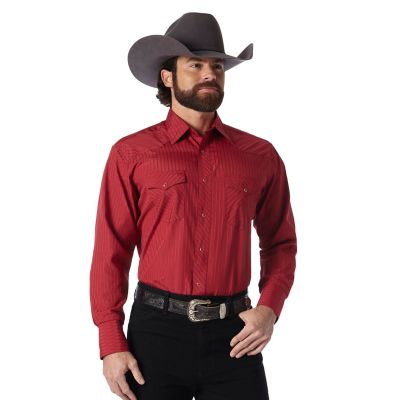
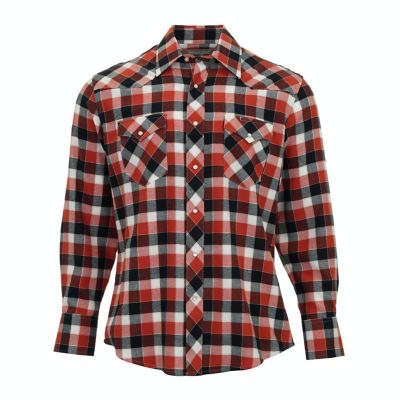
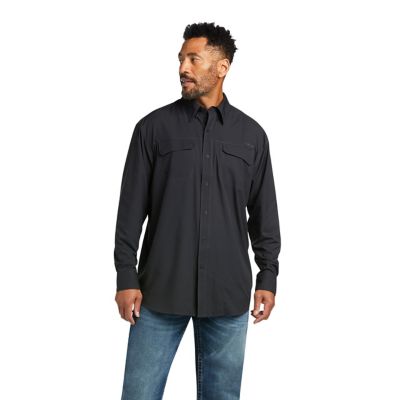
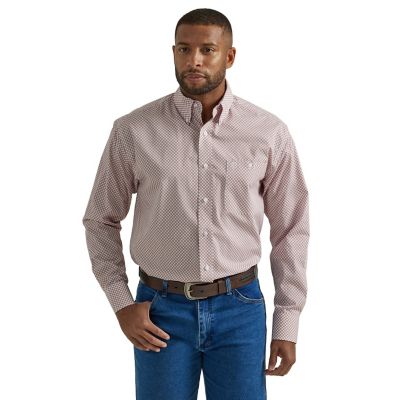
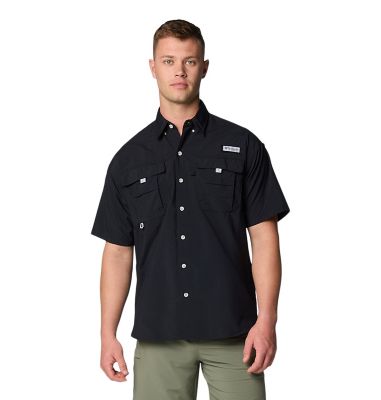
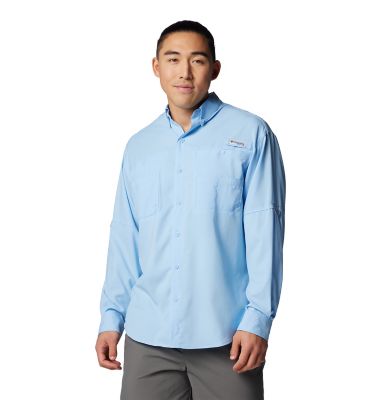
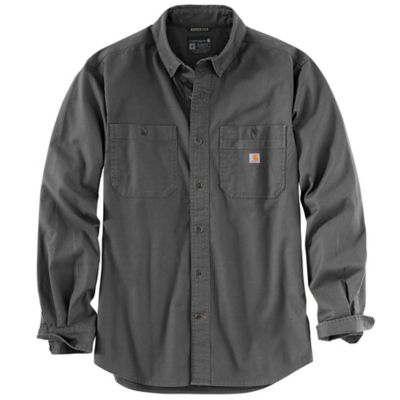
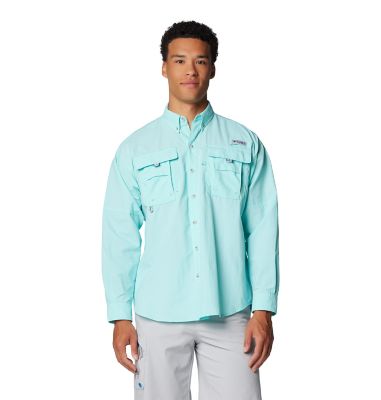
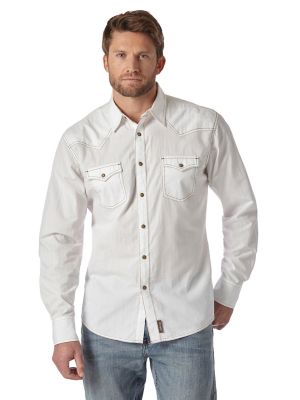
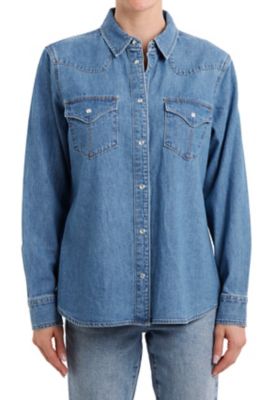
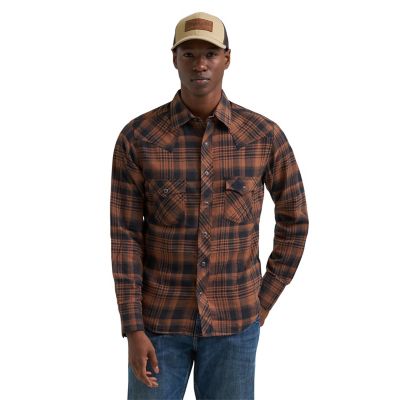
Men's button-up western shirts bring a familiar ranch look to everyday work, a trip into town, or a night at the dance hall. Pointed collars, shaped shoulder yokes, and chest pockets give these shirts their western character, while a button front keeps the look straightforward and easy to wear. A yoke is the shaped panel across the shoulders; its outline might be subtle or sharply pointed, depending on the shirt's design. Some styles keep things simple with solid colors and stitching that blends into the fabric. Others lean into bold plaids, narrow stripes, contrast trim, or embroidery that stands out above a pair of jeans. The right amount of detail depends on where the shirt is headed. A plain pattern can move easily from checking fences to supper in town, while a more noticeable design fits right in at a concert or rodeo. Chest pockets add another practical detail, especially for someone who likes a place for a folded note or pen. Pocket flaps and closures vary, so their usefulness depends on what needs to stay close at hand. Long sleeves and button cuffs create the familiar western silhouette, and short-sleeve cuts offer another way to wear the same general style. A cuff that sits neatly at the wrist is less likely to get in the way of ordinary tasks, though any work around equipment calls for clothing suited to the job and its safety requirements. These shirts aren't limited to men who spend their days around livestock, either. They suit horse owners, musicians, truck drivers, and anyone who likes western clothing without needing a special occasion to wear it. Whether paired with work jeans and everyday boots or darker denim and a belt for going out, a western shirt can look put together without feeling fussy. Small details, from the collar shape to the spacing of a plaid, help set the tone without changing that easygoing foundation.
Fabric and fit make a bigger difference over a full day than a shirt's pattern alone. For men who like a familiar natural-fiber feel,
Cotton Western Shirts offer a straightforward starting point. Cotton's feel varies with the weave and fabric weight: a lighter plain weave can feel quite different from a substantial twill, even when both have the same fiber content. Chambray often has a denim-like appearance with a lighter feel, while denim western shirts generally bring more structure. Twill has a recognizable diagonal weave and can give a shirt a substantial hand without making it stiff. Cotton blends may help with wrinkle control or shape retention, depending on their fiber content and finish. A little stretch can add give across the back and elbows, but it doesn't replace getting the size right. Fit is worth considering in the positions a man actually spends time in, not just while standing straight in front of a mirror. Reaching for a gate latch, settling into a truck seat, or bending to pick up a feed scoop can reveal pulling across the shoulders or tightness through the middle. The shoulder seams should sit comfortably near the shoulder edges, and the button placket should lie flat rather than pull open across the chest or stomach. A closer cut gives a trimmer outline, while a roomier cut leaves more space through the torso. Neither should restrict an easy reach. Sleeve length matters, too: cuffs shouldn't tug sharply up the forearms when the arms extend forward. For a tucked-in look, enough body length helps the hem stay inside the waistband while moving and sitting. A shirt intended to hang loose generally needs a length that looks balanced rather than reaching too far down the thighs. Comparing chest, neck, sleeve, and body measurements with the size chart is more helpful than assuming every western shirt fits the same. If an undershirt is part of the everyday routine, leave room for it without adding so much extra fabric that the shirt bunches beneath a belt.
Keeping a western button-up looking sharp starts with the care label, since fabric content, finishes, and stitched details can call for different treatment. Cotton may shrink, particularly with more heat than the label recommends, while blends can have their own washing and drying limits. Sorting darker shirts from lighter laundry helps reduce the chance of color transfer, and treating a small stain promptly is generally easier than tackling it after a trip through the dryer. Soil from a day around the barn deserves attention before washing, especially around cuffs, collars, and pocket edges. Follow the garment's directions for stain treatment rather than scrubbing hard enough to rough up the fabric or disturb stitching. Taking a shirt out of the dryer promptly, when tumble drying is permitted, can help keep deep creases from settling in. Hanging it neatly gives the collar, placket, and sleeves a better chance of holding their shape between wears. If pressing is needed, match the iron setting to the fabric and take care around embroidery, trim, and buttons. A loose button or a small opening in a seam is worth fixing early, before an ordinary tug turns it into a bigger repair. Those little habits help keep a favorite shirt in the regular rotation. When choosing one as a gift, start with the recipient's everyday clothes: familiar colors, a preferred fit, and the sleeve length he already wears are better clues than guessing at a whole new look. A man who keeps his shirts plain may appreciate a quiet stripe more than a bold embroidered design, while someone who dresses for the dance floor might welcome stronger contrast. Think about whether he tucks his shirts in, carries anything in a chest pocket, or prefers a collar that looks neat without much attention. The best match is a shirt that feels at home in his routine, with enough western character to make getting dressed a little more enjoyable.