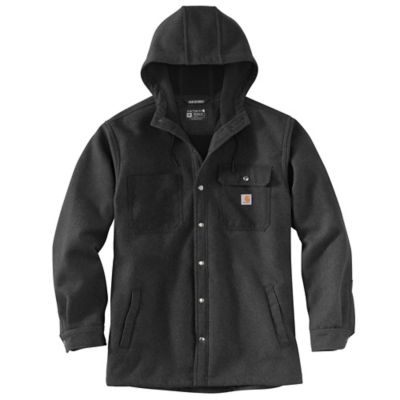
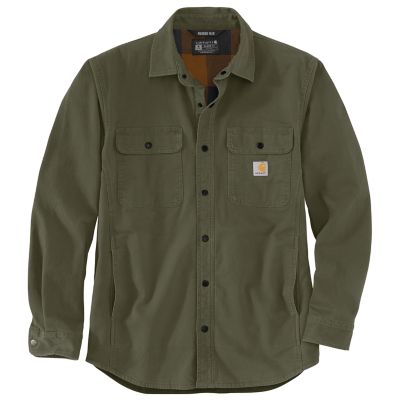
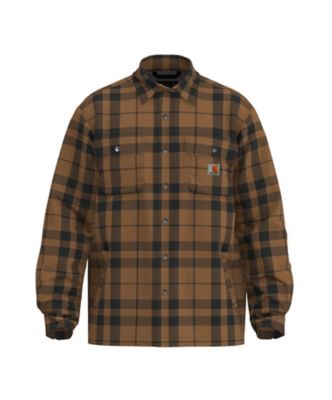
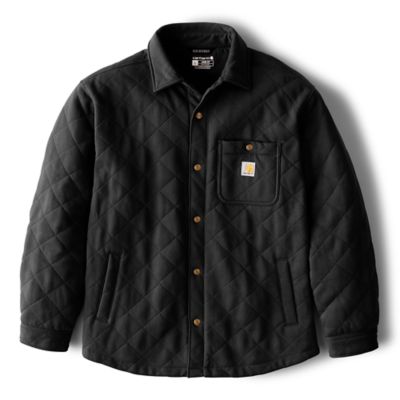
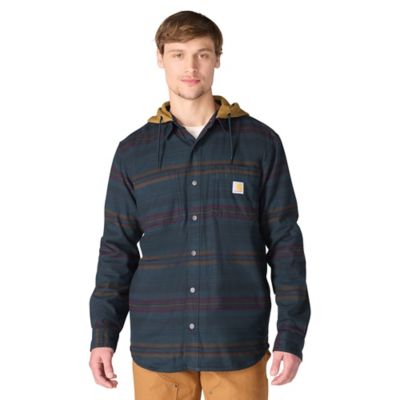
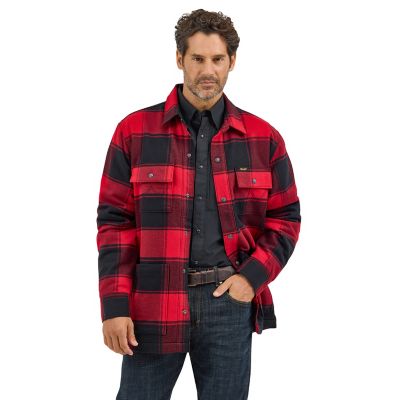
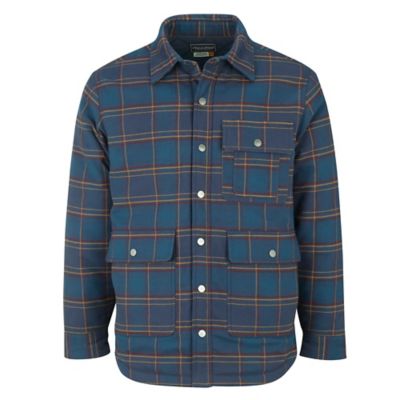
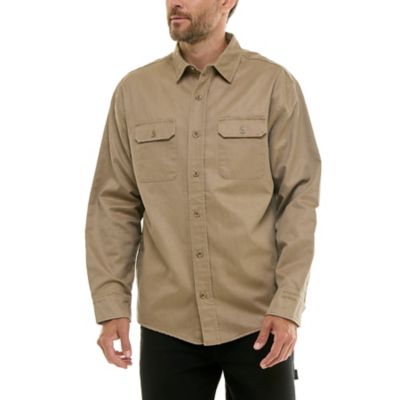
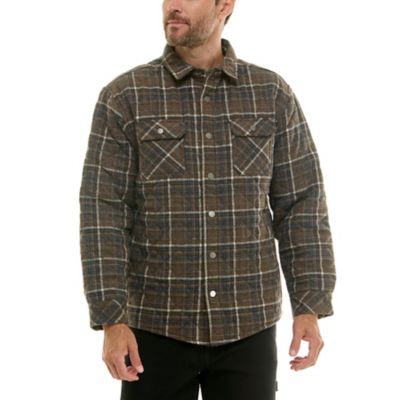
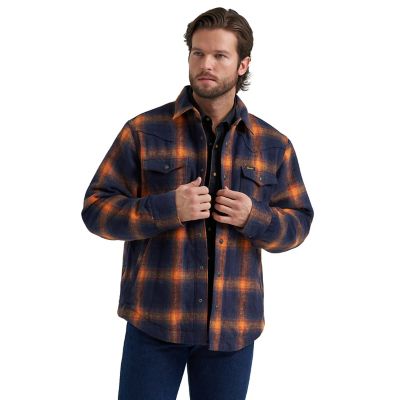
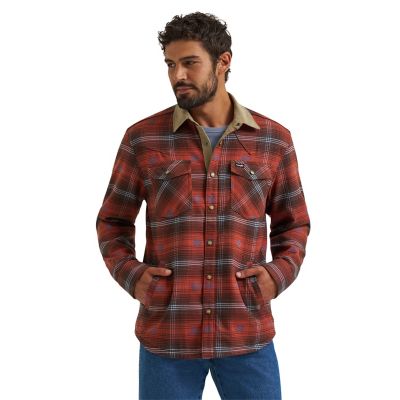
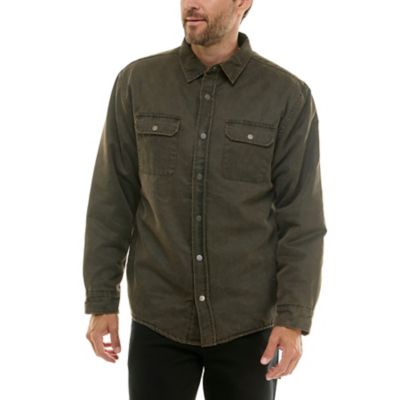
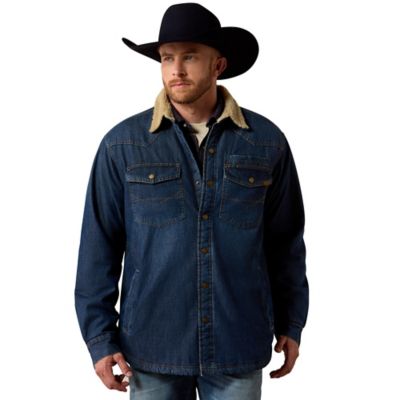
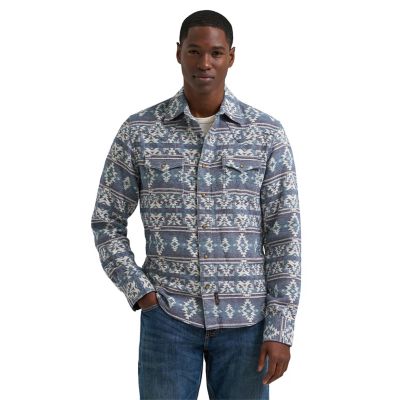
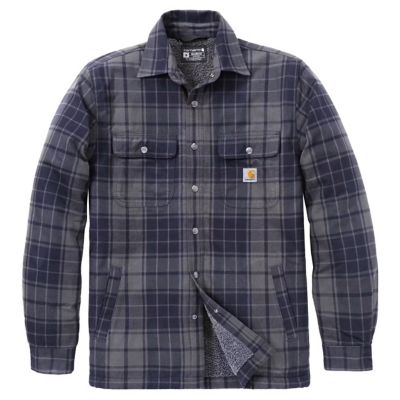
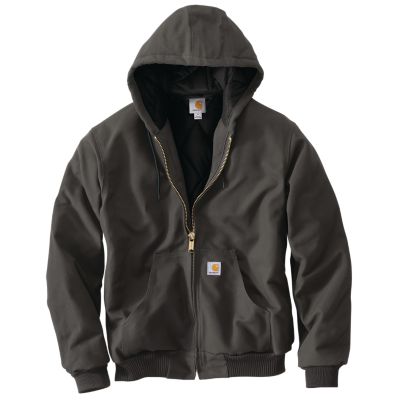
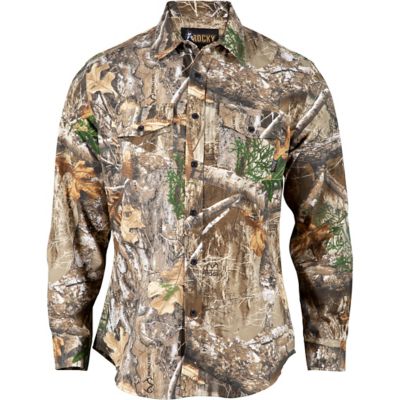
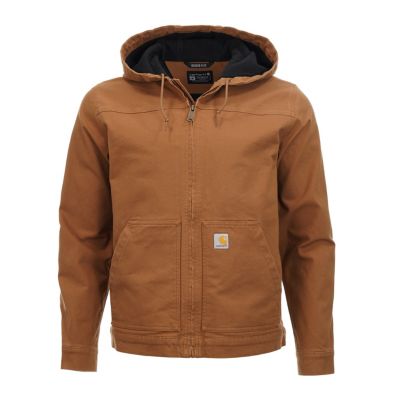
Men's shirt jackets land between a button-front shirt and a full jacket, with a familiar shape that fits right into a day spent around the farm, in the workshop or headed into town. The appeal is straightforward: a collar, an easy front closure and enough room to wear over another shirt without feeling dressed for a different kind of day. Worn open over a T-shirt or buttoned over a long-sleeve henley, a shirt jacket brings extra coverage while keeping an outfit simple. Fabric makes a big difference in how that layer feels and where it fits into the routine. Cotton flannel has a soft, brushed surface and a relaxed look that pairs naturally with jeans and work boots. Cotton twill offers a smoother finish with a bit more structure, while canvas has a firmer hand that suits chores involving frequent contact with rough surfaces. For that substantial fabric feel,
Canvas Shirt Jackets fit naturally into a work-ready wardrobe. Wool blends can bring texture and a heavier drape, while fabrics containing polyester may help with shape retention and drying time, depending on their construction. A lighter, unlined shirt jacket generally feels more like an overshirt; a lined version can have more body and a distinctly jacket-like feel. Quilted linings, fleece interiors and smooth woven linings each change the experience, from the softness against a shirt to how easily the sleeves slide over another layer. Solid colors keep things understated, while plaid adds pattern without requiring much thought about the rest of an outfit. Earth tones, dark blues and grays pair easily with denim or work pants. The result is a practical everyday layer for someone who might check a fence line, pick up supplies and stop for lunch without heading home to change. That familiar shirt shape also makes these jackets an easy match for clothing already hanging by the door, rather than something that calls for a whole new outfit.
A men's shirt jacket earns its place through fit as much as fabric. There needs to be enough space across the shoulders and upper back for reaching toward a shelf, carrying a feed sack or settling behind the wheel, but extra fabric should not bunch beneath the arms or hang loose around equipment. A relaxed cut can accommodate a substantial base layer, while a closer cut gives an unlined overshirt a neater outline. Neither fit works for every task, and the size printed on the label tells only part of the story. Shoulder placement, chest measurements and sleeve length all affect how a garment moves. The hem matters, too: a shorter cut can feel less restrictive when seated, while a longer hem provides more coverage through bending and reaching. Most shirt jackets make sense worn untucked, with enough length to overlap the waistband without getting in the way. Adjustable cuffs help manage sleeve openings, whether the jacket goes over a thin shirt or a heavier knit. Buttons offer a familiar shirt-like finish, snaps can simplify opening and closing, and a zipper provides a continuous front closure. Pocket design adds another practical difference. Chest pockets can keep small essentials close, flap closures help contain their contents, and side pockets give keys or other everyday necessities a convenient spot. Pocket placement deserves attention when carrying things, since a heavily filled chest pocket can pull on the front of the garment. For chores involving machinery, loose sleeves, dangling cords and unsecured clothing need particular care; an everyday shirt jacket is not a substitute for task-specific protective apparel. Away from work, the same straightforward details look at home with a plain tee, clean jeans and boots. A quieter solid shade can feel right for a casual meal out, while a plaid overshirt has an easygoing character suited to a backyard gathering. The best match is a shirt jacket that feels comfortable through the ordinary movements of the day, not just while standing still in front of a mirror.
Construction and care help determine how a shirt jacket handles repeat wear. Close, even stitching, firmly attached buttons or snaps, and reinforcement around pockets and other stress points are details worth a look. Fabric weight matters, but heavier does not automatically mean better for every purpose. A substantial canvas shell can make sense for hands-on chores, while a softer, lighter fabric may feel better for driving, walking the property or spending time indoors. Linings add another consideration, especially when the outer fabric and interior have different care needs. The garment's care label should set the routine: some cotton and blended styles allow machine washing, while wool blends or particular linings may call for different handling. High dryer heat can affect shrinkage, shape and finishes, so the recommended drying method matters just as much as the wash setting. Emptying pockets before laundering prevents a stray screw, pen or handful of grit from creating trouble, and treating a small stain according to the fabric instructions is easier than letting it settle in. A little attention to loose threads and fasteners can also help keep an everyday layer ready for its next outing. Between wears, letting the garment dry fully before putting it away helps protect both the fabric and the lining. Men's shirt jackets can make thoughtful gifts for dads, brothers, sons or friends who appreciate clothing with a clear purpose. Familiar details are often the most helpful clues: the colors they already wear, whether they prefer snaps or buttons, and how much room they like through the chest and sleeves. Someone who spends plenty of time doing chores may appreciate a structured fabric and secure pockets, while someone looking for a casual everyday layer may favor softness and a simpler shape. Whatever the setting, a shirt jacket should feel easy to reach for, comfortable to move in and suited to the work and downtime that fill an ordinary day.