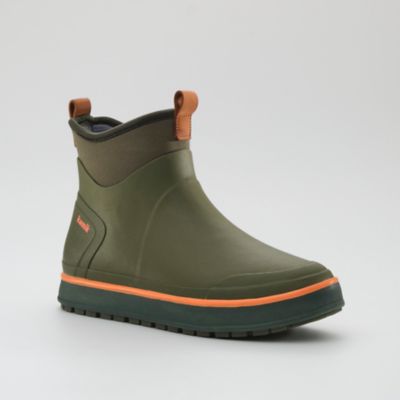
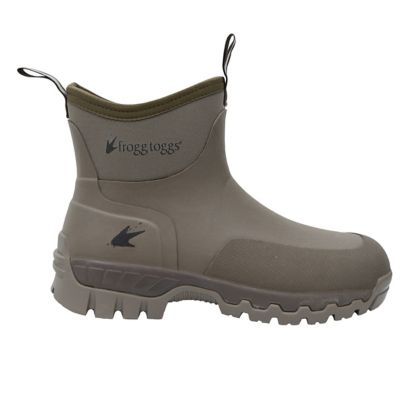
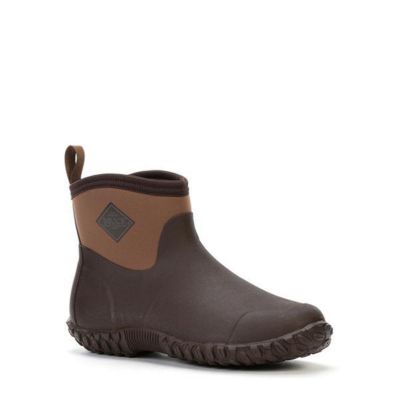
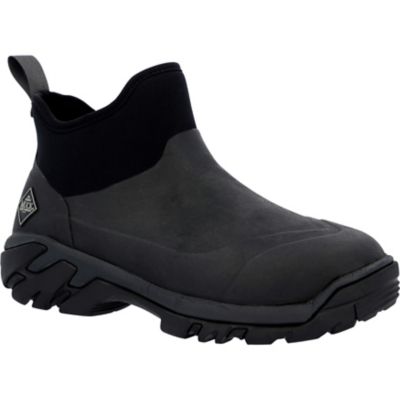
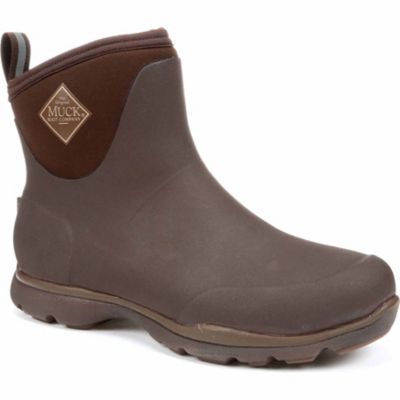
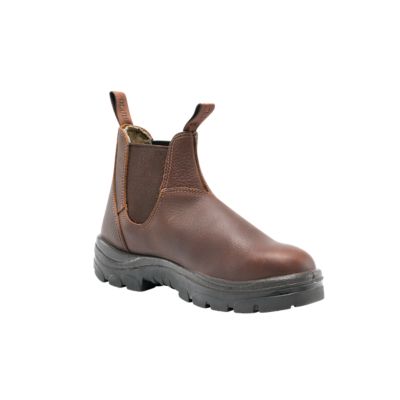
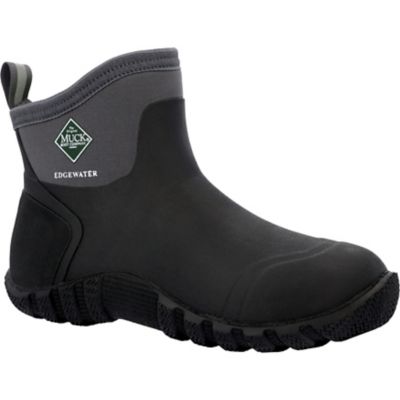
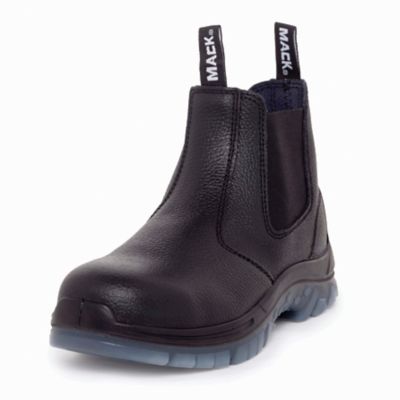
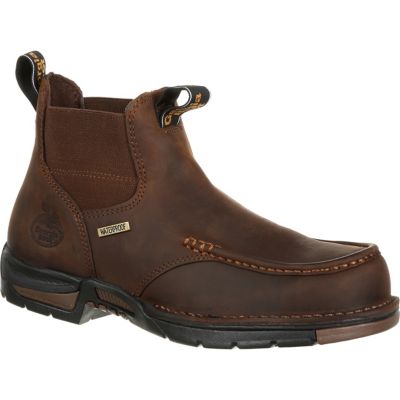
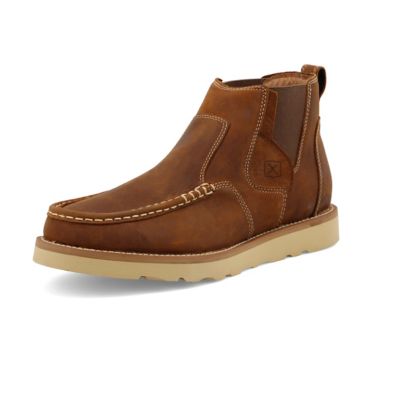
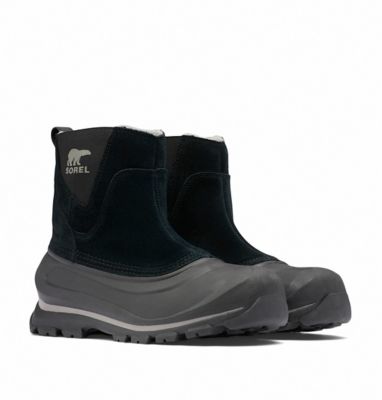
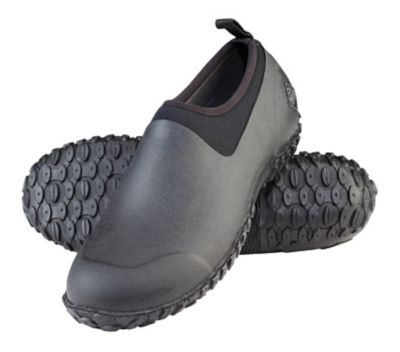
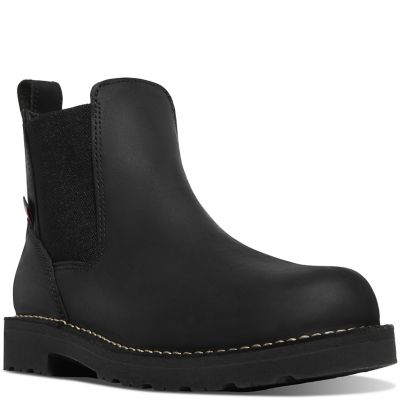
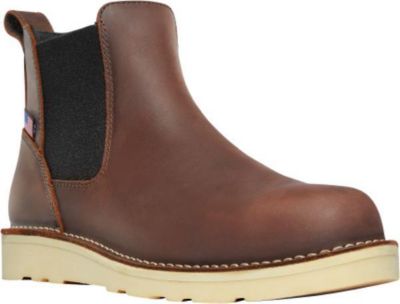
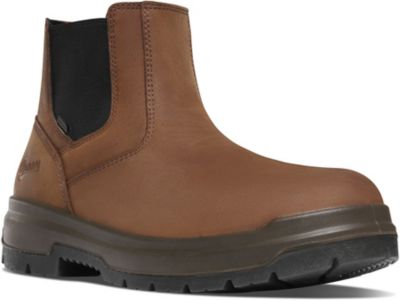
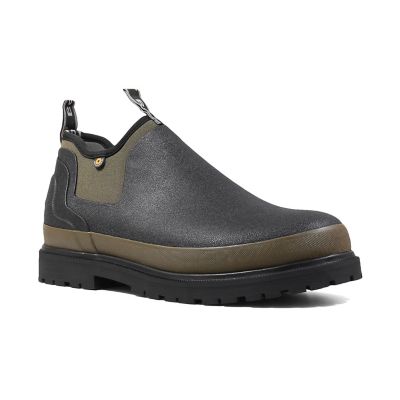
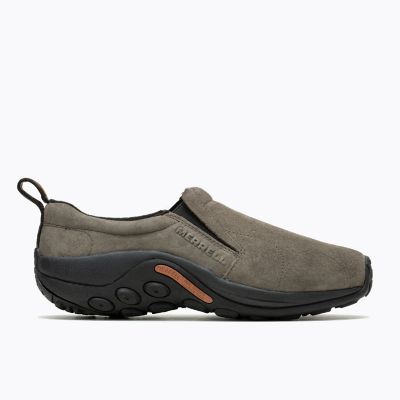
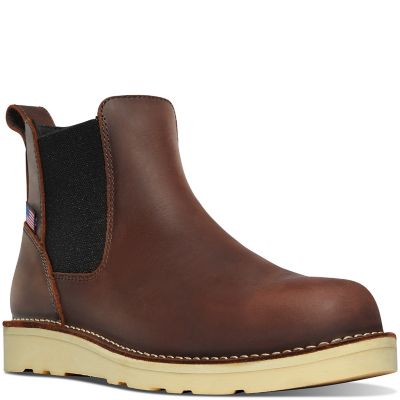
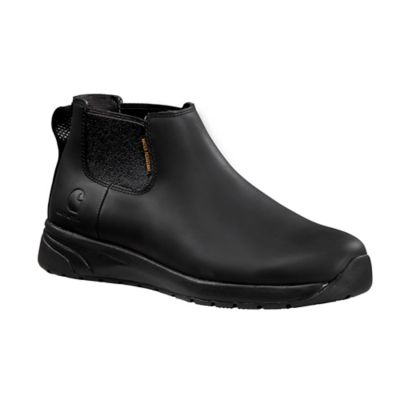
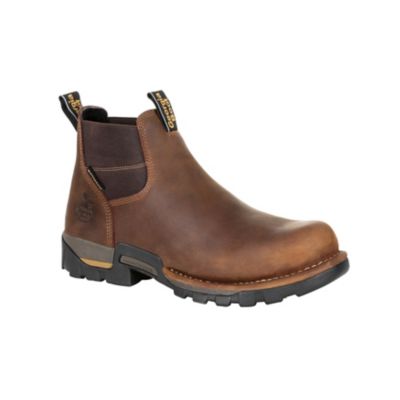
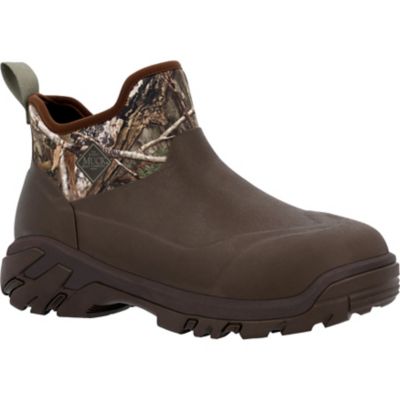
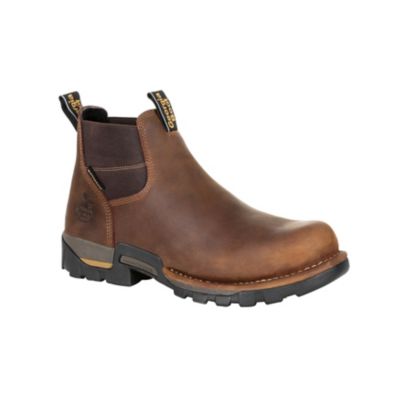
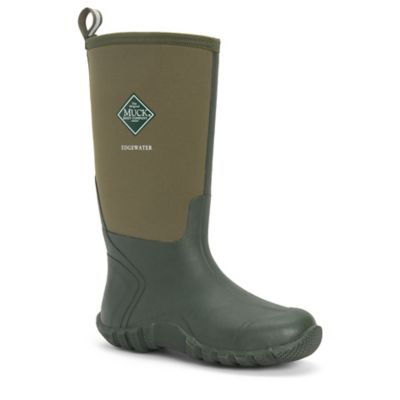
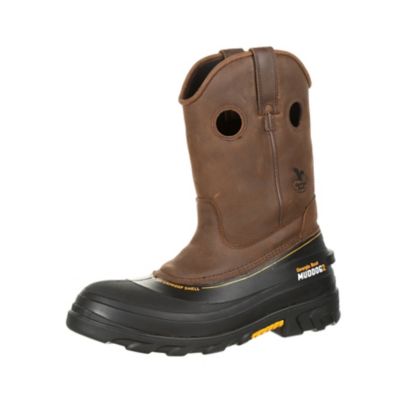
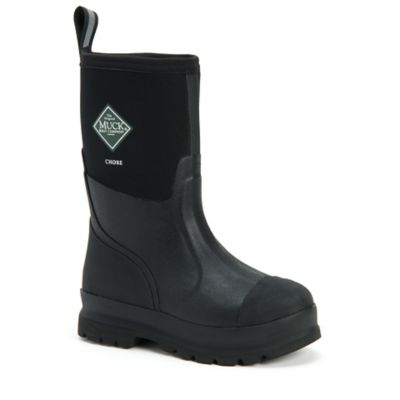
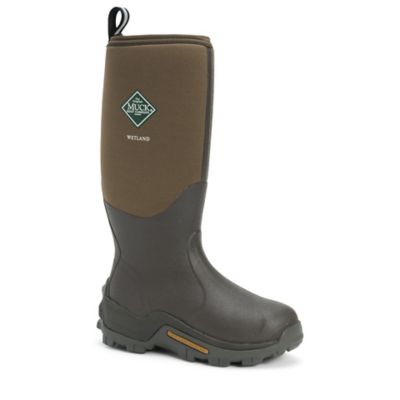
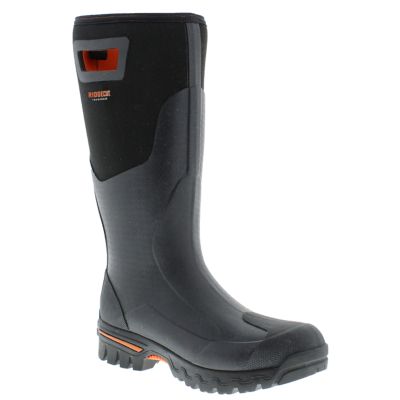
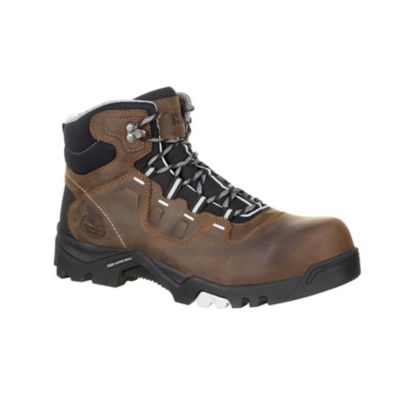
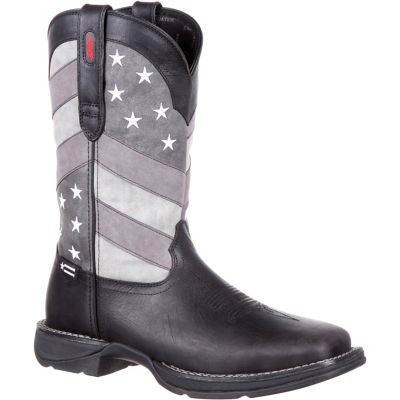
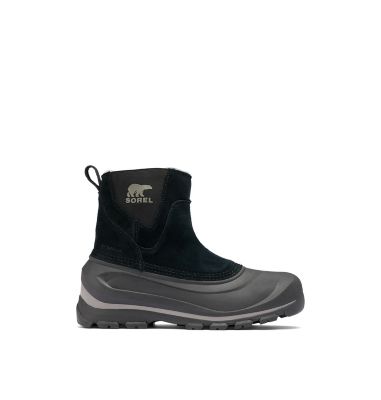
Men’s slip-on ankle boots combine easy pull-on entry with a short shaft that fits comfortably beneath jeans or work pants. Elastic side panels, pull tabs and flexible openings help these boots go on without laces, making them handy for a day that moves between the feed room, the shop and a trip into town. Within the broader family of
Slip On Boots for Men, ankle-height styles offer a lower-cut alternative to taller pull-on boots. Chelsea boots typically have elastic panels on both sides and a close-fitting shape, while Western-inspired versions may bring a square toe, shaped heel or stitching across the leather upper. Chore-focused designs often lean toward rubber or synthetic materials that wipe clean after walking through a wash rack or along a muddy livestock pen. These styles share a convenient entry, but their construction makes a difference in where they fit into the day. Smooth leather can look at home with dark denim and a button-down shirt, while a broad toe and substantial outsole may suit hours around a workshop. Full-grain leather generally has a firm feel at first and develops creases as it flexes with the foot. Suede has a softer, textured surface that calls for different cleaning products and a little more care around dirt and spills. Rubber uppers shed surface moisture, though waterproof performance depends on the complete boot, including seams, openings and any fabric panels. An ankle boot also leaves more of the lower leg uncovered than a tall work boot, an important distinction around deep mud, brush or jobs that call for added coverage. For everyday wear, the appeal is straightforward: a boot that pulls on at the door, sits neatly under a pant leg and does not need laces retied between stops. The best match comes down to how much support, coverage and underfoot grip the wearer needs, rather than appearance alone.
Fit has a lot to do with how men’s pull-on ankle boots feel after several hours on foot. Because there are no laces to tighten across the instep, the shape of the upper and the stretch of the side panels do much of the work of holding the foot in place. A comfortable fit feels secure through the instep without squeezing, with room for the toes to spread rather than press against the front or sides. A little heel movement can occur in pull-on leather boots, but the foot should not slide around or lift out with each step. The opening needs enough give for entry without leaving the ankle feeling loose once the boot is on. Sock thickness changes that balance, so fit is worth checking with the socks normally worn for chores or work. Width matters just as much as length, especially for anyone who spends the day walking concrete aisles, standing at a bench or climbing in and out of equipment. A square toe can provide a roomier shape in some designs, but toe shape alone does not establish the actual width. Removable footbeds can make room for certain inserts, provided the boot still has enough depth and keeps the heel seated. Cushioning softens the feel underfoot, while a supportive midsole and stable heel help determine how the boot feels over a full day. Outsole patterns deserve attention, too. Deeper lugs can bite into loose ground, while shallower tread may carry less dirt indoors. Grip varies with the sole compound, tread and walking surface; no outsole prevents every slip. An oil-resistant sole is not the same thing as a slip-resistant sole. Likewise, a sturdy-looking ankle boot is not automatically safety footwear. Work that requires impact protection, electrical-hazard protection or other safeguards calls for footwear labeled to meet the applicable workplace requirements. Soft-toe and safety-toe versions serve different needs, even when their outside shapes look much alike.
Materials and construction also shape long-term wear, upkeep and comfort. Leather uppers benefit from having grit brushed away before it works into creases or gathers around stitching. A damp cloth can lift ordinary surface dirt, followed by a leather-care product suited to the finish. Conditioner intended for smooth leather may darken suede or alter its texture, so those materials need separate care. Rubber and many synthetic uppers generally clean up with mild soap and water when the maker’s directions allow it. Harsh solvents, strong cleaners and direct heat can damage uppers, adhesives or elastic panels. Boots that get damp inside need time to air out away from a heater, with removable footbeds taken out when recommended. Rotating between pairs gives linings more time to dry and can help keep daily wear from concentrating in one pair. Construction details matter alongside routine cleaning: stitching around flex points, a secure bond between upper and sole, and elastic that returns to shape all contribute to how a boot holds up. Some welted constructions may allow resoling, while many cemented or molded designs call for replacement once the outsole wears through; repair options depend on the individual construction. Regular checks around the heel, toe and sole edges can reveal uneven wear, separating seams or tread that has worn smooth. For men splitting time between chores and errands, a modest heel, comfortable footbed and easy-clean upper can be a practical combination. Someone dressing for an office or a family supper may prefer a slimmer profile and smoother leather, while a man spending hours on hard floors may put greater weight on cushioning and fit. Whether paired with straight-leg denim, canvas work pants or casual trousers, men’s slip-on ankle boots earn their place through everyday comfort and a construction suited to the work at hand.