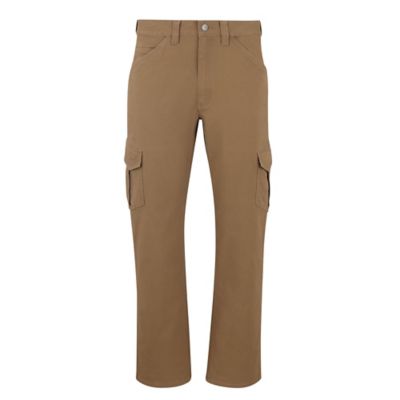
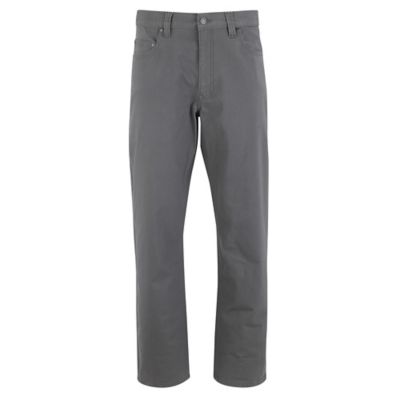
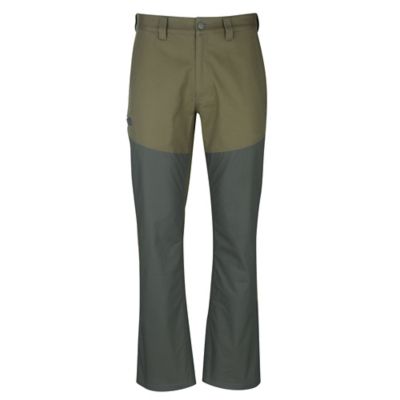
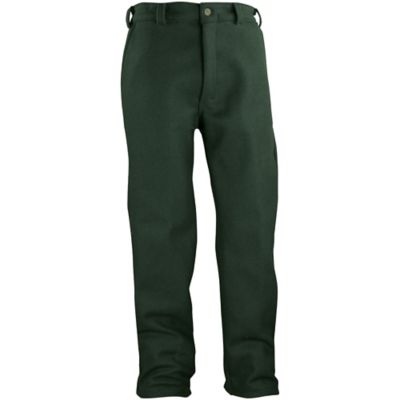
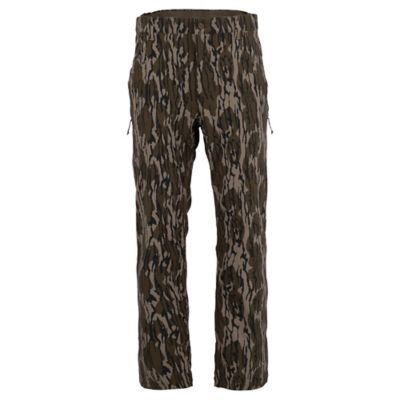
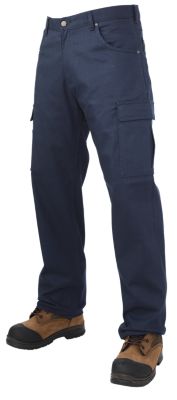
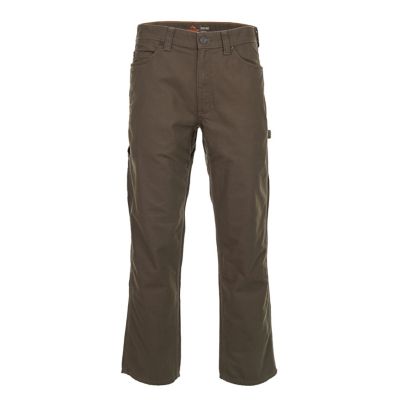
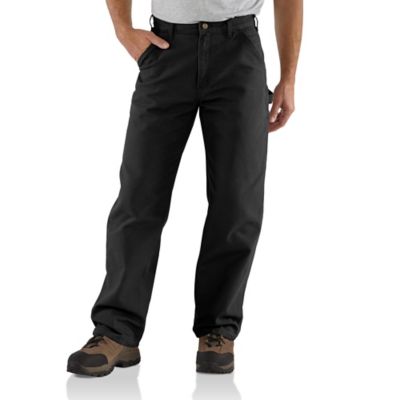
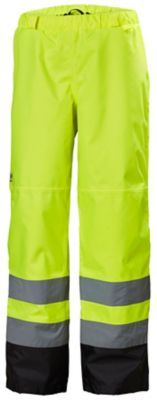
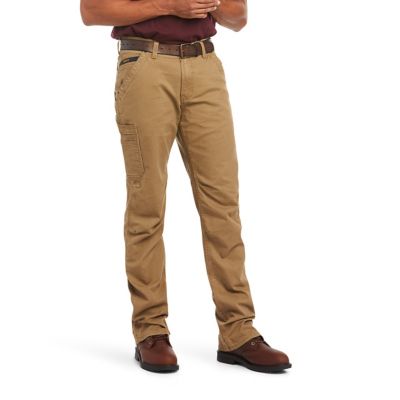
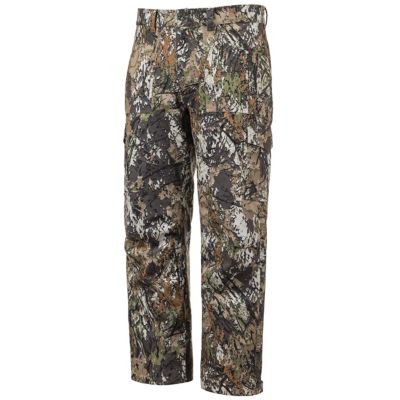
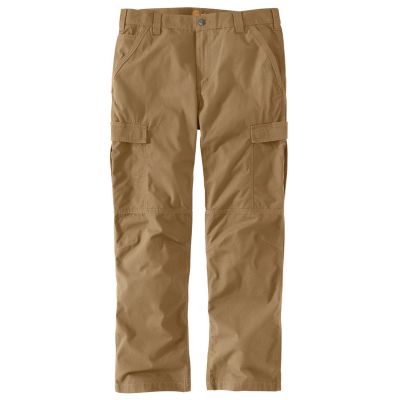
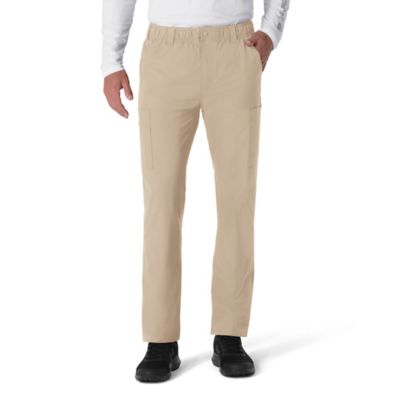
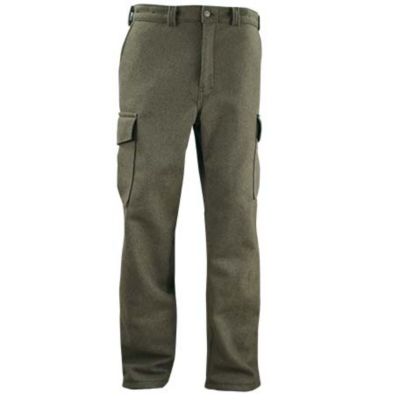
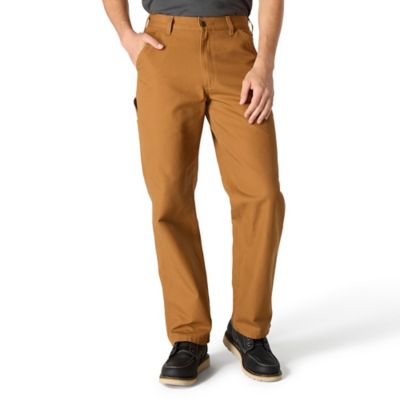
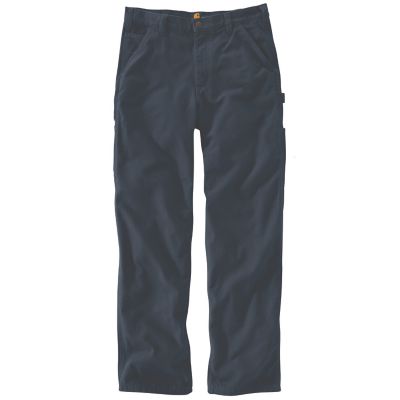
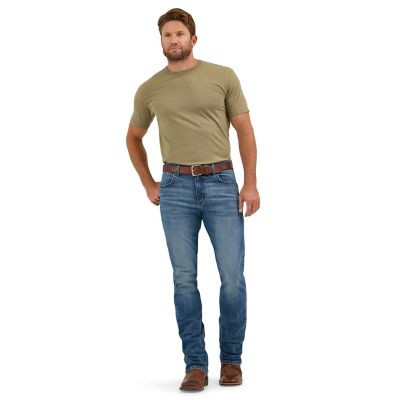
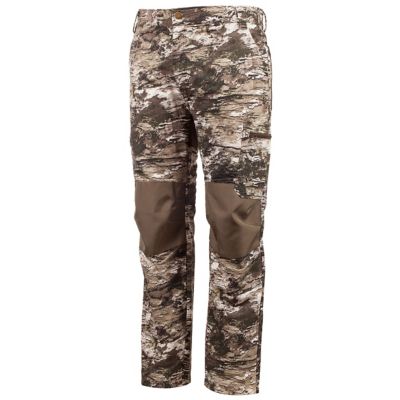
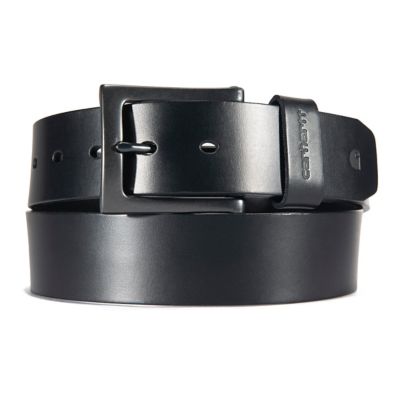
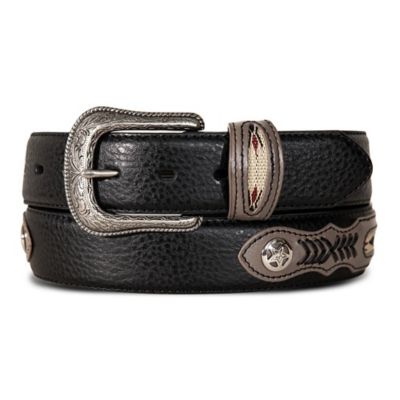
Men's pants with belt loops span jeans, chinos, cargo pants, work pants and dress trousers, with options for everyday chores, long shifts and occasions that call for a tucked-in shirt. The loops hold a belt around the waistband, helping keep it in place while adding a familiar finishing touch to an outfit. Depending on the design, pants may pair belt loops with a traditional fixed waistband, stretch fabric or a waistband that gives a little as you move. That range makes this category useful for men who head from the barn to town, spend their day on a jobsite or simply prefer the feel of a belt with their pants. Fabric plays a big part in how each style wears. Cotton denim has the familiar feel of jeans and often softens with repeated washing. Cotton duck and canvas have a firmer structure suited to chores that bring pants into contact with rough boards, equipment seats and shop benches. Twill can offer a smoother surface that works well for everyday wear, while cotton-and-polyester blends may help with wrinkle resistance and drying time, depending on their construction. A small amount of stretch fiber can make bending to latch a gate or climbing into a pickup feel less restrictive. Fabric weight matters, too: a substantial cloth generally feels more structured, while a lighter fabric can feel less cumbersome during a long day of walking or driving. No single material suits every task. Someone handling feed sacks may favor sturdy fabric and room through the seat, while someone splitting time between a desk and a sales floor may prefer a cleaner outline and an easy-moving blend. Color and finish help set the tone without changing the basic function of the belt loops. Dark denim, neutral twill and straightforward workwear shades can all fit into a practical wardrobe, with pocket layout, leg shape and fabric doing much of the work of separating one style from another.
Fit starts at the waist, but it does not end there. Men's pants with belt loops should sit comfortably at their intended rise before a belt is tightened; the belt adds adjustment rather than making up for a waistband that is much too large. Pulling an oversized waist into place can bunch fabric under the buckle and leave the seat hanging lower than intended. Rise describes the distance between the crotch seam and the top of the waistband, and it affects where the pants sit when standing, sitting or bending. A higher rise offers a different feel than a lower one, especially with a tucked-in work shirt. Relaxed cuts leave more room through the seat and thighs, straight legs maintain a fairly even line down the leg, and tapered cuts narrow toward the ankle. A bootcut opening can leave room around a boot shaft, though the actual opening measurement matters more than the name alone. Inseam length deserves the same attention: hems should work with the footwear they will meet without dragging under the heel or gathering heavily at the ankle. For men who want room to move at the waist while keeping the option of a belt,
Mens Work Pants With Elastic Waist offer a related direction to consider. Some waistband designs combine a flat front with elastic sections or concealed stretch, although construction varies. Belt width also needs to match the loop openings, particularly with wider work belts. Beyond the waistband, pocket placement can make a noticeable difference. Deep front pockets may help contain everyday essentials, cargo pockets add space along the thigh, and back pockets with closures offer another way to carry small belongings. The useful arrangement is the one that keeps a phone, wallet or folded task list within reach without crowding the body when seated. Reinforcement at pocket corners, belt-loop attachment points and other high-strain areas is worth noting, along with extra fabric at the knees on styles intended for kneeling work. Those details can support longer wear, but they do not replace a fit that allows a full stride and a comfortable bend.
Everyday care helps men's pants with belt loops keep their shape and stay ready for the next job. The garment's care label is the starting point because denim, cotton canvas, stretch blends and dress fabrics can call for different washing and drying methods. Emptying pockets before washing keeps screws, nails and other small leftovers from tumbling through the load, and removing the belt prevents its buckle from knocking against the fabric. Brushing off loose dirt before laundering can also keep a pair of chore pants from carrying half the feed room into the washer. Treat spots according to the fabric instructions, fasten closures when directed and avoid more dryer heat than the label allows. Excess heat can contribute to shrinkage in some cotton fabrics and affect stretch fibers over time. A quick look at hems, pocket edges and loop stitching can catch a small problem before it turns into a torn seam. Pants worn for demanding work benefit from that attention, especially where a pocket repeatedly carries the same tool or a cuff brushes against a boot. Outside the workday, belt-loop pants are easy to pair with a button-front shirt, polo or plain T-shirt, and the belt can lean toward workwear or a dressier look to match the setting. For a gift, familiar waist and inseam measurements are more helpful than a rough guess based on shirt size. Knowing the recipient's preferred rise, leg shape and usual footwear makes the choice more personal without relying on a complicated style change. A man who wears straight-leg jeans every day may appreciate a similar fit in twill, while someone who spends hours crouching, reaching or getting in and out of equipment may value extra room and stretch. From chore-ready cuts to neater trousers, men's pants with belt loops bring together familiar styling, adjustable belt placement and practical choices in fabric and fit. The best match feels right through the whole day, not just while standing in front of a mirror.