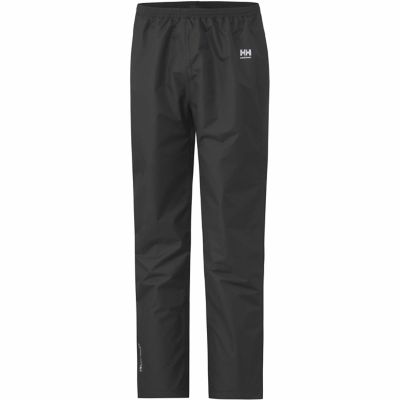
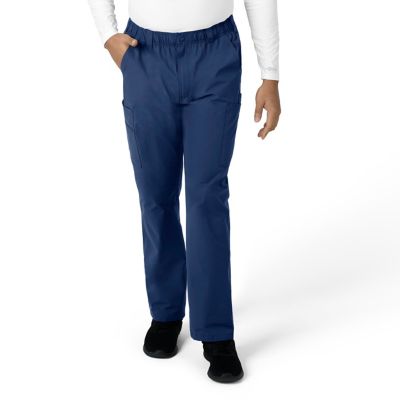
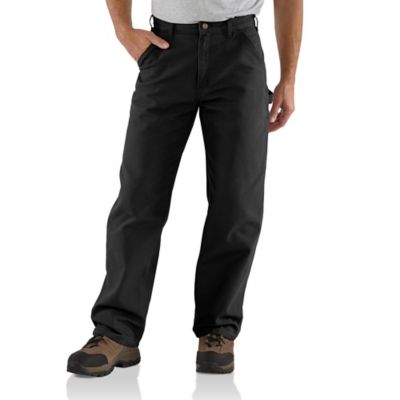
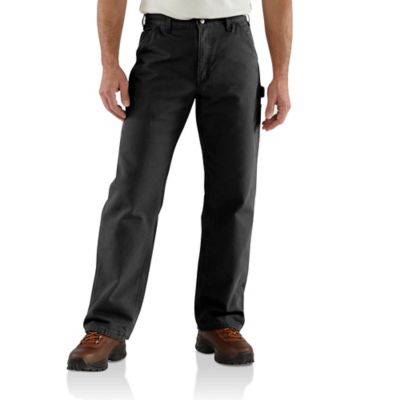
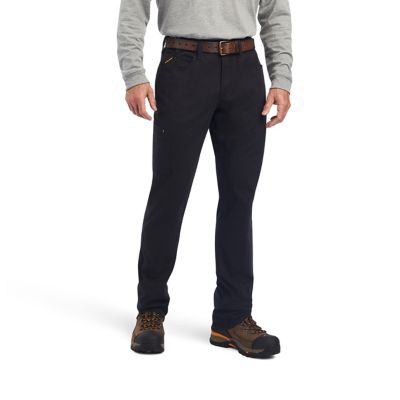
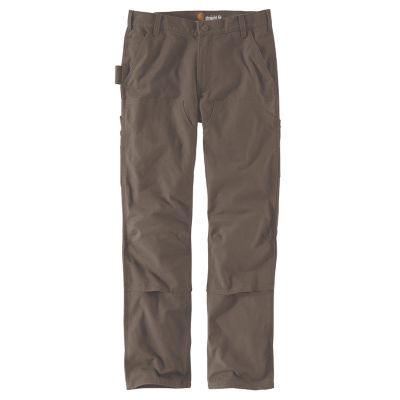
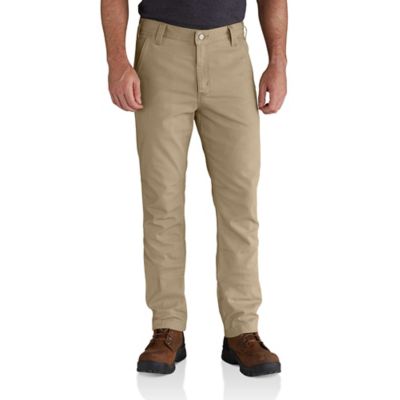
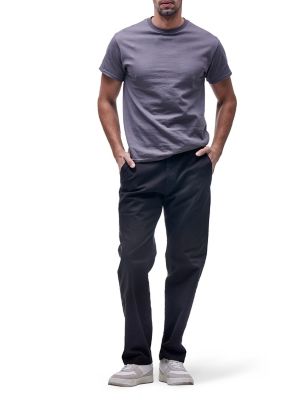
Men’s work pants with an elastic waist combine the coverage and practical features of workwear with a waistband that gives as you bend, kneel, and move. That flexibility can make a difference when a day includes feeding livestock, repairing a gate, loading supplies, or spending hours at a workbench. Rather than holding one fixed shape at the waist, elastic stretches with movement and draws back afterward, helping the pants stay comfortable through repeated changes in position. Construction varies: some pants have elastic around the entire waistband, while others place it along the sides or back and keep a flatter front with a zipper and button closure. An internal drawstring can help adjust the fit, and belt loops provide another way to secure the waist when the design includes them. Elastic at the waist does not necessarily mean the fabric stretches through the seat and legs, so the waistband and fabric composition each play a part in how the pants feel. Cotton canvas brings a substantial feel suited to everyday chores, while cotton twill generally has a smoother surface that works well for shop duties and trips into town. Cotton and polyester blends can balance breathability with shape retention, and fabrics containing elastane or spandex add give beyond the waistband. Ripstop describes a reinforcing weave rather than a single fiber, so its feel and care needs depend on the fabric blend. For jobs that involve kneeling beside equipment or brushing against rough boards, reinforced knees, double-layer sections, and sturdy seams can help pants stand up to friction. Those features work alongside fabric weight and construction; a heavy fabric alone does not tell the whole story. A gusseted crotch or shaped knees can add room where movement happens, making it easier to crouch at a fence post or step onto a tractor without the seat and thighs pulling tight. The best match depends on both the work at hand and how the pants sit on the person wearing them.
A comfortable fit starts with enough room through the waist, seat, and thighs, not just a waistband that stretches far enough to fasten. Elastic should help the pants move with the body rather than compensate for a size that feels tight everywhere else. A waistband that digs in while sitting can become bothersome during a long drive between properties, while one that slides down with a phone in the pocket may need a different size or a more secure adjustment. Rise matters here, too: pants that sit higher can provide more coverage when bending over a feed bin, while a lower rise may feel less restrictive to someone who prefers pants resting closer to the hips. Straight and relaxed legs offer different amounts of room over boots and around the knees, and a tapered leg provides a closer outline below the thigh. Inseam length affects function as much as appearance. Excess fabric dragging under a heel wears quickly and can catch underfoot, while a hem that rides too high may leave an uncomfortable gap above a boot when seated. Pocket layout also changes how work pants carry through a day. Deep front pockets keep small essentials close, back pockets provide space for a wallet, and cargo or utility pockets can separate a tape measure from keys and a phone. Secure closures can help keep pocket contents from slipping out while climbing or crouching, though heavy tools still need a suitable tool belt or carrier rather than an overloaded elastic waistband. Loose cords, hanging loops, and excess fabric deserve attention around moving equipment, where workplace clothing rules take priority. Everyday work pants are not automatically protective clothing; tasks involving flame, electrical hazards, or other specialized risks call for garments with the required ratings. For routine chores, the right balance is often simple: enough freedom to move, enough structure to stay in place, and useful storage that does not get in the way.
Regular care helps elastic-waist work pants keep their fit and handle the grit that comes with working around a property. The care label is the starting point because cotton, blended fabrics, stretch fibers, and reinforced sections may have different washing and drying requirements. Shaking off loose dirt and brushing away dried mud before laundering keeps some of that debris out of the washer. Empty pockets matter just as much; a forgotten screw can scrape fabric, and a carpenter’s pencil can leave marks across a load. Prompt attention to grease and other stains gives treatment a better chance to work, but cleaning products should suit the fabric and follow the garment’s directions. Too much heat can shorten the life of some elastic and stretch fibers, so a high dryer setting is not always the right choice. Where the label permits, a lower heat setting or air drying can help preserve the waistband’s give. Pants should be completely dry before being put away, especially when folded in a locker or stacked on a laundry shelf. An occasional check of pocket corners, hems, knee panels, and waistband stitching can reveal small problems before they turn into bigger tears. Work pants with an elastic waist can also make a practical gift for someone who spends weekends fixing fence, tends animals before heading to another job, or prefers a little flexibility during long hours of driving and lifting. Familiar waist and inseam measurements, a preferred rise, and the cut of a well-fitting pair are more helpful than guessing from appearance. A person who carries tools may appreciate reinforced pockets, while someone moving between chores and errands may prefer a simpler layout. For a partner or family member who prefers a women’s fit,
women’s stretch pants with an elastic waist offer a related option. Across different fits and fabrics, the appeal stays straightforward: practical pants that move comfortably through a full day of hands-on work.