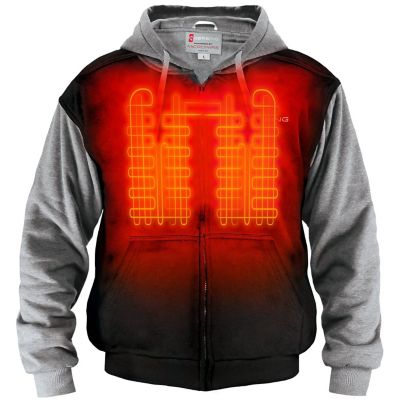
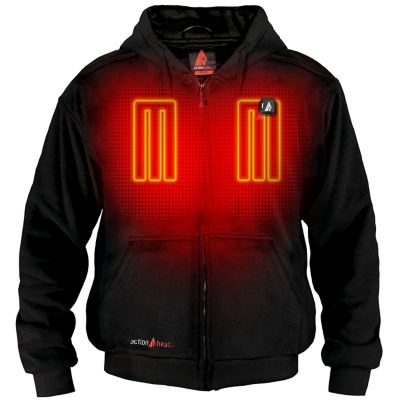
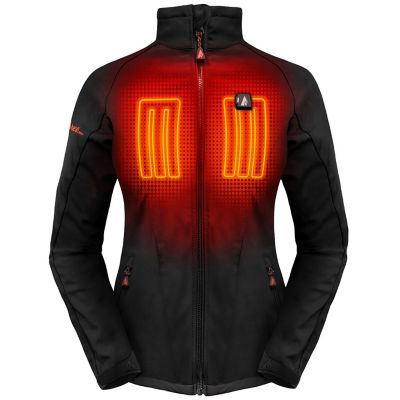
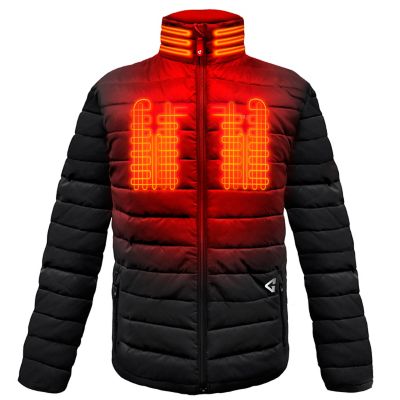
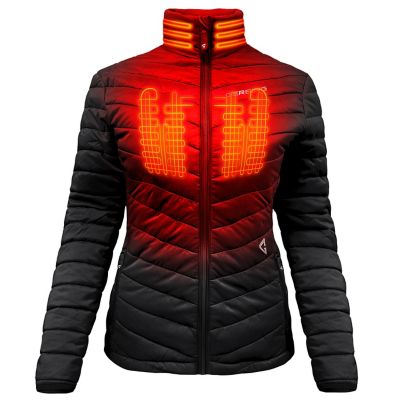
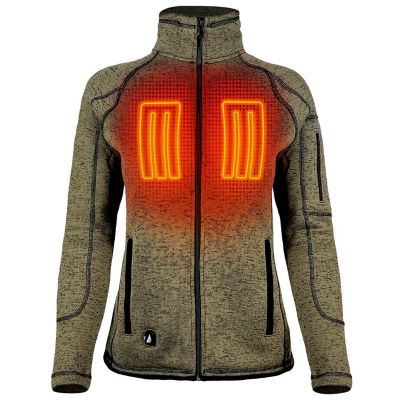
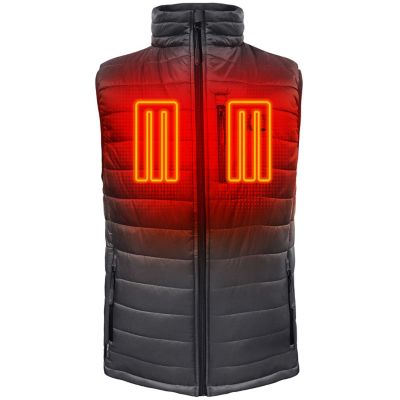
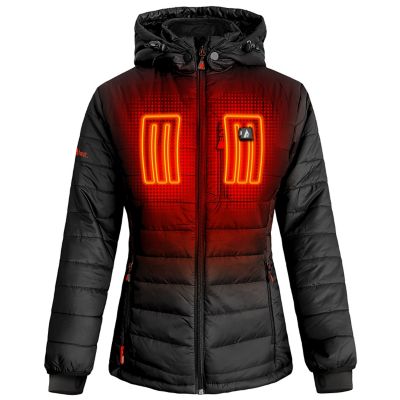
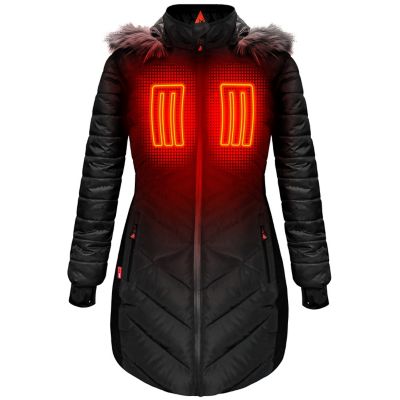
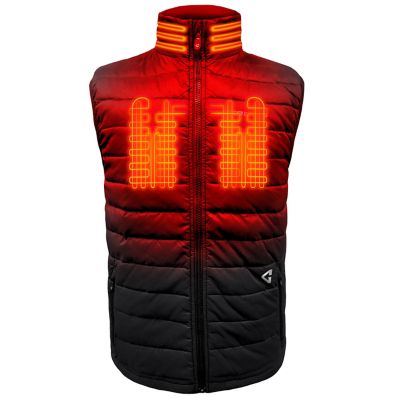
Heated sweatshirts combine the easy feel of a familiar sweatshirt with battery-powered warmth for cool mornings, chilly workspaces, and time outside. Built-in heating elements, often made with carbon fiber or other flexible heating materials, deliver warmth to designated areas such as the chest and back. Some designs extend that coverage to the collar or pockets, but heating zones vary by garment. A rechargeable battery connects to the heating system and usually tucks into a dedicated pocket, keeping the power source close without leaving it loose. Adjustable heat settings let the wearer change the warmth as temperatures and activity levels shift. That makes a heated hoodie a practical layer for someone feeding livestock before daylight, watching a ballgame from the bleachers, or walking out to check a fence line when the wind picks up. The heat supplements the sweatshirt’s insulation rather than replacing the need for clothing suited to the weather. A soft fleece interior helps hold warmth near the body, while cotton blends can offer a familiar, comfortable feel. Polyester-rich fabrics often dry faster than cotton-heavy materials, though the exact fabric blend and construction matter. Stretch panels or a little stretch throughout the body can make reaching for a gate latch or climbing into a truck easier. For outdoor chores, closely knit fabric, reinforced pocket openings, and sturdy seams are worth attention because cuffs and pockets tend to take plenty of wear. A sweatshirt alone may not block steady wind or keep out rain, so water resistance and wind protection should come from stated garment features, not assumptions about the heating system. Under an appropriate outer layer, a heated sweatshirt can bring extra comfort without requiring several thick layers. Around the barn, along a gravel driveway, or beside a campfire on a cool evening, its appeal is straightforward: familiar everyday clothing with warmth that can be turned up, turned down, or switched off as needed.
Fit plays a big part in how that warmth feels throughout the day. A heated sweatshirt generally works best over a light base layer, with the heating zones sitting reasonably close to the body rather than hanging well away from it. The fit should still leave room to bend, reach, and sit comfortably without pulling across the shoulders or pressing the battery into the ribs or hip. A full-zip heated hoodie makes it easy to vent excess warmth or remove the layer when moving from an open equipment shed into a warmer cab. A pullover offers a familiar sweatshirt shape with fewer openings at the front, while hood coverage, cuff stretch, and hem length help determine how well the garment fits into a regular workday. Shoppers comparing cuts can explore
Women's Heated Hoodies with sleeve length, shoulder room, and space for a base layer in mind. Pocket placement deserves a closer look, too: a battery pocket that feels fine while standing may sit differently against a seat belt or beneath a jacket. Heating controls should be accessible without much fuss, especially when gloves are part of the day’s clothing. Battery compatibility is another important distinction between heated sweatshirts. Some heating systems require a designated battery and connector, while others operate with a compatible USB power source; matching the specified power requirements matters more than whether a plug appears to fit. Battery inclusion, charging equipment, and charging time can differ, so those details belong alongside fit and fabric when comparing garment specifications. Runtime depends on battery capacity, heat setting, outdoor temperature, and the heating system itself. Higher settings generally draw power faster, while lower settings may stretch a charge through a longer outing. Published runtime estimates are useful reference points, not a promise for every condition. For someone heading out before sunrise and staying away from an outlet, the balance between battery weight, expected runtime, and the length of the day matters more than the number of heating zones alone.
Everyday comfort also depends on matching a heated sweatshirt to the job. Someone standing at a roadside produce stand may appreciate steady warmth more than someone stacking hay or carrying feed, where body heat builds quickly. Being able to lower the setting before getting sweaty helps keep the layer comfortable when activity changes. For longer stretches outdoors, a moisture-managing base layer and weather-appropriate shell can work alongside the sweatshirt, provided the combination follows the garment’s instructions and does not pinch wiring or connections. Heated clothing is not a substitute for protective workwear, and ordinary sweatshirt fabric should not be treated as flame-resistant or suitable around sparks unless it carries the required rating. Loose cords and hood drawstrings also need to stay clear of moving equipment. Care requirements deserve just as much attention as heating features because the garment contains both fabric and electrical components. Some heated sweatshirts permit machine washing, while others call for different cleaning methods. The care label determines the wash cycle, water temperature, connector protection, and drying method. The battery must be removed before washing, and the sweatshirt and its connections need to be completely dry before reconnecting power. Tumble drying, bleaching, ironing, or dry cleaning may be restricted, even when those methods would seem ordinary for a nonheated sweatshirt. Checking pocket seams, leads, and connectors for damage helps catch problems before the next outing; damaged wiring or a swollen battery calls for stopping operation and following the manufacturer’s service guidance. Between stretches of cold weather, clean, dry storage and the specified battery-storage routine help keep the sweatshirt ready for another season. As a gift, a heated hoodie can suit a parent who spends evenings at outdoor games, a partner with a chilly commute, or a friend who is always tending animals before the sun is up. Getting the size, preferred sweatshirt style, and charging requirements right makes the gift easier to put into everyday rotation. From the first sharp mornings through colder days, the most practical choice is one that fits comfortably, suits the wearer’s routine, and brings manageable warmth to the places they spend their time.