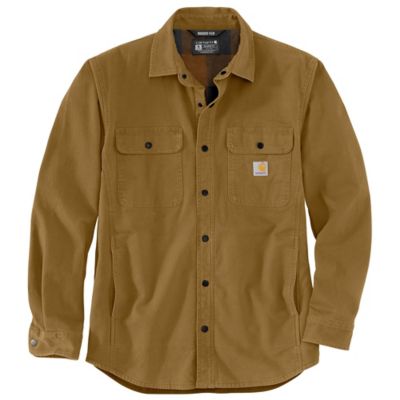
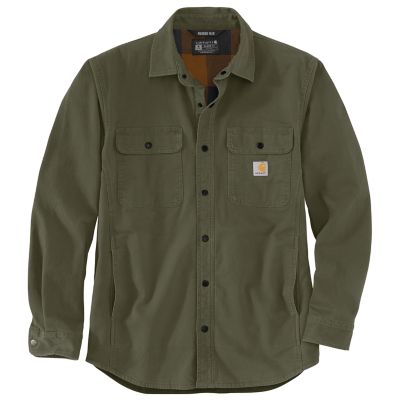
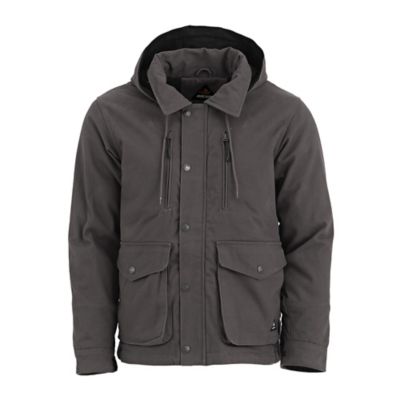
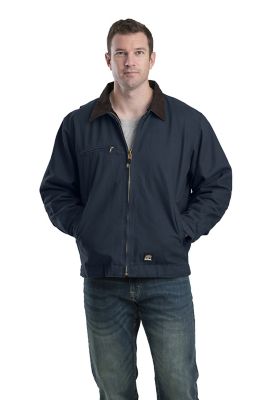
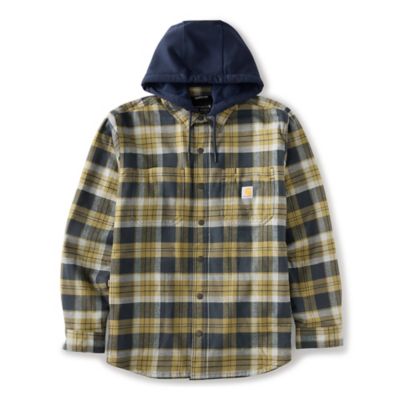
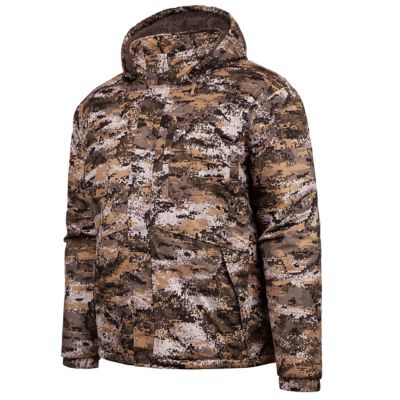
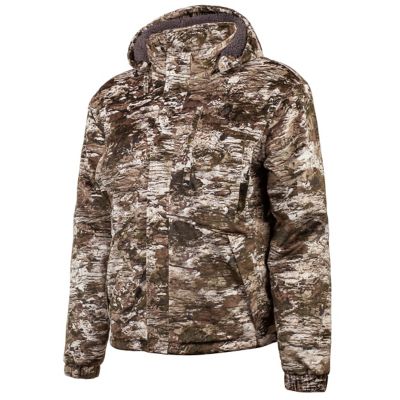
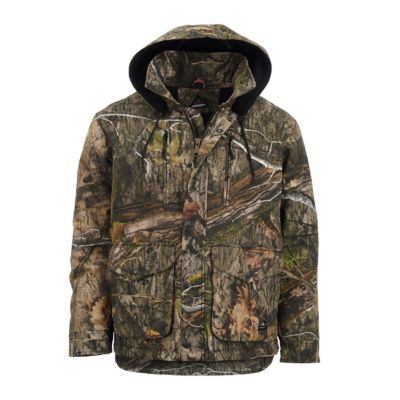
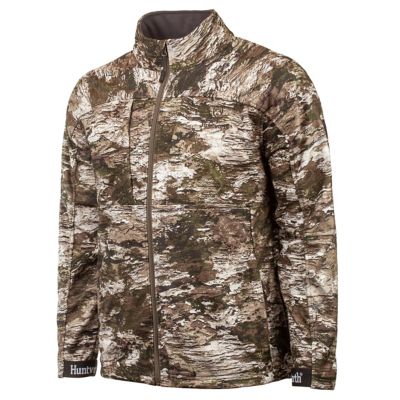
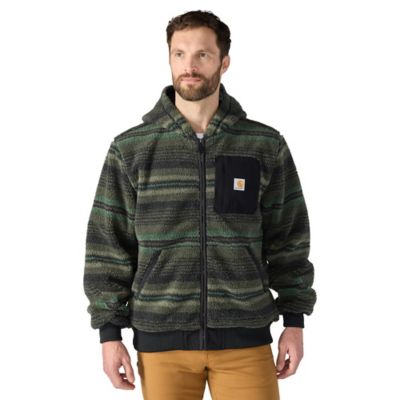
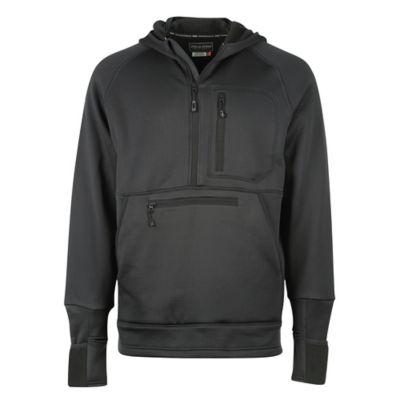
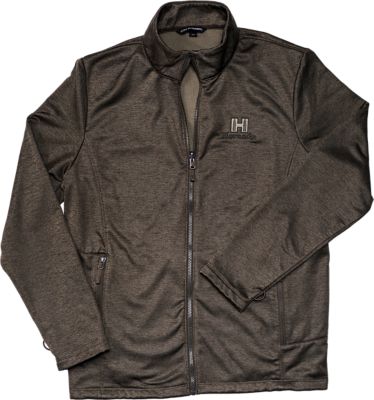
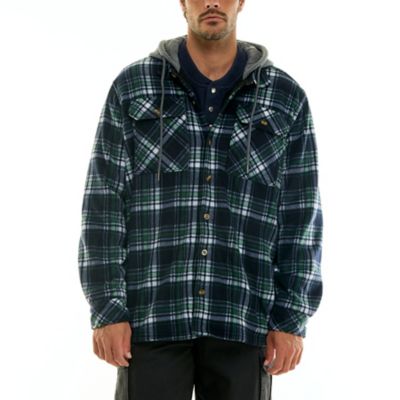
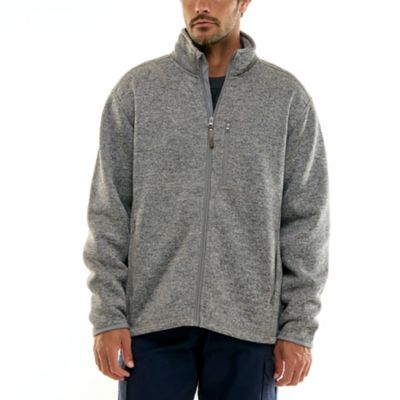
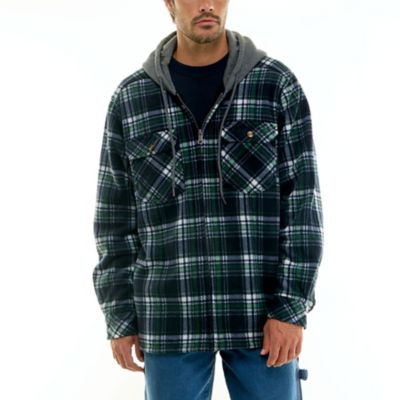
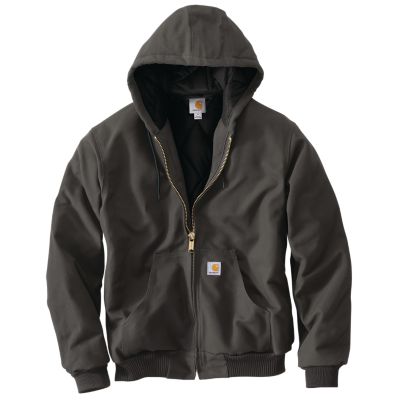
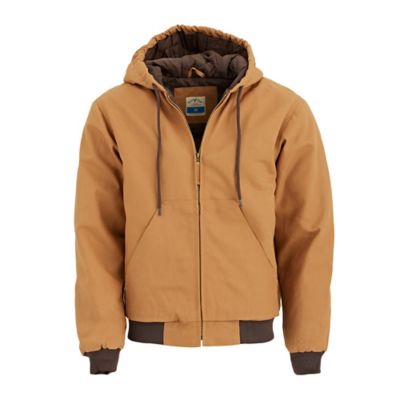
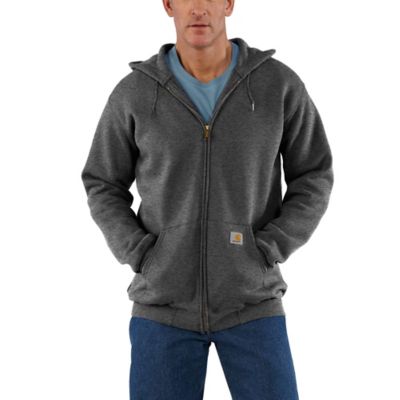
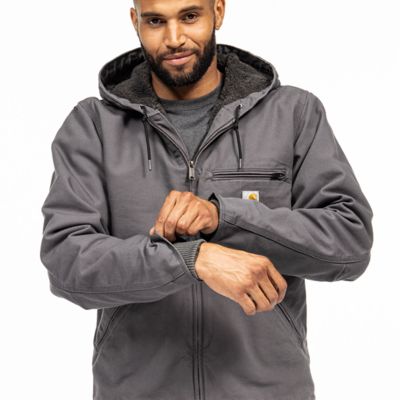
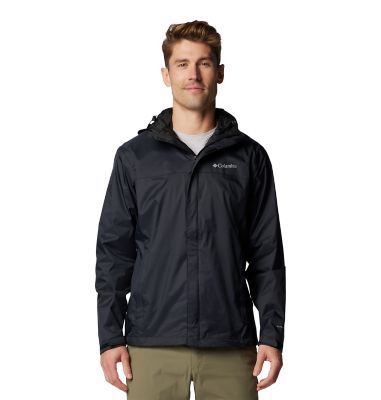
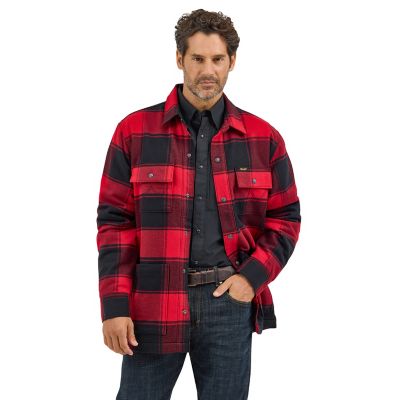
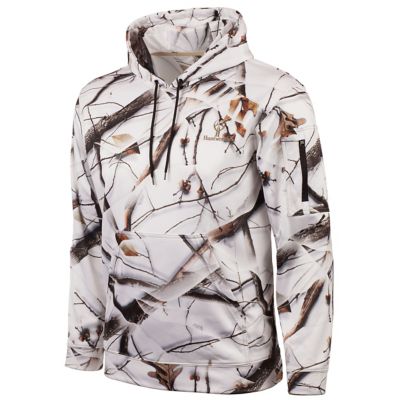
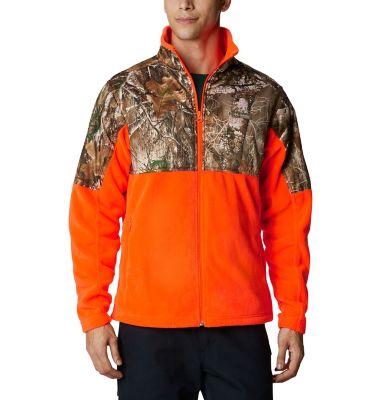
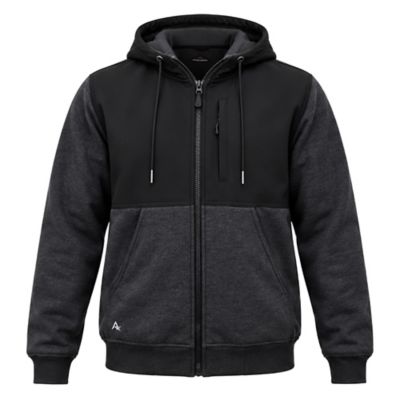
Men's fleece-lined jackets combine an outer shell with a soft fleece interior, bringing warmth and coverage together in one easy layer. The shell helps take the wear from everyday work, while the lining holds warm air close to the body. That combination makes sense for feeding livestock before daylight, checking fence lines, hauling firewood or heading into town after chores. The outer material makes a big difference in how a jacket feels and performs. Cotton duck and canvas have a firm, substantial feel that suits work around rough lumber, fence posts and barn doors. Nylon and polyester shells can feel lighter and less restrictive, with some fabrics offering resistance to wind or light moisture. A water-resistant finish can help shed a passing sprinkle, but it does not make a jacket waterproof; steady rain calls for protection designed for wet conditions. Fleece lining is commonly made from polyester, with textures ranging from a close, smooth pile to a loftier, fluffy surface. A thicker lining may hold more warm air, though overall warmth also depends on the shell, coverage, fit and layers underneath. Some jacket designs have fleece through the body and a smoother lining in the sleeves, making it easier to pull them over a flannel shirt or sweatshirt. Checking lining details helps separate that construction from fleece throughout the body and arms. A fleece-lined work jacket also serves a different purpose than a jacket made mainly from fleece: the outer shell adds a separate barrier between the soft lining and the surroundings. For someone walking the property, sitting on a cold bleacher or spending time at an unheated workbench, that extra coverage can be welcome. For someone pitching hay or carrying feed, a less substantial lining may be more comfortable once the work gets moving.
Fit matters just as much as fabric when a jacket has to follow a full day's worth of reaching, lifting and bending. Men's fleece-lined jackets should leave enough room for the layers normally worn underneath without hanging so loose that the hem or sleeves get in the way. Shoulder room is especially noticeable when lifting a feed sack, reaching across a truck bed or holding both arms forward on a steering wheel. A useful fit check is to zip the jacket over a typical work shirt, reach forward and raise both arms. The back should not pull tight, the cuffs should not ride far up the wrists, and the front should stay comfortable when sitting down. A longer back hem can help cover the waistband while bending, while a shorter jacket may feel less bunched up in a truck seat. Neither cut is best for every job; the better choice depends on how the wearer spends the day. Rib-knit cuffs can help limit drafts at the wrists, and adjustable cuffs leave room to settle the sleeves around gloves. A full-length zipper makes ventilation straightforward when carrying loads turns a chilly start into sweaty work. A storm flap adds coverage over the front closure, while a collar that closes comfortably at the neck helps cover an exposed spot. Hooded fleece-lined jackets offer head coverage without a separate layer, but hood size and adjustment matter, especially when clear side vision is important. Around moving machinery, keep loose cords and fabric secured and follow equipment safety requirements. Pockets deserve a practical look, too. Hand pockets are handy between chores, while a secure chest or inside pocket can keep small essentials from slipping out when bending over. Reinforced pocket openings, firmly attached fasteners and even stitching at stress points are worth checking on a jacket expected to see regular work.
Care habits help fleece-lined jackets stay comfortable through repeat wear. Start with the garment's care label, since the shell, lining and any surface treatment may need different handling. Many fleece fabrics tolerate machine washing, but water temperature, detergent and drying instructions vary by jacket. Empty pockets, close fasteners and brush away loose dirt before washing so grit does not travel through the lining. Give muddy areas the treatment recommended for the fabric rather than scrubbing hard enough to roughen the surface. High heat can affect synthetic fleece and certain shell finishes, so follow the listed drying setting and let the jacket dry completely before putting it away. Fabric softener and dryer sheets may interfere with some moisture-managing fabrics or finishes; the care instructions should settle whether they belong in the wash routine. Hanging a jacket where air can circulate between wears also helps when it has picked up moisture from perspiration. Small repairs, such as securing a loose button or closing an opening in a pocket seam, can keep everyday wear from becoming a bigger nuisance. When choosing a jacket for someone else, think about the work and routines it needs to fit, not just the size printed on a familiar shirt. A man who spends hours outside handling chores may appreciate room for a sweatshirt, easy-to-grip zipper pulls and cuffs that work with his gloves. Someone who mostly moves between the house, truck and outbuildings may prefer a lighter feel and a cut that sits comfortably behind the wheel. Compare chest, sleeve and body measurements with a jacket that already fits well, allowing for the lining and planned layers. For a closer look at fleece-focused layering options,
Men's Winter Fleece Jackets offers a related category to consider alongside shell-and-lining construction. The right balance comes down to warmth for the task, freedom to move and care requirements that fit everyday life.