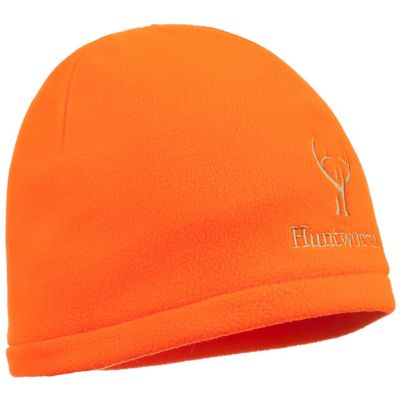
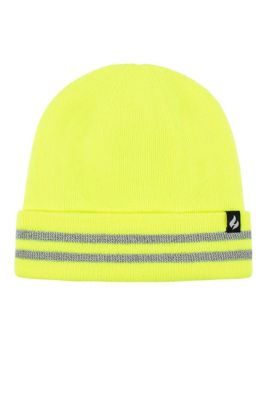
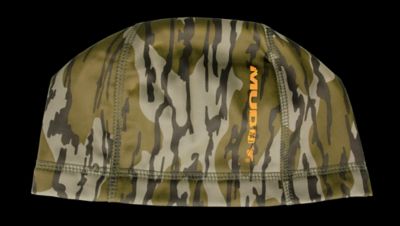
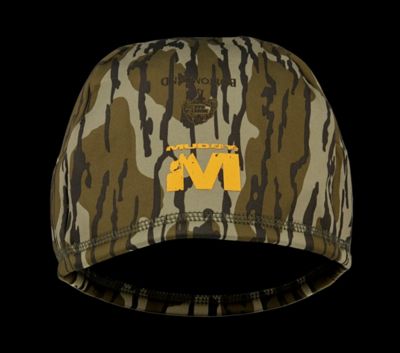
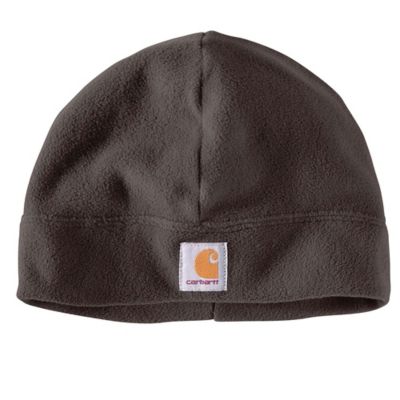
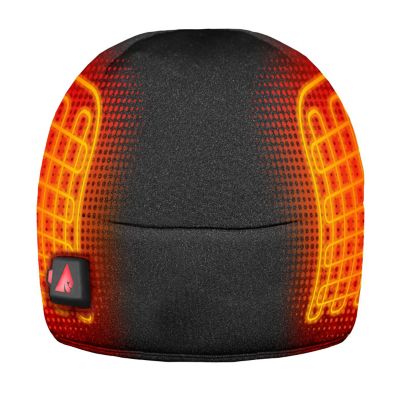
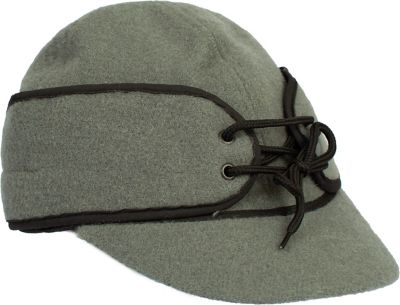
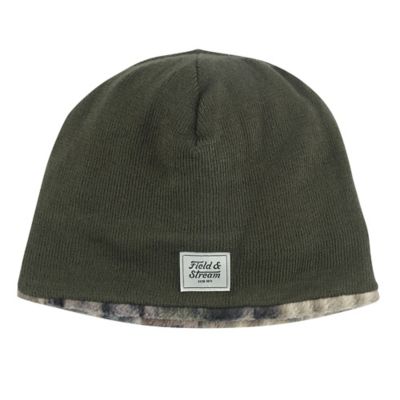
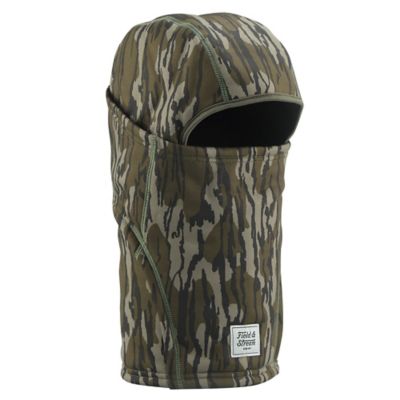
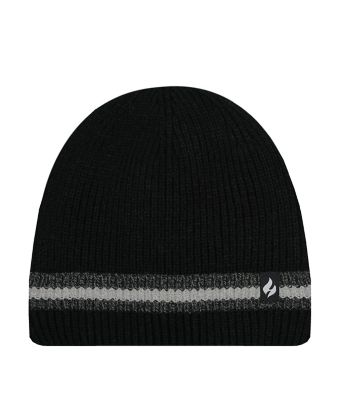
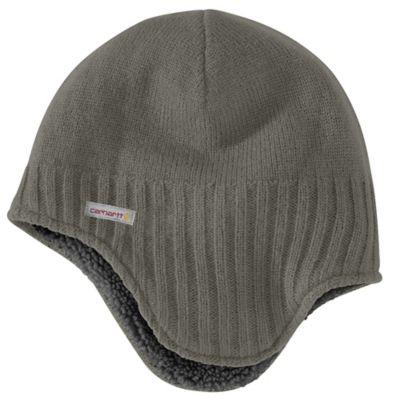
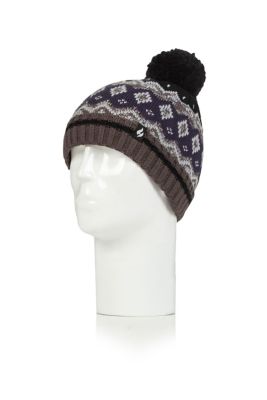
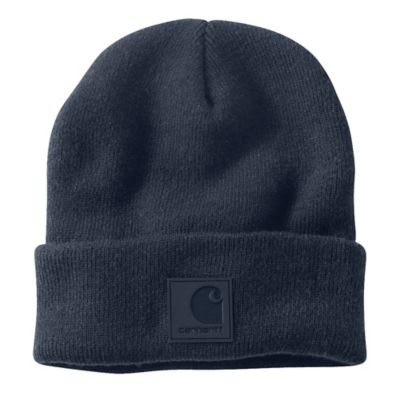
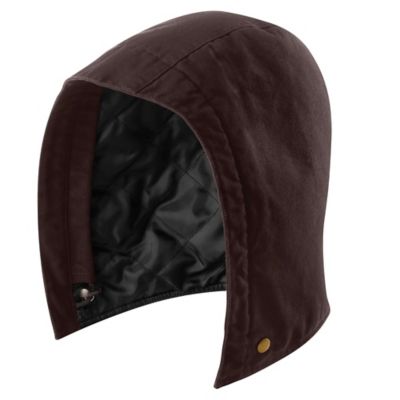
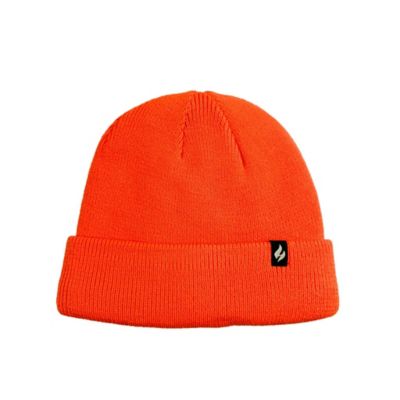
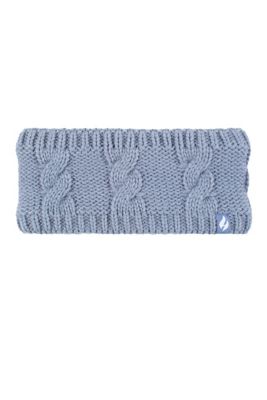
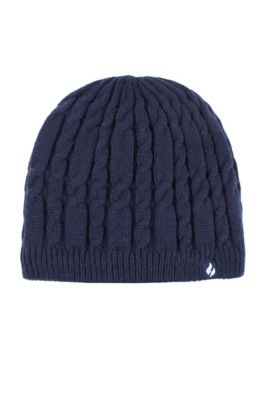
Men's fleece-lined hats combine a soft fleece interior with an outer layer made from materials such as acrylic knit, wool blends, or fleece to help hold warmth around the head and ears. That extra lining puts a smooth barrier between skin and the outer fabric, which can make a wool-blend hat more comfortable for someone who finds wool scratchy. Fleece traps warm air without adding much weight, making these hats a practical part of a cold-weather outfit for feeding cattle, checking water troughs, walking the dog, or heading into town. The outer material still matters: stretchy acrylic knits tend to give easily, wool blends can add warmth, and a closely knit shell can help limit drafts. A fleece lining by itself does not make a hat windproof or waterproof, so those features need to be stated in the hat's description rather than assumed from its thickness. For a breezy walk across an open pasture, coverage over the ears and a close fit can matter as much as a heavy feel. For stacking firewood or carrying feed sacks, a lighter fleece-lined cap may feel less stuffy than a thick, tightly layered style. Cuffed beanies add another fold of fabric around the lower edge, while uncuffed shapes offer a flatter profile that can sit comfortably beneath a roomy jacket hood. Ear-covering styles bring more coverage along the sides of the head, and brimmed designs add shade when low winter sunlight cuts across the driveway. Not every fleece-lined hat has the same amount of insulation, even when two styles look similar from the outside. A full fleece interior covers more of the head than a fleece band around the ears, and that difference is worth checking in the description. The right match comes down to the job, the amount of time spent outside, and whether the wearer tends to heat up quickly once the work gets moving.
Fit makes a big difference in how comfortable a men's fleece-lined hat feels after several hours outside. A snug fit helps keep the lower edge in place when bending to latch a gate or reaching into a truck bed, but it should not leave a tight band across the forehead. Both the shell and lining affect stretch, so a roomy-looking knit exterior does not always mean the inside will stretch just as far. Head measurements and the listed size range offer a better starting point than appearance alone, especially for someone who usually needs a larger hat. Crown depth matters, too: enough room from the top of the head to the lower edge allows the hat to cover the ears without constantly tugging it down. A fold-up cuff gives some room to adjust that coverage, although folding it higher can leave the bottoms of the ears exposed. For anyone wearing glasses, a flatter edge near the temples can reduce bunching where the frames sit. Smooth interior seams are also worth considering when a hat will stay on through morning chores, a long walk, and the ride home. A fleece lining that reaches the edge helps keep coarse outer fibers away from the forehead, while a wide, bulky cuff may take up more space under a hood. When pairing a hat with
Men's Fleece Lined Jackets, room around the crown and neck helps the layers sit together without pushing the hat forward over the eyes. Color is another practical consideration. Dark shades tend to show less everyday grime, while brighter colors are easier to spot on a crowded coat hook or the seat of a pickup. A bright everyday hat, however, should not be treated as a substitute for required visibility gear. Whatever the style, a hat that stays put without squeezing is easier to leave on when there's still work to finish.
Construction and care help a fleece-lined hat hold its shape and stay comfortable through repeated wear. Even stitching, a securely attached lining, and a lower edge that springs back after stretching are useful details for a hat that will get pulled on and off throughout the day. The lining should sit smoothly inside the shell rather than twist or gather into a lump at the crown. Around a barn or workshop, hats can collect hay chaff, sawdust, pet hair, and sweat, so easy care can matter just as much as softness. The care label is the starting point because wool blends, acrylic shells, and fleece linings do not all respond to washing the same way. Some hats allow machine washing on a gentle cycle, while others call for hand washing or another method. Excess heat can shrink certain fibers or affect the feel of synthetic fleece, making the recommended water temperature and drying method important. When air drying is permitted, gently reshaping the hat helps the cuff and crown settle back into place. A damp hat needs time to dry fully before going into a pocket, gear bag, or drawer; putting it away wet can leave it smelling stale. Keeping it away from direct heat sources also helps avoid scorching or misshaping the fabric. For someone who works up a sweat outdoors, having a second hat in rotation gives the first time to dry between outings. Men's fleece-lined hats also make practical gifts for a dad who checks the livestock before daylight, a brother who spends weekends cutting firewood, or a friend who rarely misses a winter dog walk. Familiar colors, the recipient's usual fit, and any sensitivity to wool are helpful details when choosing. A comfortable lining, enough ear coverage, and care requirements that fit the wearer's routine give a simple everyday hat plenty of purpose, whether it's hanging beside the chore coat or tucked into a pocket for the trip home.