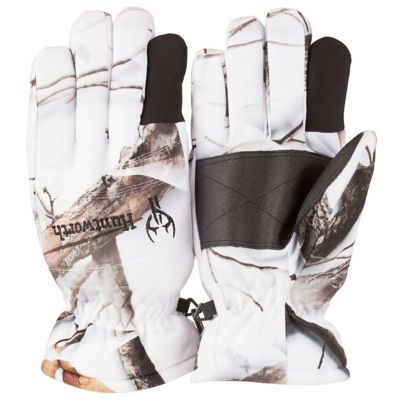
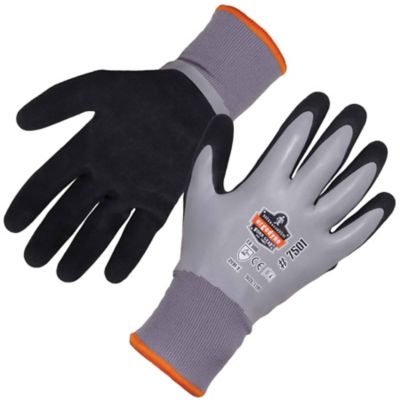
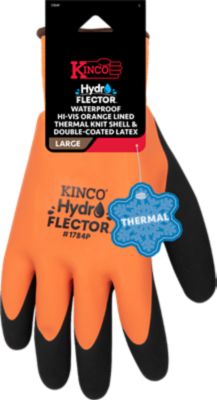
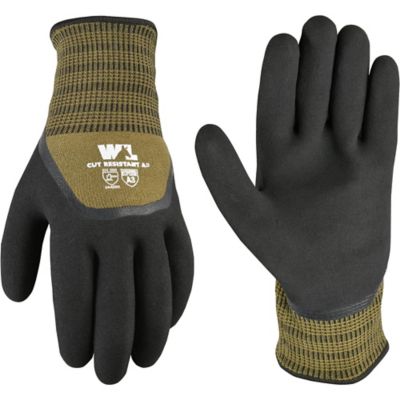
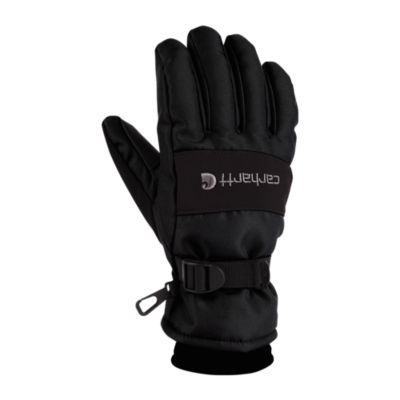
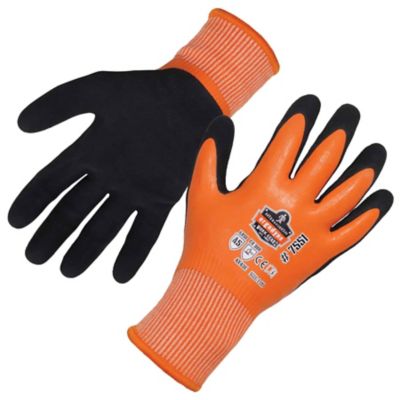
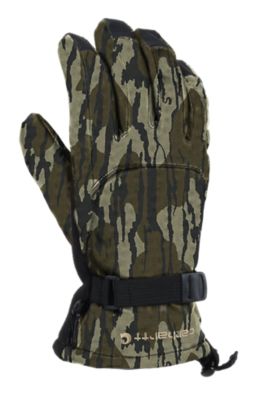
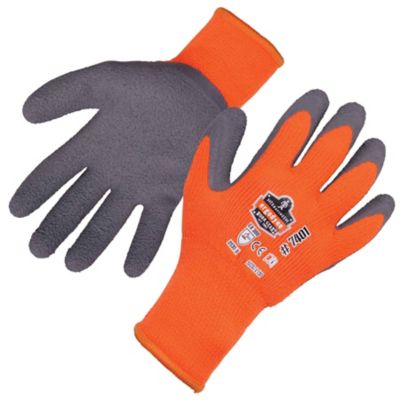
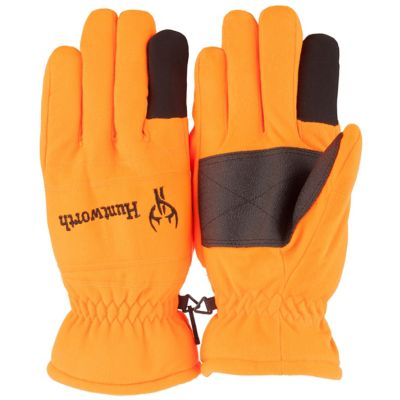
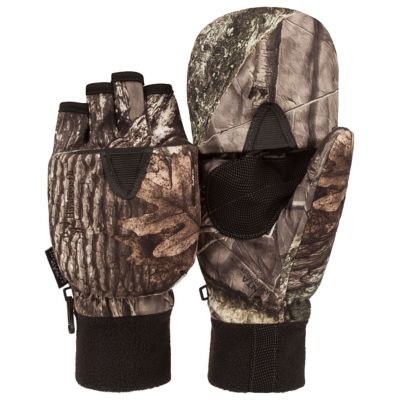
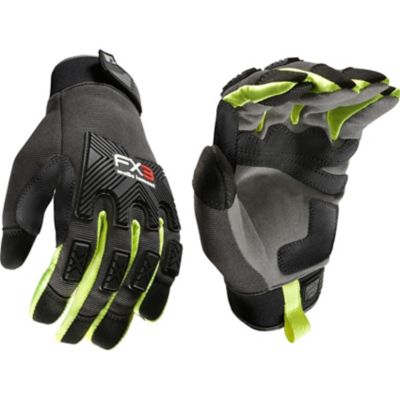
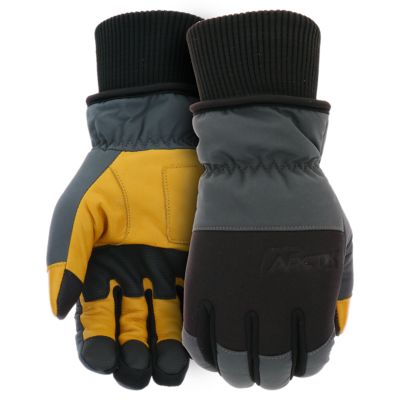
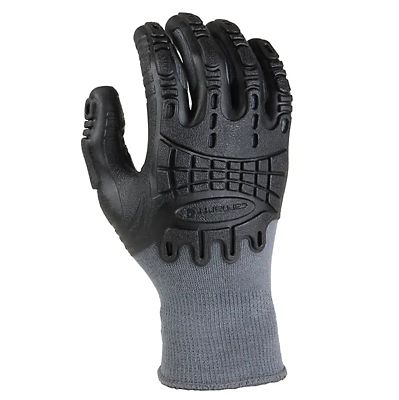
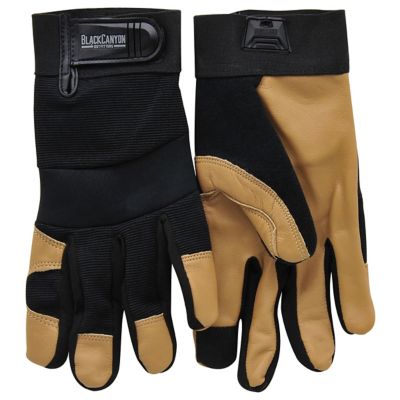
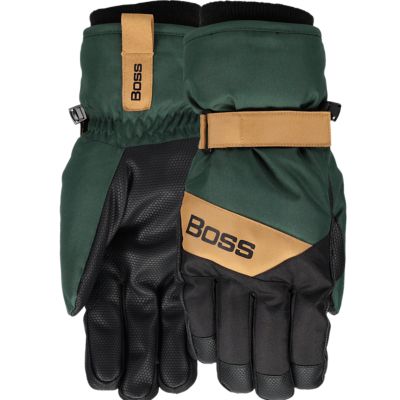
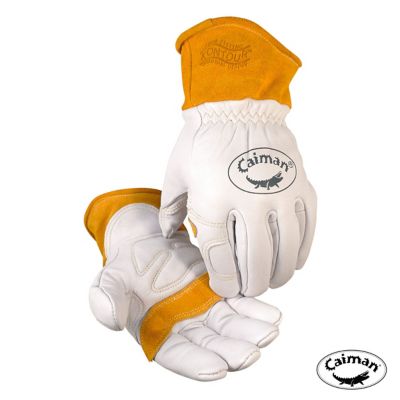
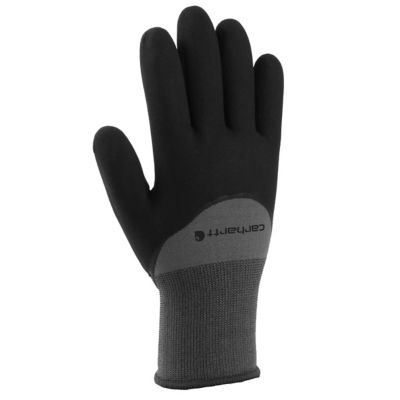
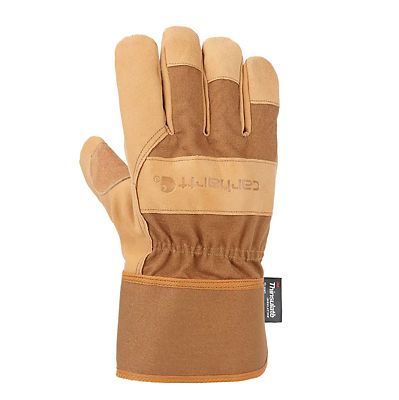
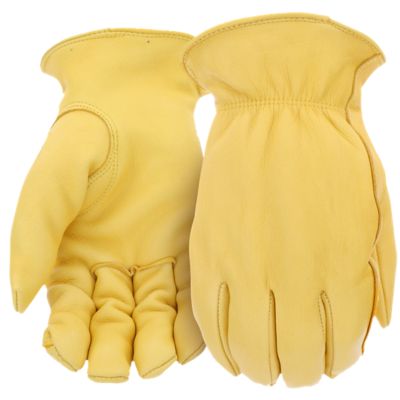
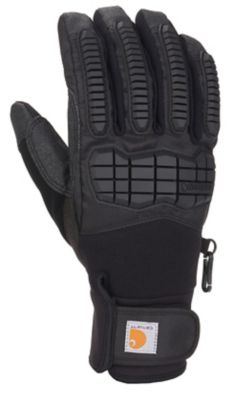
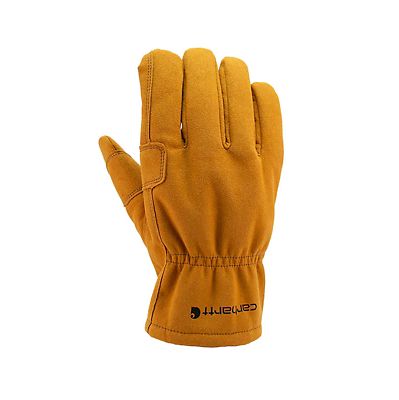
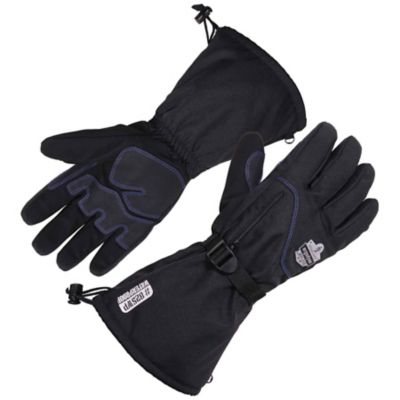
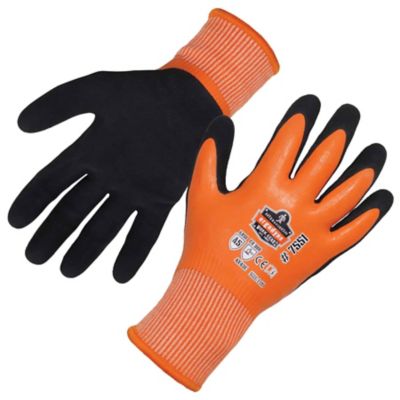
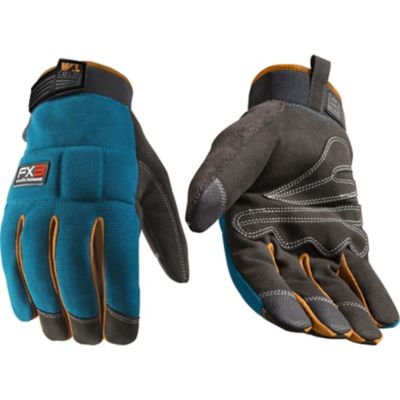
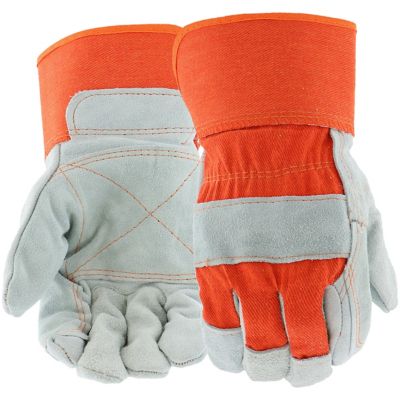
Men’s waterproof gloves help keep hands dry, warm, and ready for work when the forecast turns wet or the job takes you outside for the better part of the day. They’re a practical choice for farm chores, construction, landscaping, hunting, fishing, hiking, camping, commuting, and everyday outdoor work. A good pair can make a noticeable difference when you’re checking fence lines through damp grass, unloading supplies under a steady drizzle, clearing brush after a storm, or holding a cold steering wheel on an early drive. During the warmer part of the year, lightweight waterproof gloves can protect hands from rain, mud, wet vegetation, and rough materials without feeling bulky. As the weather cools, insulated styles add warmth for feeding animals, splitting firewood, operating equipment, shoveling, and handling tools in chilly conditions. Waterproof gloves also make a useful gift for someone who spends more time outdoors than indoors, whether that’s a working landowner, weekend hunter, avid hiker, tradesperson, or friend who enjoys tackling projects in every season. When shopping, start by matching the gloves to the kind of moisture and work they’ll face. A surface coating may shed light rain, but it can wear down with regular use. For longer exposure, look for gloves with a waterproof membrane or barrier built into the construction, along with sealed seams or a gauntlet-style cuff that helps keep water from running inside. Fully waterproof shell gloves are often the better choice for persistent rain, while water-resistant softshell gloves may be more comfortable for active use in light showers and damp conditions. No glove stays completely dry if water pours over the cuff, so a longer wrist or adjustable closure can be especially helpful when working in wet grass, snow, or deep brush.
Warmth and dexterity should be considered together. Heavily insulated gloves are a solid fit for cold-weather chores, long periods outdoors, and slow-paced activities where keeping fingers warm matters most. Synthetic insulation is a dependable choice because it can continue to provide warmth if it picks up a little moisture, and it generally dries more easily than natural fills. Thinner gloves, bonded liners, and flexible softshell materials make it easier to grip a wrench, pull a rope, use pruning shears, handle reins, or work with small fasteners. That extra control is valuable on a busy jobsite or around machinery, where a glove that bunches up can become frustrating and unsafe. Some waterproof gloves include reinforced palms and fingertips for better durability when carrying lumber, feed bags, fencing supplies, or firewood. Textured palms can improve grip on wet handles, gates, tools, and fishing gear, while leather or synthetic overlays may help protect against abrasion. For outdoor recreation, look for a balance of weather protection, flexibility, and breathability. Gloves that trap too much heat can leave hands damp during a brisk hike or climb, while gloves with too little insulation may not be comfortable when standing still in a blind or sitting on a cold bleacher. Touchscreen-compatible fingertips are convenient for checking a map, changing a playlist, or answering a call, but they should not outweigh fit, grip, and protection for demanding work. If your hands tend to get cold easily or you spend long stretches outside during the cooler months, heated options may offer another layer of comfort; explore
Waterproof Heated Gloves for added warmth alongside wet-weather protection. For the best fit, measure around the widest part of the hand and compare that measurement with the manufacturer’s sizing chart. Gloves should feel snug enough to stay in place but leave room to bend the fingers and wear a thin liner when needed. Extra room does not always mean extra warmth, since loose material can make it harder to hold tools and may let heat escape.
A few practical details can help waterproof gloves last through more seasons of hard use. Before buying, check the cuff design, closure, seam construction, palm reinforcement, and care instructions. An adjustable wrist strap can help block wind and rain, while a knit or fleece lining may feel more comfortable against bare skin. If the gloves will be used around animals, machinery, or rough fencing, prioritize durable materials and a secure fit over decorative features. For hiking, hunting, and camping, packability and breathability may matter just as much as insulation, especially when activity levels change throughout the day. It is also useful to think about whether the gloves need to be worn continuously or taken on and off often; a pull tab, flexible cuff, or clip can keep them from getting misplaced in a truck, coat pocket, or gear bag. After a wet day, let gloves air-dry fully away from direct high heat, which can damage waterproof membranes, adhesives, leather, and synthetic materials. Do not leave them crumpled in a tool box or damp coat pocket, where odor and mildew can build up. Brush off dried mud, follow the care label, and avoid cleaners or treatments that can clog breathable fabric. Keep in mind that no pair is equally suited to every task. A thin, flexible glove may be ideal for light rain and detailed work, while a thicker insulated pair is better for cold, wet chores that keep hands exposed for hours. Choosing based on temperature, moisture, activity level, grip needs, and fit makes it easier to find men’s waterproof gloves that feel dependable from the first damp morning through the cooler days ahead.