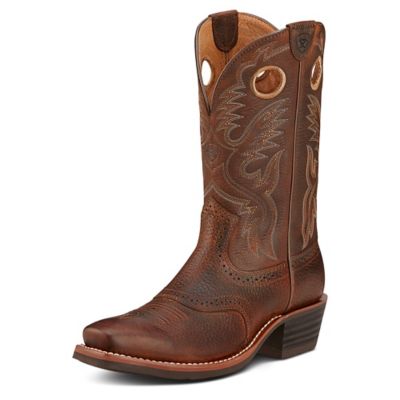
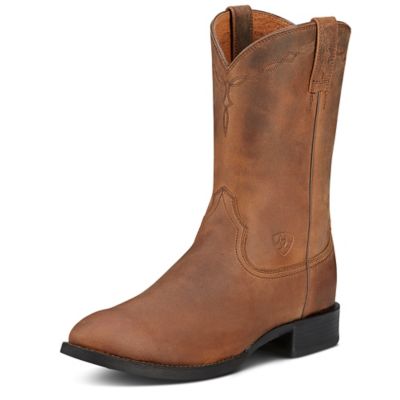
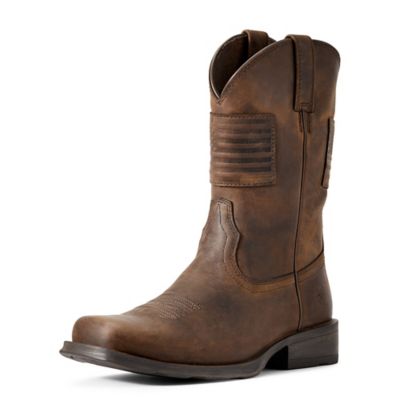
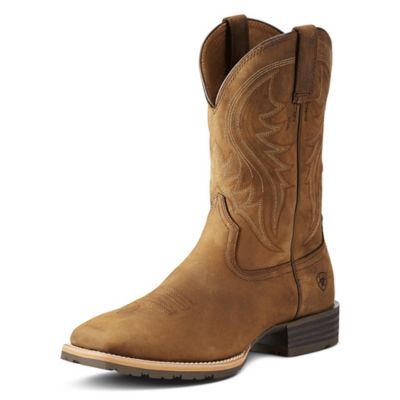
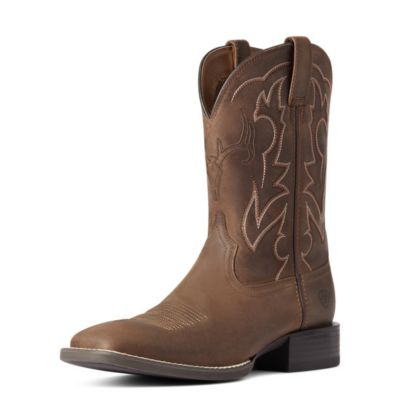
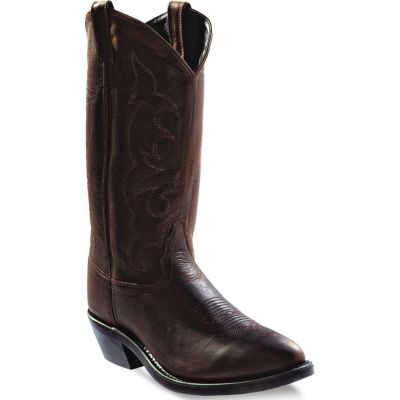
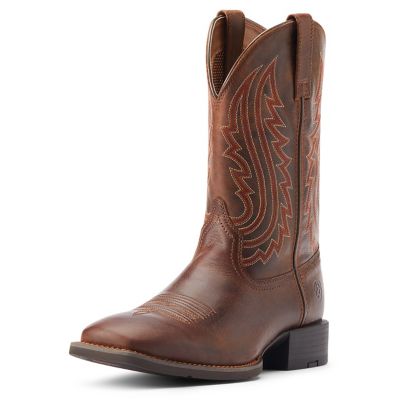
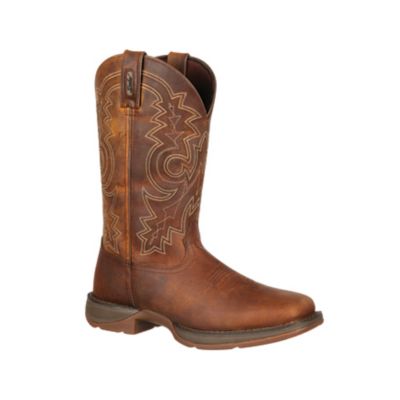
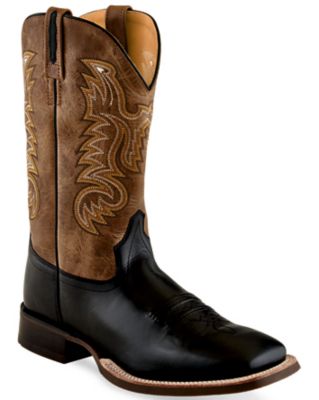
Men’s burgundy cowboy boots bring a deep wine-red color to a familiar Western shape, with shades that can lean brown, red, or plum depending on the leather and finish. That range gives burgundy a place alongside blue denim, tan canvas, charcoal trousers, and other everyday staples without making an outfit feel dressed up beyond the occasion. A darker, softly shaded finish can look right at home at the feed store or a family supper, while a polished surface and a narrower toe can suit a wedding, a night of dancing, or an evening at the rodeo. Burgundy adds another color choice to
men’s cowboy boots while keeping the pull-on shape, stitched shaft, and raised heel that give Western footwear its familiar character. Materials make a noticeable difference in both appearance and feel. Smooth full-grain leather retains the hide’s natural surface and develops creases and character with wear. Suede has a soft, napped surface that gives the same deep red color a more muted look, while embossed leather adds texture without relying on a bright finish. Exotic leathers bring their own grain patterns and care requirements, so the material description matters as much as the color name. A smooth leather foot paired with a stitched shaft offers a different effect from a richly textured foot or contrasting piping. Shaft height, stitching, pull straps, and toe shape all influence how much of that detail shows. Under jeans, the foot and heel do most of the talking; with the shaft visible, the stitching becomes a bigger part of the outfit. Square toes tend to give a broader-looking profile, round toes keep a familiar everyday shape, and snip toes create a sharper dress profile. None of those shapes guarantees a particular fit, but each changes the way the boot looks beneath a trouser leg.
Fit and construction determine whether a pair feels right beyond the first walk across the room. A cowboy boot should feel comfortably snug through the instep without pinching, with enough space for the toes to rest naturally. Some heel movement can be normal in a new pull-on leather boot because the sole has not yet started flexing with the foot, but the heel should not lift so far that walking feels sloppy. Leather may soften with wear; a boot that crowds the toes or causes pain is not a sensible bet for a break-in period. The socks worn with the boots affect the fit, too, especially for someone who alternates between thin dress socks and thicker work socks. Width deserves attention separately from length, and a broad square toe does not automatically mean the boot has a wide fit through the ball or instep. Shaft circumference also matters for comfort around the calf and for how easily jeans settle over the boot. Beneath the foot, cushioning, arch support, lining materials, and heel shape influence comfort during a long day on your feet. A lower walking heel may suit errands and everyday wear, while a taller angled heel gives a more pronounced Western profile. For time in the saddle, riding suitability depends on the whole design, including the heel, sole, and fit with the stirrup. For chores around the barn or shop, tread, traction, and any required safety features deserve their own look. A cowboy silhouette alone does not mean a boot has a safety toe, electrical hazard protection, or a waterproof build. Rubber outsoles can provide grip and resistance to abrasion, while leather soles offer a different feel and may suit dress settings or dancing. Welted construction can make resoling possible in some designs, though repair options depend on the individual boot. Secure stitching, a sound heel attachment, and reinforcement at high-wear areas all contribute to how well boots hold up to regular wear.
Keeping burgundy cowboy boots looking good starts with matching the care to the material rather than treating every red leather surface the same. Dust and grit can settle along the welt, around the heel, and in stitched details, where a soft brush or cloth helps lift them away before they work against the surface. Smooth leather generally benefits from a suitable cleaner and occasional conditioning, following the boot maker’s directions and giving special attention to areas that flex. Too much conditioner can darken the finish or leave buildup, and colored polish can shift a wine-red shade toward brown or brighter red. A small test on a less visible spot helps protect the original look. Suede calls for a suede brush and material-specific cleaning products rather than the creams meant for smooth leather. Exotic hides may need a different care routine altogether. When boots get wet, letting them dry naturally away from direct heat helps protect the leather and its shape. Drying beside a stove or heater can leave leather stiff or cracked. Boot trees can help maintain the foot shape between wears, while upright shaft support keeps tall uppers from folding into deep creases. Pull straps and a boot jack make getting boots on and off easier without repeatedly crushing the heel counter. For someone who spends the day moving between a truck cab, a gravel drive, and a hard shop floor, these small habits help preserve both appearance and comfort. Burgundy boots can also make a thoughtful birthday, graduation, or anniversary gift for a man who already wears Western footwear and wants another color in the rotation. Knowing his usual size is a starting point, but width, preferred toe shape, shaft height, and the fit of his present boots make the choice more personal. Whether the goal is an everyday pair with understated stitching or a dressier look with a polished foot, the strongest match balances that deep burgundy color with the fit, materials, and construction suited to the wearer’s routine.