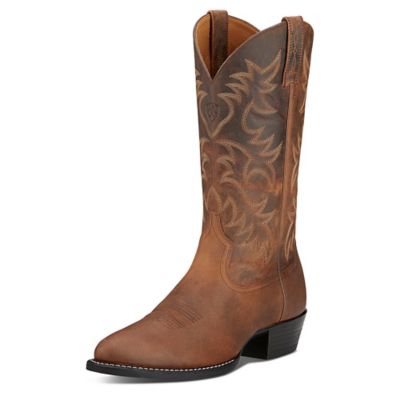
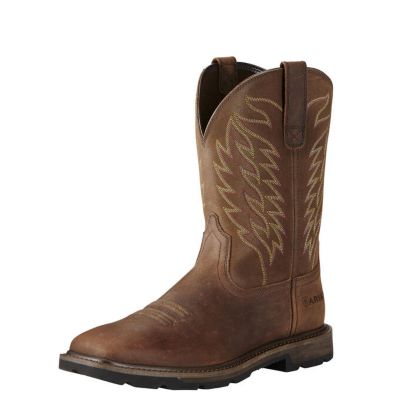
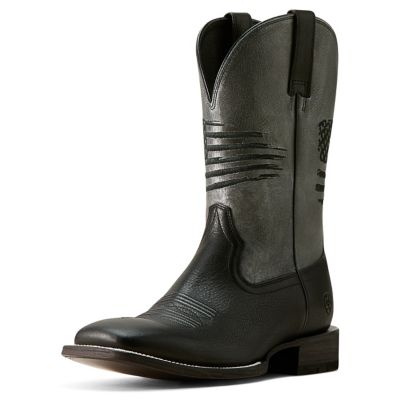
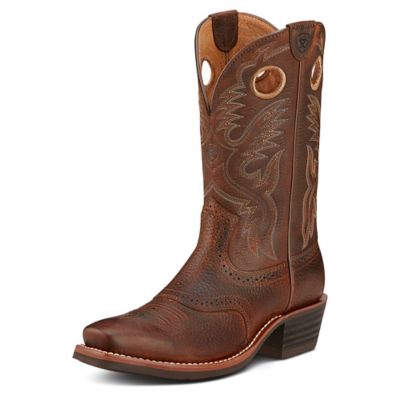
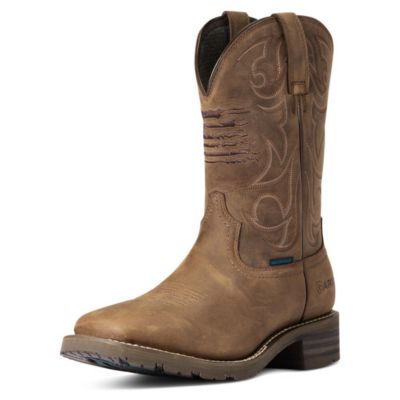
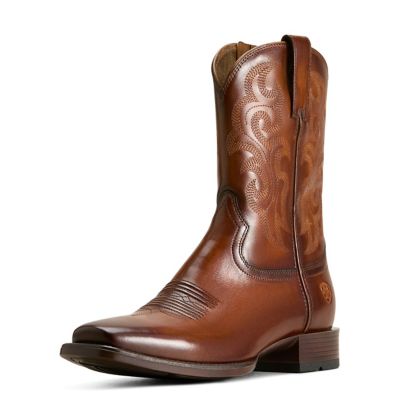
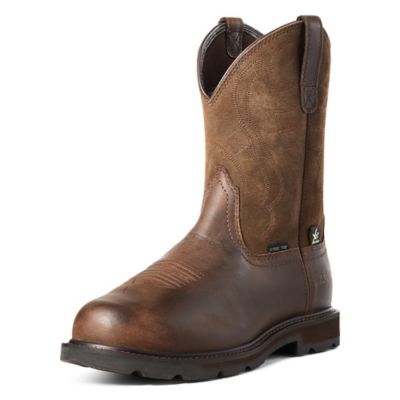
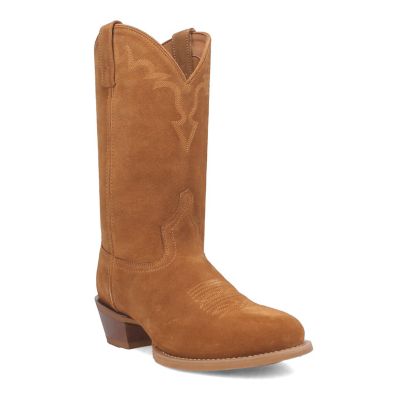
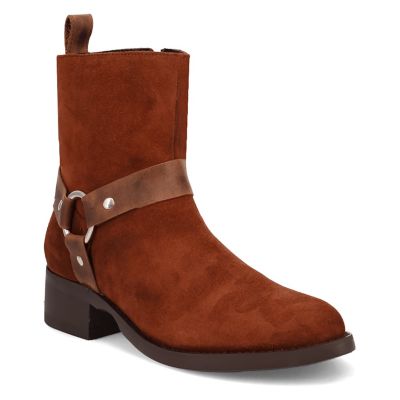
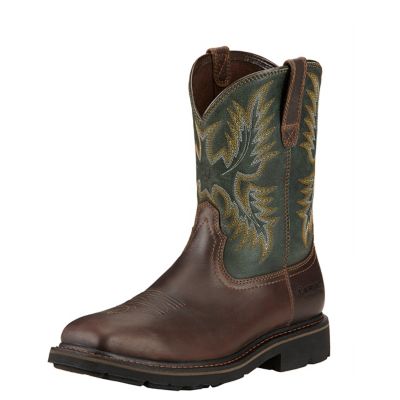
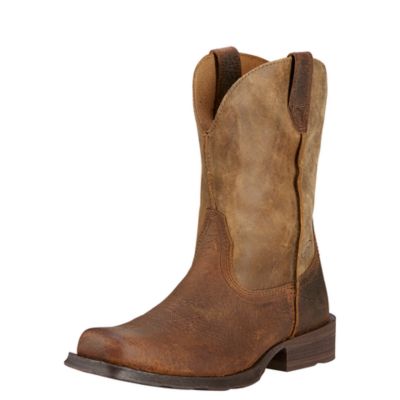
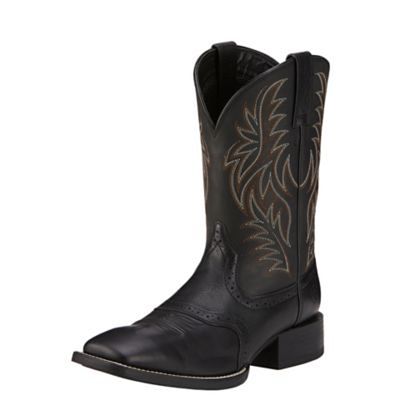
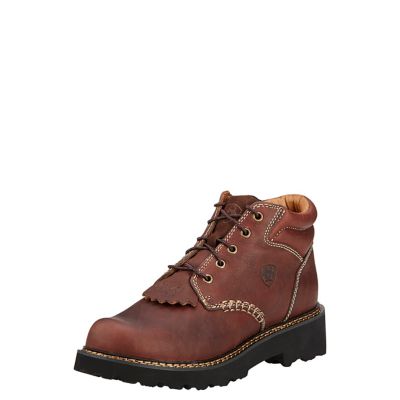
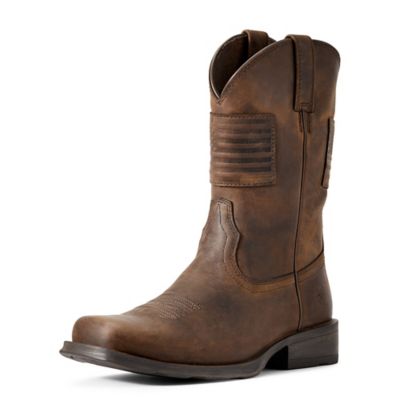
Men's suede western boots bring a softer texture to a familiar pull-on shape, with the raised nap of the leather giving the uppers a muted, slightly brushed look. That texture works just as well with faded jeans and a belt as it does with dark denim and a tucked-in button-down shirt. Suede describes the leather's finish rather than the animal it comes from, so a suede boot can also be made from cowhide. When comparing this category with
Cowhide Western Boots, the surface finish is worth a closer look: smooth leather and suede can have different cleaning needs even when they come from the same type of hide. Tan, brown, and darker shades each bring a different feel to an outfit, while stitching, shaft height, toe shape, and heel profile help set the overall style. A plain shaft keeps things understated; stitched patterns give a pair more western character without needing much else to finish the outfit. These boots fit naturally into life around livestock shows, rodeos, dance halls, family gatherings, and trips into town. They're also an option for men who simply like western footwear and want something other than a smooth leather finish. The intended use matters, though. A suede upper alone doesn't tell you whether a boot belongs in the saddle, on a shop floor, or mainly under a good pair of jeans. Sole design, heel shape, construction, and any listed safety features all play a part. For tasks involving heavy equipment, falling objects, or other job-site hazards, the boot needs the required protection, not just a work-ready appearance. Suede's appeal is its texture and easygoing look, and choosing a pair around the places it'll actually go helps keep that look matched to the job.
Fit makes a bigger difference than a fancy stitch pattern when there's a full day of walking ahead. Men's suede western boots generally need a secure feel across the instep, enough room for the toes to move, and a footbed that puts the ball of the foot near the widest part of the boot. A little heel movement can be normal in a new pull-on pair, but the foot shouldn't slide around or lift so far that every step feels loose. The leather may ease with wear, but a boot that's too short won't turn into the right size after a few outings. Toe shape deserves attention for that reason: round, square, and pointed profiles can each fit differently, and the shape visible outside doesn't always show how much room there is inside. Trying boots with the socks normally worn with them gives a better sense of the fit than switching to a thinner pair just to make them feel roomy. An added insole can also change the space across the instep and around the heel. Shaft openings matter for men with broader calves, while pull tabs and a comfortable lining make getting a snug pair on and off less of a chore. Underfoot, cushioning, arch support, and a shank, where included, can affect how a boot feels during long stretches of standing. A broader walking heel may suit errands and time on foot, while saddle use calls for footwear designed for riding and suited to the stirrups. Outsoles should match the surfaces they'll meet, too. A smooth sole and a treaded sole won't behave the same way on a polished floor, loose gravel, or a concrete aisle. Construction matters for long-term wear, including how the sole attaches and whether repairs are possible. For everyday outfits, jeans that fall comfortably over the shaft keep the line simple, with enough length to cover the boot without dragging under the heel.
Suede benefits from a different care routine than smooth leather, and that distinction is worth keeping in mind before the first wear. The nap can hold dust and show marks from contact with liquids, oils, or greasy hands, so these boots make more sense for some chores than others. Brushing with a tool meant for suede helps lift loose dirt and bring the surface back to an even appearance; a suede eraser can help with certain dry marks when the care directions allow it. Gentle treatment is the point. Hard scrubbing can flatten or disturb the nap, and ordinary shoe polish, heavy leather grease, or a cream intended for smooth leather can darken the surface or change its feel. Any cleaner or protective spray should be approved for suede and tested in a small, out-of-the-way spot first. If a boot gets damp, letting it dry naturally away from direct heat helps protect the leather's shape, and waiting until it dries before brushing avoids grinding a mark farther into the surface. Dirt around the welt and outsole needs attention as well, since a clean upper doesn't tell the whole story. Between wears, a place with airflow and support inside the foot can help the boots hold their shape; stuffing them into a crowded corner encourages creases and bent shafts. With sensible care, suede can develop a lived-in look while keeping the texture that makes it appealing. These boots can also make a thoughtful birthday or graduation gift for a man who wears western footwear, whether he's a regular at the rodeo or likes a comfortable pull-on pair for going out. Knowing his usual boot size, width, preferred toe shape, and everyday activities is more helpful than guessing from his sneaker size alone. A pair that suits his feet and routine is one he'll have reason to reach for, with suede adding a different touch to the western style he already enjoys.