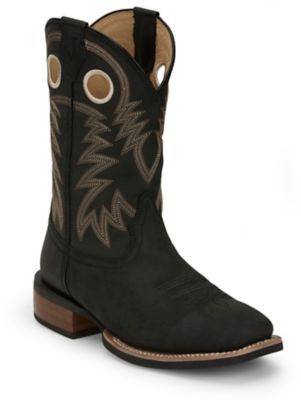
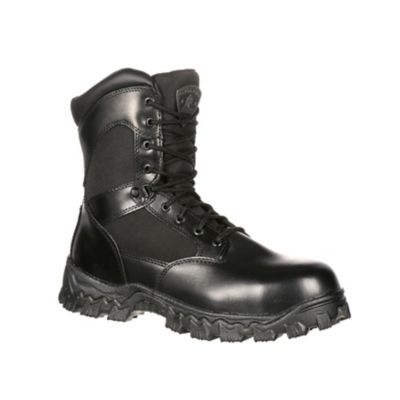
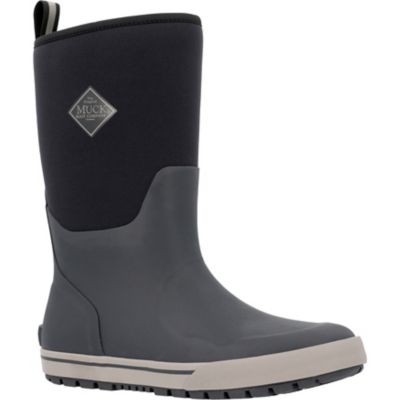
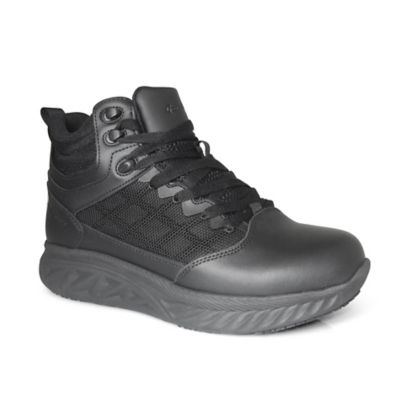
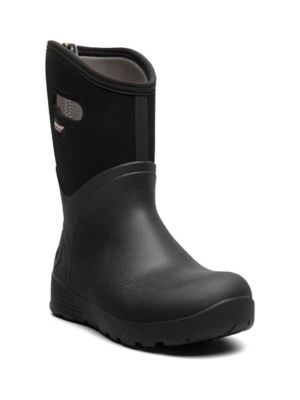
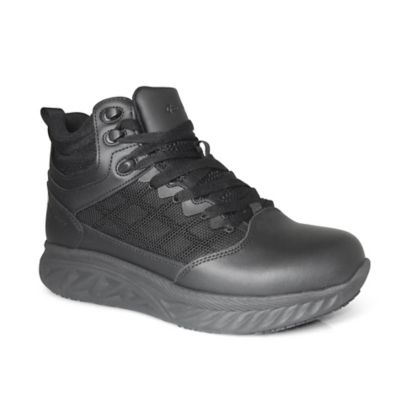
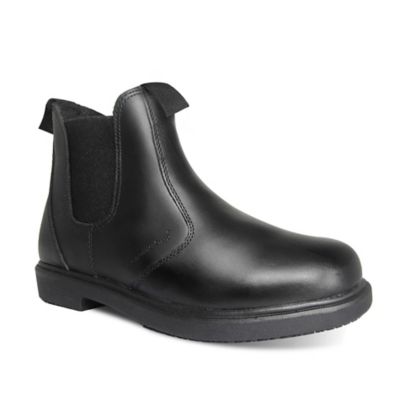
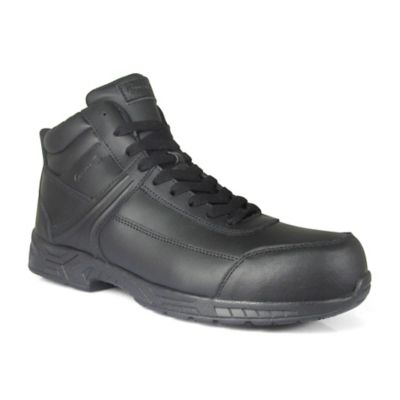
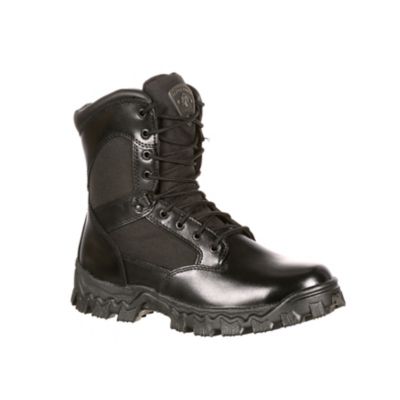
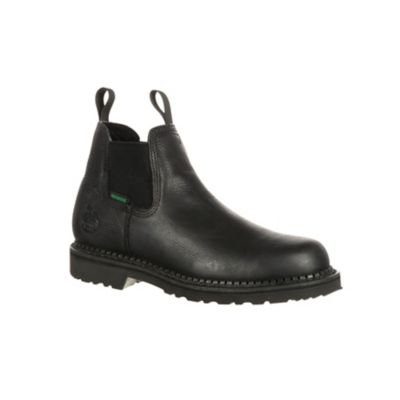
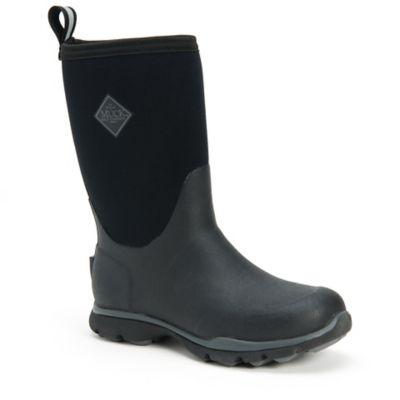
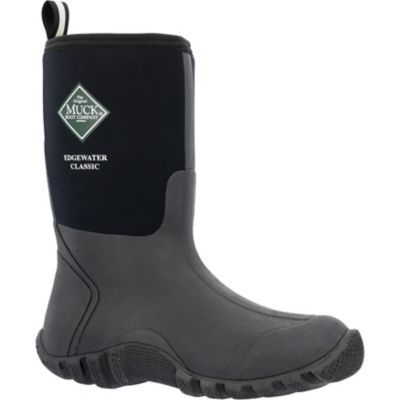
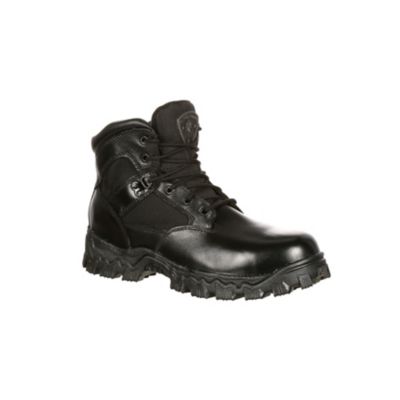
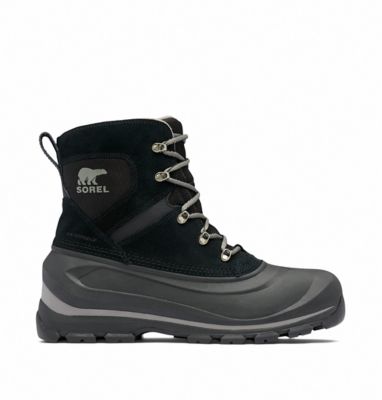
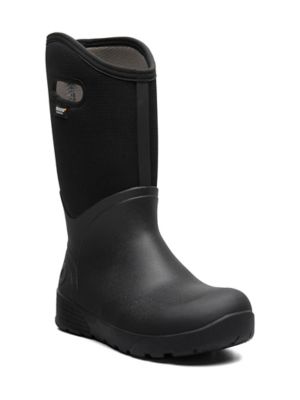
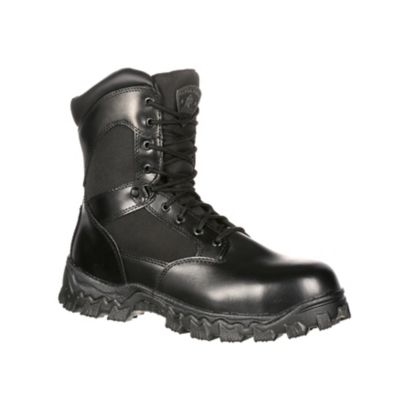
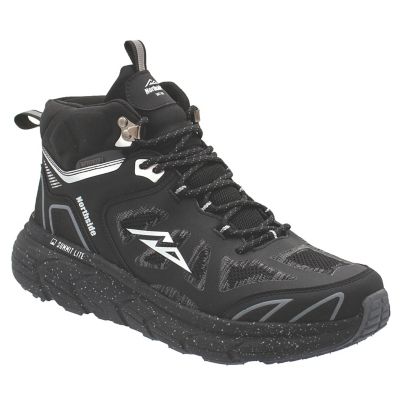
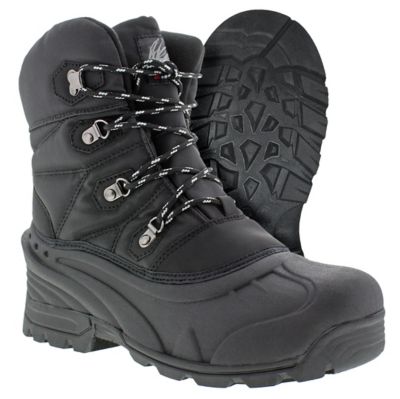
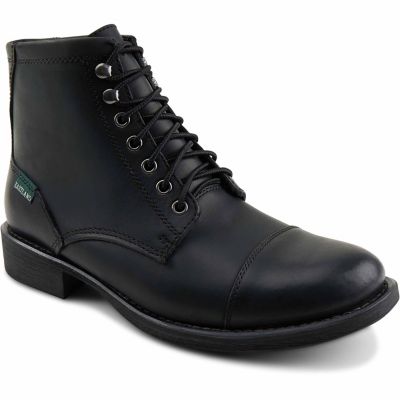
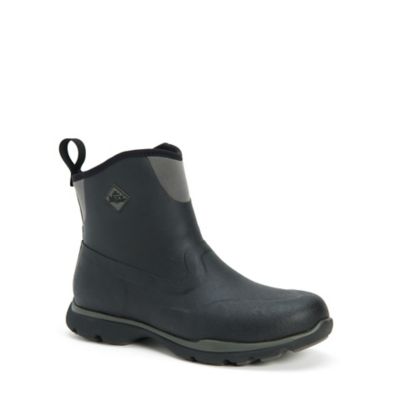
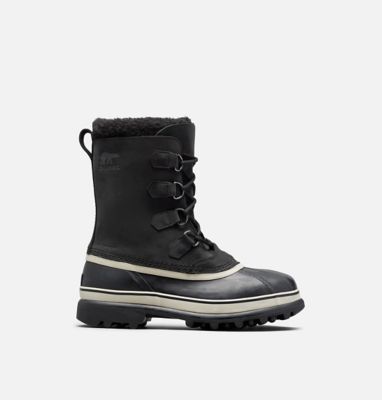
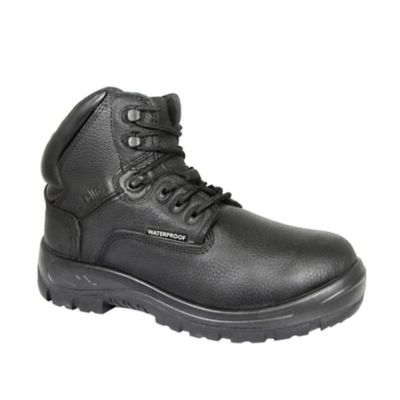
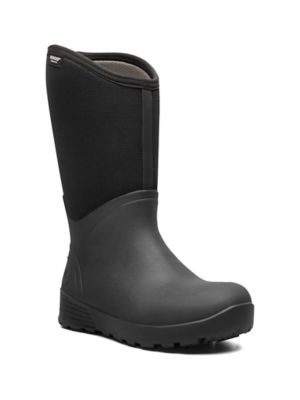
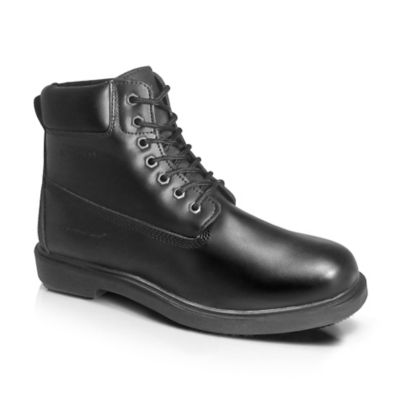
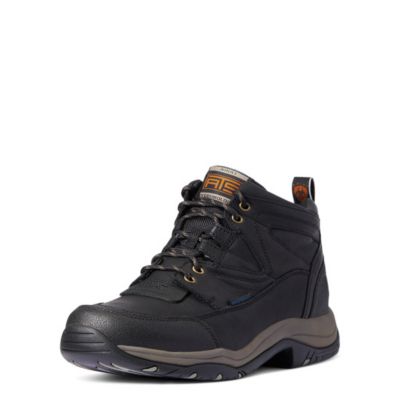
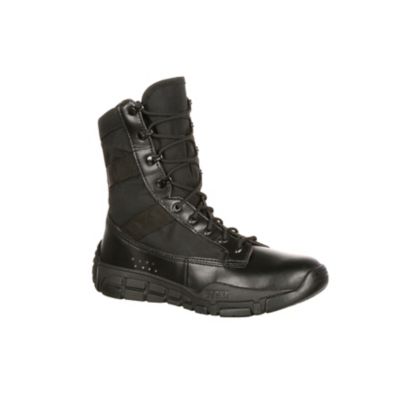
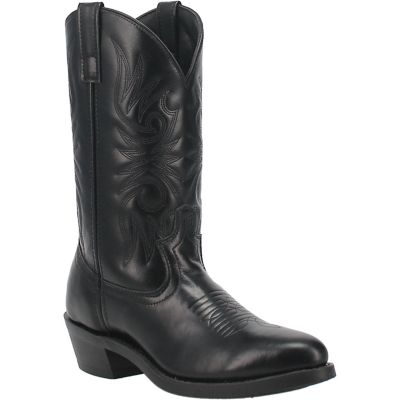
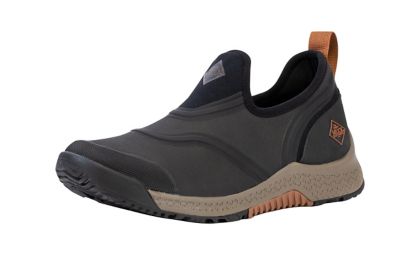
Men's black walking boots bring a practical mix of coverage, underfoot cushioning, and everyday versatility to time spent on your feet. They suit walks along a gravel lane, laps around the county park, trips through town, and casual outings where a boot feels more at home than a sneaker. The black finish pairs easily with jeans, canvas pants, and work clothes, whether the shape is simple and smooth or built with contrasting panels and a more substantial sole. Leather uppers tend to feel firm at first and gradually soften at the flex points, while synthetic materials can help keep weight down and shorten the adjustment period. Textile panels add flexibility and allow more air movement, although the lining and overall construction also affect how enclosed a boot feels. Smooth leather is generally straightforward to wipe clean, while brushed leather and fabric need a little more attention to keep their appearance even. Reinforced toe areas can help take the scrape of an occasional rock or stair edge without making the entire boot overly rigid. A padded collar cushions the opening, and a pull loop can make getting a boot on easier before heading out the door. Low-profile designs feel less substantial around the ankle, while taller walking boots provide more coverage and additional room for lacing adjustments. Neither height alone nor a heavy build guarantees better walking comfort; the way the upper bends and holds the foot matters more than looks alone. For shoppers focused on keeping weight down, the
Men's Lightweight Walking Boots collection provides a related place to browse. The right balance depends on the outing: an easy stroll to the mailbox calls for something different from several miles over uneven ground, even when both pairs share the same black finish. That range makes construction details worth a closer look alongside the overall style.
Fit has a lot to do with whether men's walking boots feel comfortable beyond the first few steps. A suitable toe box leaves room for the toes to spread naturally without letting the forefoot slide from side to side. There should also be space ahead of the longest toe so a downhill step or a quick stop does not push it into the front. Through the middle of the foot, the boot should feel secure rather than squeezed, with a heel that stays seated without rubbing at the collar. Width matters just as much as length, especially for men who find that sizing up adds unwanted space at the heel while leaving the forefoot tight. The socks worn for regular walks belong in the fit equation, too, since a thicker sock changes the room inside the boot. Feet can also take up a little more space after hours of standing or walking, so a snug morning fit may feel different later in the day. Laces make small adjustments possible across the instep and around the ankle, and a tongue that lies flat helps avoid concentrated pressure beneath them. Inside, cushioning softens the feel of each step, while the midsole supplies much of the structure between the foot and the ground. A very soft footbed may feel pleasant at first touch, but comfort over distance also depends on stability, flexibility, and a shape that suits the wearer. Removable footbeds make it easier to air out the interior or accommodate an insert when the boot has enough depth. For anyone who wears prescribed orthotics, compatibility with that insert matters more than a general claim about support. Good walking footwear should bend with the forefoot without feeling loose through the middle, letting a steady stride feel natural from the driveway to the far end of the walking path.
Underneath, outsole design helps determine where black walking boots feel most at home. Broad contact areas can feel steady on firm paths, while more pronounced tread gives loose dirt and gravel more edges to grip. Deeper tread is not automatically better for every walk; it can feel more noticeable underfoot on pavement and may collect small stones along an unpaved route. Rubber compounds and tread patterns differ, so traction should be judged by the intended surface and the manufacturer's stated features rather than by an aggressive appearance alone. Walking boots also serve a different purpose from footwear required for hazardous work. A substantial-looking toe is not necessarily a safety toe, and a lugged sole does not establish electrical protection or any other workplace rating. For everyday walking, details such as reinforced lace attachments, neatly joined panels, and an outsole suited to the route can matter more than extra hardware. Keeping those parts in good shape starts with removing grit before it works into seams and flex points. A soft brush handles loose dirt, and a lightly damp cloth can lift surface marks when the care directions allow it. Leather conditioner should match the leather type, since the wrong treatment can alter the finish or leave fabric panels coated. Brushed leather generally calls for its own brush and suitable care products rather than the treatment meant for smooth leather. Boots should dry naturally away from direct heat, with the tongue opened and removable insoles taken out when appropriate. Regular attention to worn laces, separating sole edges, and compressed cushioning helps reveal when a pair needs repair or replacement. Black uppers can show pale dust and scuffs, but a quick clean often makes a noticeable difference. For a dad, partner, or other regular walker, these boots can also make a thoughtful gift when the recipient's size, width, and preferred fit are known. Above all, the best match is a pair that fits the person's routine comfortably, whether that means a short daily loop or a longer walk with plenty of ground to cover.