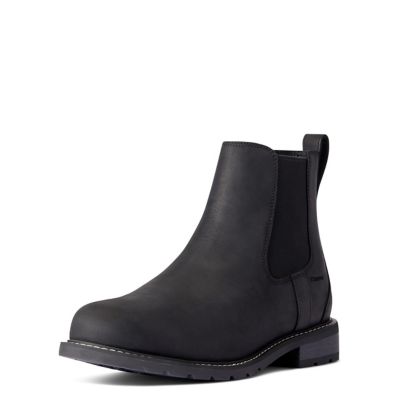
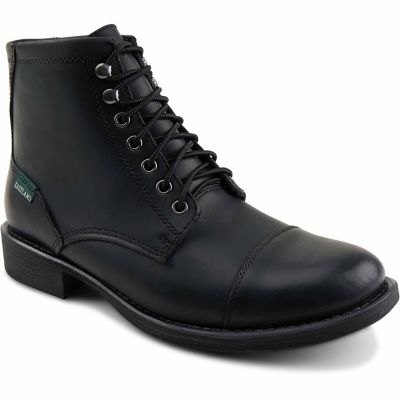
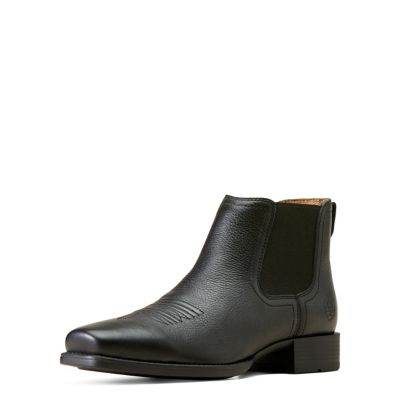
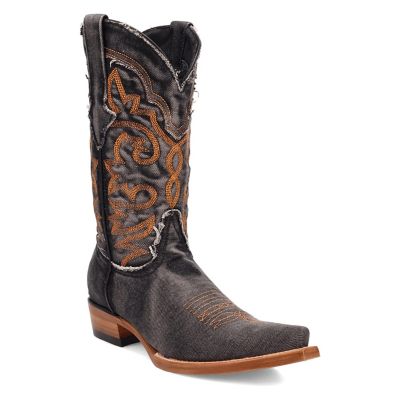
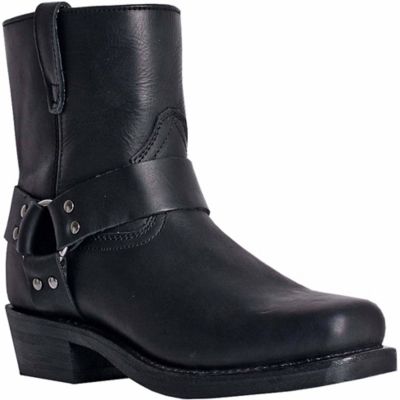
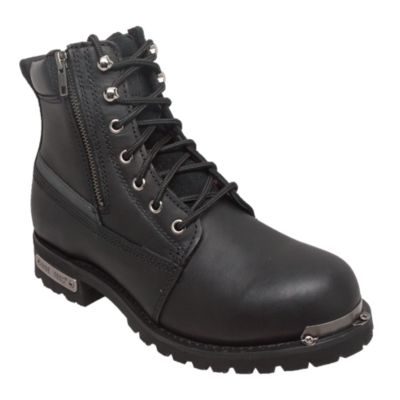
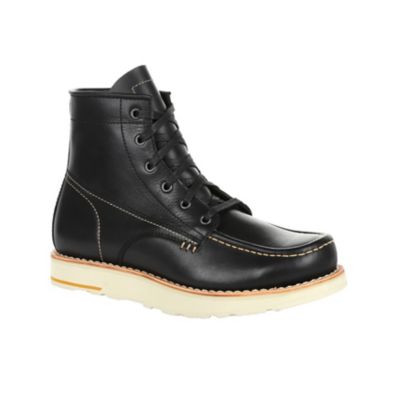
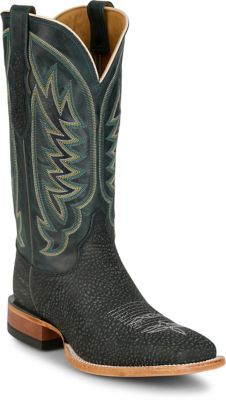
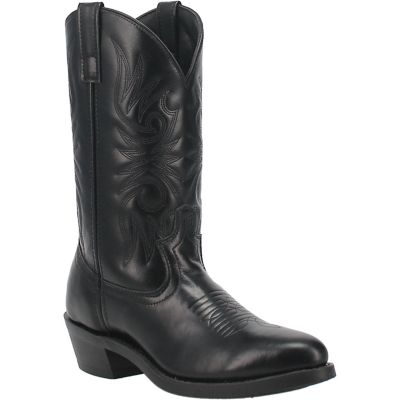
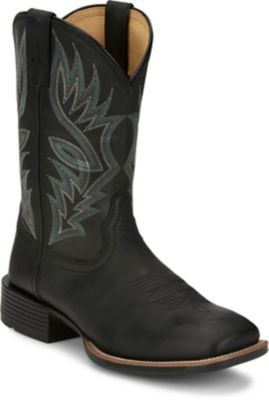
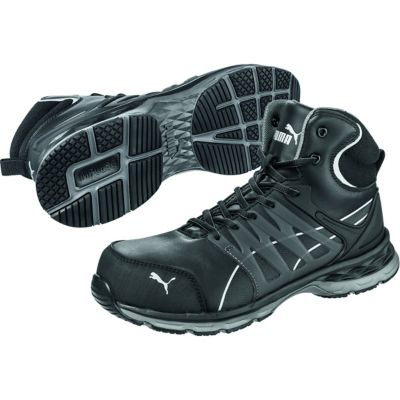
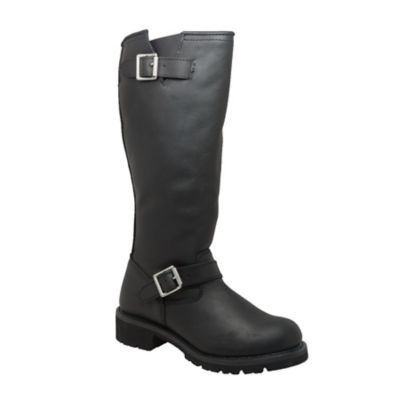
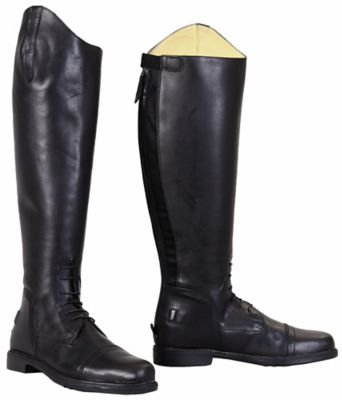
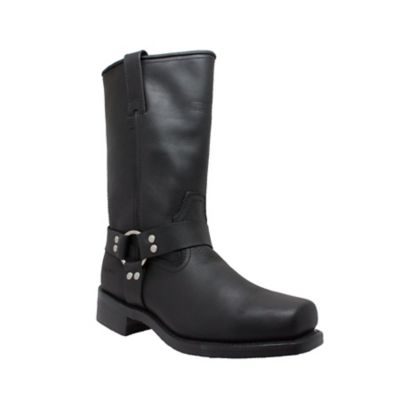
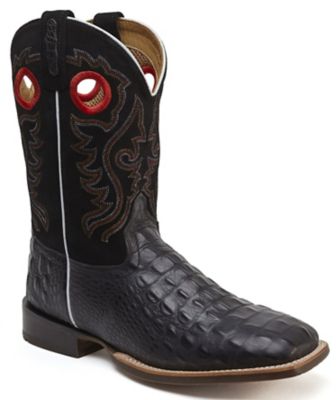
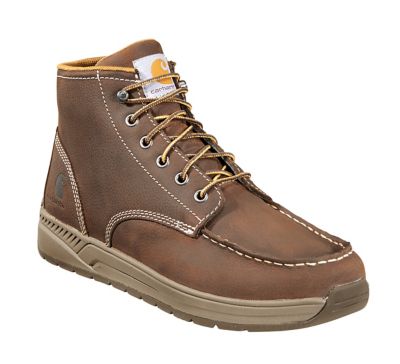
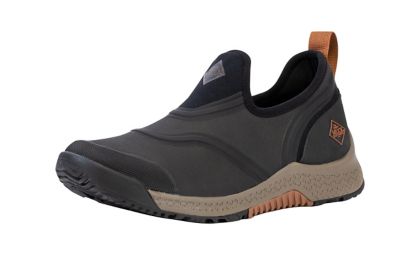
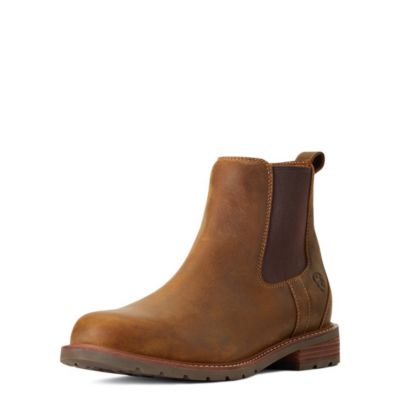
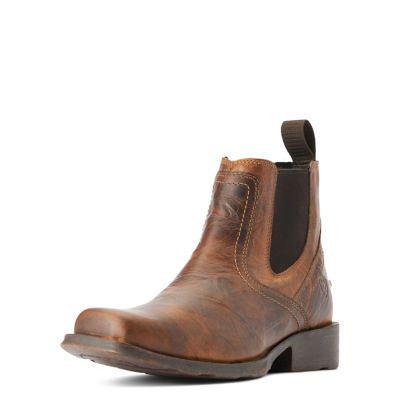
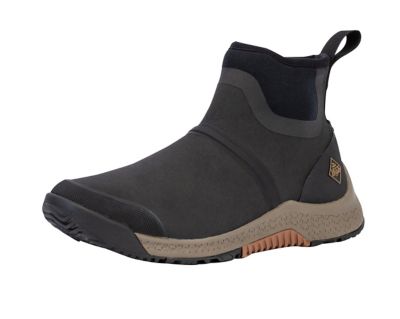
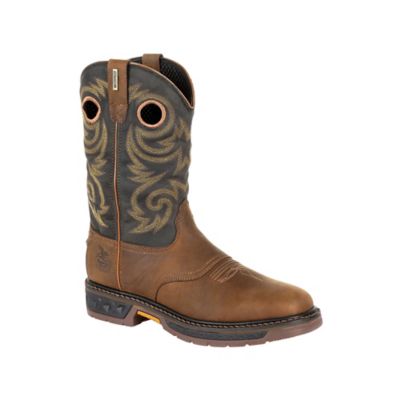
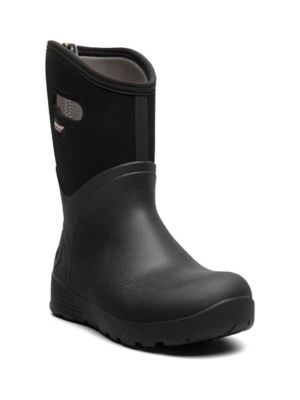
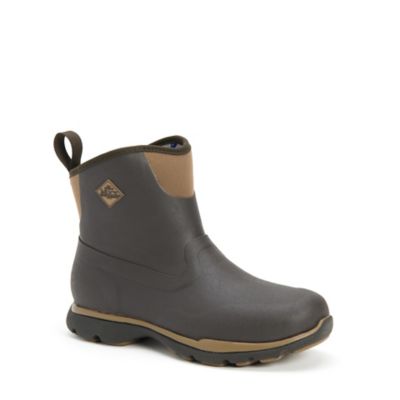
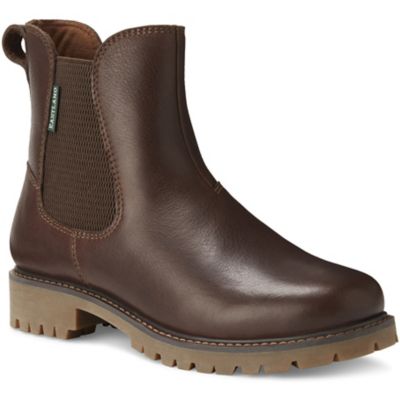
Men’s black casual boots are everyday footwear that pairs the coverage of a boot with a laid-back look for jeans, chinos, and other go-to pants. Common styles include lace-up boots, pull-on Chelsea boots, ankle-height chukkas, and western-inspired designs. Each brings a different feel to the same simple color. Lace-up styles let the wearer adjust the fit across the top of the foot, while Chelsea boots have elastic side panels that make slipping them on and off easier. Chukkas generally have a lower profile and fewer eyelets, giving them a less rugged appearance that works well with straight-leg pants. Western-inspired boots bring shaped heels and taller shafts to the mix, making them a natural match for denim and a tucked-in button-down. Black keeps these different shapes easy to wear, whether the day includes a trip into town, lunch at the diner, or an evening out. Smooth leather has a clean finish that can lean relaxed or a little more dressed up, depending on the toe shape, stitching, and sole. Suede and nubuck have a softer, textured appearance, while synthetic uppers offer other finishes and different care requirements. Full-grain leather retains the hide’s natural surface and can develop creases and character with wear; it also benefits from conditioning appropriate to its finish. A round toe gives a boot a traditional everyday look, while a square toe adds a western touch and a more tapered shape feels dressier. Toe shape alone does not determine room inside, though, since the boot’s width and overall construction matter just as much. Small details make a difference without taking over an outfit: matching black stitching looks understated, contrasting stitching adds definition, and a plain upper tends to pair easily with more clothing. A low-profile sole can sit neatly beneath chinos, while a thicker tread gives jeans a more substantial finish. For a closet built around denim, flannel shirts, canvas jackets, and simple tees, black casual boots provide a straightforward foundation without requiring a whole different set of clothes.
Comfort depends on more than a soft footbed, especially when a day includes standing at a counter, getting in and out of a pickup, and walking several blocks around town. A well-fitting boot holds the heel securely, leaves room for the toes to move, and avoids pressure across the widest part of the foot. Fit is best checked with the socks normally worn with the boots, since a heavier sock takes up more room than a thin everyday pair. Feet should not slide forward into the toe box, and the upper should not pinch when the wearer bends or climbs a step. Leather can soften as it breaks in, but a boot that is too short or sharply tight is unlikely to become a good fit simply through wear. Lace-up construction offers more adjustment for different foot shapes, while pull-on styles depend more on getting the heel, instep, and shaft proportions right from the start. A little heel movement can occur in some pull-on boots, but repeated rubbing or excessive slipping deserves attention. Underfoot, cushioning helps soften each step, while a supportive footbed and a stable base can make longer stretches on foot more comfortable. Removable insoles allow room for replacement footbeds when the boot has enough interior space, though adding a thick insert to a close-fitting boot can crowd the foot. Shoppers whose routines involve more time on foot may also want to explore
Mens Black Walking Boots when comparing everyday walking styles. Outsoles deserve a look, too: tread pattern, sole material, and flexibility affect how a boot feels across pavement, packed gravel, and indoor floors. A deep tread may hold grit, while a smoother sole has less bite on loose ground. Neither a chunky appearance nor a tall shaft establishes slip resistance or protective performance. Casual footwear should match the day’s actual demands, and tasks that require safety toes, electrical-hazard protection, or other workplace features call for footwear specifically rated for those needs.
How men’s black casual boots hold up over time comes down to the materials, construction, fit, and attention they receive between wears. Reinforced stitching, firmly attached soles, and sturdy eyelets or pull tabs are useful details to examine, especially around spots that bend or take repeated pulling. A heavier boot is not automatically a better choice; extra weight can become tiring during errands or a long afternoon on foot. Likewise, a thick sole may suit someone who likes a substantial feel, while another wearer may prefer a lighter, more flexible build. Everyday care helps preserve both appearance and function. Loose dirt can be brushed away before it works into seams, and smooth leather generally benefits from wiping with a soft cloth and cleaning with a product intended for that finish. Leather conditioner should be applied according to its directions, since too much can leave residue or change the surface. Suede and nubuck need their own brushes and suitable cleaners rather than the same polish applied to smooth leather. Synthetic materials also have their own care needs, so checking the manufacturer’s directions helps avoid damage from the wrong treatment. Black polish or cream may help refresh compatible smooth-leather finishes, but testing on a small, less noticeable area first can prevent an unwanted change in sheen. Letting boots air out between wears, keeping them away from direct heat, and storing them where the shafts are not crushed helps them keep their shape. Checking heels, stitching, and tread makes it easier to notice wear before it interferes with comfort. For someone giving boots to a dad, brother, or partner, the recipient’s usual size, width, preferred closure, and everyday pants offer a better starting point than appearance alone. The right pair should feel at home with the wearer’s routine, whether that means supper in town, a family get-together, or the regular round of errands. Black casual boots earn their place through that easy balance of comfort, practical construction, and a look that does not need much fuss.