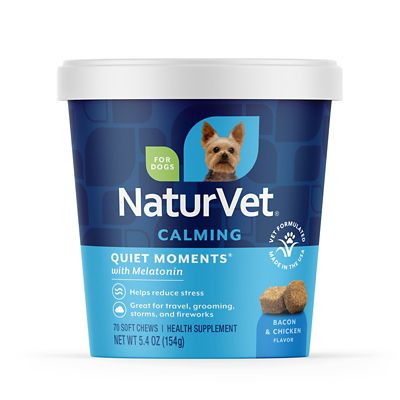
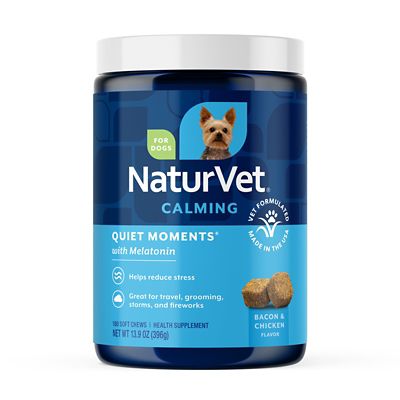
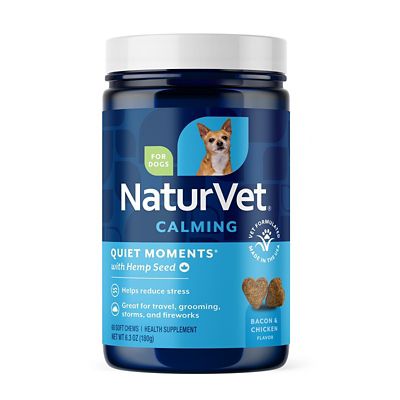
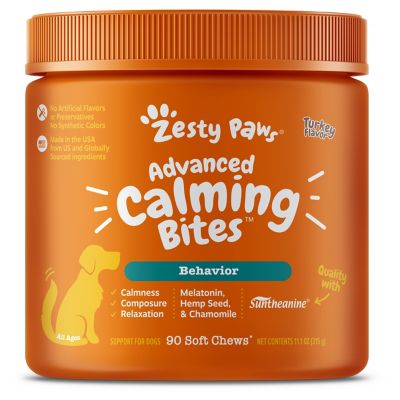
Melatonin for dogs is a supplement containing melatonin, a hormone that helps regulate the body’s sleep-wake cycle. Veterinarians may recommend it for certain sleep disturbances, situational anxiety, or particular hair-cycle conditions, but it is not a cure-all for restless nights, nervous behavior, or hair loss. Whether it is appropriate depends on the dog’s health, medications, age, and reason for taking it. Research on its benefits in dogs is limited, and results can vary. A dog pacing beside the bed, barking when the truck pulls out, or struggling to settle in an unfamiliar place may need more than a calming supplement. Pain, itching, separation-related distress, and other health or behavior concerns can look similar from the outside. That makes a conversation with a veterinarian an important part of choosing melatonin, especially when the behavior is new or getting worse. For a dog with an established care plan, a canine melatonin supplement may have a place alongside a steady routine, a comfortable sleeping spot, and appropriate exercise. The goal is to help address a particular concern, not simply make an active dog sleepy. A farm dog that stays alert to every sound beyond the porch and a house companion that has trouble settling after a change in routine may have very different needs. Older dogs with disrupted sleep also deserve a veterinary check rather than having nighttime restlessness written off as part of aging. Likewise, thinning hair or bare patches call for an examination; melatonin is sometimes prescribed for certain coat disorders, but many causes of hair loss need different treatment. The most useful starting point is a clear picture of what is happening, how often it happens, and what the veterinarian wants the supplement to accomplish. Those details help connect the category to the dog’s actual needs instead of treating every unsettled evening as the same problem.
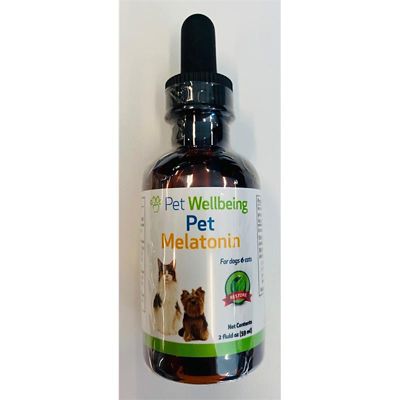
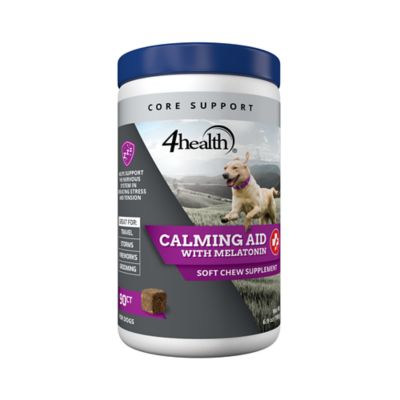
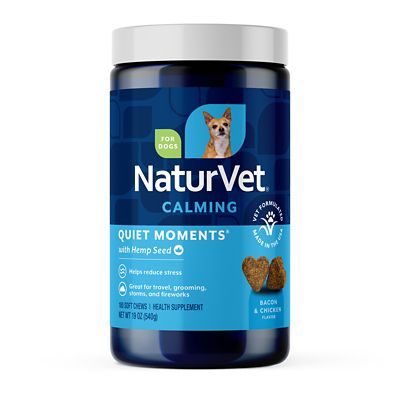
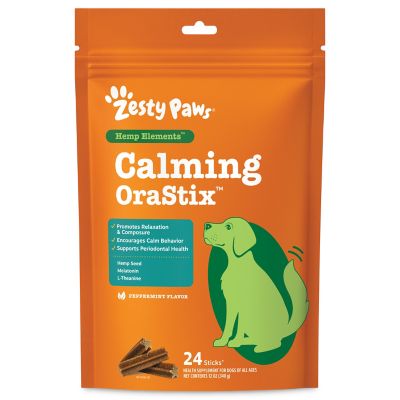
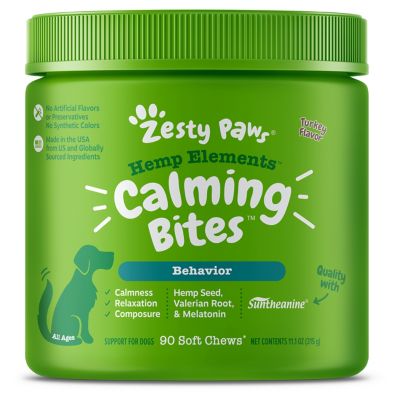
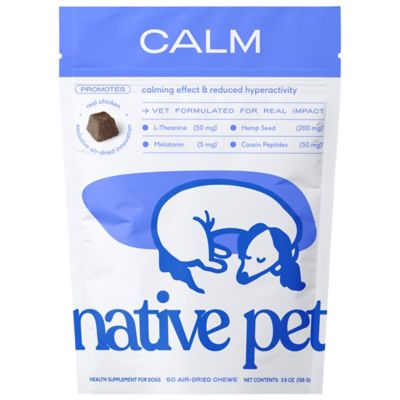
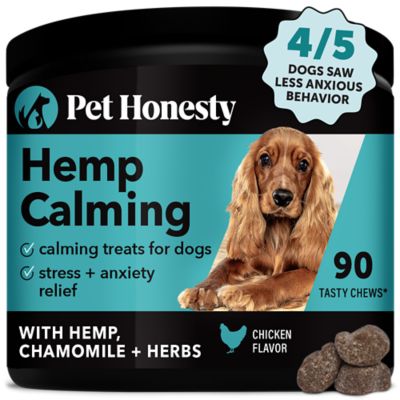
Melatonin supplements for dogs come in forms such as chewable tablets, soft chews, and liquids, with differences in texture, flavor, concentration, and additional ingredients. A chew may fit easily into the routine of a dog that readily takes treats, while another dog may need a different form selected with veterinary guidance. Texture matters for dogs with tender mouths or missing teeth, and flavor ingredients matter for dogs with food sensitivities. The supplement facts and feeding directions deserve closer attention than the size of the chew or the wording on the front of the package. Melatonin content may be listed per tablet, per chew, per serving, or by a measured volume of liquid, so similar-looking packages do not necessarily deliver the same amount. There is no single dose that suits every dog. Weight is one consideration, but the condition being addressed, other ingredients, existing health concerns, and other medications also affect the veterinarian’s recommendation. A larger dog does not automatically need a stronger formula, and a small dog should not receive an amount estimated from a person’s serving directions. Blended calming supplements may pair melatonin with other ingredients, which makes a review of the full label especially helpful. Adding several calming supplements together can also overlap ingredients without making that obvious at a glance. Human sleep supplements are not interchangeable with canine formulas: some contain xylitol, a sweetener that is toxic to dogs, or other ingredients that are unsuitable for pets. Even a formula labeled for dogs still needs to fit the individual animal. Extra caution is warranted for puppies, pregnant or nursing dogs, breeding animals, and dogs with ongoing medical conditions. A veterinarian should also review possible interactions with sedating medicines and other treatments. Clear ingredient amounts, readable directions, and a form that can be measured consistently are practical considerations when comparing this category. They make it easier to follow an agreed care plan without guessing about what each serving contains.
A calming supplement fits best into a routine that makes sense for both the dog and the household. A quiet resting area away from foot traffic, regular bathroom breaks, and exercise suited to the dog’s age and health can all support settling down. For a dog that gets worked up when visitors arrive or has trouble resting away from home, behavior support may be just as important as the supplement itself. Melatonin does not replace training, treatment for pain, or a veterinary plan for separation anxiety. Shoppers comparing broader options can also explore
Natural Calming Supplements For Dogs, keeping in mind that “natural” does not automatically mean safe for every pet. Different formulas serve different purposes, and the ingredient list matters more than a general calming claim. At home, package care is straightforward but important: follow the storage directions, keep the container closed, and check the expiration date. Original packaging keeps the ingredient amounts and directions close at hand, which helps when more than one person handles the dog’s meals or medications. Treat-like flavors can also tempt a dog to eat more than intended, so supplements belong out of reach of pets and children rather than beside an open treat jar. Possible side effects of melatonin include drowsiness and stomach upset; pronounced sleepiness or other unexpected changes warrant a call to the veterinarian. If a dog eats extra servings, swallows a human sleep supplement, or may have ingested xylitol, contact a veterinarian or animal poison control service promptly rather than waiting for symptoms. Thoughtful selection comes down to a suitable formula, clear directions, sensible storage, and a defined reason for giving it. With veterinary guidance, those everyday details help make melatonin part of a considered care routine for the dog that shares the house, rides along in the pickup, or rests nearby after chores.