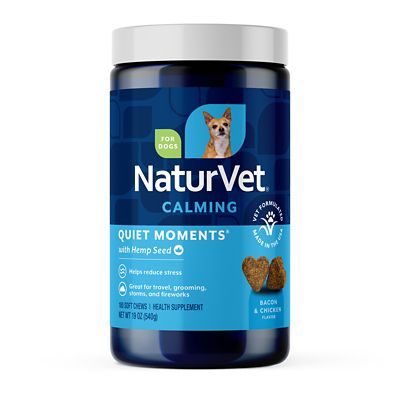
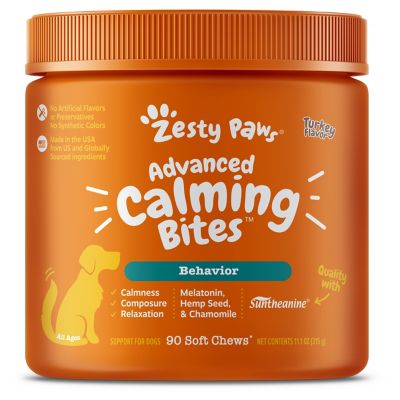
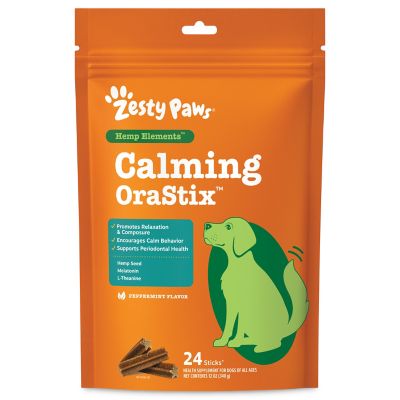
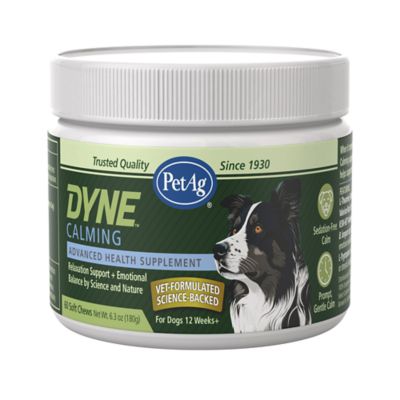
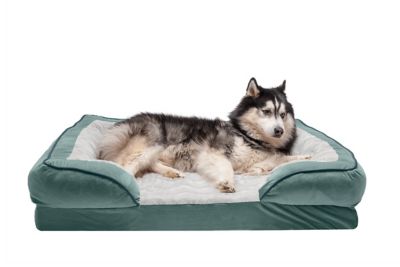
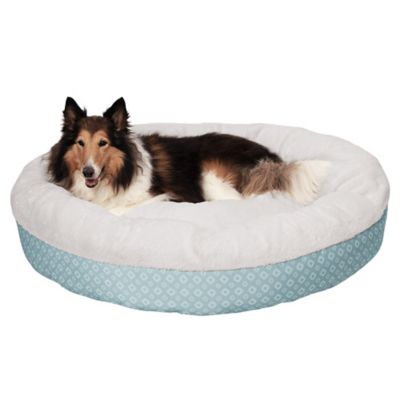
Calming products for pets are made to support dogs and cats when everyday life feels a little overwhelming, whether that means a truck pulling up the drive, company coming through the door, a ride to the veterinarian or time away from their favorite person. The category includes calming treats and supplements, pheromone products, pressure wraps, comforting bedding and enrichment toys, with different options suited to different situations. Some provide a familiar place to settle, while others support a relaxation routine or give a restless pet something appropriate to do. No single approach fits every animal. A dog that paces when the household leaves may need different support than a cat that disappears whenever visitors arrive. Age, health, personality and the reason behind the behavior all matter, and calming products work best alongside patient handling, regular exercise appropriate to the animal and a predictable daily routine. Bedding is often a practical starting point for pets that settle more easily in their own spot. Raised edges give some dogs a place to lean, while soft, cushioned surfaces offer a comfortable resting area. A
calming pillow for dogs can complement that resting space, particularly for a dog that likes to curl against something soft. Size matters just as much as softness: a pet needs enough room to lie naturally without hanging over the edge or squeezing into a cramped position. Fleece, plush polyester and other fabric covers vary in texture, and a removable, machine-washable cover can make cleanup simpler after muddy paws or an occasional accident. For pets that chew bedding, accessible seams, loose stuffing and detachable pieces deserve close attention. A quiet resting spot away from busy walkways can also make the bedding more inviting than a cushion placed beside a door that opens all day.
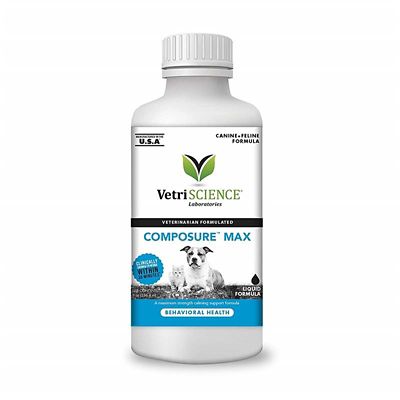
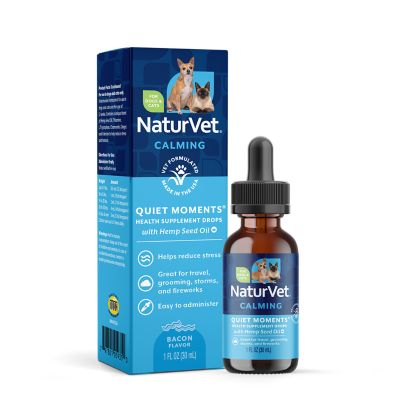
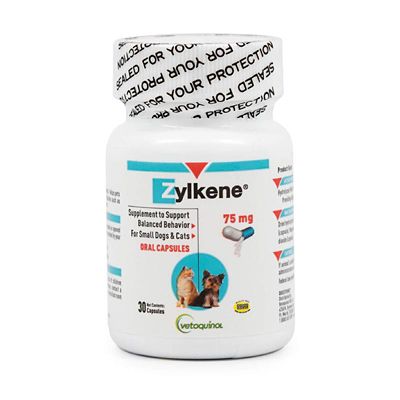
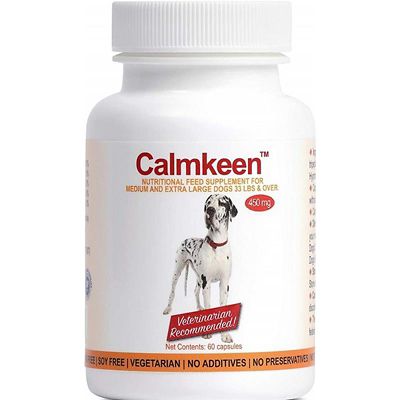
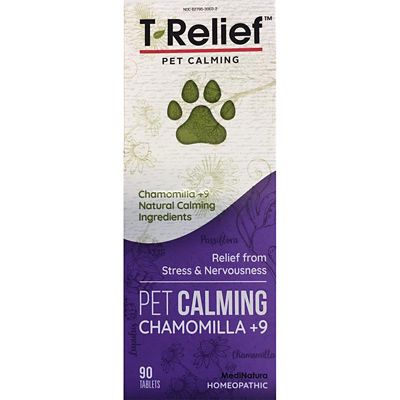
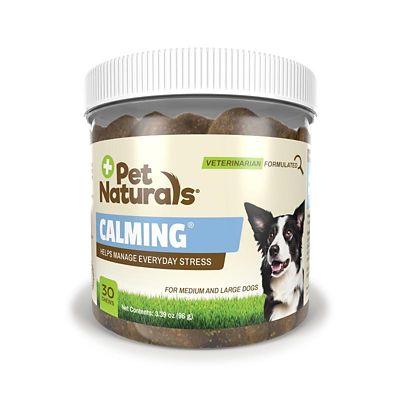
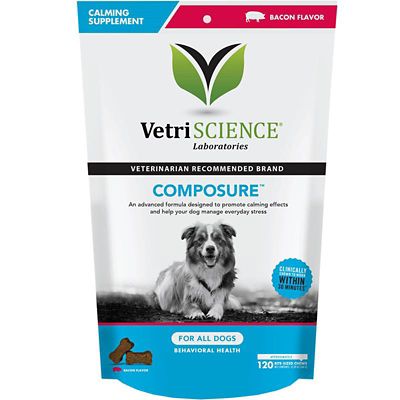
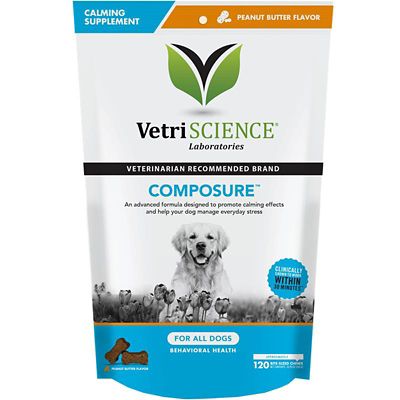
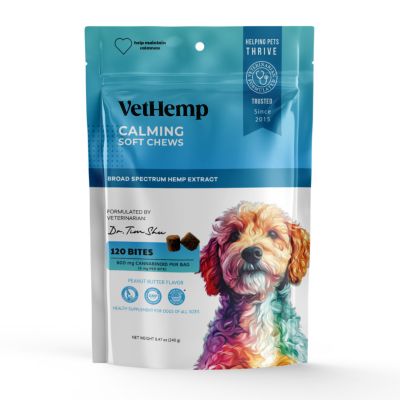
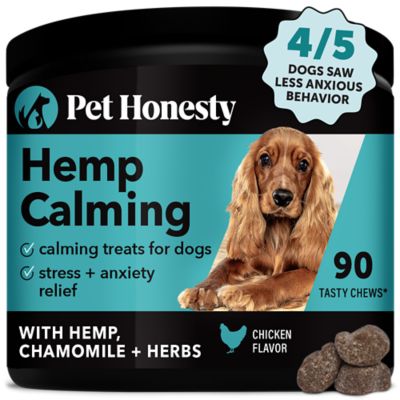
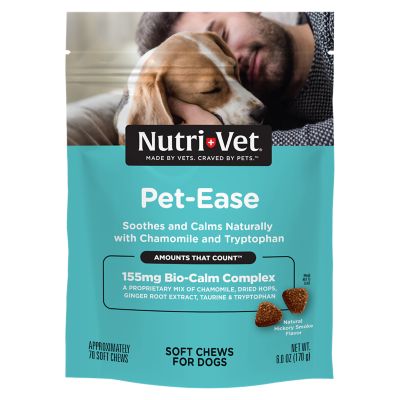
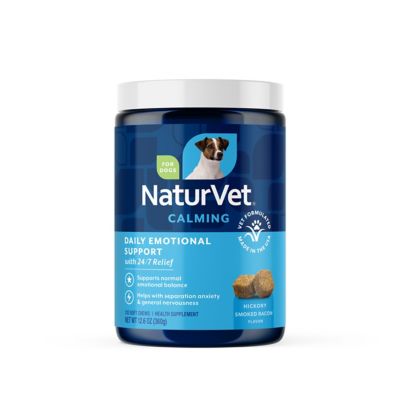
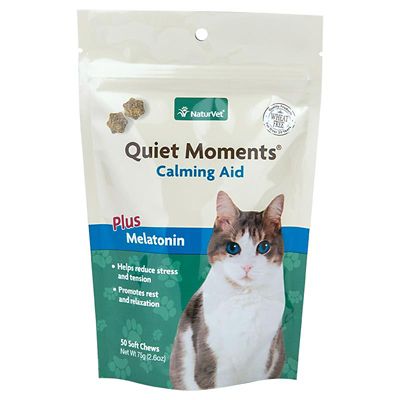
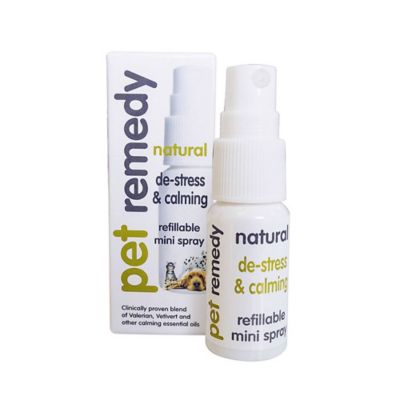
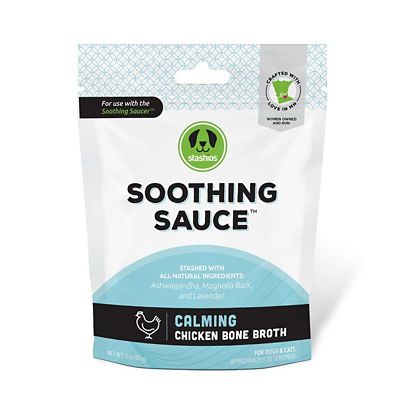
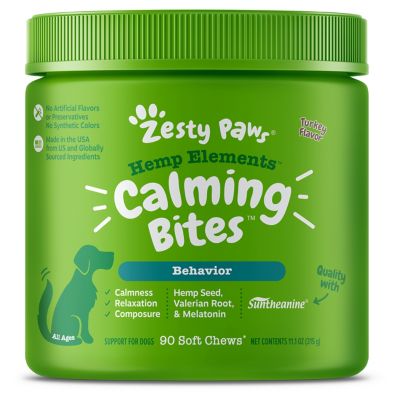
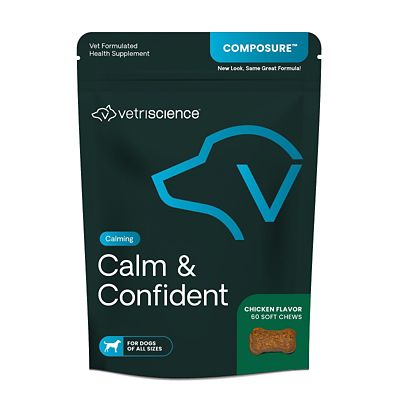
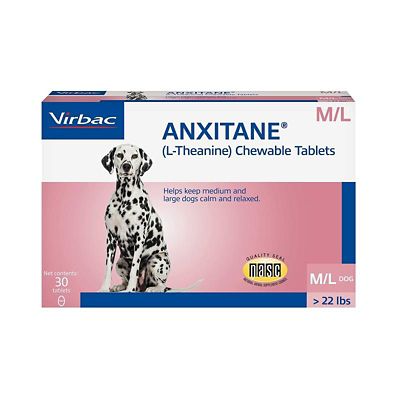
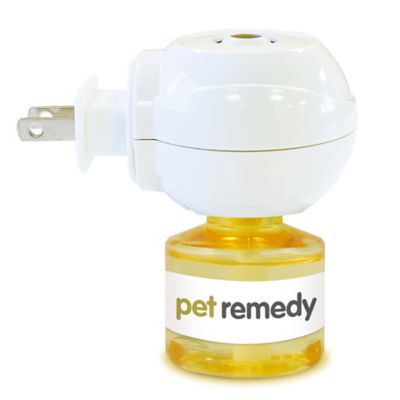
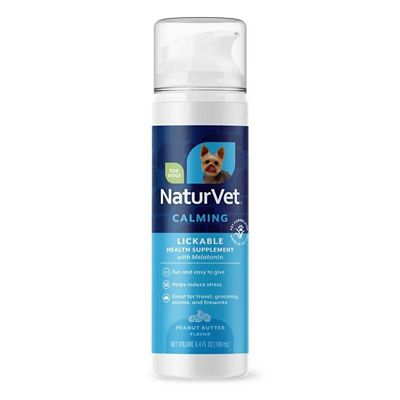
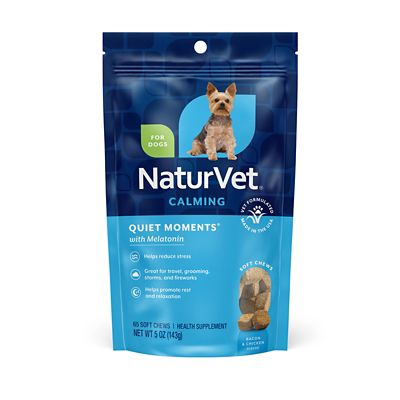
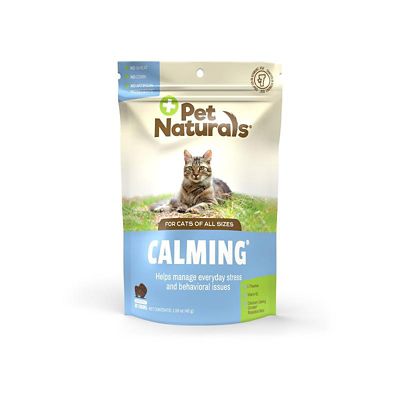
Calming treats, soft chews, powders and other oral supplements offer another form of support, but their ingredients and intended uses vary. Formulas may contain ingredients such as L-theanine, L-tryptophan or melatonin, and the label should identify the intended species, serving directions, age restrictions and cautions. A small dog, a large dog and a cat do not automatically need the same ingredient amounts, and a dog formula is not interchangeable with a cat formula. Weight-based directions are especially important in homes where several animals share the same treat cupboard. Flavor, texture and serving format matter, too: a chew only helps with a routine if the pet will willingly take it, while a powder mixed into food requires the intended portion to be eaten. Some formulas are intended for occasional situations, and others have directions for ongoing support, so timing and expectations belong with the individual label rather than a blanket promise of fast results. The National Animal Supplement Council, or NASC, seal identifies companies that participate in its audit program and meet program requirements; it is not proof that a supplement will relieve every pet’s stress. Veterinary input is especially important for animals taking medication, pregnant or nursing pets, and those with medical conditions. Human sleep aids and other human supplements are not substitutes for pet-labeled products and may contain harmful ingredients. Pheromone diffusers, sprays and collars take a different approach, using synthetic versions of chemical signals associated with a particular species. Dog and cat versions serve different purposes, and placement, room coverage and application directions affect how each format fits the household. These products are not simply room fragrances, and essential oils are not interchangeable with pheromones. Spray directions may call for application to bedding or a carrier rather than directly onto an animal, while diffusers need the outlet placement and clearance stated on the label.
For dogs that seem more comfortable with gentle body contact, a calming wrap offers a wearable option without adding another food or supplement to the routine. Fit is the main consideration: the wrap should sit snugly without restricting breathing, changing the dog’s stride or rubbing behind the front legs. Chest and neck measurements are more useful than breed alone, since two dogs of similar weight can have very different builds. Adjustable closures make it easier to accommodate body shape, while smooth seams and washable fabric help with everyday comfort and care. A wrap is not a restraint, and a dog that freezes, struggles or tries repeatedly to remove it may not find that sensation comforting. For other pets, an appropriate outlet for licking, chewing, sniffing or searching can make settling down easier. Food-dispensing toys and licking surfaces provide an activity rather than treating anxiety itself, and their size, material and design should match the animal’s chewing habits and level of supervision. Tough chewers need particular attention to worn edges and loose pieces; no toy is indestructible. Food-contact surfaces also need regular cleaning, with dishwasher suitability or hand-washing directions checked before cleanup. In a home with more than one pet, separate resting areas and supervised food-based activities help keep a calming routine from turning into competition over a treat or favorite spot. Portable bedding or a familiar comfort item can also give a pet something recognizable during travel or a stay with a trusted caregiver, provided it fits safely in the space. The most useful calming supplies suit the pet’s habits and remain straightforward to clean, inspect and fit into daily life. Sudden behavior changes, persistent distress, destructive escape attempts or an animal that cannot settle call for a veterinary conversation, since discomfort and illness can look like anxiety. Products can support that broader care plan, but they do not replace it.