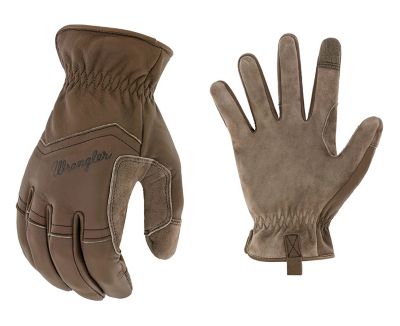
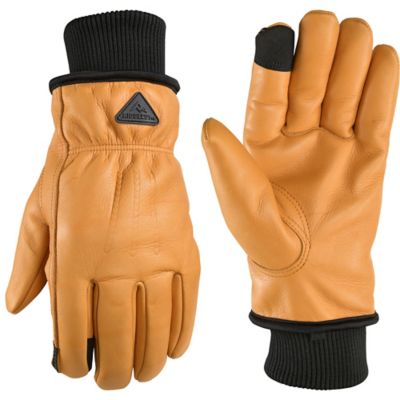
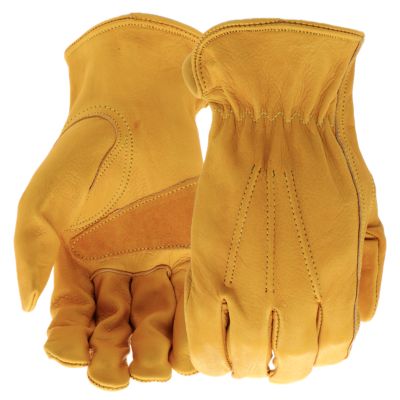
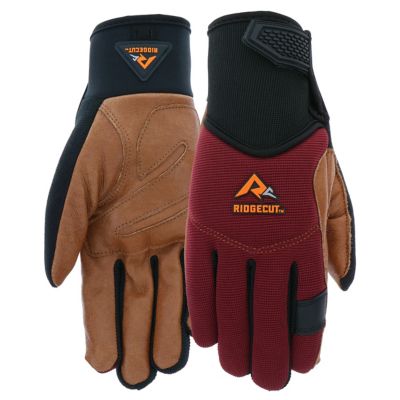
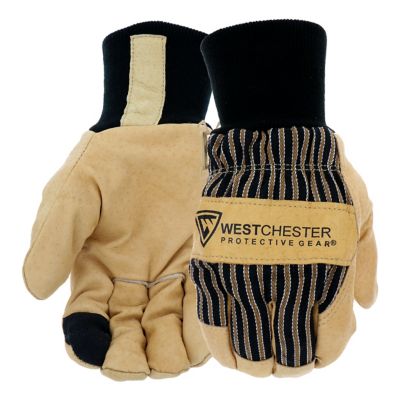
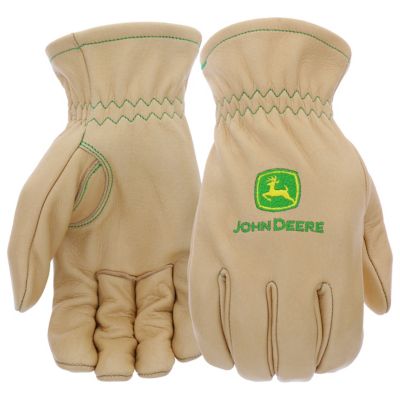
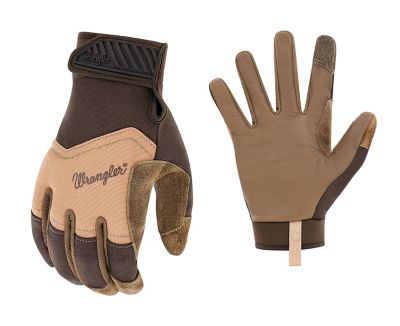
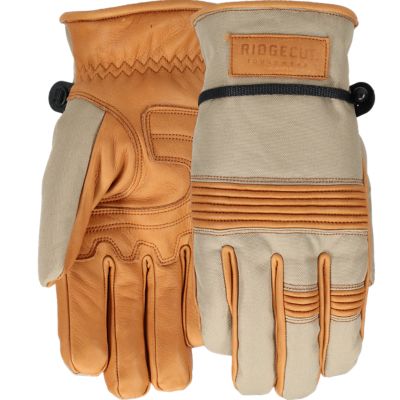
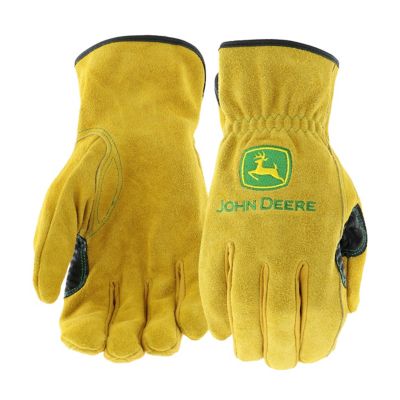
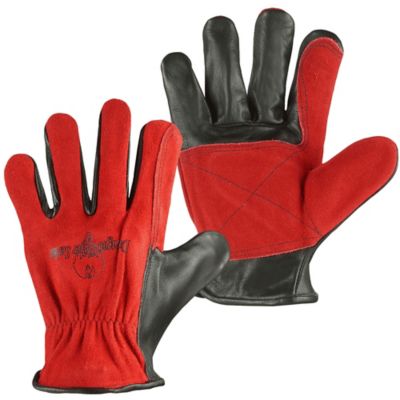
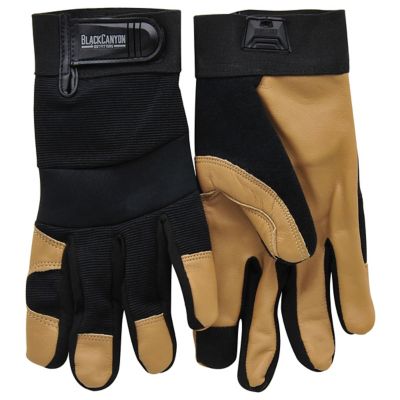
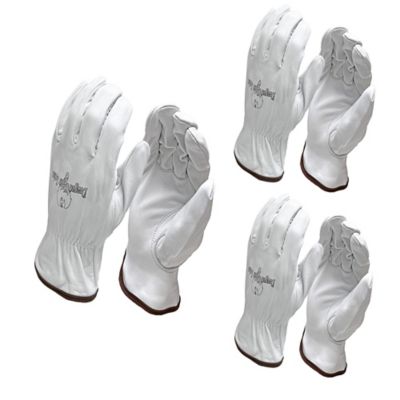
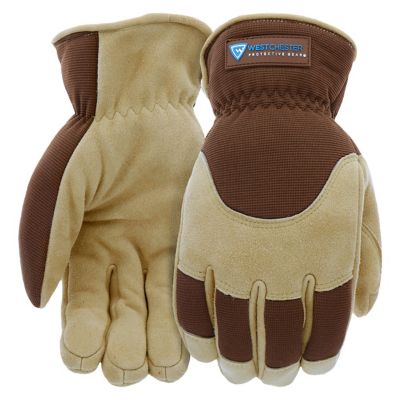
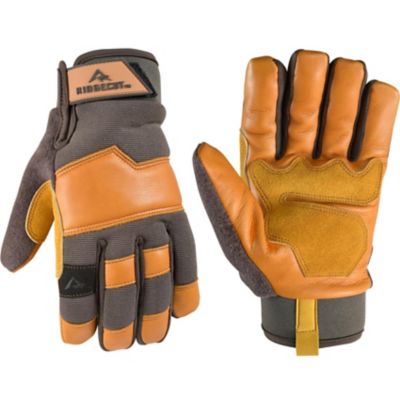
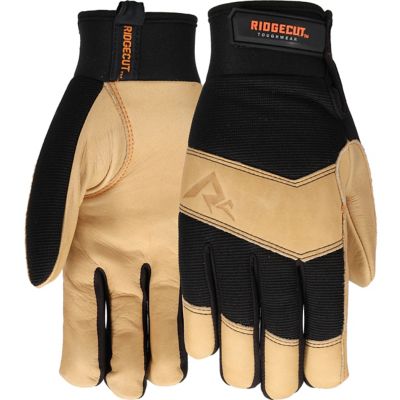
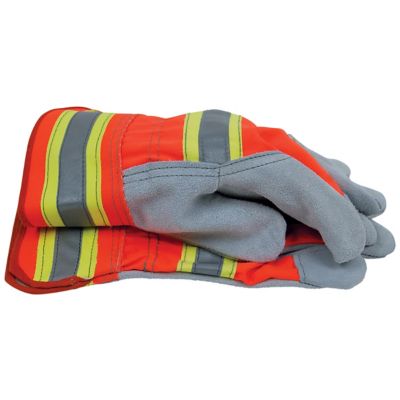
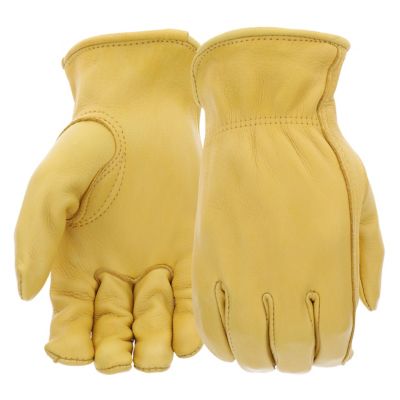
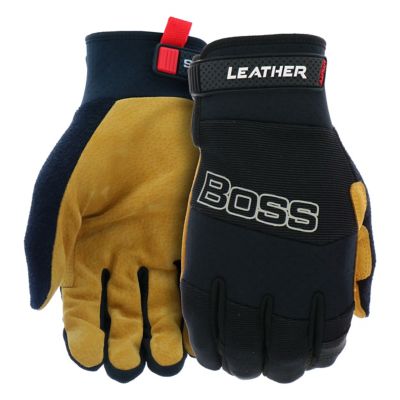
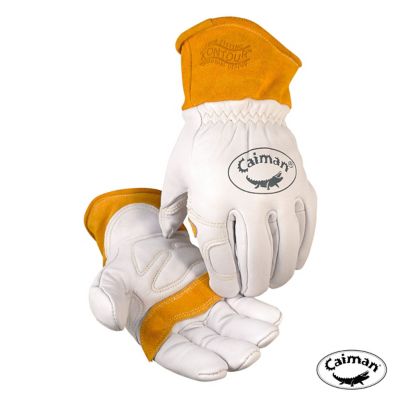
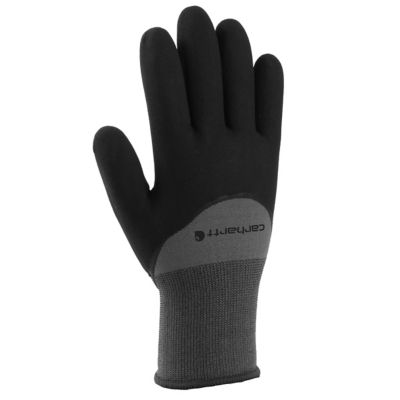
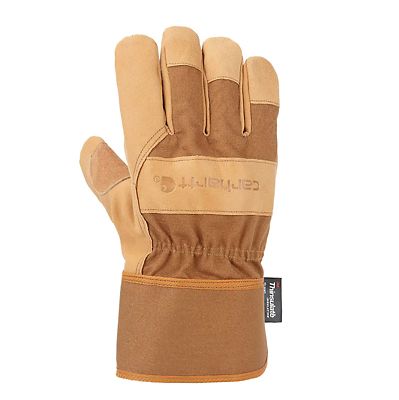
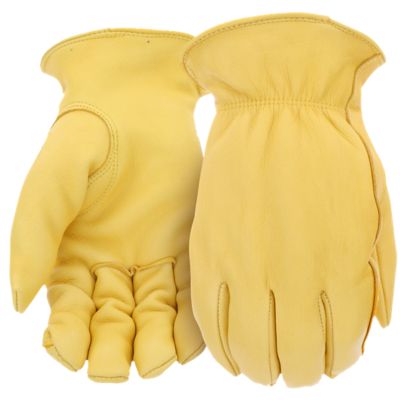
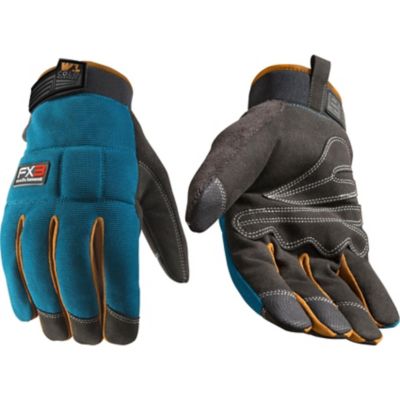
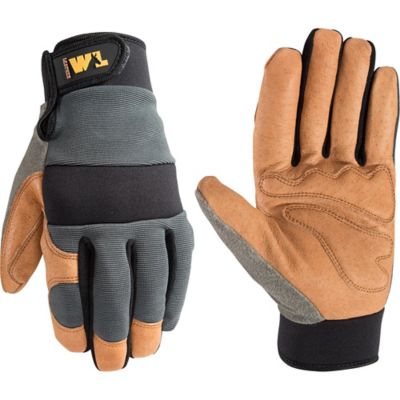
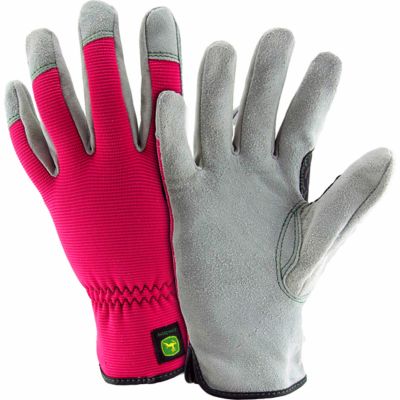
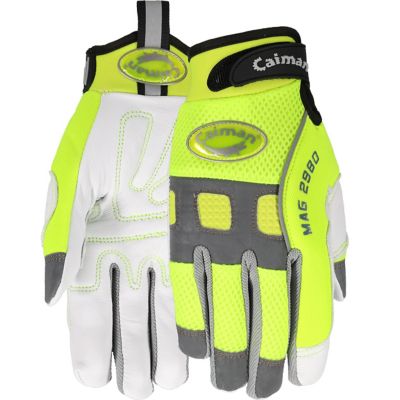
Leather work gloves put a flexible layer between working hands and the rough surfaces that come with hauling, building, fencing, and keeping a place running. Leather palms help stand up to friction from shovel handles, lumber, rope, and other everyday work materials, while different hides and glove designs offer different balances of coverage, grip, and finger movement. Cowhide is a common choice for general farm and ranch chores because it handles abrasion well and comes in a range of thicknesses. Goatskin often has a lighter, more flexible feel, making it a good match for tasks that call for handling small fasteners or moving between tools. Pigskin has a naturally porous structure and can remain fairly supple through demanding work, while deerskin is known for its soft feel and easy movement. Those differences matter when a day includes both carrying rough boards and working a gate latch with one hand. The leather’s finish matters, too. Grain leather has a smoother outer surface, while split leather has a more textured, suede-like surface and often appears in heavier work styles. Neither the hide name nor its thickness tells the whole story; stitching, palm reinforcement, cuff design, and overall construction all affect how a glove feels and wears. Full-leather gloves provide leather coverage across the hand, while leather-palm styles may pair that working surface with a fabric back for more flexibility and airflow. For ranch hands, fence crews, property owners, and folks tending a busy homestead, the right balance depends on the work at hand. Leather can help reduce abrasion and minor scrapes, but ordinary leather work gloves are not automatically rated for cuts, punctures, electrical hazards, or high heat. Tasks involving sharp metal, welding, or other serious hazards call for gloves with protection specifically identified for that job. A pair suited to stacking lumber may be a poor match for handling sheet metal, even if both jobs happen in the same shop.
Fit has a lot to do with how leather work gloves perform through a full round of chores. Fingers need enough room to bend around a rake handle or close around a pair of pliers without the leather pulling hard across the knuckles. At the same time, extra material at the fingertips can make it harder to pick up a washer, turn a small knob, or feel whether a latch has seated. A close, comfortable fit through the palm helps keep the glove from bunching when carrying buckets or gripping a wheelbarrow. Leather may soften and conform with wear, but a glove that pinches from the start should not have to stretch dramatically to fit. Size charts are helpful because measurements and proportions can differ between glove designs; palm width, hand circumference, and finger length all play a part. Thumb construction also changes the feel. A keystone thumb has a separate inset piece that supports natural thumb movement, while a wing thumb places the thumb at an angle that can feel comfortable around handles. Reinforced palms and additional leather at high-friction areas can help slow wear during repetitive work, though extra layers may reduce fingertip feel. Seams positioned away from heavy contact points can make a difference when a tool stays in hand for hours. Wrist and cuff styles serve different needs as well. An elastic wrist helps the glove stay put and can limit loose debris working its way inside. An adjustable closure allows a closer fit at the wrist, while an extended cuff adds coverage beyond the palm and may make a glove easier to pull off. Longer cuffs are not a substitute for task-specific protection, and loose material needs consideration around equipment. Machine instructions and workplace safety requirements take priority, especially near moving parts that could catch a glove. For everyday work, comfort comes from matching those details to the job rather than simply reaching for the thickest pair.
How leather work gloves hold up also depends on what happens after the work is done. Ground-in grit can wear at leather and stitching, so brushing away loose dirt before putting gloves aside helps keep abrasive particles from settling into creases. Cleaning directions vary with the leather, lining, and other materials in the glove. Some pairs allow limited washing, while others call for surface cleaning only; the care label is the best starting point. When gloves get damp from a task or cleaning, letting them air-dry away from direct heat helps reduce the risk of stiffening, shrinking, or cracking. A heater, dryer, or hot dashboard can be hard on leather. Leather conditioner may help some styles stay flexible, but only when the glove maker recommends it, since treatments can change grip or affect other materials. Storage matters in a simple, practical way: a clean, dry spot keeps gloves from sitting under a pile of muddy tools or soaking up spills on a workbench. Wear tends to show first where hands do the most work, including the fingertips, thumb crotch, and palm. Open seams, holes, and thinning leather mean the glove no longer provides the same coverage, even if the rest of it still looks sound. Keeping different glove styles for different chores can also make sense. A more flexible pair may feel better for routine hand-tool work, while a heavier construction may suit hauling rough materials. For planting, pulling weeds, and handling garden tools,
Leather Gardening Gloves offer a closely related option, with fit and coverage worth considering alongside the tasks in the beds or vegetable patch. Leather work gloves can also make a practical gift for a gardener, a family member maintaining acreage, or someone setting up a workshop. Knowing the person’s hand size and usual chores makes that gift more useful than choosing by appearance alone. The best match is a pair that feels comfortable enough to keep on, moves naturally with the hand, and provides the protection the work actually requires.