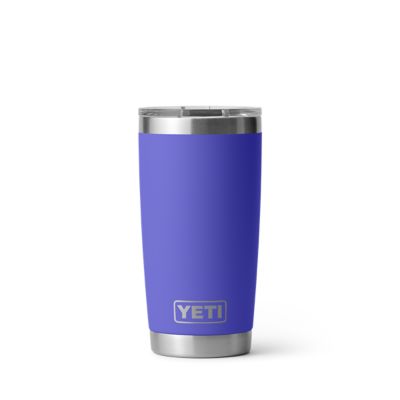
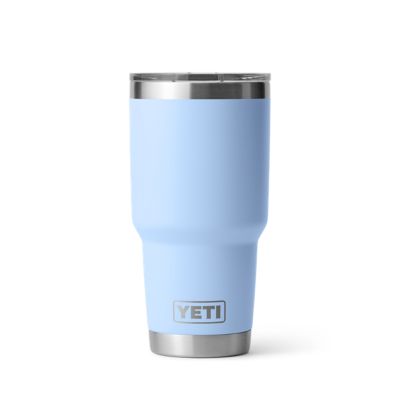
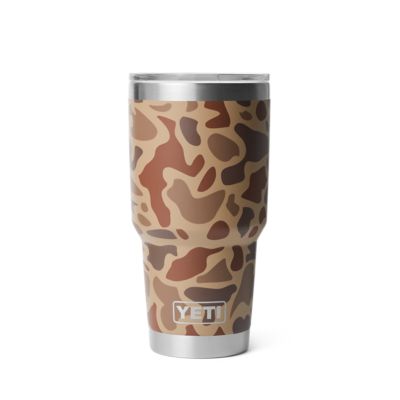
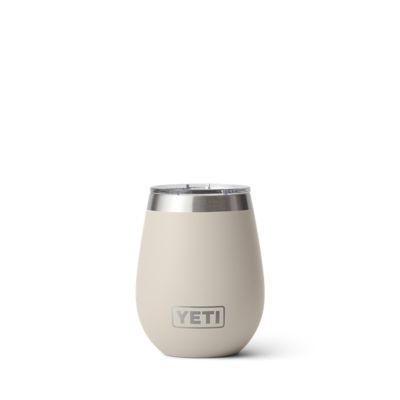
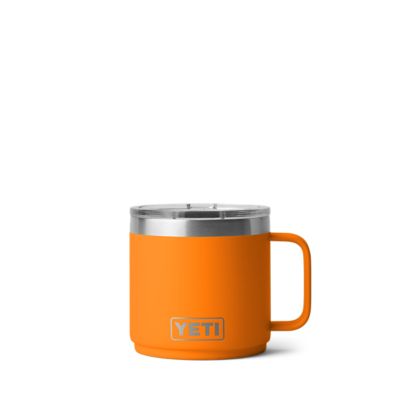
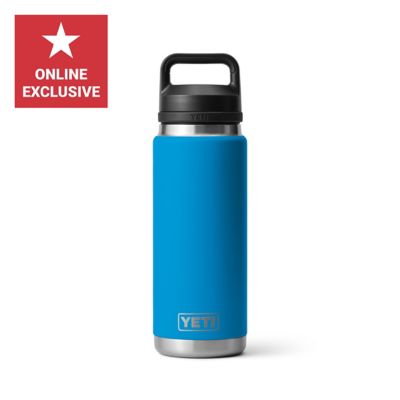
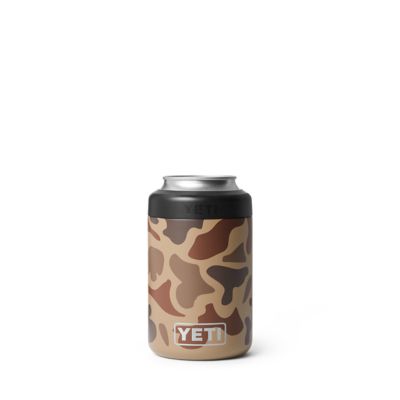
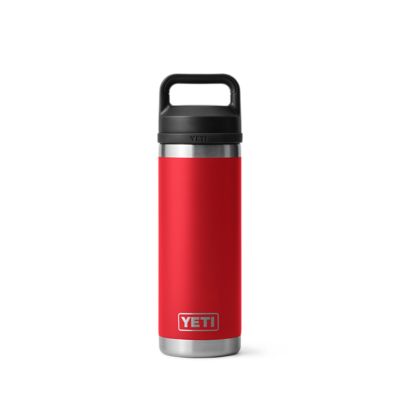
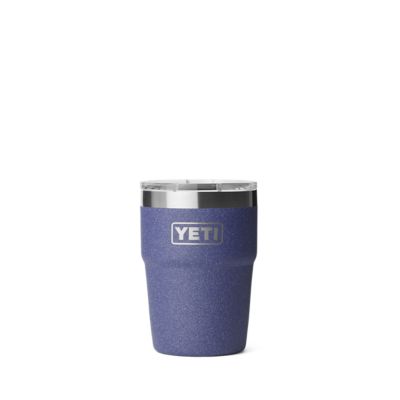
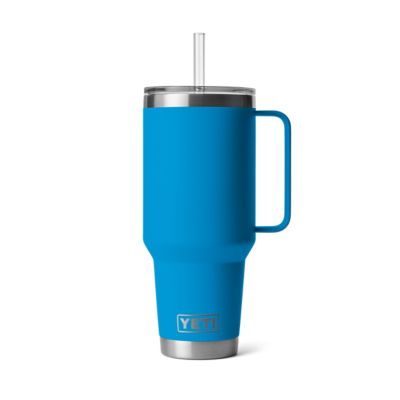
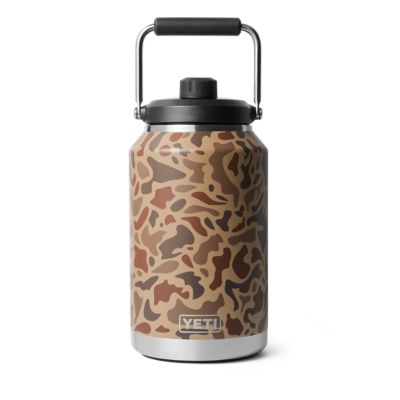
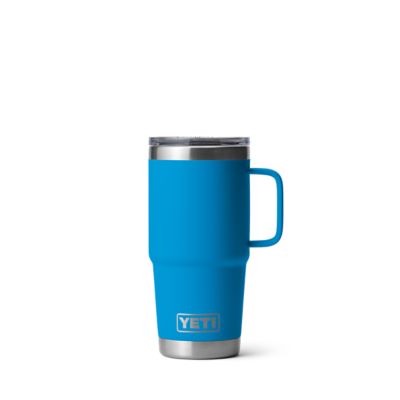
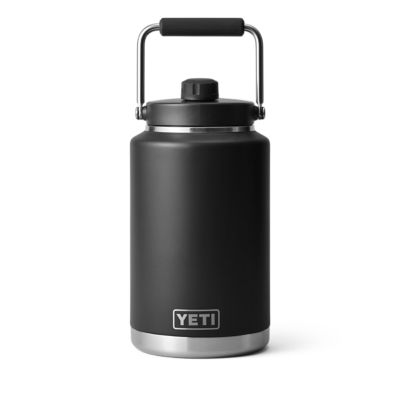
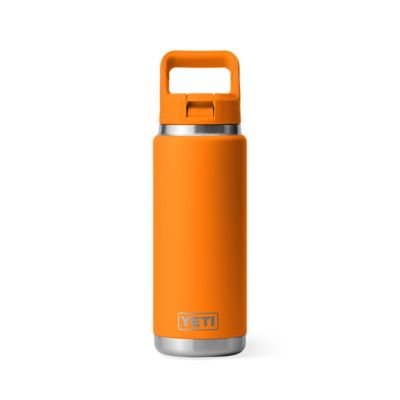
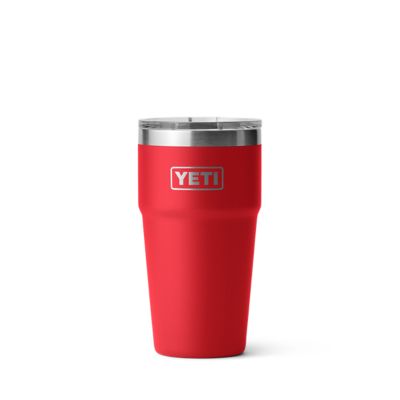
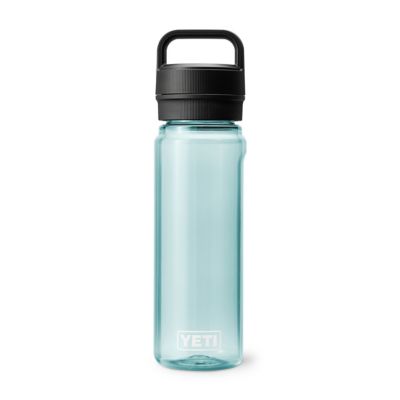
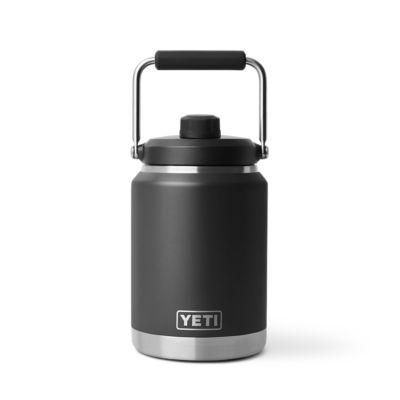
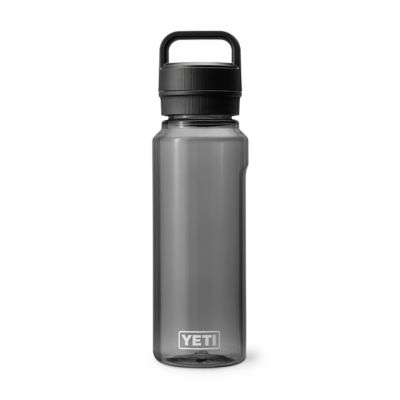
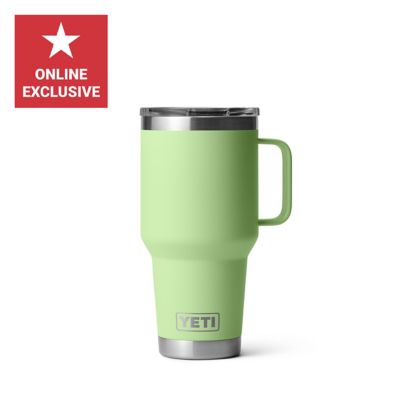
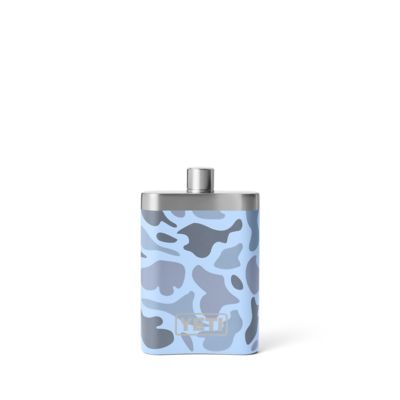
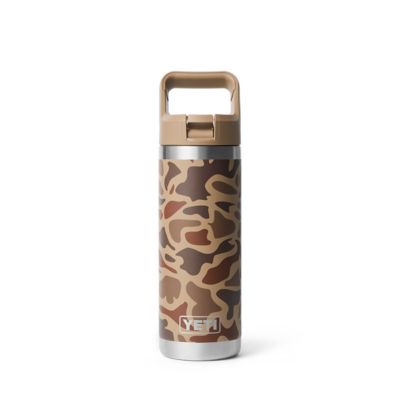
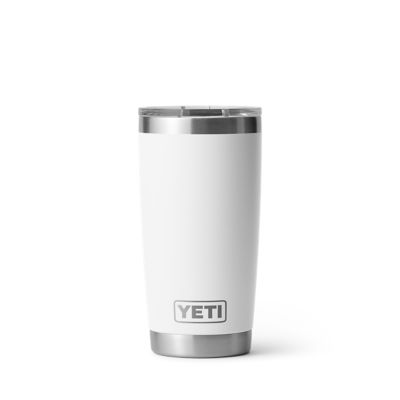
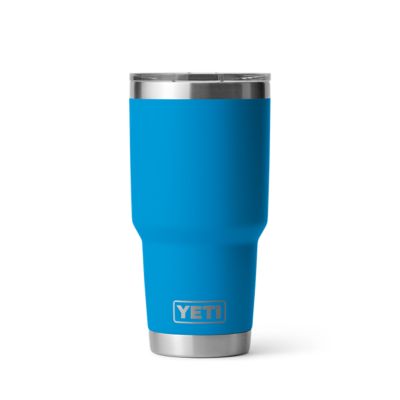
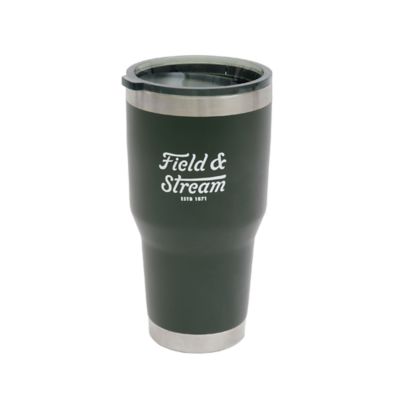
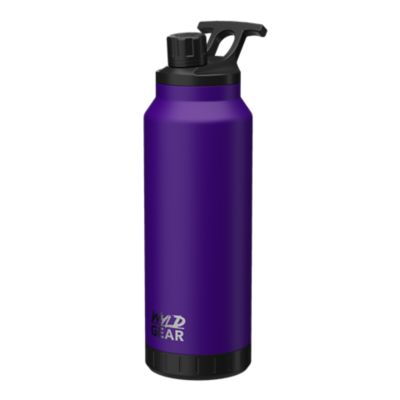
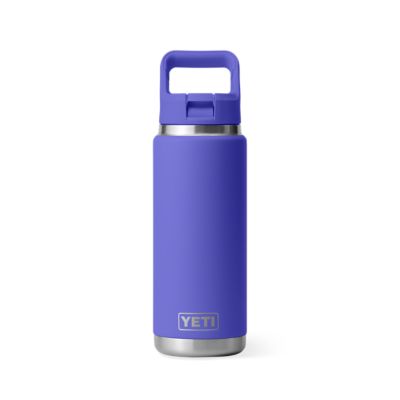
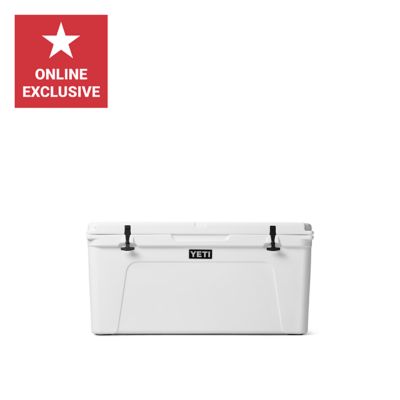
Outdoor drinkware brings everyday comfort to the porch, pasture gate, campsite and picnic table, with materials and shapes suited to life beyond the kitchen. The category includes reusable tumblers, travel mugs, water bottles, camp cups and outdoor drinking glasses for everything from morning coffee to iced tea with supper. What separates these pieces from ordinary indoor glassware is the attention to carrying, temperature control and resistance to bumps along the way. Stainless steel is a common choice for chores and travel because it stands up well to frequent handling, while double-wall vacuum insulation slows heat transfer to help hot drinks stay hot and cold drinks stay cold. Temperature retention depends on the construction, lid, starting temperature and conditions outside, rather than the metal alone. Lightweight plastic drinkware offers another practical option for outdoor meals, especially where heavy glasses would be awkward to carry or broken glass would be hard to clean up. Acrylic often has a clear, glasslike appearance that works nicely on a patio table, though it can scratch or crack with rough handling. Copolyester offers clarity and impact resistance, with heat tolerance and dishwasher suitability varying by design. Neither material should be assumed to suit boiling liquids without checking its care information. Single-wall metal cups have a simple, packable feel around camp, but their outer walls can become hot when filled with coffee or tea. For cooler days spent checking fences or sitting beside a fire, an insulated mug with a comfortable handle can make more sense than an open cup. For lemonade at a backyard meal, lightweight tumblers with steady bases may be the better fit. Open-air dining also has room for stemless shapes that sit low on the table and stackable cups that take up less cabinet space between gatherings. The right outdoor drinkware fits both the drink being served and the setting, whether that means a quiet chair on the back porch or a full day moving between the barn and the truck.
Fit and handling matter just as much as what a cup is made from. A generous capacity can mean fewer trips back to the house for water, but a full container also weighs more and may feel awkward on a long walk. Smaller mugs are often easier to hold close on a chilly morning, while taller tumblers can leave room for ice without taking up much space on a narrow side table. Capacity alone does not tell the whole story: the base diameter, overall height and position of a handle affect whether drinkware fits a truck cup holder, a folding chair pocket or the side sleeve of a daypack. A wide handle can be easier to grip with work gloves, provided there is enough clearance around the fingers. Textured surfaces and thoughtfully shaped grips can also help when hands are damp from rinsing vegetables or tending animals. For walks down a gravel lane or afternoons along a fishing bank, a
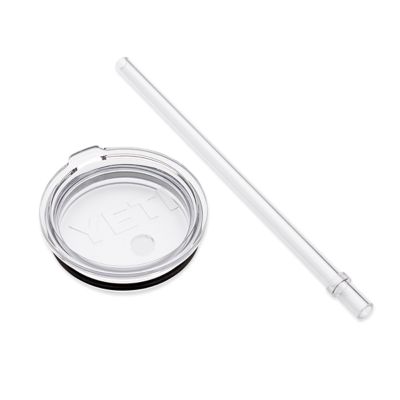
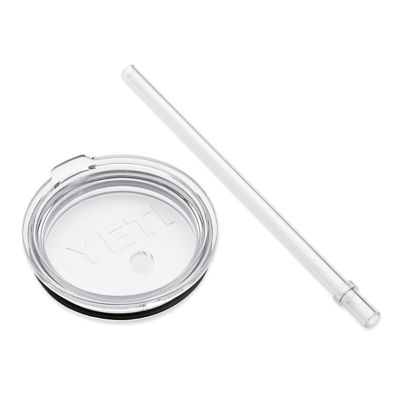
lightweight water bottle can keep the carrying load manageable, especially when there is already a jacket, tackle or other gear to bring along. Lids deserve the same attention as size. A splash-resistant slider may help keep coffee contained over a bumpy driveway, but it is not necessarily leakproof when tipped sideways inside a bag. Threaded closures and sealing gaskets can provide a tighter seal, although the stated handling directions still matter. Straw lids offer convenient sipping for cold drinks, while openings intended for hot beverages need to allow comfortable, controlled drinking. A carrying loop can free up a hand at a gate, and a broad opening makes it easier to add ice or reach inside for cleaning. Around picnic tables and outdoor seating, a flat, stable base helps a drink sit securely on a level surface. These small details become noticeable over a full day, particularly when a cup moves from the breakfast table to the cab and then out beside a lawn chair.
Outdoor drinkware also needs to fit the cleanup routine that comes after a meal, a road trip or a day of chores. Dishwasher-safe construction can simplify regular washing, but that label may apply differently to the body, lid, straw and gasket. Some clear plastics tolerate only particular dishwasher settings or rack positions, and some insulated vessels or exterior finishes call for handwashing. Following the care directions helps protect seals, surfaces and insulation over time. Wide-mouth openings are generally easier to reach with a bottle brush, while narrow necks, slider tracks and straw channels need tools sized for those spaces. Removable lid parts make it easier to wash away milk, sweetened tea and other residue that can collect out of sight. Thorough drying before reassembly helps keep moisture from lingering beneath seals, especially when drinkware spends several days tucked in a camper cabinet or picnic basket. Abrasive scrubbers can scratch plastic and damage finishes, so gentler cleaning tools are often a better match. Dents, cracks, loose lids and worn gaskets are worth attention because they can affect everyday handling or the way a closure seals. For families who eat outdoors often, easy-to-carry cups with comfortable rims and stable shapes keep the table relaxed without bringing fragile glassware onto a concrete patio. For campers, packability and simple cleaning may matter more than a large handle or an oversized capacity. Anyone spending long stretches outdoors may appreciate insulation and a closure that suits the way the container travels. Drinkware can also make a thoughtful gift for a neighbor who enjoys porch coffee, a family member who fishes or someone who carries water through a long workday. A size that fits their vehicle, a lid they can manage easily and a shape that feels good in the hand give that gift everyday purpose. From a warm drink beside the woodpile to cool water after hauling feed, well-matched outdoor drinkware earns its place through the ordinary moments it makes a little easier.